
Last Updated on July 27, 2026 by Daniel Globe
Mozambique, located on the southeastern coast of Africa, boasts a diverse climate that varies significantly across its regions. The coastal areas experience a tropical climate characterized by warm temperatures and high humidity, while the inland regions tend to have a more temperate climate. The country is influenced by the Indian Ocean, which moderates temperatures and contributes to the seasonal rainfall patterns. Understanding these climate nuances is essential when planning the ideal itinerary, whether you are seeking sun-drenched beaches in the Bazaruto Archipelago or safari adventures in Gorongosa National Park.
Quick Answer
The best time to visit Mozambique is during the dry season from May to October. During these months, skies are clear, temperatures are comfortably warm (20°C–28°C), and humidity is low. This window provides optimal conditions for wildlife viewing in national parks, beach holidays along the coast, and world-class scuba diving.
Key Takeaways
- Dry Season (May–October): Peak tourist season with ideal weather for safaris, outdoor activities, and coastal beach trips.
- Wet Season (November–April): Brings heavy rain, high heat, and potential cyclones (especially January–March), but offers lower rates and lush green scenery.
- Wildlife Viewing: Best from July to October when animals gather around scarce water sources in Gorongosa National Park.
- Marine Life Calendar: Humpback whales migrate through from July to October, while whale sharks and manta rays are abundant from November to April.
- Health & Safety: Malaria risk is present year-round; preventative precautions and mosquito protection are mandatory.
Disclosure: As an Amazon Associate I earn from qualifying purchases. Some links on this page are affiliate links, at no extra cost to you.
Mozambique Climate Overview & Seasonal Cycles
Mozambique experiences two primary seasons: the wet season, which typically runs from November to April, and the dry season, from May to October. During the wet season, coastal regions can experience heavy rainfall, particularly in January and February, which can lead to localized flooding. However, this season also brings lush landscapes and vibrant flora, making it an appealing time for landscape photography and birdwatching.
Conversely, the dry season offers cooler temperatures and significantly less humidity, making it ideal for outdoor activities such as hiking, city tours, and game drives. The climate’s variability across northern and southern provinces means that travelers should align their planned destinations with seasonal weather trends.
Note: Southern Mozambique (Maputo, Inhambane, Tofo) tends to be cooler and drier than the tropical north (Pemba, Quirimbas Archipelago), which experiences higher heat and prolonged rainfall during the wet season.
Peak Tourist Season in Mozambique (May to September)
The peak tourist season in Mozambique generally coincides with the dry winter months, particularly from June to September. This period attracts a significant influx of visitors drawn by pleasant daytime temperatures (averaging 24°C to 27°C) and clear, sunny days perfect for exploring the country’s stunning coastlines and protected nature reserves.
The dry season is particularly favorable for wildlife viewing because vegetation thins out and animals congregate around remaining water sources. Popular destinations such as Gorongosa National Park and the Bazaruto Archipelago see higher visitor numbers during these months. Accommodations and tour operators often adjust their pricing during peak season due to strong demand. Travelers are strongly advised to secure lodge bookings and domestic flights well in advance.
Off-Peak Travel Opportunities & Shoulder Seasons
Traveling to Mozambique during the off-peak and shoulder seasons offers distinct advantages for travelers seeking quiet destinations and lower rates. The months of April, May, October, and November serve as transitional shoulder periods with pleasant weather and fewer crowds.
According to Lonely Planet’s Mozambique guide, exploring popular coastal towns and historical sites during quieter months allows for a more personal connection with local communities. Moreover, off-peak travel comes with substantial financial savings. Many luxury beach lodges and safari camps offer reduced seasonal rates, enabling travelers to extend their stays or upgrade their experiences.
Warning: The peak cyclone period along the Mozambican coast runs from January through March. Heavy tropical storms can interrupt local transport, cause power outages, and impact ferry transfers to offshore archipelagos.
Special Events and Cultural Festivals
Mozambique’s rich cultural tapestry is celebrated through various music, dance, and historical events throughout the year. Participating in these celebrations provides travelers with a deeper understanding of Mozambican heritage and creates memorable local interactions.
- Festival de Música de Inhambane (July): Held annually in Inhambane Province, this vibrant music festival showcases traditional and contemporary artists, featuring lively rhythm and dance performances along the coast.
- Independence Day (June 25th): Commemorating liberation from Portuguese colonial rule in 1975, this national holiday features nationwide parades, cultural exhibitions, and traditional Mapiko dance performances.
- Marrabenta Festival (February): Celebrating Mozambique’s national music genre, Marrabenta, this energetic event brings together urban musicians in Maputo and surrounding regions.
“Engaging with local cultural celebrations enriches a journey beyond scenic sights, offering direct insight into the history, music, and resilient spirit of the Mozambican people.”
Wildlife Safaris and Marine Life Calendar
Mozambique offers extraordinary biodiversity on land and beneath the sea. Timing your visit according to wildlife migration patterns ensures optimal sightings during your trip.
Products Worth Considering

Sufficient Safari Party Favors: the package contains 18 jungle binoculars and 18 safari hats, 36 pieces in total, sufficient quantity and creative combination are ideal for group activities, and can fully meet your needs for exploration, sharing, and decorating, encouraging a sense of collaboration, and more
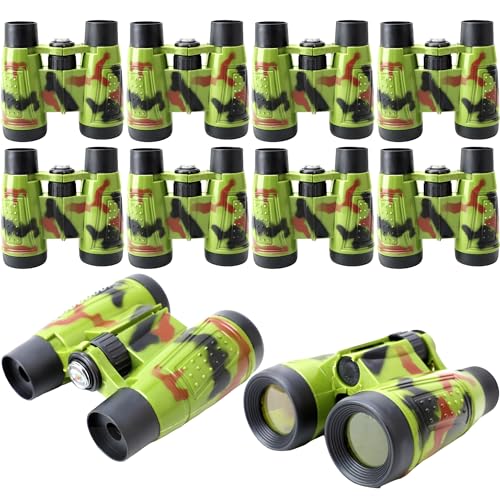
Size details: the jungle binoculars measure approximately 11 x 10.5 x 4 cm/ 4.3 x 4.13 x 1.57 inches, designed for little explorers with a compact and lightweight design that's easy to hold and carry. Whether they're exploring the backyard or going camping, this pair of binoculars will be their trusted partner

COMPLETE SET: Safari-themed adventure kit includes camouflage binoculars, a khaki sun hat, and a stylish leopard print neck scarf for outdoor exploration
Land Safaris in Gorongosa National Park
Gorongosa National Park is one of Africa’s greatest conservation success stories, supporting lions, elephants, hippos, and hundreds of bird species. The park is best visited during the dry season (May to November). During the peak rainy season (December to April), heavy flooding renders roads impassable, and major park camps close temporarily for maintenance.
Diving and Marine Wildlife in the Indian Ocean
The protected waters of the Bazaruto and Quirimbas Archipelagos provide world-class diving and marine observation:
- Humpback Whales: Migrate along the coast from July to October, visible directly from shore or on boat charters.
- Whale Sharks & Manta Rays: Present year-round in Tofo, with peak sightings occurring between November and April when plankton blooms attract massive feeding groups.
- Nesting Sea Turtles: Loggerhead and Leatherback turtles nest along southern beaches between November and March.
Budget-Friendly Travel Times
For budget-conscious travelers, timing is critical when planning a trip to Mozambique. The shoulder months of March through May and October through early December present excellent opportunities to save on accommodations and guided excursions without experiencing heavy rains.
During these periods, flight availability is higher, and boutique lodges frequently waive single supplements or offer free extra nights. Exploring local markets, historic colonial architecture on Ilha de Moçambique, and coastal fishing villages can be enjoyed in a relaxed, crowd-free atmosphere.
Essential Safety and Health Considerations
While Mozambique is welcoming to international tourists, proper preparation ensures a smooth and safe trip.
- Malaria Prevention: Malaria is endemic throughout Mozambique. Travelers should consult a healthcare provider regarding anti-malarial medication prior to departure, apply insect repellent containing DEET, and sleep under mosquito netting. Review official travel health guidance from the CDC Travelers’ Health page.
- Urban Security: In major cities like Maputo and Beira, exercise standard precautions against petty theft. Avoid carrying large amounts of cash or displaying valuable electronics in public areas.
- Road Safety & Wildlife Precautions: Avoid driving at night due to poor road lighting and unpaved conditions. In national parks, strictly adhere to park ranger guidelines during game drives and boat safaris.
Pro Tip: Always carry printed copies of your passport, visa documentation, and vehicle registration if self-driving. Keep digital copies backed up securely online.
Products Worth Considering

Non-greasy, fragrance free, odorless; dries quickly and won't damage plastics or synthetic coatings — safe for use on clothing, backpacks, watches, sunglasses, fishing line, firearm finishes, and more

REPELS MOSQUITOES: Repels mosquitoes, including those that may transmit the Zika, West Nile, Dengue and Chikungunya viruses.

REPELS MOSQUITOES: Repels mosquitoes, including those that may transmit the Zika, West Nile, Dengue and Chikungunya viruses.
Practical Tips for Making the Most of Your Trip
To maximize your itinerary in Mozambique, consider balancing popular coastal hotspots with lesser-known cultural destinations:
- Learn Key Portuguese Phrases: Portuguese is the official language. Learning basic greetings (e.g., Bom dia, Obrigado) fosters warm interactions with locals.
- Sample Local Cuisine: Experience Mozambican culinary specialties, including fresh grilled piri-piri prawns, matapa (cassava leaves stewed in coconut milk and crushed peanuts), and freshly baked pão rolls.
- Remain Flexible: Weather changes during shoulder seasons can impact coastal boat transfers. Build buffer days into your itinerary when flying or traveling by ferry.
Products Worth Considering


Frequently Asked Questions
What is the overall best time to travel to Mozambique?
The best overall time to visit Mozambique is during the dry season from May to October. Weather conditions are dry, warm, and clear, providing ideal conditions for both beach trips and safari game drives.
What is the weather like in Mozambique during the best time to travel?
During the dry season (May to October), daytime temperatures range comfortably between 22°C and 28°C with minimal rainfall and low humidity, making outdoor exploration and beach holidays very pleasant.
Are there specific cultural events or music festivals to plan around?
Key events include the Marrabenta Festival in February, Independence Day celebrations on June 25th, and the Festival de Música de Inhambane held in July.
What are the top attractions to visit in Mozambique?
Top destinations include the Bazaruto Archipelago for diving and beaches, Gorongosa National Park for land safaris, Tofo Beach for marine megafauna, and Ilha de Moçambique for historic UNESCO World Heritage site architecture.
What essential travel tips should I keep in mind before visiting?
Book accommodations well ahead for the June to August peak season, start malaria prophylaxis early, carry adequate sunscreen and insect repellent, and maintain flexible travel arrangements during shoulder seasons.
Sources
- Gorongosa National Park Official Portal — Safari operating seasons, biodiversity stats, and park guidelines.
- CDC Travelers’ Health: Mozambique — Official health advisories, malaria prevention protocols, and vaccinations.
- Lonely Planet Mozambique Destination Guide — Regional travel logistics, shoulder season recommendations, and cultural overviews.
- World Bank Climate Knowledge Portal — Official Mozambique historical weather and climate trend data.
