
Last Updated on September 10, 2026 by Daniel Globe
Through hiking, more commonly written as thru-hiking, means completing a long-distance trail from end to end during one extended journey or within the period recognized by that trail organization. It combines backpacking, route planning, resupply, navigation, physical endurance, and weeks or months of life outdoors. The challenge is not simply walking far; it is managing all of those systems safely day after day.
Quick Answer
Through hiking, or thru-hiking, is an end-to-end journey on a long-distance trail. A successful thru-hike requires suitable gear, realistic pacing, water and food planning, navigation skills, permits, weather awareness, emergency preparation, and Leave No Trace practices. Depending on the trail, the journey may take several weeks to many months.
Key Takeaways
- Thru-hiking is different from ordinary day hiking because you must manage shelter, sleep, food, water, navigation, resupply, weather, and recovery over an extended period.
- Do not rely on one universal pack-weight rule. Test your complete load on shakedown hikes and remove unnecessary weight without sacrificing safety gear.
- Check permits, camping rules, trail closures, fire restrictions, water conditions, weather, and transportation before departure and throughout the trip.
- Carry redundant navigation and an emergency plan. A phone is useful, but cellular service and battery life cannot be assumed in the backcountry.
- Treat uncertain backcountry water, store food according to local wildlife regulations, and follow Leave No Trace practices from the first mile to the last.
At a Glance
| Time Required | Several weeks to many months depending on the trail; an Appalachian Trail thru-hike commonly takes about five to seven months. |
| Difficulty | Strenuous; difficulty depends on distance, elevation, terrain, weather, remoteness, and individual experience. |
| Tools Needed | Backpack, shelter, sleep system, suitable clothing and footwear, water treatment, food system, navigation, lighting, first aid, emergency shelter and repair supplies. |
| Cost | Varies widely with existing gear, trail length, food, transportation, lodging, permits, replacement equipment and emergency travel. |
Disclosure: As an Amazon Associate I earn from qualifying purchases. Some links on this page are affiliate links, at no extra cost to you.
What Is Through Hiking?
People have traveled long distances on foot for hunting, trade, migration, pilgrimage, exploration, and survival for thousands of years. Modern recreational thru-hiking, however, is a more recent tradition tied to the development of long-distance recreational trails and organized trail systems.
The growth of protected public lands helped create more opportunities for recreational hiking. Yellowstone, for example, was established as a national park in 1872. In the United States, one of the most influential developments came in 1921, when Benton MacKaye proposed an Appalachian Trail connecting communities and wild landscapes along the Appalachian Mountains.
The Appalachian Trail became fully connected in 1937. In 1948, Earl Shaffer reported the first continuous end-to-end hike of the entire A.T., helping establish the modern idea of a thru-hike. Today, the Appalachian Trail Conservancy records both thru-hikers and section hikers who complete the trail.
The Appalachian Trail is officially 2,197.9 miles long in 2026, although its mileage changes as sections of the footpath are relocated or remeasured.
Thru-Hike vs. Section Hike vs. Flip-Flop
The exact definition can vary by trail organization. The Appalachian Trail Conservancy defines an A.T. thru-hike as completing the entire trail within 12 months or less. It does not require the miles to be walked in one uninterrupted northbound or southbound line.
- Thru-hike: Completing an entire long-distance trail within the period recognized for a single thru-hike.
- Section hike: Completing the same trail over separate trips, often across multiple years.
- Flip-flop: Completing the entire trail in sections that change direction or starting point, usually to manage weather, crowds or logistics.
Other trail organizations may use different definitions, so check the rules of the specific trail you plan to complete.
Essential Gear for Through Hiking: What You Need for a Successful Journey
Your gear has to balance safety, comfort, durability and weight. Carrying unnecessary equipment can make every climb harder, but cutting essential safety equipment simply to reach a target pack weight can create a different problem.
Backpack Essentials
A well-fitted backpack is essential. It should have enough capacity for your shelter, sleep system, food, water, clothing and safety equipment without forcing you to strap loose items all over the outside. Adjustable shoulder straps, a properly positioned hip belt and accessible pockets can make a major difference over thousands of miles.
Water resistance also matters. A rain cover can help, but many hikers additionally protect critical gear such as a sleeping bag and dry clothing inside waterproof stuff sacks or a pack liner.
Build Your Gear Around Systems
Instead of thinking only in terms of individual products, organize your equipment into systems:
- Shelter: Tent, tarp or another shelter appropriate for the trail and expected weather.
- Sleep: Sleeping bag or quilt plus an insulating sleeping pad suitable for expected temperatures.
- Water: Bottles or reservoir, sufficient carrying capacity and an appropriate treatment method.
- Food: Meals, snacks, stove and fuel if required, plus legal food-storage equipment.
- Navigation: Current route information, offline electronic maps and a map/compass backup when appropriate.
- Clothing: Hiking layers, insulation, rain protection and dry sleep clothing as conditions require.
- Safety: First-aid supplies, headlamp, emergency shelter, communication plan and essential personal medication.
- Repair and hygiene: Small repair supplies, sanitation items, sun protection and insect protection where needed.
The National Park Service’s Ten Essentials are a useful starting point, but a multi-week or multi-month trip requires additional overnight and resupply equipment.
Packing Light and Choosing Footwear
There is no single pack-weight percentage that works for every thru-hiker. Food and water alone can change your pack weight substantially between trail sections. A better approach is to carry everything required for the conditions, remove gear that serves no useful purpose, and test the finished system before your departure.
Pro Tip: Do at least one overnight shakedown hike with the same backpack, shelter, sleep system, footwear, food and water capacity you expect to use. Problems that seem minor at home often become obvious after several hours on the trail.
Hiking boots and trail shoes can both work. Choose footwear based on fit, terrain, weather, traction and your own needs rather than assuming that every thru-hiker needs a heavy waterproof boot. Waterproof footwear can help in some cold or persistently wet conditions, while breathable footwear may dry more quickly after repeated stream crossings or rain.
Most importantly, test footwear before a long trip. Do not begin a multi-month hike in shoes that already cause rubbing, heel lift, pressure points or numbness.
Dressing for Changing Conditions
Layering lets you adjust as temperature, wind and precipitation change. A typical system includes a moisture-managing base layer, an insulating layer and protection from rain and wind. The exact combination should match the trail and season.
Keep at least one critical insulating or sleeping layer dry. Cold rain, wind and fatigue can turn a manageable temperature into an exposure problem surprisingly quickly.
Planning Your Through Hike: Route Selection and Logistics
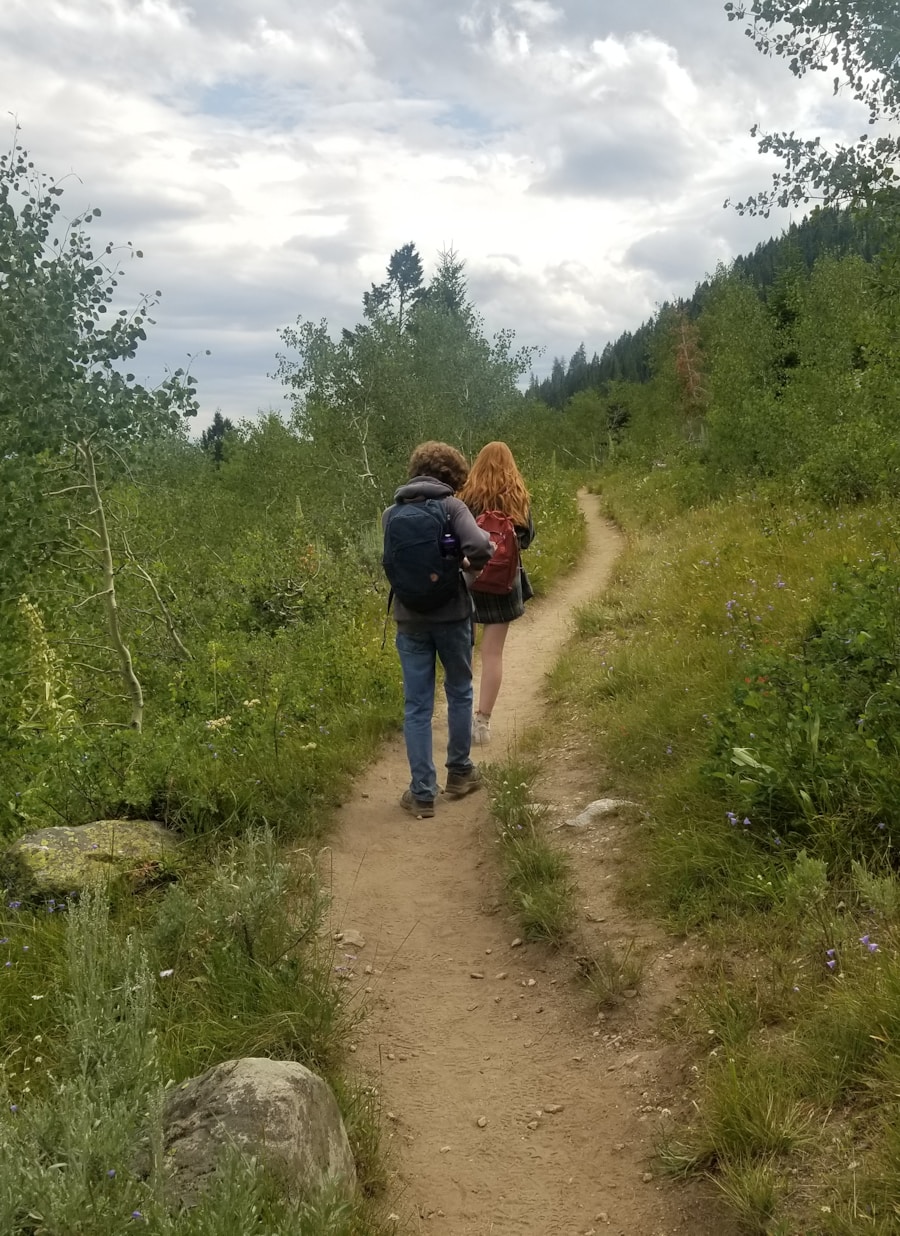
Start by choosing a trail that matches your experience, available time, expected weather and tolerance for remote travel. Distance alone does not tell you how difficult a route will be. Elevation gain, snow, heat, water availability, river crossings, navigation, remoteness and technical terrain can matter just as much.
Check the Season Before Choosing a Start Date
A route that is straightforward in one month may be unsafe or inaccessible in another. High mountains can retain snow well into the hiking season, desert sections can become dangerously hot, river crossings can change with snowmelt, and wildfires may close sections with little warning.
Use the official trail organization and the relevant federal, state, provincial or local land-management agencies to check current conditions. Do not assume a guidebook or an itinerary from a previous year reflects current closures.
Understand Permits Before Booking Transportation
Permit requirements vary dramatically. Some trails cross many jurisdictions, and individual parks or wilderness areas can impose separate camping, entry, fire or food-storage rules.
For example, qualifying Pacific Crest Trail trips of 500 or more continuous miles may use the PCT Long-distance Permit system, but availability and itinerary limits still apply. Other trails use completely different systems.
Note: Always verify permit, camping, fire, food-storage and entry rules for the exact year of your trip. Regulations can change, and the managing agency’s current rules take priority over generic hiking advice.
Plan Resupply Points
A thru-hiker normally leaves the main trail periodically to obtain food, fuel and other supplies. Before leaving home, identify likely resupply towns or stores and record:
- distance between resupply points;
- typical travel time between them;
- water availability on each stretch;
- store or post-office operating days and hours;
- transportation from the trail into town;
- fuel availability if you use a stove;
- places where specialized food or medication may be difficult to replace.
Some hikers buy as they go. Others mail selected boxes ahead. A mixed strategy often provides more flexibility than depending entirely on mailed packages.
Build Flexibility Into Your Itinerary
Create a route plan, but do not make the schedule so rigid that it pressures you to hike through unsafe weather or injury. Include rest days, slower sections, transportation options and bailout points.
Share your route, expected check-in schedule and emergency contacts with a trusted person who is not on the trip. The National Park Service also recommends leaving trip information with someone who can alert rescuers if you fail to return or check in as planned.
Water, Food and Resupply on a Long-Distance Hike
Treat Uncertain Backcountry Water
Clear-looking water is not automatically safe. Lakes, rivers, streams and springs can contain disease-causing organisms even when there is no visible contamination.
The CDC’s backcountry water guidance recommends treating water when you are not sure it is safe. Boiling is the most reliable method for killing germs. Filters, chemical disinfectants and ultraviolet systems have different strengths and limitations, so follow the manufacturer’s instructions and choose a treatment that addresses the risks on your route.
Water planning also means knowing how much you may need to carry between reliable sources. A wet Appalachian trail and a dry desert trail require very different water capacities.
Store Food for the Wildlife You May Encounter
Food, trash, toiletries and other scented items can attract wildlife. The required storage method depends on the location. Some areas require approved bear-resistant canisters or lockers, while others permit specific hanging methods.
Check the land manager’s current food-storage regulation rather than assuming one technique is legal everywhere. Proper storage protects both hikers and wildlife.
Plan Food for Practicality, Not Just Calories
Choose foods that you will actually eat after repeated days on the trail. Consider calorie density, preparation time, fuel needs, nutritional variety, package weight and availability at future resupply stops.
Appetite can change during a long hike. Reassess your food quantities as your pace, weather and daily mileage change instead of assuming the first week’s menu will remain perfect for the entire trip.
Navigating the Wilderness: Map Reading and GPS Skills for Through Hikers
| Navigation Skill | Why It Matters |
| Map Reading | Helps you understand trail junctions, terrain, elevation, water, roads and possible exit routes. |
| GPS / Offline Maps | Provides quick position checks when the correct map data has been downloaded and the device is functioning. |
| Compass Navigation | Provides a non-electronic backup and helps orient a map when electronic tools are unavailable. |
| Route Planning | Lets you anticipate junctions, climbs, water gaps, camps, road crossings and emergency exits before reaching them. |
Modern GPS tools can make navigation faster, but they should not eliminate route awareness. Download maps before leaving service, confirm that the downloaded area covers your entire route, and carry enough power for the interval between charging opportunities.
Remember that GPS reception and cellular service are not the same thing. A phone can often determine its position using satellites without mobile service if its maps have already been downloaded. However, batteries can die, devices can break, and satellite reception may be degraded by terrain or other conditions.
Traditional map and compass skills remain valuable, especially on remote or poorly marked routes. Learn how contour lines represent terrain, how to identify major landmarks, and how to orient a map before you need those skills in bad weather.
Warning: Do not assume your phone can summon help everywhere. Backcountry areas may have little or no cellular coverage. Carry an emergency communication plan appropriate to the remoteness of your route and know how to use your equipment before departure.
Safety and Survival Skills for Through Hiking: Preparing for the Unexpected
Safety on a thru-hike begins before the emergency. Learn basic first aid, understand the hazards of the environment you are entering, and carry supplies appropriate for both common problems and an unplanned night outside.
Carry a Practical First-Aid Kit
Your kit should match the length and remoteness of the hike and your personal medical needs. Common items include wound-care supplies, blister treatment, bandages, medical tape and any required personal medication. More important than owning a large kit is knowing how to use what you carry.
Consider wilderness first-aid or CPR training before a remote long-distance trip. The National Park Service recommends having an emergency plan and notes that wilderness first-aid knowledge can be especially valuable in the backcountry.
Carry Emergency Shelter Instead of Planning to Build One
Do not depend on cutting branches or collecting vegetation to construct a shelter. Carry a tent, tarp, bivy, emergency blanket or another lightweight emergency shelter suitable for your trip. This is both more reliable and less damaging to the environment.
Prepare for Heat, Cold and Storms
Conditions can change faster than your itinerary. Carry appropriate insulation and rain protection, monitor forecasts whenever information is available, and be willing to stop, turn around or leave the trail when conditions exceed your skills or equipment.
Heat illness, cold exposure, lightning, wildfire, flooding, deep snow and dangerous river crossings require different responses. Research the hazards of the specific trail rather than relying on one general survival strategy.
Know How You Will Call for Help
For less remote routes, a phone may provide adequate communication in many locations. On remote trails, hikers may also choose a satellite messenger or personal locator beacon. Whatever you carry, understand its coverage, charging requirements, subscription requirements where applicable, and emergency procedure.
A communication device is not a substitute for judgment. Your first line of safety remains good planning, appropriate gear, awareness of changing conditions and a willingness to change the plan.
Leave No Trace: Minimizing Your Impact While Through Hiking
Long-distance hikers pass through many sensitive environments. Small impacts repeated by thousands of visitors can damage vegetation, contaminate water and change wildlife behavior.
Follow the Leave No Trace principles and any stricter rules established by the agency managing the land.
Stay on Durable and Designated Routes
Use established trails where required and avoid cutting switchbacks. Shortcuts can widen trails, damage vegetation and accelerate erosion.
Pack Out Trash and Food
Carry out wrappers, packaging, food scraps and other litter. Food is biodegradable, but that does not mean it belongs beside the trail. Leftovers can attract wildlife and change natural feeding behavior.
Dispose of Human Waste Correctly
Where catholes are allowed, Leave No Trace recommends digging them about 6 to 8 inches deep and at least 200 feet from water, camp and trails. Toilet-paper requirements vary; in some places it may be buried appropriately, while other areas require it to be packed out.
Some high-use, desert, alpine or sensitive areas require hikers to pack out solid human waste entirely. Check local rules before your trip rather than assuming catholes are always permitted.
Respect Wildlife
Observe animals from a distance and never feed them. Store food and scented products according to local regulations. If a trail passes through bear country or habitat for other potentially dangerous animals, learn the species-specific recommendations from the managing agency before entering the area.
Mental and Physical Preparation for Through Hiking
A strong training plan does not need to imitate every mile of a thru-hike, but it should prepare your feet, legs, joints and cardiovascular system for repeated days of walking.
Build Mileage Gradually
Begin with regular walking or hiking and progressively increase distance, elevation and time on your feet. Add a loaded backpack gradually rather than jumping immediately to your maximum trail load.
Strength work for the legs, hips and core can complement hiking, especially when your route includes steep climbs or descents. Rest and recovery matter too; an overuse injury before departure does not improve your readiness.
Use Shakedown Trips
Short overnight trips reveal problems that a gear list cannot. Test sleeping comfort, water capacity, cooking, rain protection, navigation, battery life, footwear and how long routine camp tasks actually take.
Make changes while you are still close to home rather than discovering them several days into a remote trail section.
Start the Thru-Hike at a Sustainable Pace
Excitement can tempt hikers into high mileage immediately. A more conservative early pace gives your body time to adapt to repeated hiking days and allows you to learn how your food, footwear and recovery routine work in real conditions.
Daily mileage can rise later if your body adapts well. Weather, terrain, injury, illness and trail closures may also require you to slow down.
Prepare Mentally for Plans to Change
Long-distance hiking includes monotony, discomfort, rain, delays, missed transportation, equipment failures and days when motivation is low. Mental resilience often comes from focusing on manageable decisions: reach the next water source, eat, address a hot spot before it becomes a blister, set up camp, and reassess tomorrow.
Visualization and mindfulness can be useful, but flexibility is more important than forcing yourself to match a perfect itinerary. Changing the route, taking a rest day or leaving the trail when conditions become unsafe is good judgment, not failure.
The Rewards of Through Hiking: Nature, Community and Personal Growth
The rewards of thru-hiking go beyond physical fitness. Spending weeks or months moving through natural landscapes creates time away from normal routines and makes daily life unusually simple: walk, eat, find water, make camp, recover and begin again.
Many hikers value the close connection with landscapes that comes from traveling through them at walking speed. A mountain range, forest or desert stops being a view from a roadside overlook and becomes a place experienced over days or weeks.
The challenge can also build confidence. Solving small problems repeatedly—weather, navigation, fatigue, resupply, changing plans—shows hikers what they can handle. Long trails also develop their own communities as hikers repeatedly meet one another at shelters, campsites, road crossings and trail towns.
Personal growth is not guaranteed, and every hike is different. Some people finish with a new perspective; others simply value the adventure, friendships or satisfaction of completing a difficult goal. Both are valid reasons to hike.
Before You Leave: Final Through-Hiking Checklist
- Confirm your route, start date and expected seasonal conditions.
- Check official permits, camping restrictions and entry requirements.
- Review current trail closures, wildfire notices and weather hazards.
- Test your backpack, footwear, shelter and sleep system on an overnight hike.
- Download offline maps and learn your backup navigation method.
- Identify water sources and choose an appropriate treatment system.
- Map your resupply points, town access and likely food carries.
- Check wildlife and food-storage rules for every major jurisdiction.
- Identify bailout routes and emergency transportation options.
- Leave your itinerary and check-in plan with a trusted person.
- Carry the safety equipment required for your terrain and season.
- Be willing to change or end the trip when conditions become unsafe.
If you are planning a through hiking adventure, a power bank can help keep phones and other rechargeable navigation devices working between charging stops. Battery capacity should complement, not replace, your backup navigation and emergency plan. For more travel information, visit TakeTravelInfo. If you are shopping for a hiker or traveler, you can also explore these travel gifts for her.
Love travel? Join Our Facebook Community
Sources
- Appalachian Trail Conservancy — 2026 Official Mileage — current Appalachian Trail mileage and annual route changes.
- Appalachian Trail Conservancy — ATC History — Benton MacKaye, completion of the trail and early thru-hiking history.
- U.S. National Park Service — Ten Essentials — navigation, first aid, hydration and emergency-shelter guidance.
- CDC — Water Treatment When Hiking, Camping or Traveling — treatment of uncertain natural water sources.
- Leave No Trace — Dispose of Waste Properly — trash, food scraps, catholes and sanitation practices.
- Pacific Crest Trail Association — Long-distance Permits — current PCT long-distance permit requirements and limitations.
Frequently Asked Questions
What is through hiking?
Through hiking, usually written as thru-hiking, means completing a long-distance trail from end to end during one extended hiking effort or within the completion period recognized by that trail organization. It normally involves backpacking, resupply stops and repeated overnight travel.
What are some popular through hiking trails?
Well-known long-distance routes include the Appalachian Trail, Pacific Crest Trail and Continental Divide Trail in the United States. Long-distance walkers also complete routes such as Spain’s Camino de Santiago, although its history and style differ from wilderness-oriented U.S. thru-hiking trails.
What are the biggest challenges of through hiking?
Common challenges include repeated physical strain, foot problems, weather, navigation, finding and treating water, carrying enough food, resupplying, maintaining equipment, changing trail conditions, permits, wildlife precautions and staying motivated for weeks or months.
How long does through hiking take?
It depends on the route, terrain, weather and hiker. Some trails take several weeks, while major national scenic trails can require several months. The Appalachian Trail Conservancy says most A.T. thru-hikers take about five to seven months, with an average just under six months.
What are the essential items for through hiking?
Core systems include a properly fitted backpack, shelter, sleeping bag or quilt, sleeping pad, suitable footwear and clothing, food, sufficient water capacity, water treatment, navigation tools, headlamp, first-aid supplies, emergency shelter, sun protection and any route-specific food-storage or safety equipment.
Do you need permits for a through hike?
Often, but the rules depend on the trail. A route may cross national parks, wilderness areas, forests, state lands or other jurisdictions with different permits and camping regulations. Check the official trail organization and every relevant land-management agency before your start date.
How do through hikers get food during a long trip?
Most thru-hikers leave the trail periodically to buy food or collect packages in trail towns. Resupply intervals vary considerably, so hikers plan how many days of food to carry between stores, road crossings or other resupply locations.
What are the benefits of through hiking?
Thru-hiking can improve hiking fitness, provide extended time outdoors, create strong social connections and deliver a meaningful sense of achievement. Many hikers also value the simplicity and perspective that come from living with a small set of daily needs for an extended period.

