
Last Updated on September 10, 2026 by Daniel Globe
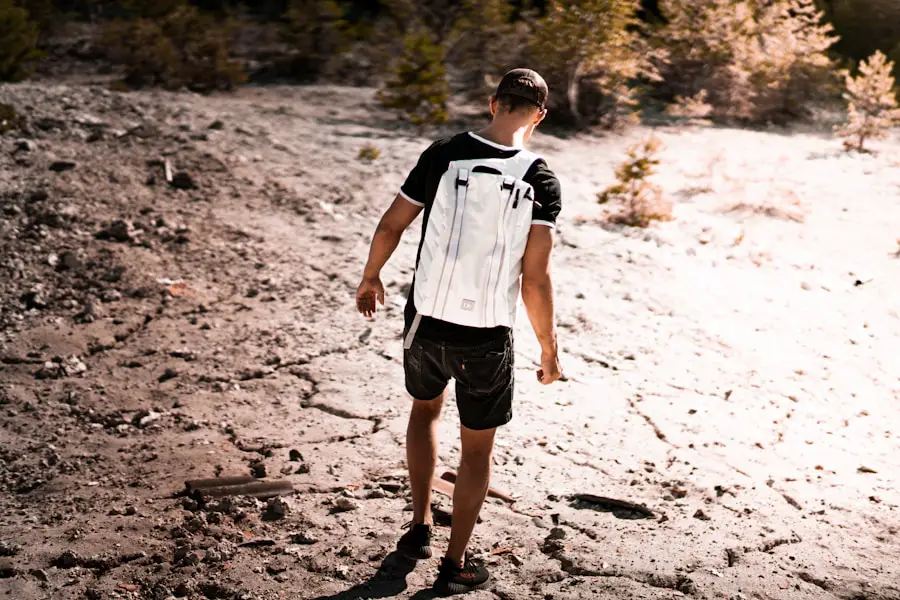
Summer hiking can mean blazing sun at the trailhead, humid forest shade, sudden rain, or a chilly summit a few hours later. The best hiking outfit keeps sweat moving away from your skin, protects you from sun and insects, and gives you enough flexibility to adjust as conditions change. Your clothing should match the weather, terrain, elevation, and length of the hike.
Quick Answer
For summer hiking, wear a lightweight moisture-wicking shirt, quick-drying shorts or pants, wool or synthetic socks, and trail shoes or hiking boots with reliable traction. Add a brimmed hat, UV-protective sunglasses, and sunscreen. Carry a light rain shell and an extra layer because mountain weather can change quickly.
Key Takeaways
- Choose lightweight, breathable clothing made from quick-drying synthetic fabrics or merino wool.
- Match your footwear to the trail instead of assuming heavy hiking boots are always necessary.
- Use a hat, sunglasses, protective clothing, and broad-spectrum sunscreen for sun protection.
- Carry enough water and food for the route, weather, and expected hiking time rather than relying on a fixed daily water rule.
- Carry navigation, first aid, illumination, emergency shelter, and other essentials even on a summer day hike.
Disclosure: As an Amazon Associate I earn from qualifying purchases. Some links on this page are affiliate links, at no extra cost to you.
What to Wear Hiking in Summer: Head-to-Toe Checklist
Summer Hiking Shirt
A lightweight synthetic or merino-wool hiking shirt is a strong all-around choice. These fabrics handle moisture better than a heavy cotton shirt and usually dry faster after sweating or getting caught in rain.
A short-sleeved shirt can feel cooler on shaded trails. On exposed trails, a loose long-sleeved shirt or sun hoodie can reduce direct sun exposure while still allowing airflow. Clothing with a UPF rating provides a measured level of ultraviolet protection, but ordinary tightly woven clothing can also help cover the skin.
Shorts or Hiking Pants
Both can work. Lightweight shorts maximize airflow in hot conditions, while thin, quick-drying hiking pants provide more protection from sun, brush, ticks, and mosquitoes. Convertible pants are useful when a trail moves between exposed and wooded sections.
Avoid thick jeans for demanding summer hikes. Cotton absorbs water and sweat and tends to stay wet longer than many synthetic hiking fabrics. That can increase discomfort and become a bigger problem if temperatures fall.
Underwear and Chafing Control
Choose breathable, quick-drying underwear that fits without bunching. Seams and damp fabric can cause painful rubbing during long hikes, especially in hot or humid weather. On longer trips, anti-chafing balm can be useful on areas that commonly rub.
Socks and Footwear
Footwear should match the terrain. Rugged hiking boots can provide protection and support on rough, rocky trails, but lighter hiking shoes or trail-running shoes can work well on maintained trails where you do not need a heavy boot.
Look for a secure heel, enough toe room for descents, and an outsole with traction appropriate for the trail. Test your footwear before a long trip and wear the same type of socks you plan to hike in. Wool or synthetic hiking socks help manage moisture and reduce direct friction between your skin and footwear.
Pro Tip: Waterproof hiking footwear is useful on consistently wet, muddy, or cold trails, but it is not automatically the best summer choice. In hot conditions, breathable footwear can feel cooler and may dry faster after getting wet.
Clothing for Comfort and Protection
Even in summer, a simple layering system lets you respond to wind, rain, elevation changes, and cooler temperatures after sunset.
Base Layer: Moisture Management
Your hiking shirt is normally the base layer. Merino wool and synthetic fabrics such as polyester or nylon are common choices because they manage sweat and dry relatively quickly. Choose a comfortable fit that does not restrict movement.
Middle Layer: Insulation
A warm middle layer may seem unnecessary when you leave the trailhead on a hot afternoon, but conditions can change quickly in the mountains. A lightweight fleece or packable insulating jacket can add useful warmth during an unexpected delay, windy summit break, or sudden temperature drop.
Outer Layer: Weather Protection
Carry a lightweight rain shell when showers, storms, wind, or cooler conditions are possible. A breathable shell with an adjustable hood and ventilation can help protect you without adding excessive weight. Quick-drying hiking pants or shorts also make rain, sweat, and shallow water crossings easier to manage.
Note: “Summer” does not guarantee warm conditions. High elevations can be cold, windy, wet, or even wintry while valleys are hot. Check the forecast and trail alerts for the specific location before leaving.
Sun Protection
Sun protection matters on exposed summer trails. Ultraviolet radiation can cause sunburn and contributes to skin damage and skin-cancer risk. Heat illness is a separate hazard caused by heat stress and physical exertion, so summer hikers need to manage both sun exposure and overheating.
Long sleeves, lightweight pants, and a broad-brimmed hat can cover exposed skin. Sunglasses should protect against both UVA and UVB radiation. Current CDC travel sun-safety guidance recommends broad-spectrum SPF 30 or higher for travelers and emphasizes adequate application and reapplication.
Apply sunscreen to exposed areas such as your face, ears, neck, hands, and the tops of your feet. Reapply according to the product directions and after heavy sweating, swimming, or toweling off. Sunscreen should complement clothing and shade rather than replace them.
Hydration, Nutrition, and Hot-Weather Safety
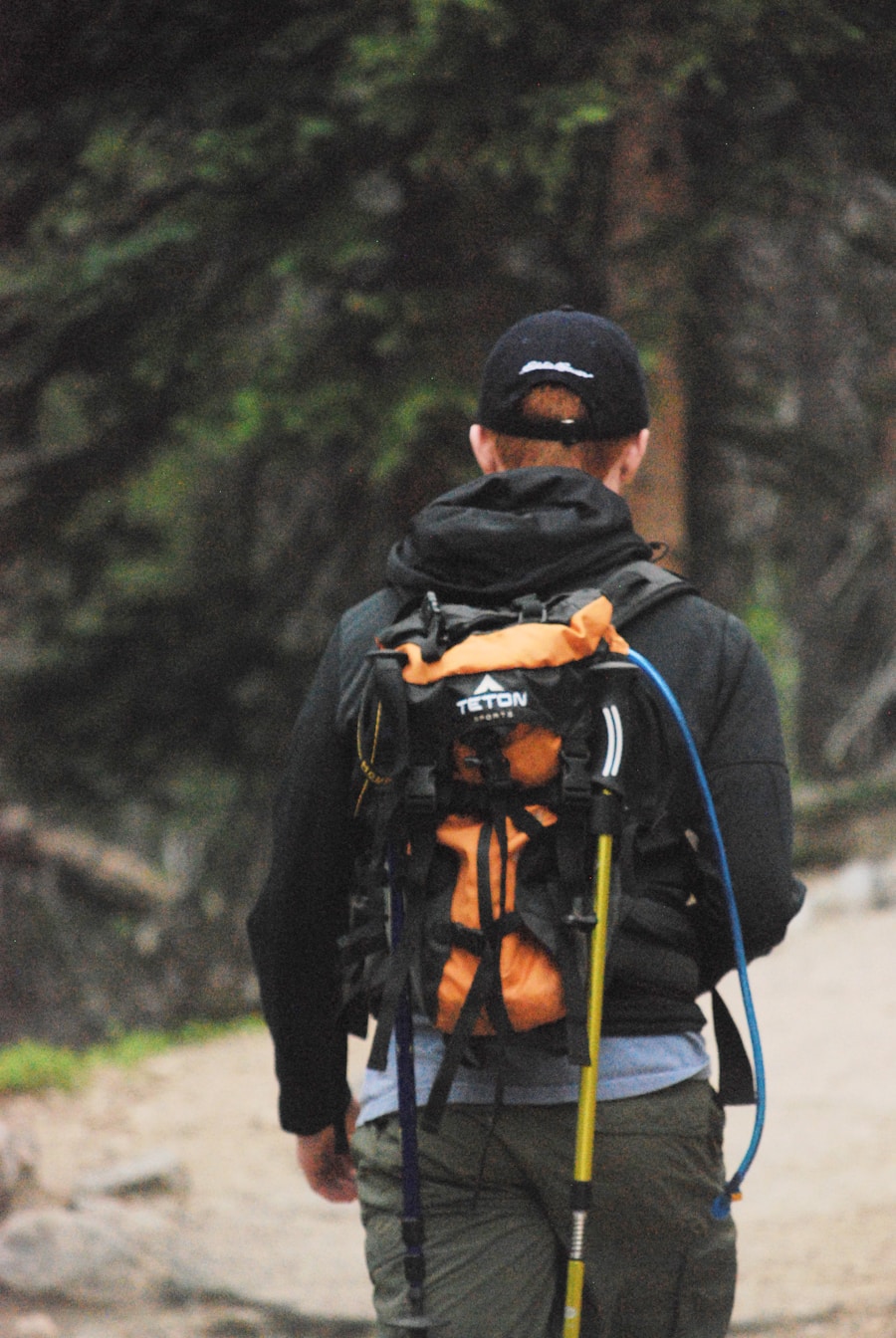
Summer hiking increases fluid needs, but there is no single “eight glasses per day” rule that can tell every hiker how much water to carry. Your needs change with temperature, humidity, elevation, exertion, hike duration, body size, and access to safe water.
| Planning Point | Hydration | Nutrition |
| Before the hike | Check route-specific water guidance and know where safe water is available. | Eat normally and pack more food than the minimum needed for the planned outing. |
| During the hike | Drink regularly, respond to thirst, and avoid forcing large amounts of water at once. | Use easy-to-eat foods such as fruit, trail mix, sandwiches, bars, nuts, or jerky. |
| Long, hot, sweaty hikes | Electrolyte-containing drinks or foods can help replace salts lost through prolonged heavy sweating. | Include carbohydrates for energy plus foods containing salt, protein, and fat as appropriate. |
As one useful location-specific reference, Great Smoky Mountains National Park currently lists at least 1 liter of water per two hours of hiking in its Ten Essentials guidance. That is not a universal prescription. Hotter, drier, longer, or more exposed hikes may require different planning, so follow guidance for the area you are actually visiting.
Electrolyte-containing drinks or salty foods can be useful during prolonged, sweaty activity. They should not be treated as a guaranteed way to prevent muscle cramps, and hikers should not force excessive amounts of either water or sports drinks.
Warning: Confusion, slurred speech, altered mental status, seizures, collapse, or loss of consciousness can signal heat stroke. Heat stroke is a medical emergency. Stop the activity, call 911 where service is available, move the person to a cooler or shaded place, remove unnecessary outer clothing, and begin rapid cooling while help is on the way. See the CDC/NIOSH heat-illness guidance.
For hot-weather hikes, start during a cooler part of the day when possible, reduce your pace, and take shade breaks. A route that feels easy in mild weather can become much harder in extreme heat.
Navigation and Safety Gear
Reliable navigation matters even on a day hike. A phone or GPS can be helpful, but batteries can die and electronics can fail. The National Park Service’s Ten Essentials recommends navigation tools and specifically advises carrying a physical map as a backup.
Before leaving, check the weather, trail conditions, closures, expected mileage, elevation gain, and sunset time. Tell someone where you are going and when you expect to return.
A whistle is a lightweight way to signal for help. A headlamp or flashlight should also go in the pack even when you expect to finish well before dark. Carry spare power or batteries appropriate to your equipment.
A small repair kit or multi-tool can be useful for damaged gear. Fire-starting equipment may also be part of an emergency kit, but always obey current fire restrictions and local regulations. In high-fire-risk areas, restrictions can prohibit fires or certain ignition sources.
Backpack and Gear Organization
A well-organized backpack makes essential gear easy to reach and keeps the load comfortable. Place dense or heavier items close to your back rather than letting them pull away from your center of gravity. Keep lighter or frequently used items where you can reach them without unpacking everything.
Dry bags or waterproof stuff sacks can protect clothing, electronics, and emergency supplies from rain. Keep sunscreen, snacks, a map, insect repellent, first-aid supplies, and a rain layer in predictable locations.
First Aid Kit
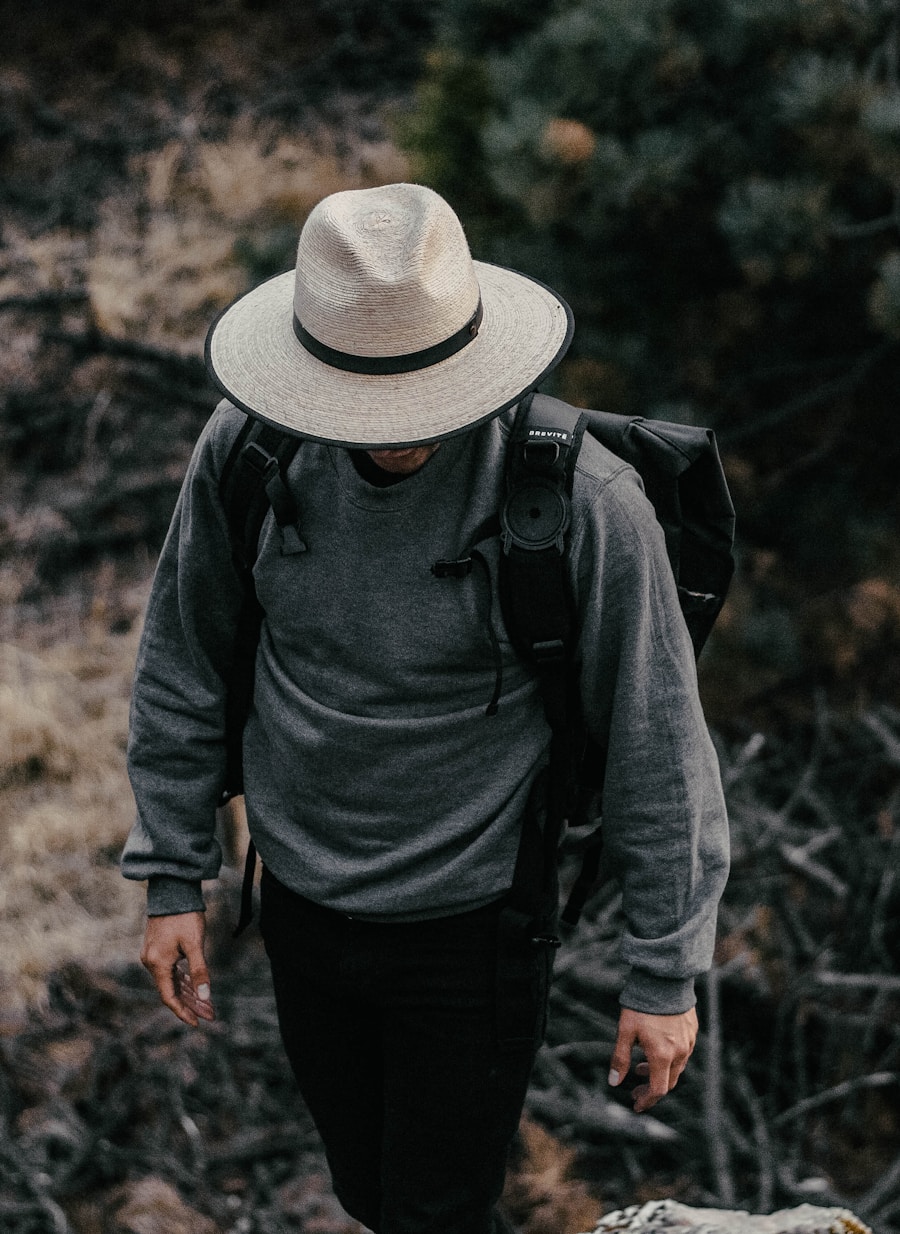
A summer day-hike first-aid kit should match the length of the outing, group size, environment, and your own medical needs. Useful basics include adhesive bandages, gauze, medical tape, antiseptic supplies, blister treatment, and any personal medication you may need.
The National Park Service recommends checking first-aid supplies for expiration and adapting a premade kit to your trip and medical needs. Do not carry items you do not know how to use and assume the kit alone makes an unsafe situation safe.
If ticks are present in the area, include fine-tipped tweezers. They can also serve other first-aid purposes.
Protect Yourself From Ticks and Mosquitoes
Summer clothing can also reduce exposure to biting insects. In wooded, brushy, or grassy areas, lightweight long pants and long sleeves provide more coverage than shorts and a sleeveless shirt.
The CDC recommends EPA-registered insect repellents for tick prevention. Clothing and gear may also be treated with products containing 0.5% permethrin when used according to the label. Permethrin intended for clothing and gear should not be applied directly to skin.
If you are using both sunscreen and insect repellent, CDC guidance recommends applying sunscreen first and repellent second. After hiking in tick habitat, check your clothing, equipment, pets, and body for ticks.
Additional Essentials
Clothing is only one part of summer hiking preparation. The National Park Service organizes its recommended Ten Essentials into navigation, sun protection, extra clothing, illumination, first aid, fire, repair tools, nutrition, hydration, and emergency shelter.
A portable phone charger or power bank can help keep a communication or navigation device working, but it should not replace a dedicated headlamp or physical navigation backup. Cell coverage may also be unavailable in backcountry areas.
A compact emergency blanket, tarp, or emergency bivvy can provide useful shelter if weather changes or an injury forces an unexpected stop. An extra layer is especially important in mountainous areas where temperatures can drop quickly.
Waterproof matches or a lighter can be useful where legal and appropriate, but check fire restrictions before your trip. A small notebook and pen can also be useful for recording route information, emergency details, or trail observations.
If Your Summer Hike Includes Overnight Camping
Day hikers usually do not need sleep equipment, but an overnight trip requires additional planning. If you already use CPAP therapy, arrange an appropriate power source and confirm that your equipment can be transported and operated safely at your campsite. This guide to the best travel CPAP machines covers portable options for travelers who need CPAP away from home. A CPAP device is a personal medical requirement, not a standard hiking essential for other hikers.
Love travel? Join Our Facebook Community For More Tips.
Frequently Asked Questions
What should I wear when hiking in the summer?
Wear a lightweight moisture-wicking shirt, quick-drying shorts or pants, wool or synthetic socks, and footwear suited to the terrain. Add a hat, UV-protective sunglasses, sunscreen, and a lightweight rain shell or extra layer in your pack.
What type of shirt is best for summer hiking?
A lightweight synthetic or merino-wool shirt is a practical choice because it handles moisture and dries relatively quickly. A long-sleeved sun shirt or sun hoodie adds coverage on exposed trails, while short sleeves can be comfortable on shaded routes.
What kind of pants are suitable for summer hiking?
Choose lightweight, flexible, quick-drying hiking pants. Long pants offer more protection from sun, brush, ticks, and mosquitoes. Shorts provide more airflow, so the best choice depends on the trail and conditions.
What type of footwear is recommended for summer hiking?
Wear trail shoes, hiking shoes, or hiking boots that fit securely and provide traction for the terrain. Heavy boots are not required for every hike. Waterproof footwear can help on consistently wet trails, while breathable footwear may be more comfortable in hot, dry weather.
What accessories should I consider for summer hiking?
Useful accessories include a brimmed hat, UV-protective sunglasses, sunscreen, moisture-wicking socks, insect repellent, a headlamp, and trekking poles when extra stability would help. Navigation, first aid, food, water, extra clothing, and emergency shelter also belong in your safety plan.
Are there special considerations for hot-weather hiking?
Yes. Hike during cooler hours when possible, lower your pace, take shade breaks, carry enough water for the route, and consider electrolyte replacement during prolonged heavy sweating. Stop immediately if heat-illness symptoms develop. Confusion, collapse, seizures, or altered mental status can indicate heat stroke and require emergency help.
Should I wear shorts or pants for summer hiking?
Shorts are cooler and provide excellent airflow, but lightweight long pants offer more sun, brush, mosquito, and tick protection. Choose based on the trail rather than temperature alone.
Is cotton okay for summer hiking?
Cotton can feel comfortable in casual hot-weather settings, but it absorbs moisture and dries slowly. For longer hikes, changing weather, or mountain environments, synthetic or merino-wool clothing is usually more practical because it manages moisture and dries faster.
How much water should I bring on a summer hike?
There is no universal amount for every hike. Plan for the expected duration, temperature, humidity, elevation, exertion, and availability of safe water. Check guidance for the specific trail or park and carry extra when a delay or hotter-than-expected conditions are possible.
Sources
- National Park Service — Ten Essentials — navigation, extra clothing, first aid, hydration, food, illumination, repair gear, and emergency shelter.
- Great Smoky Mountains National Park — Hiking — current hiking preparation, equipment, and park-specific water-planning guidance.
- CDC/NIOSH — Heat-Related Illnesses — heat exhaustion and heat-stroke symptoms and emergency response.
- CDC Yellow Book — Sun Exposure in Travelers — sunscreen, clothing, sunglasses, shade, and UV-protection guidance.
- CDC — Preventing Tick Bites — repellents, protective clothing, permethrin-treated gear, and tick checks.
