Last Updated on July 27, 2026 by Daniel Globe
Hiking boots can work with far more than trail pants and a rain jacket. The best outfits start with the same rule as a good hike: choose footwear that fits your feet and matches the conditions, then build the look around it. A rugged backpacking boot, lightweight hiking shoe, and sleek trail-inspired shoe each create a different silhouette.
Style matters, but it should never override grip, fit, weather protection, or comfort when you are actually heading onto a trail. Once those basics are covered, hiking boots are easy to pair with outdoor layers, jeans, cargo pants, streetwear, and even some smart-casual outfits.
Quick Answer
To style hiking boots, match the boot’s bulk and color to the rest of the outfit. Pair rugged boots with straight or relaxed pants, slimmer hiking shoes with tapered pants or jeans, and neutral boots with simple layers. For real hikes, choose footwear for fit, terrain, weather, and traction before considering appearance.
Key Takeaways
- Choose hiking boots for the terrain, weather, load, and fit before choosing them for color or style.
- Straight-leg pants, cargo pants, tapered hiking pants, jeans, and leggings can all work with hiking footwear when the proportions match the boot.
- Hiking socks, gaiters, hats, and practical bags can add both function and visual interest.
- For streetwear, keep one or two technical pieces as the focus instead of making every item oversized or highly detailed.
- Seasonal styling should account for heat, rain, cold, snow, and ice rather than simply changing colors.
- Clean and dry hiking boots correctly so they continue to look good and perform as intended.
At a Glance
| Time Required | About 5–10 minutes to build an outfit from clothes you already own |
| Difficulty | Easy |
| Tools Needed | Hiking boots, suitable socks, weather-appropriate clothing, and optional gaiters or accessories |
| Cost | Potentially $0 when styling boots with clothing you already own |
Disclosure: As an Amazon Associate I earn from qualifying purchases. Some links on this page are affiliate links, at no extra cost to you.
Choose the Right Hiking Boots Before Styling Them
The type of footwear should match how and where you plan to use it. Lightweight hiking shoes can work well for many maintained trails and everyday outfits, while heavier backpacking boots typically use stiffer midsoles and more substantial uppers for demanding trips and heavier loads. The REI hiking footwear guide recommends considering boot type, construction, and fit together rather than choosing by appearance alone.
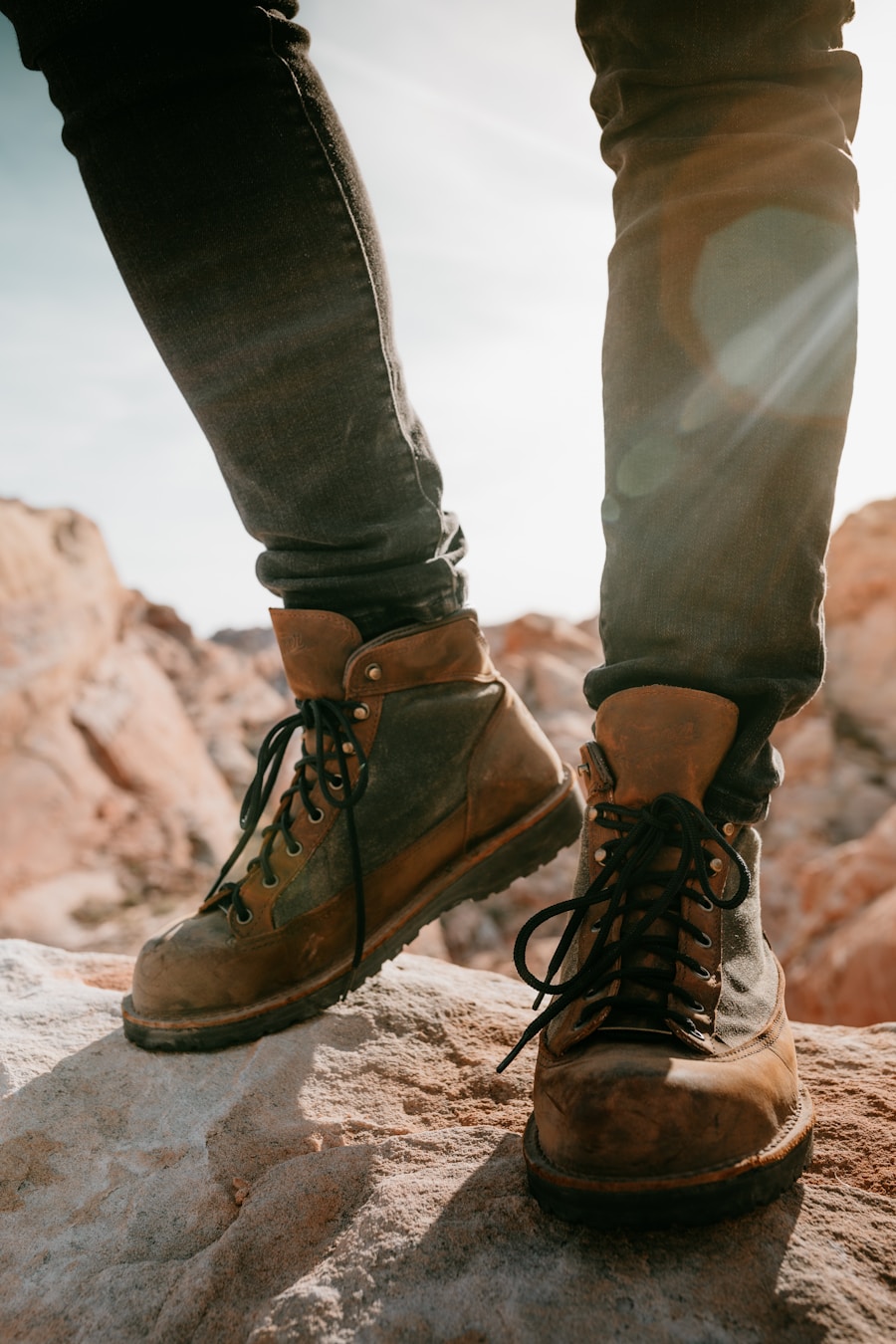
For a rugged look, leather or substantial synthetic boots in brown, tan, gray, olive, or black pair naturally with outdoor clothing. Sleeker hiking shoes and trail-inspired footwear work more easily with tapered pants, joggers, and modern streetwear. Bright footwear can also work, but it usually looks cleaner when the rest of the outfit uses simpler colors.
Get the Fit Right First
A stylish boot is useless if it hurts. Hiking footwear should feel secure without squeezing your foot. Your toes need enough space to move, and your heel should remain reasonably stable while walking. Try boots with the type of socks you expect to wear and pay attention to length, width, and overall foot volume.
Pro Tip: Build outfits around the hiking boots that already fit you well instead of buying an uncomfortable pair only because the color or silhouette is fashionable.
Pair Hiking Boots With Fashionable Outdoor Clothing
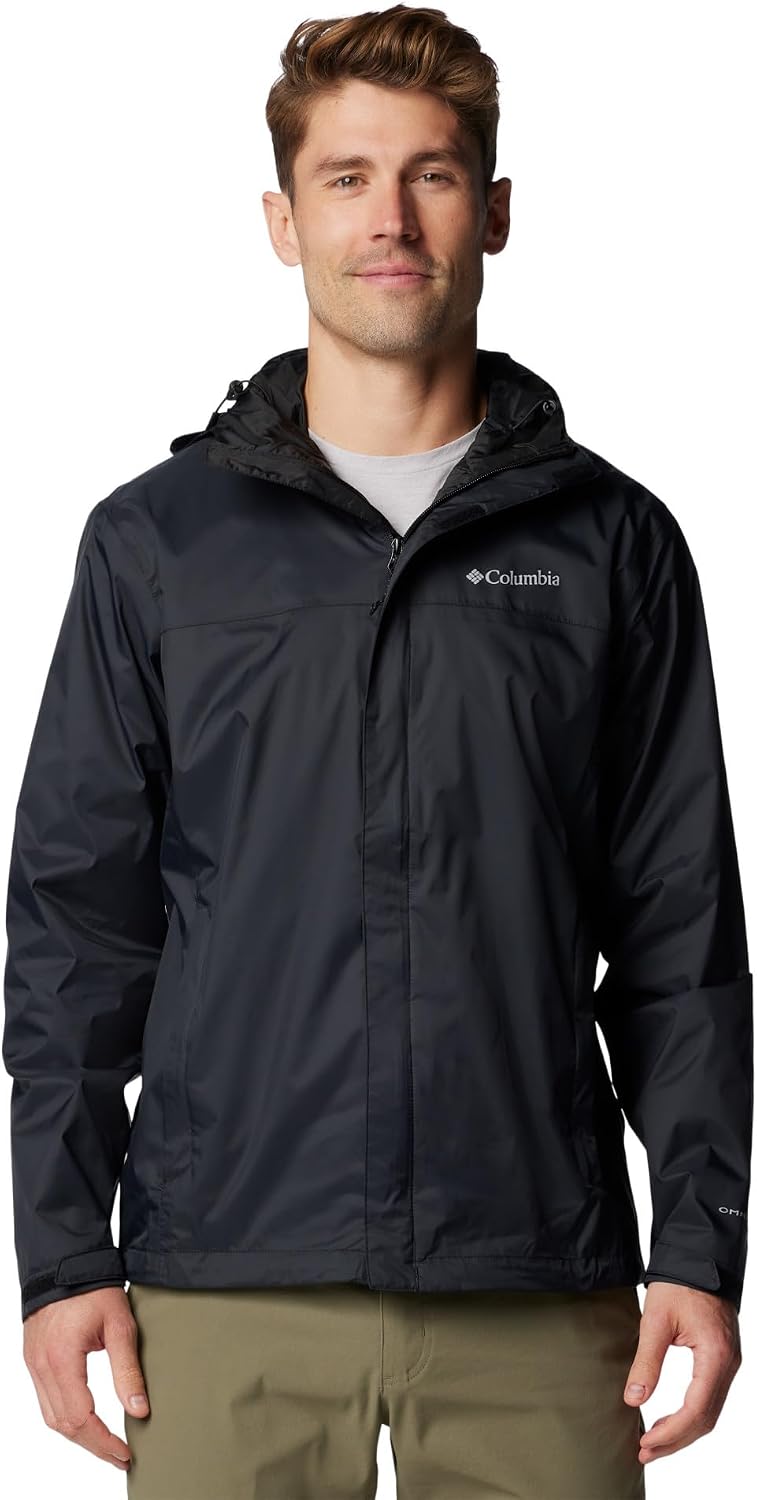
Modern outdoor clothing makes it easy to combine trail function with a clean everyday look. Start with layers that suit the weather. A moisture-managing base layer, insulating layer when needed, and protective outer layer give you flexibility as temperatures change. The National Park Service hiking guidance also recommends carrying extra clothing layers because conditions can change quickly.
For pants, choose a cut that balances the size of the boot. Substantial mid- and high-cut boots usually look best with straight-leg hiking pants, relaxed cargo pants, or jeans that have enough opening to sit naturally over the shaft. Slimmer hiking shoes work well with tapered technical pants, joggers, leggings, and narrower jeans.
Match the Pant Hem to the Boot Height
The hem is one of the easiest ways to make a hiking-boot outfit look intentional. With a tall boot, let straight pants fall over the shaft or stop just above the top. With leggings or close-fitting hiking pants, the boot can remain fully visible.
Avoid forcing a very narrow pant leg over a bulky boot. The fabric may bunch around the ankle and make both the pants and footwear look larger. A slight cuff can work with casual jeans, but keep it small enough that it does not expose a large gap between the pants and boot.
Add Accessories to Elevate Your Hiking Boot Look
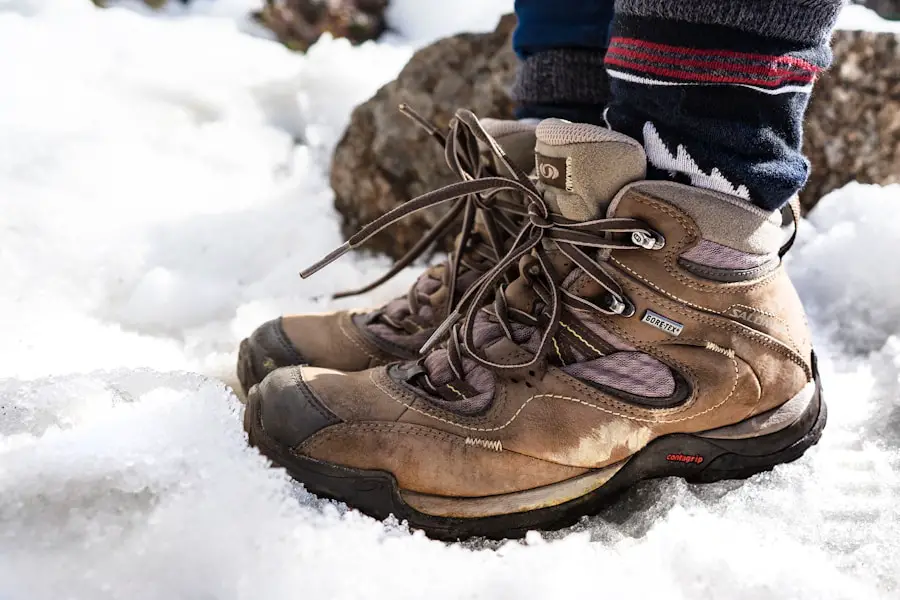
Accessories work best when they solve a real problem as well as adding detail. A brimmed hat provides sun coverage, while a beanie can add warmth in cool weather. Backpacks and crossbody bags can introduce color without competing with the boots.
Socks deserve special attention. Wool and synthetic hiking socks are common choices because they manage moisture and dry more effectively than many everyday cotton socks. The National Park Service Hike Smart guidance recommends thick wool or synthetic socks for longer hikes.
Choose a sock height that reaches above the boot collar so the edge of the boot does not rub directly against your skin. A small amount of visible sock can also create an intentional layered look with shorts, cropped pants, or leggings.
Note: Gaiters are useful when you need extra protection from snow, mud, loose debris, or wet vegetation. On a real hike, choose them for the conditions rather than treating them only as a fashion accessory.
Mix Hiking Boots With Streetwear
Technical outdoor footwear has moved well beyond trail-only wardrobes, and hiking-inspired shoes are now regularly paired with casual city clothing. The easiest way to make the combination work is to balance the boot’s technical shape with familiar streetwear pieces rather than stacking too many outdoor details at once.
| Streetwear Piece | How to Pair It With Hiking Boots |
| Relaxed jeans | Use with substantial leather or technical boots and let the hem fall naturally over the shaft. |
| Cargo pants | Match with mid-cut or rugged boots for an outdoor-inspired look without needing extra technical pieces. |
| Tapered joggers | Best with lower-profile hiking shoes or trail-inspired sneakers so the ankle does not become bulky. |
| Oversized hoodie | Keep the pants cleaner or more tapered so the entire outfit does not become oversized. |
| Graphic T-shirt | Use neutral boots when the shirt is already the main visual focus. |
Relaxed jeans, cargo pants, or tapered joggers are easy starting points. Add a graphic T-shirt, hoodie, fleece, or lightweight bomber jacket depending on the weather. Sunglasses, a cap, or a compact bag can finish the look without making the outfit feel overloaded.
A good rule is to let one technical feature stand out. If your boots have bright panels, aggressive lugs, and several contrasting materials, keep the pants and outerwear quieter. If your boots are plain brown or black, you have more freedom to use stronger colors elsewhere.
Style Hiking Boots for Different Seasons
Spring and Summer
Warm-weather hiking-boot outfits should prioritize ventilation and comfort. Lightweight hiking pants, shorts, and breathable tops work well with hiking shoes and lighter boots. With shorts, crew-height hiking socks can create a deliberate outdoor look while also protecting the skin around the boot collar.
For casual wear away from the trail, lighter colors and lower-profile footwear can make hiking shoes feel less heavy. Waterproof footwear may be useful in wet conditions, but do not assume every hiking boot is waterproof.
Fall
Fall is one of the easiest seasons for hiking-boot outfits. Straight jeans, cargo pants, flannel shirts, fleece layers, sweaters, and lightweight insulated jackets naturally match the visual weight of rugged footwear.
Earth tones such as olive, rust, brown, charcoal, tan, and navy work especially well with leather and suede-style outdoor footwear, but matching every item is unnecessary. Two or three related colors usually look cleaner than one color from head to toe.
Winter
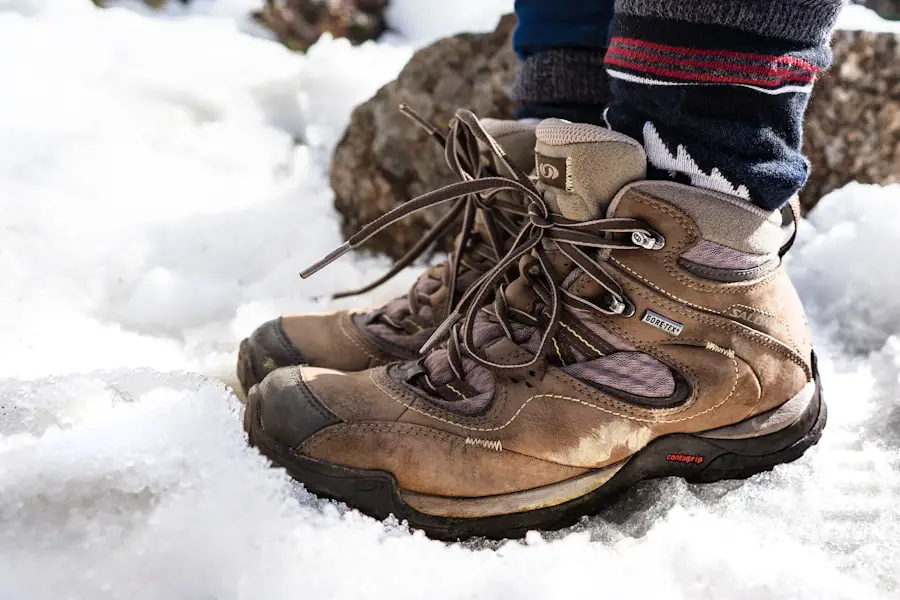
For everyday winter wear, pair hiking boots with heavier pants, warm socks, insulated outerwear, gloves, and a beanie. For actual winter hiking, appearance comes second to conditions. Waterproof footwear, gaiters, warm layers, and suitable traction may be necessary.
Warning: Hiking boots alone do not provide enough grip for every snowy or icy trail. The National Park Service winter hiking guidance recommends checking conditions and using appropriate over-the-shoe traction on ice and snow when needed.
Incorporate Hiking Boots Into Casual and Smart-Casual Outfits
For an everyday outfit, combine hiking boots with straight jeans or chinos and a simple T-shirt, overshirt, sweater, or casual jacket. Neutral brown, black, gray, and dark green boots are particularly easy to repeat across different outfits.
Hiking boots can also work in some smart-casual settings. Try a clean, low-profile pair with tailored trousers, a fitted knit, structured coat, or casual blazer. The boots should be clean and relatively streamlined rather than heavily scuffed or built like technical mountaineering footwear.
For skirts and casual dresses, mid-height boots can create a stronger outdoor-inspired contrast. Keep the rest of the outfit simple so the footwear looks intentional rather than accidental.
For genuinely formal events with a traditional dress code, hiking boots are usually not a substitute for dress footwear. Save them for casual and smart-casual settings where rugged footwear fits the environment.
Should You Tuck Pants Into Hiking Boots?
For everyday style, most straight or relaxed pants look cleaner falling over the boot or stopping near the top of the shaft. Leggings and slim technical hiking pants can sit inside or above a boot naturally.
On the trail, tucking may make sense when you are trying to manage mud, snow, insects, or loose debris, but gaiters often provide more purpose-built coverage. Let function decide first.
Common Hiking Boot Styling Mistakes
- Choosing looks over fit: A trendy boot that pinches, slips, or creates pressure points is a poor choice for hiking.
- Pairing very narrow pants with bulky boots: This creates bunching at the ankle and makes the footwear look disproportionately large.
- Using too many technical pieces at once: A heavily detailed boot, cargo pants, technical vest, large pack, and bright shell can compete for attention.
- Ignoring the weather: A good-looking outfit is not enough protection for rain, cold, snow, or extreme heat.
- Assuming every boot is waterproof: Construction varies. Check the manufacturer’s specifications for your exact footwear.
- Wearing dirty trail boots to a smart-casual setting: Clean the uppers and soles before using trail footwear as part of a polished outfit.
Maintain and Clean Hiking Boots to Keep Them Looking Sharp
Regular care helps hiking boots look better and can extend their usable life. Mud, grit, and moisture should not be left on the footwear indefinitely.
- Remove the laces and insoles when appropriate. This makes it easier to clean around the tongue and lets moisture escape.
- Brush away loose dirt. Use a soft footwear brush or cloth, paying attention to seams and outsole lugs.
- Clean according to the boot material. Use lukewarm water and a cleaner approved for the footwear. Leather, suede, nubuck, synthetics, and waterproof membranes may have different requirements.
- Air-dry the boots. Keep them away from fireplaces, radiators, hot cars, and other direct heat sources that can damage leather or adhesives.
- Restore water repellency when needed. Use a treatment designed for the specific material and follow the footwear manufacturer’s instructions.
- Store them dry. A ventilated, moderate-temperature storage area is better than a damp basement, hot vehicle, or unventilated container.
The GORE-TEX footwear-care instructions recommend brushing away dirt, using lukewarm water, drying at moderate temperatures, and avoiding direct heat. They also recommend restoring durable water repellency when water no longer beads on applicable footwear.
For leather hiking boots, follow the boot manufacturer’s instructions before applying conditioner, wax, or waterproofing products. LOWA’s care guidance, for example, explains that leather and synthetic footwear require different treatment steps and warns against inappropriate oils and greases.
Pro Tip: Stuffing damp boots loosely with newspaper can help absorb moisture and maintain their shape. Replace the paper as it becomes damp, and still allow plenty of airflow around the boots.
Balance Hiking Boot Function and Fashion
The easiest way to style hiking boots is to respect what they were designed to do. Their tread, structure, protective uppers, and trail-focused materials give them a stronger visual presence than ordinary sneakers. Instead of hiding that character, balance it with simple pieces that match the boot’s shape.
Rugged boots pair naturally with straight pants, outdoor layers, denim, and cargo styles. Sleeker hiking shoes work well with tapered trousers, modern streetwear, and everyday casual clothing. Color can be subtle or bold, but fit and intended use should remain the first priorities whenever the footwear is going onto a real trail.
The best hiking-boot outfit is one that still works when the weather changes, the ground gets rough, or the walk lasts longer than expected.
Once your footwear and clothing are sorted, the rest of your outdoor setup matters too. This existing guide to 5 Must-Have Portable Camping Stoves for Your Spring 2025 Adventures covers another piece of practical camping equipment for outdoor trips.
Love travel? Join Our Facebook Community For More Tips.
Frequently Asked Questions
What are hiking boots?
Hiking boots are outdoor footwear designed for walking on trails and uneven terrain. Depending on the model, they can provide rugged outsoles, protective uppers, cushioning, underfoot support, and mid- or high-cut coverage. Hiking footwear ranges from lightweight shoes to heavier backpacking and mountaineering boots.
How should hiking boots fit?
Hiking boots should feel secure without squeezing your feet. Your toes need room to move, and the heel should not slide excessively as you walk. Try boots with the socks you expect to wear and check the fit while standing and walking rather than judging them only while seated.
How do you style hiking boots?
Match the proportions of the outfit to the boot. Rugged boots work well with straight jeans, cargo pants, hiking pants, and substantial outer layers. Sleeker hiking shoes pair easily with tapered pants, joggers, leggings, and streetwear. Neutral footwear offers the most flexibility, while colorful boots look best when the rest of the outfit is simpler.
Can hiking boots be worn for everyday use?
Yes. Hiking boots can work for casual everyday wear when they are comfortable and suit the weather and outfit. Keep in mind that heavy backpacking or mountaineering boots may feel bulky for ordinary city walking compared with lighter hiking shoes.
Can you wear hiking boots with jeans?
Yes. Straight, relaxed, and tapered jeans can all work with hiking boots. Straight or relaxed jeans are easiest with bulky boots because the hem can fall naturally over the shaft. Slimmer jeans generally pair better with lower-profile hiking shoes or less bulky boots.
Should hiking pants go over or inside hiking boots?
Either can work. Straight hiking pants commonly sit over the boot, while leggings and close-fitting technical pants may sit inside or just above it. For mud, snow, or loose trail debris, gaiters can provide more reliable coverage than simply tucking pants into the boots.
Can you wear hiking boots in summer?
Yes, but choose footwear appropriate for the temperature, terrain, and conditions. Lightweight hiking shoes and breathable socks may feel more comfortable in hot weather than heavy insulated boots. For demanding trails, however, traction, protection, and fit remain more important than appearance.
How do you care for hiking boots?
Brush off dirt, clean the footwear with products suitable for its materials, and allow it to dry naturally away from direct heat. Waterproof or condition the footwear only with treatments recommended for the specific leather, synthetic material, or waterproof membrane. Store clean, dry boots in a ventilated area.
Sources
- REI Co-op — How to Choose Hiking Boots and Shoes — footwear types, intended use, construction, and hiking-boot fit.
- National Park Service — Hike Smart — suitable hiking footwear, socks, equipment, and general trail preparation.
- National Park Service — Winter Hiking Tips — winter footwear, gaiters, warm clothing, snow, ice, and traction guidance.
- GORE-TEX — Footwear Care Instructions — cleaning, drying, and restoring water repellency on applicable footwear.
- LOWA — Hiking Boot Care Tips — leather care, waterproofing, drying, storage, and material-specific maintenance.