
Last Updated on July 27, 2026 by Daniel Globe
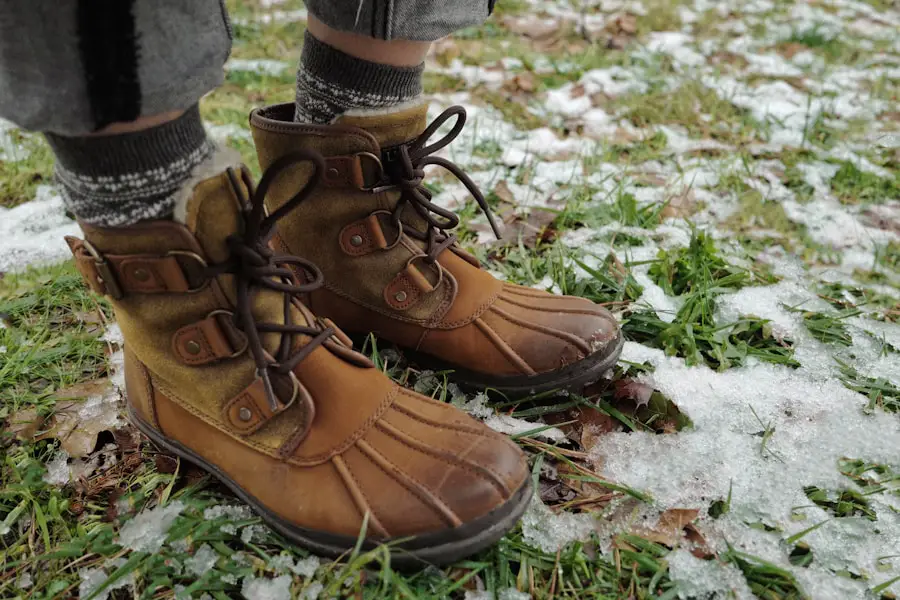
The right hiking footwear should protect your feet, grip the trail, and stay comfortable for the distance you plan to walk. That does not mean every hiker needs a traditional hiking boot. A well-fitting trail runner, hiking shoe, or boot can all work depending on the terrain, weather, pack weight, pace, and the amount of protection you prefer.
Quick Answer
No, hiking boots are not necessary for every hike. Trail runners or hiking shoes can work well on maintained trails and in warm weather. Boots become more useful on rough, rocky, muddy, snowy, or cold terrain, when you want more underfoot protection, or when your route calls for sturdier footwear.
Key Takeaways
- Hiking boots are useful but are not mandatory for every trail.
- Choose footwear according to terrain, weather, fit, distance, pack load, and the protection you need.
- Boots generally provide more coverage, stiffness, durability, and protection, while trail runners are usually lighter and more breathable.
- A higher boot collar can mechanically support the ankle, but no shoe can guarantee that you will avoid an ankle sprain.
- Fit matters more than the label on the shoe. Poorly fitting boots can cause just as many problems as poorly fitting trail runners.
Disclosure: As an Amazon Associate I earn from qualifying purchases. Some links on this page are affiliate links, at no extra cost to you.
Are Hiking Boots Actually Necessary?
Hiking boots are not universally necessary. The best choice depends on where and how you hike. The National Park Service, for example, recommends sturdy rubber-soled hiking boots with ankle support for dirt and gravel trails while noting that ordinary athletic shoes can be appropriate for paved urban paths.
That distinction is important. A smooth nature trail, steep scree slope, muddy forest path, paved overlook, and snowy mountain route place very different demands on footwear.
For an easy day hike on a maintained trail, a grippy trail-running shoe or hiking shoe may provide all the traction and protection you need. On rough terrain, a sturdier boot can provide more protection from rocks, roots, mud, snow, and repeated impacts.
Note: Some parks or individual trails have terrain-specific footwear recommendations. Check current trail conditions and park guidance before assuming that footwear suitable for one hike will be appropriate for another.
Types of Footwear for Different Outdoor Adventures
Outdoor footwear ranges from flexible trail runners to rigid mountaineering boots. Each type trades weight, protection, flexibility, durability, breathability, and weather resistance differently.
Hiking Boots
Hiking boots are designed for walking on unpaved terrain. Many models use deeper outsole lugs, protective toe areas, supportive midsoles, and higher collars than ordinary athletic shoes. Waterproof versions are also common.
Boots are especially useful when the trail is rough, muddy, rocky, cold, or covered in loose debris. Their stronger uppers also protect the sides and tops of the feet better than thin running shoes.
Hiking Shoes
Hiking shoes sit between boots and trail runners. They usually have low-cut collars but use trail-oriented outsoles and more protective uppers than ordinary road-running shoes. They can be a good choice for day hikes, warm weather, moderate terrain, and hikers who want protection without a full-height boot.
Trail Running Shoes
Trail running shoes are normally lighter and more flexible than traditional boots. They are built for faster movement and often provide good breathability, cushioning, and trail-specific traction.
They can work very well for hiking on established trails, especially when the hiker prefers lighter footwear. Their main tradeoffs are usually less upper-foot protection, less stiffness underfoot, and, depending on the model, less durability than a heavy hiking boot.
Approach Shoes
Approach shoes combine walking comfort with features borrowed from climbing footwear. Many use relatively sticky rubber and protective uppers that work well on rock. They are useful for hikers and climbers approaching scrambling or climbing routes, although their fit and tread may feel less comfortable on long muddy trails than a conventional hiking shoe.
Mountaineering Boots
Mountaineering boots are more specialized. They are typically stiffer than normal hiking boots and may be designed for crampon compatibility, snow, ice, alpine climbing, or very cold conditions. Some models are insulated, while others emphasize climbing precision and rigidity rather than warmth.
A mountaineering boot is usually unnecessary for an ordinary hiking trail.
Water Shoes and Hiking Sandals
Water shoes and outdoor sandals can drain quickly and can be useful around rivers, paddling routes, beaches, and other water-based activities. Some hikers also like sandals in hot conditions.
However, open footwear exposes the toes and sides of the feet to rocks, sticks, and other hazards. General NPS hiking guidance advises against open-toed shoes for normal hiking, so sandals are best reserved for routes and activities where their limitations are acceptable.
Advantages and Disadvantages of Hiking Boots
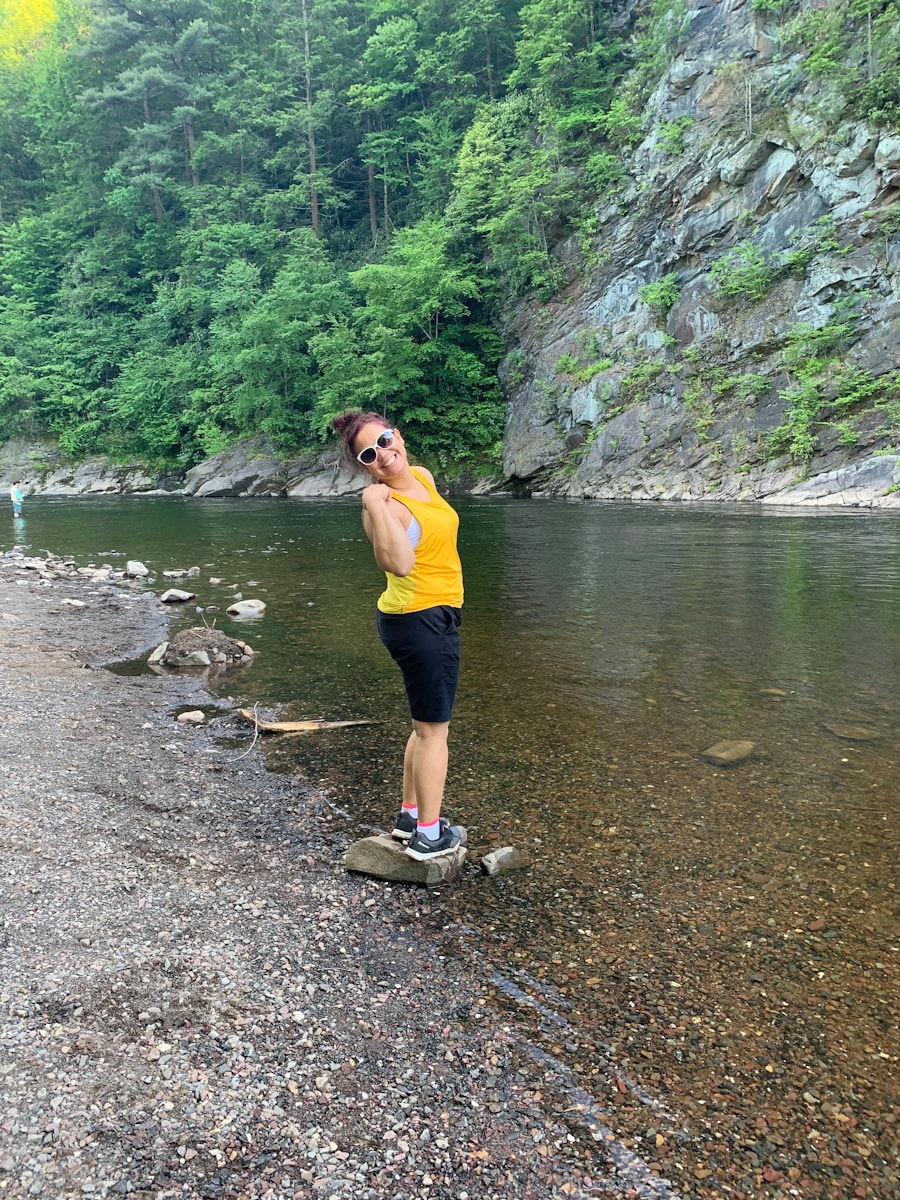
Hiking boots remain popular because they offer a useful combination of protection, traction, durability, and underfoot structure.
Advantages of Hiking Boots
More protection: Thicker uppers, reinforced toe areas, and firmer midsoles can protect the foot from rocks, roots, brush, and repeated contact with rough terrain.
More structure: Stiffer soles can make repeated steps over sharp rocks and uneven ground more comfortable, especially when compared with very flexible footwear.
Higher collars: A higher collar can mechanically restrict some ankle movement. A 2026 biomechanics study found that high-top shoes reduced ankle inversion angles and velocities during simulated sudden inversion. However, that does not prove that every hiking boot prevents ankle sprains in real-world hiking conditions.
Weather protection: Waterproof boots can be useful in cold rain, mud, shallow snow, and other situations where keeping external moisture out is important. At Mount Rainier National Park, NPS guidance specifically recommends waterproof footwear with some insulation when hiking in snow or rain.
Disadvantages of Hiking Boots
More weight: Traditional boots are often heavier than hiking shoes or trail runners. Research on heavy footwear has shown that weight carried on the feet can raise the physiological cost of walking, although the exact effect varies with footwear, speed, body size, and conditions.
Less breathability: Thick uppers and waterproof membranes can make some boots warmer and slower to release internal moisture than highly ventilated trail shoes.
Longer drying time: Once water gets inside a waterproof boot, it may take longer to dry than a thin mesh trail shoe.
Possible break-in period: Stiff leather or heavily structured boots may become more comfortable after gradual use. Modern lightweight boots may require little break-in, though. A boot that pinches, crushes the toes, or causes significant heel movement is a fit problem, not something you should assume will disappear with time.
Boot height can provide mechanical ankle support, but the best defense against trail problems is still the combination of appropriate footwear, good fit, suitable traction, careful foot placement, and hiking within your abilities.
What Ankle Support Can and Cannot Do
“Ankle support” is one of the most common reasons people choose hiking boots, but it deserves a more precise explanation.
A supportive collar can restrict some ankle movement. Laboratory evidence supports that mechanical effect. At the same time, clinical research on whether high-top shoes consistently prevent ankle sprains has been mixed.
That means a higher boot may feel more stable and may provide useful mechanical resistance, but it should not be treated as an ankle brace or an injury-proofing device.
Warning: Do not rely on a boot collar to make terrain safe that is beyond your experience or ability. Loose rock, slippery roots, snow, ice, fatigue, and poor footing can still cause falls and ankle injuries.
Considerations for Choosing the Right Footwear
| Consideration | Importance |
| Comfort | High — discomfort on a short fitting session often becomes worse over long miles. |
| Support | High — match sole stiffness and upper structure to the terrain and load. |
| Fit | High — your heel should feel secure while your toes have room to move. |
| Material | Medium — leather, synthetics, mesh, and waterproof membranes have different durability and ventilation tradeoffs. |
| Activity | High — casual walking, trail running, backpacking, scrambling, and mountaineering require different footwear. |
| Price | Medium — fit and suitability matter more than simply buying the most expensive boot. |
Fit should come first. Hiking footwear should feel secure without squeezing the foot. Your heel should not lift excessively, and your toes should have enough room that they do not repeatedly strike the front of the shoe during descents.
Try footwear with the socks you actually plan to hike in. Pay attention to width and overall foot volume as well as nominal shoe size. A model that works well for a narrow foot may feel completely different on a wide foot or a high-volume forefoot.
Terrain comes next. Firmer midsoles and more protective uppers can be helpful on sharp rock and broken ground. Lighter footwear may be more comfortable on maintained dirt paths and smooth trails.
Also consider the load you carry. There is no universal backpack weight at which every hiker suddenly needs boots. Instead, consider how stable and comfortable you feel with your normal pack on the terrain you expect to encounter.
Pro Tip: Test new footwear on stairs, an incline, or a store ramp when possible. Your toes should not slam into the front on the way down, and your heel should remain reasonably secure on the way up.
Hiking Boots vs. Hiking Shoes vs. Trail Runners
| Footwear Type | Best Fit for the Situation |
| Hiking boots | Rough trails, loose rock, mud, colder conditions, brush, or hikers wanting more coverage and underfoot structure. |
| Hiking shoes | Day hikes and moderate trails where you want hiking-oriented grip and protection without a high collar. |
| Trail runners | Maintained trails, warm conditions, fast hiking, and hikers who prioritize lower weight and flexibility. |
Waterproof vs. Breathable Hiking Footwear
Waterproof footwear is helpful, but it is not automatically the best choice whenever water is present.
A waterproof membrane can help keep rain, shallow mud, and wet vegetation from soaking your socks. That can be valuable in cold conditions, where wet feet can become uncomfortable quickly.
The tradeoff is ventilation. Waterproof footwear can retain more heat and internal moisture than highly breathable mesh footwear. Water that enters over the collar can also be slow to escape.
For repeated stream crossings or warm, humid hiking, some hikers prefer non-waterproof shoes that drain and dry more quickly. For cold rain, snow, or prolonged exposure to wet vegetation, waterproof boots may make more sense.
The goal is not simply to keep outside water away from your feet. It is to manage total moisture inside your footwear.
Blister Prevention and Sock Moisture
Blisters are usually the result of repeated friction and shear on the skin, and footwear fit is only one part of the problem. Moisture also matters.
A 2022 study of long-distance hikers found that finishing the day with wet socks was associated with a higher risk of foot blisters. A separate systematic review found that the evidence behind many popular blister-prevention strategies is weaker than people often assume.
Practical steps include wearing footwear that fits correctly, keeping socks as dry as conditions allow, changing wet socks on long hikes, addressing hot spots before they become painful, and avoiding seams or pressure points that repeatedly rub the same area.
The National Park Service also recommends wool or synthetic moisture-managing socks for longer hikes and carrying an extra pair.
Alternatives to Hiking Boots for Outdoor Activities
Trail running shoes are one of the most common alternatives to hiking boots. Their lighter weight and flexibility suit hikers who prefer a quicker pace or simply dislike bulky footwear.
A trail runner with a suitable outsole can provide strong grip on many established trails. However, outsole design varies widely, so a shoe designed for smooth dry paths should not automatically be treated as equivalent to one designed for deep mud or technical rock.
Approach shoes are another useful alternative. Their sticky rubber and protective construction can work particularly well for rocky approaches and scrambling, although they may not be ideal for every long-distance hiking route.
Outdoor sandals and water shoes can be comfortable around rivers and in hot weather, but their reduced coverage is an important limitation. Closed-toe trail footwear offers more protection from rocks, sticks, and trail debris.
Choosing Footwear for Specific Trail Conditions
Maintained Dirt Trails
Trail runners, hiking shoes, and lightweight boots can all work. Prioritize fit and tread appropriate for the surface.
Rocky or Root-Filled Trails
Look for a grippy outsole and enough underfoot protection that sharp rocks do not become painful after repeated steps. Boots and protective hiking shoes are often useful here.
Mud
Deeper, widely spaced lugs can shed mud better than shallow road-style tread. A higher upper may also keep mud and debris out more effectively.
Snow and Ice
Cold-weather routes may require waterproof footwear, insulation, and traction devices appropriate for the conditions. Ordinary hiking boots are not substitutes for technical mountaineering footwear where crampons, glacier travel, or climbing equipment are required.
Water Crossings
For frequent shallow crossings in warm weather, quick-draining footwear can be practical. Swift or deep water is primarily a route-safety problem rather than a footwear problem; turn around when a crossing is unsafe.
Scrambling and Technical Rock
Approach shoes or hiking footwear with precise edging and sticky rubber may offer better control than soft shoes designed mainly for running.
Tips for Properly Caring for Hiking Boots
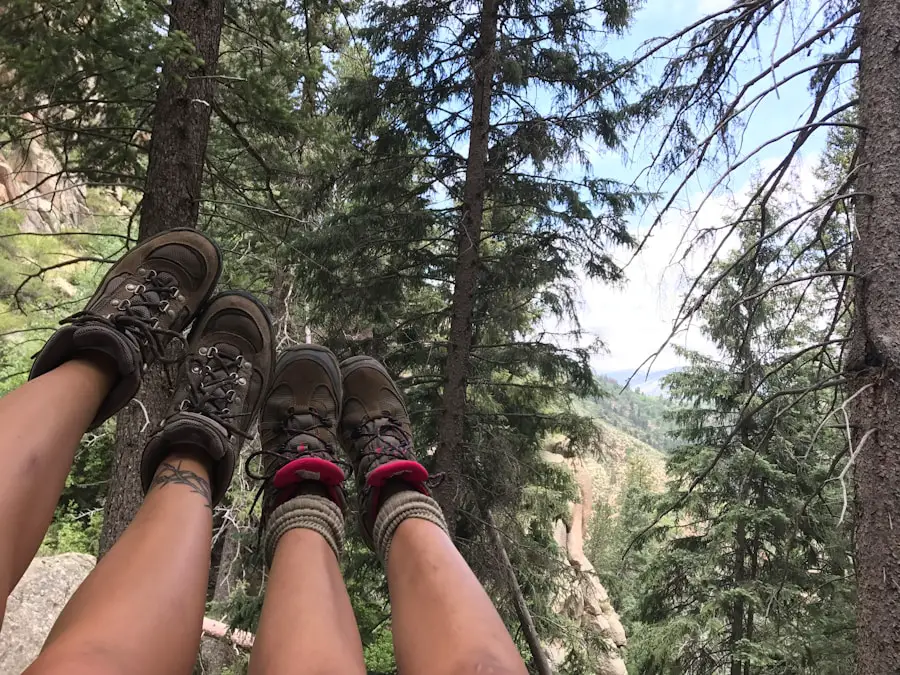
Proper care can extend the useful life of hiking boots and help their materials continue performing as intended.
After muddy hikes, remove loose dirt with a soft brush or cloth. Clean according to the footwear manufacturer’s instructions rather than assuming that one cleaner is suitable for every leather, synthetic, adhesive, or waterproof membrane.
For GORE-TEX footwear, the manufacturer recommends removing loose dirt, cleaning with lukewarm water and a small amount of liquid detergent, avoiding bleach and washing machines, and drying naturally at moderate temperatures rather than using direct heat.
Leather footwear may need a conditioner or treatment made specifically for that leather. Waterproof footwear may also need its durable water-repellent treatment refreshed when water stops beading on the outer material. Follow the boot manufacturer’s instructions because waxes, oils, conditioners, and sprays are not interchangeable.
Store clean, dry footwear away from high heat and prolonged direct sunlight. Inspect laces, hooks, stitching, midsoles, toe protection, and outsoles regularly.
When Should Hiking Boots Be Replaced?
There is no single mileage at which every boot wears out. Replace or professionally repair footwear when wear begins affecting safety or comfort.
Warning signs include heavily worn tread, cracking or separating soles, damaged uppers, persistent leakage that cannot be restored, a compressed or uncomfortable midsole, broken hardware, or a fit that has changed enough to cause rubbing or instability.
How Hiking Boots Can Enhance Outdoor Adventures
Hiking boots can make demanding trails more comfortable by providing structure and protection where lighter shoes may feel exposed. Firm midsoles can reduce how sharply rocks and roots press against the foot, while durable uppers protect against abrasion and trail debris.
Many boots also use reinforced toe areas and internal support structures that protect the foot from repeated impacts. These features can be valuable on rugged terrain, especially during longer days when small impacts accumulate.
That does not mean boots automatically improve every hike. A heavy, hot, poorly fitting boot can be less comfortable than a light trail shoe on an easy summer route. The advantage comes from matching the footwear to the actual conditions.
Making the Right Footwear Choice for Your Outdoor Adventures
Choosing hiking footwear is less about finding one universally “best” category and more about matching the shoe to your feet and the trail.
For maintained trails in warm conditions, trail runners or hiking shoes may provide enough grip and protection while keeping weight down. For rough rock, mud, snow, cold conditions, brush, or trips where you prefer more coverage and structure, hiking boots become more attractive.
Try different models rather than assuming that every shoe from a particular category will fit the same. Foot width, arch shape, heel volume, toe shape, cushioning preference, and hiking style can all change what feels comfortable.
Investing in suitable footwear can improve comfort and trail confidence, but no boot can replace good route planning, suitable traction, attention to weather, and careful foot placement.
If your hiking plans include Iceland, the existing TakeTravelInfo seasonal guide to Iceland can help with broader timing and weather considerations. It discusses seasonal hiking opportunities and the need to prepare for changing conditions, although footwear should still be selected for the specific trail and forecast.
Frequently Asked Questions
What are hiking boots?
Hiking boots are trail-oriented footwear designed to provide traction, underfoot protection, durable uppers, and more foot and ankle coverage than most ordinary athletic shoes. Designs range from lightweight flexible boots to stiff backpacking models.
Are hiking boots necessary for hiking?
No. Hiking boots are useful on rugged, rocky, muddy, snowy, or cold trails, but trail runners and hiking shoes can be appropriate for many maintained trails. Choose according to terrain, weather, fit, traction, and the protection you need.
What are the benefits of wearing hiking boots?
Hiking boots can provide durable uppers, grippy trail outsoles, greater coverage, more underfoot structure, protection from rocks and roots, and weather resistance. Higher collars can also mechanically limit some ankle movement, although boots cannot guarantee protection from ankle sprains.
Can I hike without hiking boots?
Yes. Many hikers use trail-running shoes or low-cut hiking shoes, especially on maintained trails and in warm conditions. What matters is that the footwear fits well, has suitable traction, and provides enough protection for the route.
Are trail running shoes good for hiking?
They can be. Trail runners are popular for maintained trails because they are generally light, flexible, and breathable. Check the outsole and protection level carefully, because trail-running shoes range from lightly treaded models to highly protective shoes designed for technical terrain.
Do hiking boots prevent ankle sprains?
Not reliably enough to treat them as injury-proofing equipment. Higher collars can restrict some inversion movement, but real-world ankle-sprain risk also depends on previous injuries, terrain, fatigue, strength, balance, foot placement, and other factors.
Do hiking boots need to be waterproof?
Not always. Waterproof boots are helpful in cold rain, snow, mud, and wet vegetation. Breathable non-waterproof footwear may be more comfortable in hot weather or on routes with repeated water crossings because it can ventilate and dry faster.
What should I consider when choosing hiking boots?
Consider fit first, followed by terrain, tread, sole stiffness, weather, breathability, waterproofing, protection, your normal pack load, and the distance you expect to hike. Try boots with your hiking socks and make sure your toes have room during descents while your heel remains reasonably secure.
Sources
- National Park Service — Hike Smart — appropriate footwear, trail preparation, socks, and general hiking safety.
- Mount Rainier National Park — Hiking Safety — sturdy footwear and waterproof footwear for wet or snowy conditions.
- Annals of Biomedical Engineering — High-Top Shoes and Ankle Inversion — 2026 evidence on the mechanical effects of higher shoe collars.
- Journal of Tissue Viability — Socks and Foot Blisters in Hikers — evidence linking wet socks with greater blister risk.
- Wilderness & Environmental Medicine — Friction Blister Systematic Review — evidence on blister-prevention strategies in outdoor activities.
- GORE-TEX — Footwear Care Instructions — cleaning, drying, and water-repellent treatment guidance for GORE-TEX footwear.

