
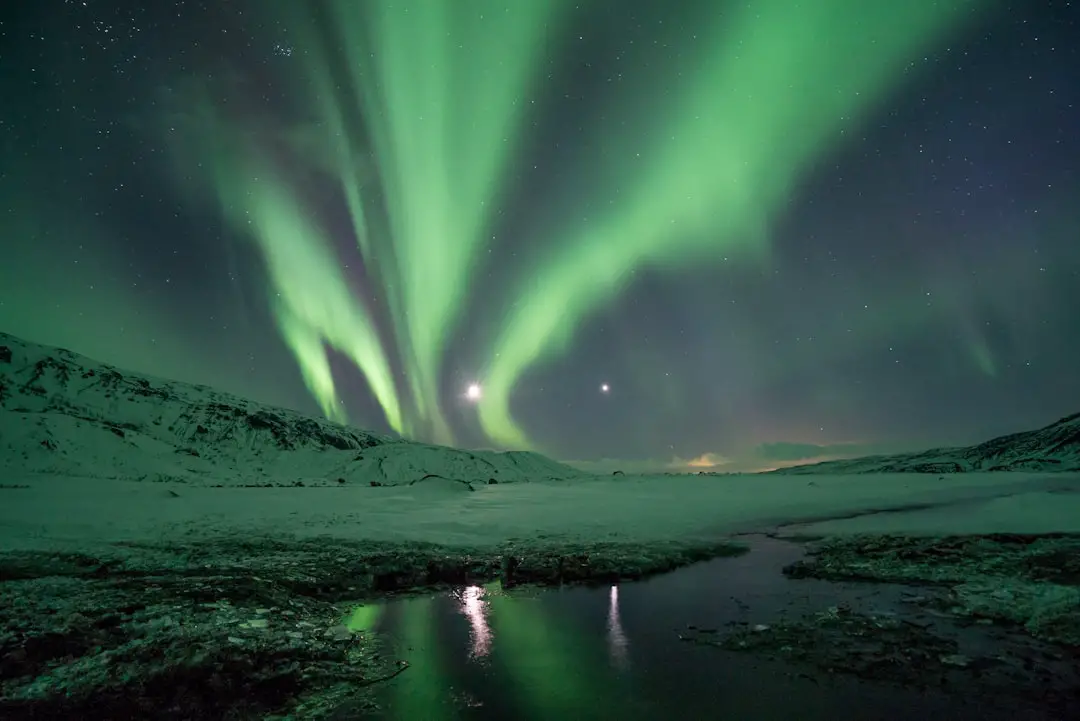
Last Updated on August 26, 2026 by Daniel Globe
Iceland changes dramatically through the year, so the best time to visit depends on the trip you want. Summer brings long daylight, easier road trips, wildlife watching, and the widest access to hiking areas. The darker months bring Northern Lights, winter landscapes, and seasonal ice-cave tours, while spring and fall offer useful compromises.
Quick Answer
For most first-time visitors, June through August offers the easiest weather, longest daylight, and broadest road access. Choose late August through April for Northern Lights, roughly November through May for seasonal ice caves, and May or September for a useful balance of daylight, fewer peak-season crowds, and easier sightseeing.
Key Takeaways
- June to August: best for very long daylight, road trips, hiking, camping, wildlife, and the widest range of open services.
- Late August to late April: the general Northern Lights season, although darkness, clear skies, and solar activity must all cooperate.
- May and September: strong shoulder-season choices for travelers who want plenty of sightseeing time without relying on peak summer.
- Highland travel: never assume an F-road or mountain route is open from the calendar alone; snow and ground conditions determine opening dates.
- Winter: excellent for aurora trips and seasonal ice caves, but short daylight, storms, snow, ice, and road closures can slow an itinerary.
Disclosure: As an Amazon Associate I earn from qualifying purchases. Some links on this page are affiliate links, at no extra cost to you.
Best Time to Visit Iceland by Travel Goal
| Travel Goal | Best General Window | Main Trade-Off |
|---|---|---|
| Longest daylight and easiest sightseeing | June-August | Busiest travel period at many famous sights |
| Northern Lights | Late August-late April | No sighting is guaranteed; clouds and solar activity matter |
| Highlands and Landmannalaugar | Usually summer, with July-August the safest planning window | Mountain-road openings vary every year |
| Puffins | Roughly May-August | Colony timing and accessibility vary |
| Natural ice caves | Typically November-May | Conditions determine which caves can be safely visited |
| Shoulder-season trip | May or September | Weather and some remote access remain less predictable than midsummer |
The Appeal of Iceland’s Summer
Summer is the simplest choice for travelers who want to cover a lot of Iceland. From June through August, daylight is extremely long, temperatures are generally milder than in winter, and most major lowland routes and tourist services are operating. Around midsummer, Iceland’s bright nights create the famous midnight-sun experience. Visit Iceland notes that the strongest midnight-sun period is roughly from mid-May to mid-July.
Summer is also the busiest period at famous locations, so popular accommodations, rental cars, and activities can fill well ahead of arrival. Travelers who have fixed dates should reserve important parts of the trip early rather than assuming they can book everything after landing.
Immersing in Nature
The green hillsides, waterfalls, moss-covered lava fields, and blooming plants make summer a rewarding time for hiking, camping, photography, and scenic driving. Long daylight means you can spread sightseeing across more hours instead of trying to fit every stop into a short winter day.
Summer also provides the best chance of reaching Iceland’s interior, but Highland access should never be assumed. The Icelandic Road and Coastal Administration explains that mountain roads open only when snow and ground conditions allow it. Some routes can open in June, while others may remain closed into July.
Pro Tip: If Landmannalaugar or another Highland destination is central to your trip, plan for midsummer and check the official road-status information immediately before driving. A historical opening date is not a guarantee for the current year.
Exploring Iconic Landmarks
The Golden Circle is especially easy to include in a summer itinerary. At Þingvellir National Park, visitors can see the dramatic rift landscape associated with the North American and Eurasian tectonic plates while also exploring one of Iceland’s most important historic sites. The Alþingi assembly was established at Þingvellir in 930.
The route also includes the Geysir geothermal area and Gullfoss waterfall. Summer’s long daylight makes it easier to visit these famous locations early or late in the day, when tour-bus traffic may be lighter than during the middle of the day.
Wildlife Encounters
Summer is one of the most convenient seasons for wildlife watching. Whale-watching departures operate from several Icelandic ports, and Reykjavík-area trips commonly look for species such as minke whales, white-beaked dolphins, harbor porpoises, and sometimes humpback whales. Wildlife is never guaranteed, so treat any species list as a possibility rather than a promise.
Puffins are another major summer attraction. They return to Icelandic breeding areas during the warmer part of the year, with roughly May through August being the main visitor window at many colonies. Follow marked paths around nesting cliffs because burrows can be hidden in fragile ground. See the current Visit Iceland puffin guidance before choosing a colony.
Embracing Iceland’s Winter Wonderland
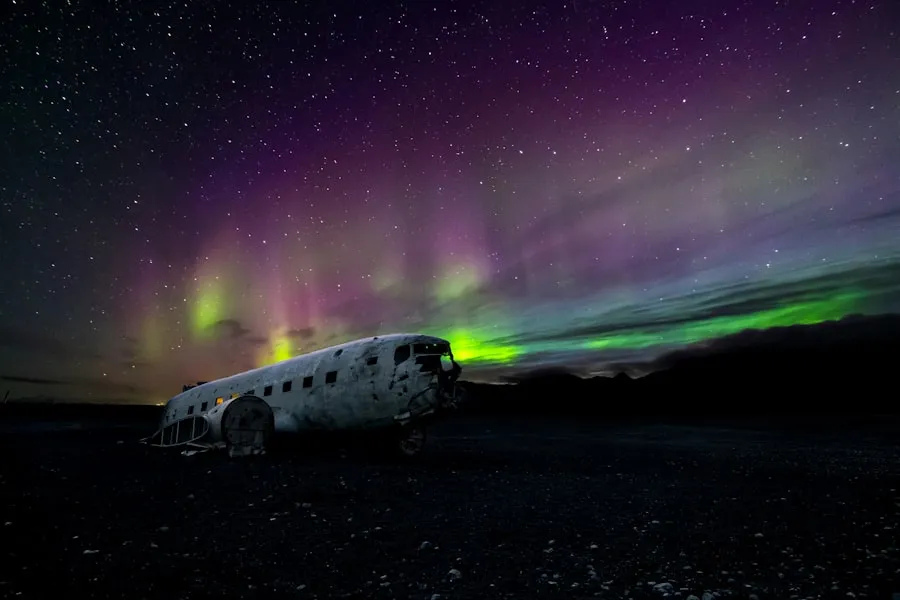
Winter gives Iceland a very different character. Snow and ice are common in many areas, particularly at higher elevations and in the north and interior, but lowland and coastal snow cover can vary greatly from week to week and year to year. Rain, thawing, strong wind, blowing snow, and icy roads can all occur during the same trip.
The darker season is attractive for travelers interested in Northern Lights, winter photography, geothermal bathing, snow activities, and glacier experiences. It also requires a slower itinerary. Short daylight and sudden weather changes can make an ambitious driving schedule impractical.
Natural glacier ice caves are a major seasonal draw. Visit Iceland says the ice-cave season varies with temperature and weather but typically runs from November through May. Caves and glaciers constantly change, so access that was safe one week may not be safe the next.
Warning: Do not walk onto an Icelandic glacier simply because other visitors appear to be doing so. Crevasses, unstable ice, meltwater, rockfall, and changing weather create serious hazards. SafeTravel recommends appropriate experience and equipment and strongly recommends using a qualified glacier guide.
Geothermal bathing is enjoyable in every season, but many visitors particularly enjoy the contrast between cold winter air and warm water. Commercial lagoons and local swimming pools can be incorporated into a winter itinerary without depending on long daylight hours.
The Magic of Iceland’s Northern Lights
The Northern Lights, or Aurora Borealis, occur when charged particles from the Sun interact with Earth’s upper atmosphere. Iceland’s latitude makes aurora viewing possible during the darker part of the year, but the lights are never guaranteed on a particular date.
According to Visit Iceland’s current aurora guidance, the general season runs from late August until late April. You need sufficient darkness and at least partly clear skies, plus favorable space-weather conditions.
| Period | What to Expect | Planning Note |
|---|---|---|
| Late August-September | Dark nights begin returning | Useful for combining road trips with possible aurora viewing |
| October-November | Longer nights and increasingly wintry weather | Build weather flexibility into driving plans |
| December-February | Very long periods of darkness | Excellent darkness but shortest sightseeing days and greater winter-driving risk |
| March-April | Increasing daylight while dark nights remain | A useful compromise for sightseeing plus aurora attempts |
Visit Iceland notes that aurora is seen most frequently around 11 p.m. on average, but there is no reliable rule that a particular month has “low” or “high” aurora activity. A strong display can occur whenever darkness, cloud cover, and solar conditions line up.
Leaving Reykjavík’s brightest areas can improve visibility when the aurora is faint. Þingvellir, the Snæfellsnes Peninsula, and many rural areas provide darker skies, but a clear forecast matters more than simply choosing a famous aurora location.
The best Northern Lights trip is a flexible trip: choose dark months, watch the cloud forecast, stay outside long enough, and never treat an aurora forecast as a guarantee.
Exploring Iceland’s Springtime Beauty
Spring is a transition rather than a fixed block of predictable weather. During April and May, daylight increases quickly, migrating birds return, waterfalls strengthen with meltwater, and vegetation begins turning greener. At the same time, snow and winter driving conditions can still affect northern, inland, or higher-elevation routes.
Birdwatching becomes increasingly rewarding as migratory species return. Puffins generally begin arriving at breeding areas during late spring, although exact timing differs by location. Lake Mývatn, the Westfjords, coastal cliffs, and offshore islands are among Iceland’s well-known birding regions.
Spring can also be an excellent time for lower-elevation walks, waterfalls, Reykjavík, the Golden Circle, and the South Coast. It is not, however, a reliable season for Highland routes.
Note: Do not plan a spring Landmannalaugar drive based only on the month. Highland roads remain closed until officials determine that snow has cleared and the road and surrounding ground can withstand traffic.
Making the Most of Iceland’s Fall Foliage

Autumn brings shorter days, cooler temperatures, and changing colors across birch, heath, grass, moss, and low vegetation. Iceland does not have the extensive forests associated with classic New England-style foliage trips, but gold, rust, red, and brown tones can still transform valleys, lava fields, and hillsides.
September is especially interesting because it can combine useful sightseeing daylight with the return of genuinely dark nights. Northern Lights become possible again, while many standard lowland routes remain practical in normal conditions.
Þingvellir can be particularly attractive as low vegetation and birch shift color against the dark volcanic landscape. The Snæfellsnes Peninsula also works well for scenic drives, although wind and rain become increasingly important considerations as autumn progresses.
By October and November, travelers should allow more flexibility for rapidly changing conditions. A route that is straightforward in September may involve wind, ice, snow, or temporary closures later in the season.
Considering Weather and Climate in Iceland
Iceland’s weather varies substantially by region and can change quickly at any time of year. The Icelandic Meteorological Office documents major differences between the relatively mild coast and the colder Highland interior, along with strong regional differences in precipitation.
Summer is generally milder than the rest of the year, with many lowland daytime temperatures falling somewhere around the 10-15°C (50-59°F) range. That is a useful packing reference rather than a promise. Cold wind, rain, warmer spells, and sudden temperature changes are all possible.
Winter coastal temperatures can hover near freezing while inland and elevated locations become much colder. Wind chill can make conditions feel significantly colder than the thermometer suggests.
Dress in layers throughout the year. A waterproof and wind-resistant outer layer is more useful than relying on one heavy garment. Bring footwear suitable for wet surfaces, and adapt hiking clothing to the route rather than to Reykjavík’s forecast alone.
Before any long drive or outdoor activity, check both the weather forecast and current road/travel conditions. Forecasts from several days earlier are not enough for a safety-critical decision in Iceland.
What Iceland Is Like Month by Month
| Month | Typical Travel Character |
|---|---|
| January | Deep winter, very short sightseeing days, aurora potential, and challenging driving conditions. |
| February | Still winter, but daylight increases; useful for aurora, winter landscapes, and seasonal ice caves. |
| March | Noticeably longer days while winter weather and Northern Lights remain possible. |
| April | A highly variable transition month with long daylight but possible snow, ice, and late-season aurora. |
| May | Very long days, returning wildlife, strong waterfalls, and good lowland touring; Highlands are generally still restricted. |
| June | Midnight-sun season, excellent sightseeing hours, wildlife, and expanding access; some mountain roads may still be opening. |
| July | A strong month for Highlands, long hikes, camping, wildlife, road trips, and maximum access. |
| August | Long days and broad access continue; nights become dark enough for possible aurora toward late August. |
| September | A useful shoulder month with cooler weather, dark nights for aurora, autumn color, and reasonable daylight. |
| October | Longer nights and fewer summer-style conditions; wind, rain, frost, and early winter weather become more important. |
| November | Winter transition, dark nights, seasonal ice-cave activity, and increasingly limited daylight. |
| December | The year’s shortest days, festive Reykjavík atmosphere, aurora potential, and winter road conditions. |
Planning Your Trip to Iceland: Tips and Recommendations
Start by deciding what you most want from the trip. A traveler focused on hiking and the Highlands should choose very different dates from someone whose main goal is the Northern Lights. Once the priority is clear, build the itinerary around the limitations of that season rather than trying to force every Iceland experience into one visit.
Road Trips and Highland Access
Renting a car provides flexibility, but Iceland’s road conditions deserve serious attention. Summer usually offers the easiest road-trip conditions, while winter demands more conservative daily distances and greater flexibility.
For mountain and Highland routes, check the Icelandic Road and Coastal Administration’s mountain-road information. Roads can remain closed even when lowland weather feels mild because snow, mud, thawing ground, or sensitive vegetation can make travel unsafe or damaging.
For general travel alerts and safety conditions, consult SafeTravel Iceland before setting out.
Best Time for the Ring Road
The Ring Road can be traveled at different times of year, but late spring through early autumn generally gives visitors more daylight and fewer winter-driving complications. June through August is the easiest window for travelers who want maximum flexibility and long sightseeing days.
Winter Ring Road trips require more spare time because wind, snow, ice, reduced visibility, and closures can affect individual sections. Avoid building an itinerary that depends on completing a long drive every day regardless of conditions.
Crowds, Accommodation, and Booking
Summer’s advantages also make it Iceland’s busiest travel period. Accommodation near popular South Coast locations, rental vehicles, and high-demand tours can become limited on fixed dates.
May and September can work well for travelers who want plenty of daylight and major lowland attractions without depending entirely on peak midsummer. September also has the advantage of dark nights returning for possible aurora viewing.
Packing for Iceland
Pack for wind and rain in every season. A practical system includes a moisture-managing base layer, insulating mid-layer, waterproof outer layer, comfortable walking shoes or boots, and warm accessories when temperatures require them.
Do not let a sunny Reykjavík morning determine what you take on a mountain hike or long road trip. Conditions can differ dramatically between the capital, the South Coast, mountain passes, and the Highlands.
Local Culture and Food
Leave time for Iceland beyond the major waterfalls and viewpoints. Reykjavík’s museums, swimming pools, bakeries, cafés, restaurants, and cultural events can provide valuable alternatives when weather disrupts outdoor plans.
Traditional and modern Icelandic food includes lamb dishes, seafood, rye bread, and skyr. Trying locally made foods can add context to the landscapes and communities you are visiting instead of treating every day as a race between photo stops.
If you like planning with printed or digital references, this guide on how to choose the best travel guidebook for your next trip can help you decide what kind of resource is useful alongside live Icelandic weather, road, and safety information.
Festivals and Events
Event dates change, so confirm the calendar for the year you are traveling rather than relying on an old festival list. Reykjavík Arts Festival is a major biennial arts event, while Reykjavík’s Culture Night is a large city celebration held in August. Music, cultural, sporting, and community events occur throughout the year.
Events can make a trip more memorable, but they can also increase demand for accommodation and change traffic or street access. Book accordingly if a major festival overlaps with your dates.
Frequently Asked Questions
What is the best time to travel to Iceland?
For most first-time visitors, June through August is the easiest period because daylight is extremely long and road access is generally at its best. May and September are strong alternatives. Travelers primarily interested in the Northern Lights should choose the darker season instead.
What is the weather like in Iceland during the summer?
Summer is relatively mild by Icelandic standards, and lowland daytime temperatures are often around 10-15°C (50-59°F). Wind, rain, colder periods, and occasional warmer days are all possible, so waterproof layers remain important.
What are the daylight hours like in Iceland during the summer?
Daylight becomes extremely long around midsummer. From roughly mid-May to mid-July, nights remain exceptionally bright, and areas farther north experience the strongest midnight-sun effect. This gives travelers far more usable sightseeing time than during winter.
Are there festivals or events to consider when planning an Iceland trip?
Yes. Reykjavík Arts Festival is a major biennial event, and Reykjavík Culture Night is held in August. Other music, cultural, sporting, and local events occur throughout the year. Check official calendars for your travel year because dates and festival lineups change.
Can you see the Northern Lights in Iceland during summer?
Not around midsummer because the sky does not become dark enough. However, Visit Iceland places the start of the general aurora season in late August, when sufficiently dark nights begin returning. Clear skies and favorable solar conditions are still required.
When is the best time to visit Iceland’s Highlands?
Summer is the appropriate planning season, with July and August usually providing the safest assumption for broad Highland access. However, individual mountain roads open according to snow and ground conditions, so always verify the current road status before traveling.
When is the best time to see puffins in Iceland?
Puffins are generally present at Icelandic breeding colonies from late spring through summer, with roughly May through August being the main visitor period. Exact arrival and departure dates differ by colony and year.
When is the easiest time to drive Iceland’s Ring Road?
Late spring through early autumn generally offers the most straightforward conditions, with June through August giving the longest daylight and lowest risk of routine winter-road complications. Even in summer, check weather and road conditions every day.
Sources
- Icelandic Meteorological Office — Climate of Iceland — regional temperature, precipitation, and climate variability.
- Visit Iceland — The Auroras — Northern Lights season, darkness, cloud cover, and viewing guidance.
- Visit Iceland — Celebrate the Midnight Sun — timing of Iceland’s bright summer nights.
- Icelandic Road and Coastal Administration — Mountain Roads — Highland road opening conditions and seasonal access.
- SafeTravel Iceland — Glacier Safety and Crevasse Maps — glacier hazards, equipment, and guide recommendations.
- Visit Iceland — Ice-Cave Exploration — typical natural ice-cave season and condition-dependent access.

