

Last Updated on July 25, 2026 by Daniel Globe
Bed bugs (Cimex lectularius) are small, parasitic insects that feed on human blood. Reddish-brown, oval, and roughly the size of an apple seed (4–7 mm), these nocturnal pests hide in minute cracks and crevices. Transient hotel populations allow them to spread rapidly regardless of property cleanliness. While bed bugs do not transmit infectious diseases, their bites cause significant skin irritation, allergic reactions, and psychological distress. Inspecting your accommodation before unpacking is the single most effective way to prevent bringing an infestation home.
Quick Answer
To check for bed bugs in a hotel room, place your luggage in the bathtub immediately upon entry. Using your smartphone flashlight, inspect the mattress seams, box spring corners, headboard crevices, and upholstered furniture. Look for live insects, shed skins, or dark fecal spots. If detected, request a room at least two floors away.
Key Takeaways
- Stage Baggage Safely: Keep luggage off carpets and beds; place it in the bathroom or on a metal luggage rack away from walls during inspection.
- Focus on Crevices: Check mattress piping, box spring plastic guards, and headboard crevices using a flashlight and a rigid plastic card.
- Identify Evidence: Search for reddish-brown stains, pepper-like fecal specks, translucent shed exoskeletons, or a sweet, musty odor.
- React Decisively: If pests are found, notify front desk management immediately and relocate to a room at least two floors away.
At a Glance: Hotel Bed Bug Inspection
| Time Required | 5 to 10 minutes |
| Difficulty | Easy (No special skills needed) |
| Tools Needed | Smartphone flashlight, credit card or rigid card |
| Primary Focus Areas | Mattress seams, box spring corners, headboards, nightstands |
Disclosure: As an Amazon Associate I earn from qualifying purchases. Some links on this page are affiliate links, at no extra cost to you.
Common Signs of Bed Bug Infestation
Early identification prevents severe bites and home contamination. Because bed bugs are photophobic (light-averse) and hide during daylight, you will often find physical signs of their presence rather than live insects.
Primary indicators include:
- Fecal Spotting: Small, dark brown or black specks resembling fine marker dots. These spots bleed into fabric seams and are commonly concentrated near harborages.
- Blood Stains: Small reddish-brown smears on sheets or pillowcases caused by accidentally crushing engorged insects while sleeping.
- Shed Exoskeletons: Translucent, yellowish cast skins discarded as nymphs grow through five developmental stages.
- Live Insects & Eggs: Adult bugs are flattened and reddish-brown. Eggs are tiny (1 mm), pearl-white, and adhere to rough surfaces in clusters.
- Musty Odor: Heavy infestations produce a sweet, coriander-like odor released from scent glands.
Pro Tip: To distinguish bed bug fecal spots from regular dirt, touch them with a damp tissue. Fecal matter consists of digested blood and will dissolve into a reddish-brown stain on the wet paper.
How to Check for Bed Bugs in Hotel Rooms
When entering a hotel room, follow a strict inspection procedure before sitting on the bed or unpacking luggage.
Warning: Never place your suit jackets, purses, or suitcases on the bed or carpeted floor upon arrival. Doing so provides immediate access for hitchhiking pests.
Step 1: Secure Your Baggage (The Bathtub Protocol)
Place suitcases, backpacks, and personal items in the bathroom tub or on a tiled floor. Bed bugs struggle to climb smooth ceramic or porcelain surfaces. If the bathroom is unavailable, place luggage on a elevated metal rack after inspecting its legs.
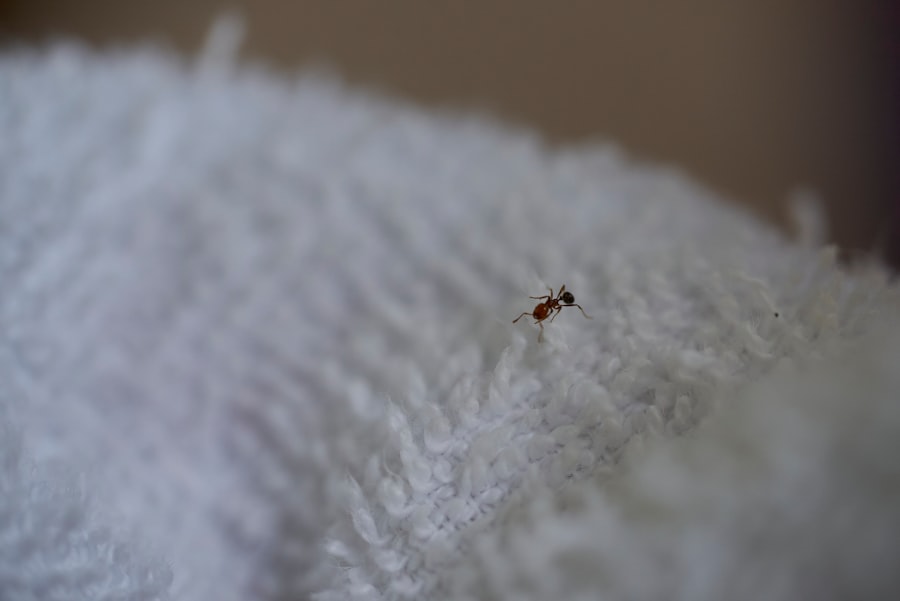
Inspecting the Bed and Bedding
Since host proximity is critical for feeding, roughly 70% of bed bugs in a hotel room reside in or near the bed assembly.
Follow this systematic bed inspection process:
- Strip the Linens: Pull back fitted sheets, mattress pads, and duvet covers to expose the bare mattress corners.
- Examine Mattress Piping: Run a plastic card along the welt seams, piping, and tufts. Use a flashlight to illuminate the folds.
- Inspect Box Spring Corners: Lift the mattress. Inspect the plastic corner guards and the dust cover fabric underneath the box spring. Bed bugs frequently hide where fabric is stapled to wood frames.
- Check the Headboard: Examine crevices between the wall and headboard. In hotels, headboards are often mounted on wall cleats, creating dark hiding voids.
“According to pest management studies, over 85% of hotel bed bug populations are found within 15 feet of the sleeping area.”
Examining Furniture and Upholstery
After checking the bed, expand your search radius to surrounding furniture items.
- Upholstered Seating: Inspect seams, cushions, and zipper folds of armchairs and sofas. Turn cushions over and examine the undersides.
- Nightstands & Desk Drawers: Open drawers, remove items, and look closely at interior joints and screw holes.
- Baseboards & Electrical Outlets: Inspect wall-to-carpet junctions and outlet plates near the head of the bed.
Searching for Bed Bugs in Luggage and Personal Belongings
Bed bugs transfer easily into personal gear. Protecting your bags during travel prevents domestic cross-contamination.
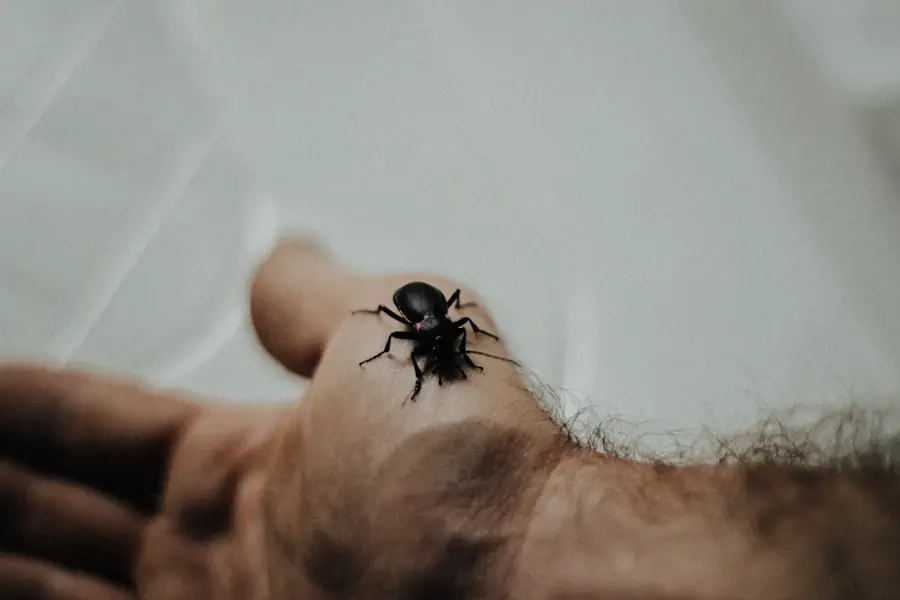
Always inspect your bags prior to departure:
- Keep luggage zipped shut when not in use.
- Examine exterior seams, zippers, and lining crevices using your flashlight.
- Use hard-sided suitcases when traveling, as smooth exterior walls offer fewer harborage points than soft fabric luggage.
- Pack clothing in sealed zipper-lock plastic bags or compression packing cubes to add an extra barrier.
Identifying Bed Bug Bites
Bed bug bites are often confused with flea, mosquito, or spider bites. Understanding their characteristics helps identify exposure early.
Bites typically exhibit the following features:
- Pattern: Arranged in small clusters or a straight line (often referred to as “breakfast, lunch, and dinner” patterns).
- Location: Occur on exposed skin areas exposed during sleep, such as arms, shoulders, neck, and face.
- Appearance: Red, slightly swollen welts that itch intensely. Symptoms may take several hours to several days to appear depending on individual immune reactions.
Note: Reactions vary widely. Up to 30% of individuals show no visible skin reaction to bed bug bites, making room inspections vital regardless of physical symptoms.
Reporting Bed Bugs to Hotel Staff
If you find physical evidence of bed bugs or experience unexplained overnight bites, report your findings immediately to hotel management.
- Document Evidence: Take clear, focused photos of live bugs, fecal spots, or physical bites.
- Notify Management: Speak directly with the front desk manager or duty manager. Detail the exact locations where evidence was found.
- Request a Safe Room Switch: Ask to be moved immediately to a new room.
What to Do if You Find Bed Bugs in Your Hotel Room
In addition to reporting the issue, take immediate precautions with your clothing and luggage to avoid transporting the infestation:
- Relocate Selectively: Do not accept a room directly adjacent to, above, or below the infested room. Bed bugs travel through utility lines and drywall voids. Request a room at least two floors away.
- Isolate Belongings: Place all worn and unworn clothing into sealed plastic trash bags before moving to the new room.
- Decontaminate Items: Wash all clothing in hot water and dry on high heat for at least 30 minutes (minimum 120°F / 49°C) to kill all life stages, including eggs.
Preventing Bed Bug Infestations in Your Home
Preventing an infestation from entering your home requires post-travel containment:
- Unpack Outside or in the Laundry Room: Do not bring luggage into bedrooms or living rooms upon returning home. Unpack on hard surfaces like tile or concrete.
- Apply Thermal Treatment: Immediately launder all travel clothes. Vacuum luggage surfaces thoroughly, pay attention to pockets, and discard the vacuum bag outside.
- Store Luggage Safely: Enclose stored suitcases in protective zippered luggage covers or large plastic bags between trips.
Conclusion and Final Tips for Travelers
Preventing bed bug encounters relies on vigilance rather than panic. By spending five minutes inspecting mattress seams, box springs, and headboards upon arrival, you protect your comfort and safeguard your home from costly infestations. Consistently staging luggage away from soft furnishings and heat-treating laundry post-trip ensures smooth, pest-free travel experiences.
Frequently Asked Questions
What are bed bugs?
Bed bugs are small, wingless parasitic insects (Cimex lectularius) that feed exclusively on the blood of warm-blooded animals, primarily humans. They are reddish-brown, oval-shaped, and hide in concealed dark crevices during daylight hours.
How can I tell if a hotel has bed bugs?
Check mattress seams, box spring corners, and headboards using a light source. Look for live bugs, dark pepper-like fecal stains, translucent shed skins, or small blood spots on linens.
What should I do if I suspect a hotel has bed bugs?
Take photo documentation, notify management immediately, and request a room transfer at least two floors away from the infested space. Seal all personal items in plastic bags until high-heat washing can be performed.
Can I prevent bringing bed bugs home from a hotel?
Yes. Keep luggage off carpeted floors and beds, use hard-sided luggage, seal clothes in bags, and immediately wash and dry travel clothes on high heat (120°F+) for 30 minutes upon returning home.
Can bed bugs be found in all hotels?
Yes. Bed bugs occur in luxury 5-star resorts as well as budget motels. They are transported in guest luggage and clothing, making physical room inspection necessary regardless of property star rating or cleanliness standard.
Sources
- Centers for Disease Control and Prevention (CDC) — Bed Bug Biology & Public Health Guidance
- U.S. Environmental Protection Agency (EPA) — Bed Bug Information & Control Guidelines
- Mayo Clinic — Bed Bug Bite Identification and Symptom Management
