
Last Updated on July 26, 2026 by Daniel Globe
Bed bugs (Cimex lectularius) have become a persistent concern for travelers worldwide. These small, nocturnal parasites excel at hitchhiking on suitcases, clothing, and personal belongings, making hotel rooms primary hubs for their spread. Because high guest turnover allows bed bugs to thrive in budget motels and luxury resorts alike, knowing how to conduct a rapid 5-minute room inspection is an essential skill for any traveler.
Quick Answer
To check for bed bugs in a hotel, immediately place your luggage in the bathroom. Using a flashlight, inspect the mattress seams, box spring corners, headboard crevices, and upholstered furniture. Look for live reddish-brown insects, dark fecal specking, and translucent shed skins before unpacking any belongings.
Key Takeaways
- Safe Luggage Placement: Always store your bags in the bathroom or on a metal luggage rack away from walls while inspecting.
- Focus on the Bed Zone: Over 70% of bed bugs harbor within 5 feet of the bed, prioritizing mattress piping, box springs, and headboards.
- Know the Signs: Look for live bugs, rusty fecal spots (resembling fine felt-pen marks), shed exoskeletons, and tiny white eggs.
- Heat Kills Bed Bugs: Washing and drying clothing on high heat (at least 122°F / 50°C) for 30 minutes eliminates all life stages.
At a Glance
| Time Required | 5–10 minutes upon room entry |
| Difficulty | Easy (No technical skill needed) |
| Tools Needed | Smartphone flashlight, rigid credit card or index card, sealable plastic bags |
| Cost | $0 |
Once introduced into a hotel, bed bugs can spread between rooms through wall voids, electrical conduits, and hallway carpets. The psychological impact of an encounter can leave travelers anxious, but understanding their habits empowers you to take proactive steps to protect your belongings.
Note: Bed bug presence is not an indicator of poor hotel hygiene. Bed bugs feed exclusively on blood, meaning upscale five-star luxury resorts are just as vulnerable to infestations as budget motels.
Disclosure: As an Amazon Associate I earn from qualifying purchases. Some links on this page are affiliate links, at no extra cost to you.
Preparing for a Hotel Stay: What to Pack for Bed Bug Prevention
Effective prevention starts before you leave home. Packing with pest management in mind greatly reduces the chances of bringing unwanted pests home in your luggage.
- Zippered Luggage Encasements: Protective covers create a smooth, sealable barrier that prevents bed bugs from crawling into bag seams or zippers.
- Sealable Plastic Bags: Pack clothing inside heavy-duty sealable bags (like Ziploc or compression packing cubes). This keeps garments isolated throughout your trip.
- Light-Colored Luggage and Clothing: Adult bed bugs are reddish-brown and about the size of an apple seed (~5 mm). Lighter fabrics make spotting hitchhikers instantly easier.
- Inspection Tools: Keep a small LED flashlight (or use your phone flashlight) and a plastic card easily accessible in your carry-on.
Warning: Never place your suitcases directly on the bed, carpet, or upholstered armchairs when first entering a hotel room. This is the primary way pests transfer to personal belongings.
Conducting a Visual Inspection of the Hotel Room
The moment you step into your hotel room, set your bags directly on the tiled floor of the bathroom or in the bathtub. Because bed bugs prefer soft fabrics and dark crevices, tiled bathrooms are the safest temporary holding zone while you inspect the main living area.
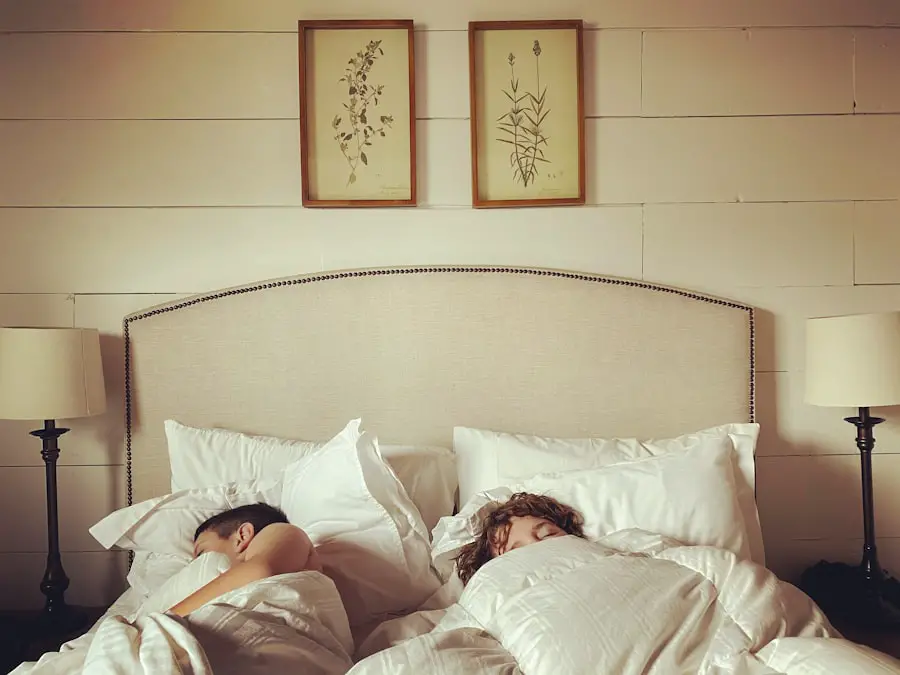
Begin your visual inspection by systematically checking the areas immediately surrounding the bed. Work from the center of the room outward, prioritizing high-risk harborages where guests rest for extended periods.
Pro Tip: Use a rigid plastic card (like an old gift card or credit card) to scrape along mattress piping and baseboard gaps during your inspection. This forces hidden bugs, shed skins, or egg clusters out into the light.
Using a Flashlight to Check for Bed Bugs in Dark Areas
Because bed bugs avoid light, a strong flashlight beam is necessary to illuminate hidden harborages. University entomology studies show that bed bug harborages in hotel rooms follow distinct spatial patterns, heavily favoring areas nearest human hosts.
| Primary Room Location | Infestation Likelihood | Specific Areas to Inspect |
|---|---|---|
| Bed & Box Spring | High (~70%) | Mattress seams, tufts, corner guards, box spring underside netting. |
| Upholstered Furniture | Moderate (~20%) | Cushion zippers, armchair seams, skirt folds, desk chair padding. |
| Perimeter & Fixtures | Lower (~10%) | Baseboards, behind headboards, nightstands, wall outlet faceplates. |
When using a flashlight, look beyond live insects. Pay attention to the reflective sheen of bed bug excrement, which bleeds into fabric like a dark permanent marker point.
Inspecting the Bed and Bedding for Signs of Bed Bugs
The bed is the primary feeding area for bed bugs. Unmake the bed down to the bare mattress to perform a thorough review:
- Strip the Linens: Pull back comforters, sheets, and mattress pads. Check fitted sheet elastic corners for dark residue.
- Examine Mattress Seams: Run your card along the piping, seams, and handles of the mattress. Look for live bugs, pale yellow molted exoskeletons, and tiny pearl-white eggs (1 mm long).
- Check the Box Spring: Lift the mattress to inspect the box spring surface. Pay close attention to plastic corner guards and the staple line of the underlying dust cover.
- Inspect the Headboard: Shine your light into the narrow gap between the headboard and the wall. Headboards mounted directly to drywall are prime hiding spots.
Checking Furniture and Upholstery for Bed Bug Infestations
Bed bugs do not limit themselves to mattresses. Any soft seating area where guests lounge can host an active population.
Thoroughly examine upholstered armchairs, sofas, and desk chairs. Remove seat cushions to inspect zipper seams, underside lining, and wood joints. Don’t forget nearby wooden furniture: open nightstand drawers to check interior corners and screw holes where bugs seek refuge during daylight hours.
Examining Luggage and Personal Belongings for Bed Bugs
Throughout your stay, keep your luggage elevated on a hard-surfaced metal luggage rack, keeping it away from walls and drapery. Avoid leaving clothing lying on floor carpets or upholstered couches.
Before checking out, conduct a final inspection of your bags under strong light. Visually inspect exterior seams, zipper tracks, and internal pockets to ensure no stray insects have crept inside during your stay.
Knowing What to Do If You Find Bed Bugs in Your Hotel Room
If you uncover evidence of bed bugs during your inspection, stay calm and take immediate steps to safeguard your belongings:
- Do Not Disturb the Area: Avoid sweeping or poking heavily at harborages, as this scatters bugs into secondary hiding spots.
- Document the Evidence: Take clear, focused photos and videos of live insects, fecal marks, or skin casts using your phone camera.
- Gather Your Belongings: Place any loose items back into sealed plastic bags and return bags to the bathroom or hallway tile.
- Notify Management Immediately: Present your photographic evidence to the front desk calmly and firmly.
Reporting Bed Bug Infestations to Hotel Management
When reporting an infestation, request a new room located at least two floors away from the infested room—and not directly adjacent, above, or below it, as bugs easily travel through shared utility pipes.
Reputable establishments maintain strict pest management protocols and will immediately lock down the affected room for treatment by licensed pest control professionals. If acceptable alternative rooms are unavailable, request a full refund so you can secure alternate accommodations.
Taking Precautions to Prevent Bringing Bed Bugs Home
Your prevention routine continues after you leave the hotel. Taking systematic steps upon returning home prevents accidental indoor establishment:
- Unpack in a Designated Zone: Unpack luggage outside on a porch, in a garage, or inside a tiled entryway—never on carpets or bedrooms.
- High-Heat Laundering: According to EPA bed bug guidelines, wash all clothes in hot water and dry on high heat for at least 30 minutes. Temperatures exceeding 122°F (50°C) reliably kill all life stages, including eggs.
- Vacuum Suitcases: Vacuum interior and exterior pockets of non-washable luggage thoroughly, then immediately empty the vacuum canister into an outdoor trash receptacle.
Seeking Professional Help if You Suspect Bed Bug Infestation at Home
If you notice itchy bites in rows or spot dark fecal marks on your mattress at home following a trip, act quickly. Eradicating an established residential infestation without professional tools is extremely difficult.
Licensed pest management professionals utilize specialized tools—such as trained canine scent detection, chemical applications, and whole-structure heat remediation—to eliminate bed bugs completely. Early intervention prevents minor introductions from developing into widespread infestations.
Frequently Asked Questions
What do bed bugs look like?
Adult bed bugs are flat, oval, reddish-brown insects roughly 3/16-inch long (about the size of an apple seed). After feeding, their bodies swell and become elongated and darker red. Nymphs (young bugs) are smaller, pale yellow, and almost translucent.
How can I look for bed bugs in a hotel room quickly?
Place your luggage in the bathroom, turn on your flashlight, pull back the bed sheets, and run a plastic card along the mattress seams, box spring corners, and headboard crevices. The entire process takes less than 5 minutes.
What are the primary signs of bed bug activity?
Key signs include live insects, tiny dark specks of fecal matter (resembling ink dots that bleed into fabric), translucent shed skin casings, small blood smears on sheets, and tiny white eggs clustered in fabric folds.
What should I do if I find bed bugs in my hotel room?
Take clear photographs of the insects or evidence, gather your belongings in plastic bags, notify hotel management immediately, and request a room at least two floors away (or seek a full refund to change hotels).
Can I prevent bringing bed bugs home from a hotel?
Yes. Keep your bags off hotel carpets using metal racks, pack clothes inside sealed plastic bags, unpack outside your home upon return, and immediately run all travel clothing through a high-heat dryer cycle for 30 minutes.
Sources
- U.S. Environmental Protection Agency (EPA) — Official guidelines on bed bug biology, prevention, and heat treatment thresholds.
- Centers for Disease Control and Prevention (CDC) — Health considerations and traveler risk factors regarding bed bug encounters.
- National Pest Management Association (NPMA) — Field survey insights on commercial lodging bed bug harborages and inspection methods.
