
Last Updated on September 10, 2026 by Daniel Globe
Southwest Airlines lets each ticketed passenger bring one carry-on bag and one personal item into the cabin. The carry-on must fit in the overhead bin, while the personal item must fit beneath the seat in front of you. Measuring both items before leaving home can prevent a last-minute trip to the ticket counter or gate-check area.
Quick Answer
Southwest Airlines permits one free carry-on bag measuring no more than 24 inches long, 16 inches wide, and 10 inches high, including wheels, handles, and attachments. You may also bring one personal item that fits under the seat. Southwest does not publish a separate carry-on weight limit.
Key Takeaways
- The maximum Southwest carry-on size is 24 × 16 × 10 inches, including wheels, handles, pockets, and other attachments.
- Your personal item must fit completely beneath the seat in front of you; Southwest does not publish one universal set of personal-item dimensions.
- Measure your bag while it is fully packed because bulging pockets and overfilled soft-sided bags still count.
- If the bag cannot travel in the cabin, it may have to be checked, and a checked-bag fee can apply based on your fare, route, status, and credit-card benefits.
- Power banks and spare lithium batteries must remain in the cabin and must be removed if your carry-on is checked at the gate.
At a Glance
| Time Required | About 5–10 minutes to pack, measure, and recheck the bag |
| Difficulty | Easy |
| Tools Needed | Tape measure, packing list, and optional packing cubes |
| Cost | Carry-on and personal item are free; checked-bag fees may apply if the carry-on is too large |
Disclosure: As an Amazon Associate I earn from qualifying purchases. Some links on this page are affiliate links, at no extra cost to you.
Southwest Airlines Carry-On Size and Allowance
Under Southwest’s current carry-on and personal-item policy, every ticketed passenger may bring one carry-on bag and one personal item onboard at no charge.
| Item | Limit and storage location |
|---|---|
| Carry-on bag | Maximum 24 inches long × 16 inches wide × 10 inches high. It goes in the overhead bin. |
| Personal item | Must fit completely beneath the seat in front of you. Examples include a purse, briefcase, laptop case, small backpack, blanket, or small camera. |
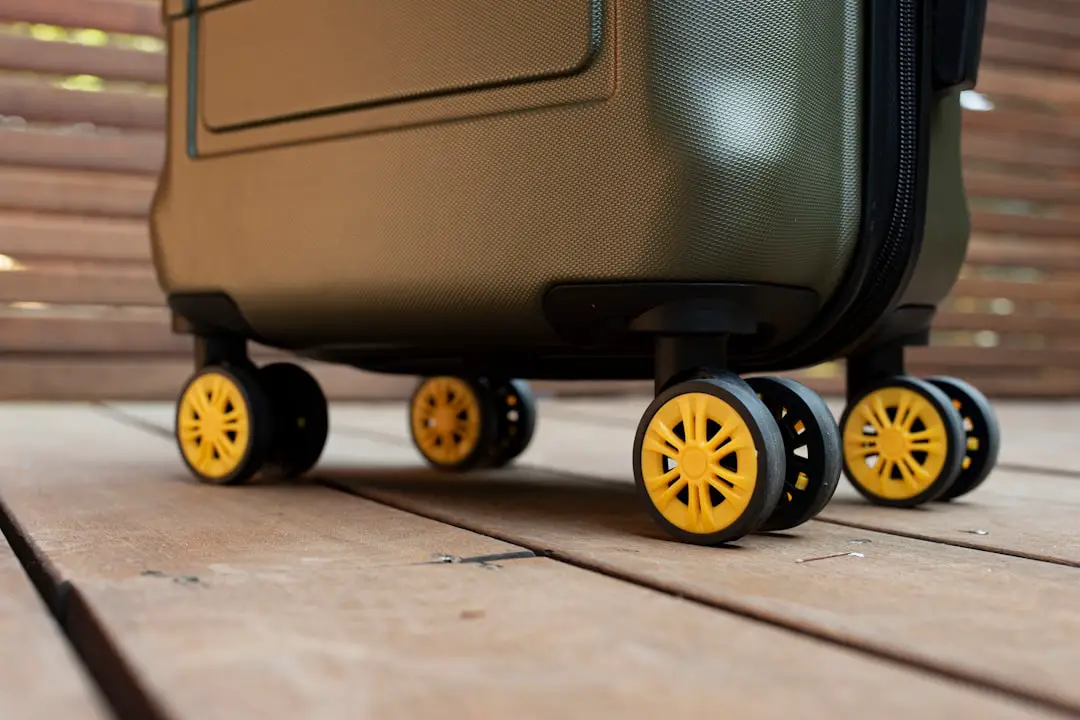
The carry-on measurement includes wheels, fixed handles, side handles, exterior pockets, and any other attachment. Southwest does not publish a separate weight limit for ordinary cabin baggage, but you should pack a bag that you can handle safely and place in the overhead bin.
Note: A pet carrier counts as either your carry-on bag or your personal item. If your itinerary includes a partner airline, review that airline’s limits as well because its cabin-baggage policy may differ.
Tips for Maximizing Carry-On Baggage Space on Southwest Airlines
Packing efficiently can help you stay within the size limit without leaving useful items behind. Start with a short packing list and choose clothing that can be worn in several combinations.
- Use packing cubes: Cubes keep shirts, undergarments, and accessories organized so you can find them without emptying the bag.
- Use compression carefully: Compression bags reduce bulk, but they can make the bag heavier and cause soft-sided luggage to bulge past the limit.
- Roll casual clothing: Rolling can reduce wasted space and may limit hard fold lines.
- Wear bulky items: A jacket, boots, or heavy sweater usually takes up less cabin-bag space when worn.
- Pack versatile layers: Light layers work in changing temperatures and require less room than several separate outfits.
- Leave expansion zippers closed: An expanded suitcase may no longer meet the 10-inch depth limit.
Pro Tip: Pack the bag, close every zipper, and measure it again. A suitcase that meets the listed dimensions when empty may become too deep after its front pockets and main compartment are filled.
How to Measure Your Carry-On Bag for Southwest

Measure your carry-on after it is fully packed. Set it upright on a hard, level floor and use a tape measure rather than relying only on the manufacturer’s advertised dimensions.
- Measure the length: Measure the bag’s longest outside dimension from end to end.
- Measure the width: Include side handles, feet, pockets, and any fabric that bulges outward.
- Measure the depth: Include wheels, fixed handles, and filled exterior compartments.
- Compare all three figures: The packed bag must remain within 24 × 16 × 10 inches. Rotating an oversized bag does not make it compliant.
A suitcase sold as a “carry-on” is not guaranteed to fit every airline’s rules. Check the actual exterior measurements rather than relying on a product name such as domestic carry-on, international carry-on, or cabin suitcase.
A fully packed suitcase—not its empty shell or advertised interior capacity—is what must fit within Southwest’s 24 × 16 × 10-inch limit.
What Items Are Allowed in Southwest Carry-On Baggage?
| Item category | Carry-on guidance |
|---|---|
| Clothing and personal items | Generally permitted, provided they do not contain prohibited tools, hazardous materials, or oversized liquid containers. |
| Laptops and electronics | Generally permitted. Keep large electronics accessible in case they must be removed for screening. |
| Medication and medical supplies | Permitted subject to screening. TSA recommends labels but does not generally require original prescription packaging. Destination laws may be stricter. |
| Food and snacks | Solid food is generally allowed. Liquid or gel food normally follows the 3.4-ounce rule unless a TSA exception applies. |
| Books and magazines | Generally permitted, although dense or heavy items may require additional screening. |
| Power banks and spare batteries | Must remain in carry-on baggage and be protected from damage and short circuits. |
Liquids, Gels, Aerosols, and Food
Under the TSA liquids rule, ordinary liquids, gels, aerosols, creams, and pastes in a carry-on are limited to containers of 3.4 ounces or 100 milliliters or less. The containers must fit in one clear, quart-size, resealable bag.
Exceptions can apply to medically necessary liquids, formula, breast milk, toddler drinks, and related cooling supplies. Declare exempt liquids to the TSA officer and allow time for separate screening.
Medication and Medical Devices
TSA does not generally require medication to remain in its original prescription container, although clearly labeling it can make screening easier. State, local, and international laws may impose separate labeling requirements, so check the rules at your destination.
Southwest recommends keeping needed medication in your carry-on or personal item. Medication required because of a disability does not count toward the normal bag allowance when it is packed separately from unrelated personal belongings. Review Southwest’s medication guidance before travel.
Sharp Objects, Sports Equipment, and Instruments
Most knives are prohibited in carry-on bags. Small scissors are generally allowed when their blades measure less than four inches from the pivot point. Because the final checkpoint decision belongs to TSA, search the agency’s What Can I Bring? list for the exact item.
Baseball bats, golf clubs, and similar striking equipment normally must be checked. A small musical instrument may be used as the carry-on item when its case meets Southwest’s size limit and it can be safely stowed. Larger instruments may require a checked-baggage arrangement or an additional seat under the airline’s instrument policy.
Warning: Spare lithium batteries, power banks, portable chargers, and e-cigarettes cannot remain in checked baggage. If Southwest checks your carry-on at the gate, remove these items and keep them with you in the cabin.
The Consequences of Exceeding Southwest’s Carry-On Size Limit
If a carry-on is too large, Southwest may direct you to check it instead of bringing it into the cabin. The airline recommends checking an oversized item at the ticket counter before proceeding to the departure gate.
Once checked, the bag travels in the cargo hold and normally must be collected at baggage claim. This can add time after arrival and may separate you from medication, electronics, travel documents, keys, or other necessities.
A checked-bag fee may apply. The amount depends on the fare, the date the reservation was booked or changed, the route, Rapid Rewards status, eligible Southwest credit-card benefits, and other exemptions. If the checked bag exceeds the standard checked-bag weight or linear-size limit, additional overweight or oversize charges may also apply.
Gate checking can also slow boarding while the bag is tagged and moved to the cargo hold. Measuring before you travel is the simplest way to avoid this problem.
How to Avoid Fees for an Oversized Southwest Carry-On
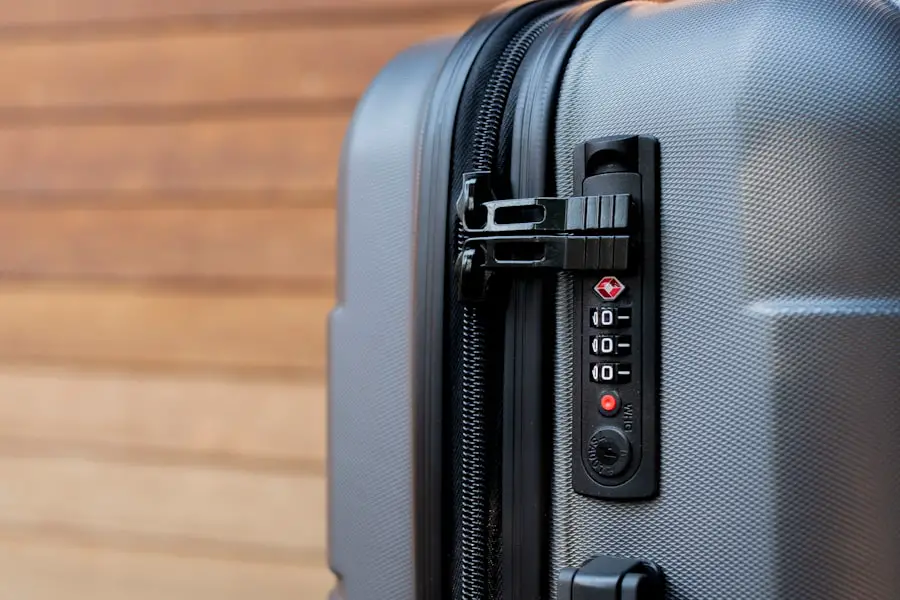
Southwest does not list a separate “oversized carry-on fee.” Instead, a bag that cannot travel in the cabin may have to be checked. Follow these steps to reduce the chance of paying a checked-bag charge:
- Choose a bag whose exterior measurements are no more than 24 × 16 × 10 inches.
- Measure the bag after packing and closing every zipper.
- Avoid overfilling soft luggage or using an expansion zipper.
- Move nonessential items into checked luggage before reaching the security checkpoint.
- Review your fare and Rapid Rewards benefits before deciding whether to carry on or check the bag.
- Recheck the rules when a trip includes a Southwest partner airline.
Current Checked-Bag Fees
For U.S. mainland travel booked, ticketed, or changed on or after April 9, 2026, Southwest lists a $45 first-checked-bag fee and a $55 second-checked-bag fee for Basic, Choice, and Choice Preferred fares. Choice Extra fares include two checked bags. A-List, A-List Preferred, eligible Rapid Rewards credit-card, military, Hawaii, group, vacation-package, and other benefits or exceptions can change the amount.
Fees can change, so verify the current amounts on Southwest’s Optional Travel Charges page before departure.
Note: A bag that meets the cabin dimensions can still be checked because overhead-bin space is limited. Keep medication, identification, keys, valuables, fragile electronics, power banks, and spare lithium batteries in a smaller item that remains with you.
The Benefits of Traveling with Carry-On Baggage
Traveling with only cabin baggage can reduce the time spent at the airport. You may be able to bypass the checked-bag counter and leave the airport without waiting at baggage claim.
Keeping essential belongings in the cabin gives you direct access to medication, travel documents, electronics, chargers, and a change of clothing during the journey.
Carry-on travel can also reduce the risk of a delayed checked bag affecting the first part of your trip. It encourages a more deliberate packing list and makes it easier to move through airports, hotels, public transportation, and short connections.
The tradeoff is that you must manage the bag yourself, follow TSA restrictions, and find available cabin storage. Pack only what you can handle safely.
How to Pack Efficiently for a Southwest Carry-On
Start with versatile clothing in neutral or compatible colors. A few tops, bottoms, and layers that work together can create several outfits without filling the bag.
- Place heavy items near the wheels: This improves balance when the bag is upright.
- Fill unused spaces: Put socks, charging cables, or other small items inside shoes.
- Separate liquids: Keep the quart-size liquids bag near the top or in an accessible pocket.
- Protect electronics: Use a padded sleeve and keep large devices easy to remove for screening.
- Use travel-size toiletries: Transfer products into secure containers of 3.4 ounces or less when no exception applies.
- Keep an essentials pouch: Store identification, medication, keys, and valuables where they can be removed quickly if the bag is gate-checked.
Rolling clothes can save space for some fabrics, while folding may work better for structured shirts and trousers. Use whichever method keeps the packed bag within the size limit without excessive compression.
Choosing the Right Carry-On Bag for Southwest Travel
The best carry-on is durable, easy to handle, and comfortably within Southwest’s dimensions. A bag that measures exactly 24 × 16 × 10 inches when empty leaves little room for bulging fabric or filled exterior pockets.
Consider these features before buying or packing a bag:
- Low empty weight: A lighter shell makes the packed bag easier to lift and control.
- Accurate exterior dimensions: Confirm that the manufacturer’s measurements include wheels and handles.
- Strong zippers and seams: Overfilled compartments place extra stress on closures.
- Useful organization: Interior dividers and exterior pockets can improve access without adding separate loose items.
- Stable wheels or straps: Choose a design that is easy to move through crowded terminals.
- Removable smart-bag battery: A lithium battery must be removable when the bag is checked.
Water-resistant materials can protect clothing during light rain, but water resistance does not make a bag waterproof. Use internal pouches for documents and electronics that must remain dry.
Carry-On Baggage vs. Personal Items on Southwest
The main difference is where each item is stored. A carry-on bag is the larger piece and normally goes in the overhead bin. A personal item is smaller and must fit beneath the seat in front of you.
Common personal items include a small backpack, purse, laptop case, briefcase, camera bag, or blanket. Southwest does not publish a universal numerical personal-item limit, so the practical test is whether the item fits completely under the seat without blocking the aisle or your foot area.
You may not treat two full-size suitcases as one carry-on and one personal item. Likewise, a large backpack that cannot fit beneath the seat may be treated as the carry-on rather than the personal item.
Items That May Receive Special Treatment
- Pet carriers: A carrier counts as either the carry-on or personal item, not as a third ordinary bag.
- Disability-related medication: It does not count toward the normal limit when packed separately from other personal belongings.
- Assistive devices: Qualified mobility and assistive devices may be carried in addition to the ordinary allowance, subject to safety and stowage requirements.
- Child restraint systems: An approved car seat used onboard for a ticketed child does not count toward the child’s carry-on allowance.
Southwest Carry-On Questions Before You Fly
Most soft-sided suitcases, garment bags, small duffels, and roller bags can be used as carry-ons when their packed exterior measurements remain within 24 × 16 × 10 inches. The bag’s brand, shape, or product label does not override the measured limit.
If an agent determines that a carry-on is too large, the bag may have to be checked. Remove medication, identification, keys, fragile valuables, power banks, spare batteries, and e-cigarettes before handing it over.
In summary, the easiest way to avoid baggage problems is to use a compliant bag, measure it after packing, keep restricted items out, and check your fare’s baggage benefits before leaving for the airport. These steps let you enjoy the convenience of carry-on travel without relying on outdated assumptions about checked-bag fees.
Travelers preparing for family or gear-heavy trips may also find these existing resources useful: the best double strollers for travel, hard-case golf travel bags, and packing cubes for organized travel.
Frequently Asked Questions
What is the size limit for carry-on baggage on Southwest Airlines?
A Southwest carry-on bag may measure no more than 24 inches long, 16 inches wide, and 10 inches high. Wheels, handles, pockets, and attachments are included in those measurements.
Is there a weight limit for Southwest carry-on baggage?
Southwest does not publish a separate numerical weight limit for an ordinary carry-on. Pack a bag that you can safely handle and that can be stowed in the overhead bin.
Can I bring a personal item in addition to my carry-on?
Yes. Each ticketed passenger may bring one carry-on and one personal item. The personal item must fit under the seat in front of you.
What size can my Southwest personal item be?
Southwest does not publish one universal set of personal-item dimensions. It must fit completely beneath the seat in front of you and must not block the aisle or surrounding space.
What happens if my carry-on exceeds Southwest’s size limit?
Southwest may require the bag to be checked. A checked-bag fee can apply based on your fare, route, status, and card benefits. Additional charges may apply if the checked bag is oversized or overweight under the checked-baggage policy.
Can Southwest make me gate-check a correctly sized carry-on?
Yes. Cabin storage can fill, and operational or safety conditions may require a bag to be checked. Keep medication, documents, valuables, power banks, and spare lithium batteries where they can be removed quickly.
Are knives and scissors allowed in a Southwest carry-on?
Most knives are prohibited by TSA. Scissors are generally permitted when the blades measure less than four inches from the pivot point. TSA officers make the final checkpoint decision.
Can I pack a power bank in my Southwest carry-on?
Yes. Power banks and spare lithium batteries must travel in the cabin, with their terminals protected from short circuits. Remove them if your carry-on is checked at the gate. Batteries rated above 100 Wh may require approval, and batteries above 160 Wh are generally prohibited.
Does a Southwest pet carrier count as a carry-on?
Yes. An in-cabin pet carrier counts as either your carry-on bag or your personal item. It does not serve as a third ordinary piece of cabin baggage.
Sources
- Southwest Airlines Carry-On and Personal-Item Policy — cabin-bag allowance, dimensions, storage, pet carriers, and partner-airline warning
- Southwest Airlines Optional Travel Charges — current checked-bag charges and baggage-benefit exceptions
- Transportation Security Administration Liquids Rule — 3-1-1 limits and screening guidance
- TSA What Can I Bring? — food, medication, scissors, knives, sports equipment, and prohibited-item guidance
- Federal Aviation Administration Battery Guidance — power banks, spare batteries, watt-hour limits, and gate-checked-bag safety
- Southwest Airlines Medication Guidance — medication storage and disability-related baggage exceptions
