
Last Updated on September 10, 2026 by Daniel Globe
Hiking can be an effective and enjoyable form of exercise for people trying to lose weight. It raises energy expenditure, can improve cardiovascular fitness, and is easy to scale from short local walks to longer, steeper hikes. The key is consistency: hiking works best as part of a sustainable routine that also includes sensible eating, recovery, and realistic goals.
Quick Answer
Yes. Hiking can help you lose weight because it increases the calories you use and can contribute to the calorie deficit required for weight loss. Your actual calorie burn depends on body weight, pace, terrain, elevation gain, duration, and pack weight. For lasting results, combine regular hiking with a sustainable eating pattern.
Hiking also offers something many indoor workouts cannot: changing scenery and time outdoors. Research on nature exposure suggests that spending time in natural environments may help reduce stress and support mood and mental well-being. That does not make nature a weight-loss treatment by itself, but enjoying an activity can make it easier to stay active consistently.
Key Takeaways
- Hiking can support weight loss by increasing energy expenditure, but food intake and total daily activity still determine whether you maintain a calorie deficit.
- A 154-pound person burns about 370 calories per hour during moderate hiking in the CDC’s current activity table; heavier people generally use more energy and lighter people less.
- Build gradually toward at least 150 minutes of moderate aerobic activity each week and include muscle-strengthening activity on at least 2 days.
- Hills and pace changes can make hikes harder, but high-intensity intervals are not required for weight loss.
- Supportive footwear, weather-appropriate layers, navigation, water, food, first aid, and the other Ten Essentials make a weight-loss hiking routine safer and easier to sustain.
At a Glance
| Time Required | Start with about 30–60 minutes per outing and gradually build toward at least 150 minutes of moderate activity per week. |
| Difficulty | Beginner to advanced; choose distance, elevation gain, terrain, and pace that match your current fitness. |
| Tools Needed | Supportive footwear, weather-appropriate clothing, water, food, navigation, first aid, sun protection, light, and other route-appropriate essentials. |
| Cost | Often $0 on free local trails if you already own suitable gear; parking, admission, transportation, and new equipment can add cost. |
Disclosure: As an Amazon Associate I earn from qualifying purchases. Some links on this page are affiliate links, at no extra cost to you.
How Hiking Supports Weight Loss
Weight loss occurs when your body uses more energy than you take in over time. Hiking can help create that energy deficit because it is sustained physical activity. The CDC’s current weight and physical-activity guidance explains that activity increases the calories your body uses, while healthy eating and regular activity work together for weight management.
How many calories you burn is not a fixed number. Body weight, walking speed, elevation gain, trail surface, temperature, duration, fitness, and the load you carry can all change energy use.
The 2024 Adult Compendium of Physical Activities assigns about 5.3 METs to normal-paced hiking through fields and hillsides without a load and 6.0 METs to cross-country hiking. Because one MET is defined as roughly 1 kcal per kilogram of body weight per hour, those values can be used for broad estimates.
| Body Weight | Normal Hiking, ~5.3 METs | Cross-Country Hiking, ~6.0 METs |
| 150 lb | About 360 calories/hour | About 410 calories/hour |
| 180 lb | About 430 calories/hour | About 490 calories/hour |
| 200 lb | About 480 calories/hour | About 540 calories/hour |
| 220 lb | About 530 calories/hour | About 600 calories/hour |
These are estimates rather than promises. The CDC uses a somewhat different reference method and lists moderate hiking at about 370 calories per hour for a 154-pound person.
Note: Hiking commonly uses more energy than level walking at an easy pace, but it does not automatically burn more calories than running. In the CDC table, a 154-pound person uses about 370 calories per hour hiking and about 590 calories per hour jogging at 5 mph.
The most useful hiking workout for weight loss is not necessarily the hardest one. It is the one you can perform safely, repeat consistently, and support with an eating pattern you can maintain.
How Much Weight Can You Lose by Hiking?
There is no reliable “pounds lost per hike” formula. Two people can complete the same trail and see very different weight changes because calorie intake, body size, fitness, sleep, medications, health conditions, genetics, and normal water fluctuations all matter.
The CDC notes that gradual weight loss of about 1 to 2 pounds per week is more likely to be maintained than faster loss. That is a general healthy-weight-loss reference, not an amount that hiking alone will necessarily produce.
It is also normal for scale weight to jump temporarily after a long or hard hike. Changes in hydration, stored carbohydrate, sodium intake, food in the digestive system, and exercise-related muscle soreness can hide short-term fat loss. Look at trends over several weeks rather than judging a plan from one weigh-in.
Pro Tip: Track hiking time, distance, elevation gain, and how the effort feels. Those measures often show fitness progress before the scale does.
How to Start a Hiking Routine for Weight Loss
Beginners do not need steep mountains or all-day hikes. Start with a route you can complete comfortably and finish feeling as though you could have continued a little farther. Local parks, greenways, nature preserves, and well-marked trails are good places to build confidence.
A first hike of about 30 minutes to an hour is reasonable for many healthy beginners, but there is no minimum hike length that “counts.” If 15 or 20 minutes is appropriate for your current fitness, start there and build gradually.
A Simple Four-Week Beginner Progression
| Week | Example Hiking Schedule | Goal |
| 1 | 3 easy hikes of about 30 minutes | Build the habit and test footwear, pacing, and recovery. |
| 2 | 3 hikes of about 35–40 minutes | Add time before adding major difficulty. |
| 3 | 2 hikes of 40–45 minutes plus 1 hike of about 60 minutes | Approach roughly 150 minutes for the week. |
| 4 | Keep similar weekly time and add a modest hill, slightly faster section, or a little extra distance | Progress one variable without turning every hike into a hard workout. |
Federal guidance recommends that adults work toward at least 150 minutes of moderate-intensity aerobic activity per week, or an equivalent amount of vigorous activity, plus muscle-strengthening activity on at least two days. More activity can provide additional benefits, but you do not need to reach the full target immediately.
A simple way to judge moderate effort is the talk test: your breathing is faster, but you can still speak in sentences. A very steep climb may become vigorous effort, where talking in more than a few words becomes difficult.
Consistency matters more than finding a “perfect” trail. Put hiking on your calendar, choose realistic days, and keep a shorter backup route available when time or weather changes your plans. A hiking partner or local group can also add accountability.
Choosing the Right Hiking Gear for Weight Loss
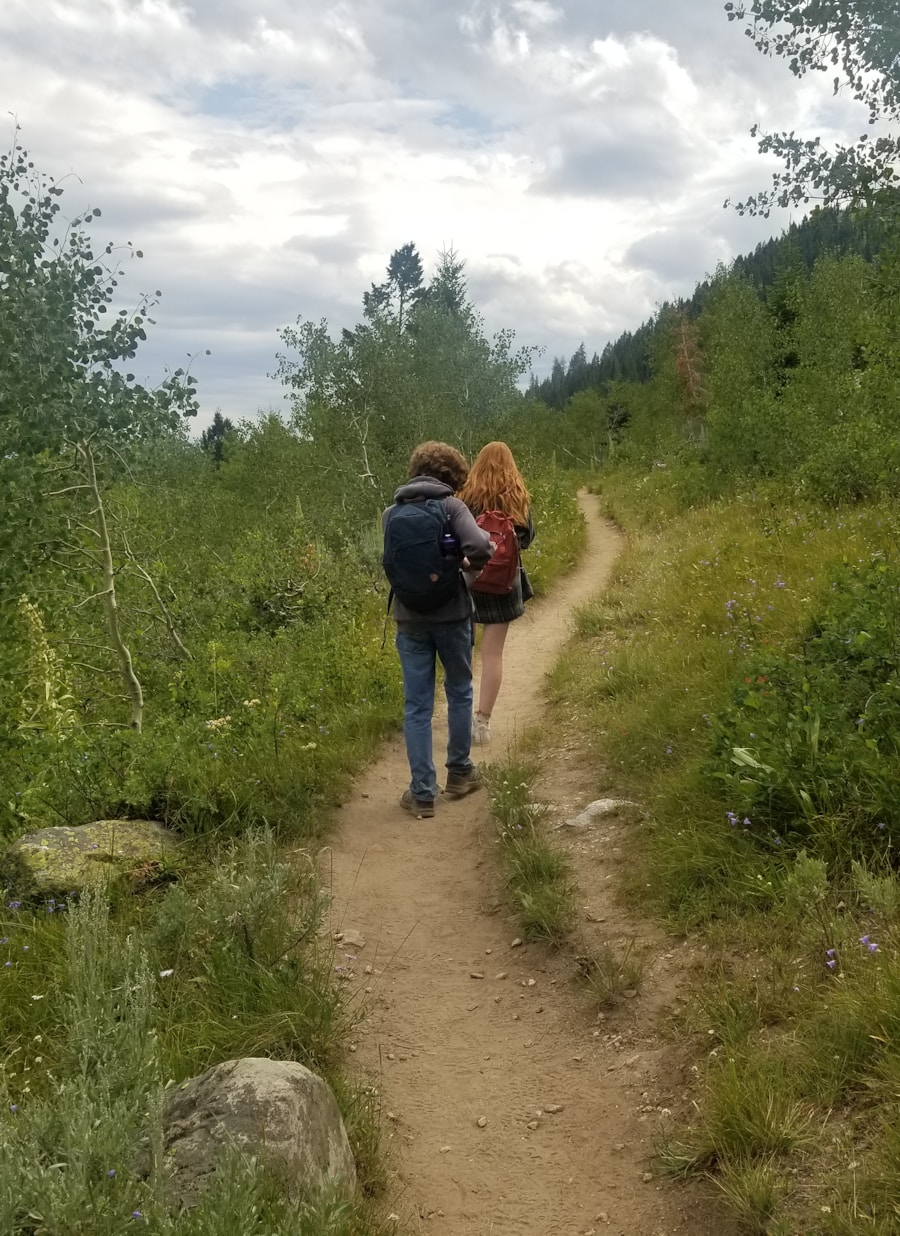
Footwear is one of the most important comfort decisions. Choose hiking shoes or boots that fit securely, leave enough room for your toes, and provide traction appropriate for the surface you expect. Blisters, pressure points, or persistent foot pain can quickly derail an otherwise sustainable routine.
Wear moisture-managing clothing and use layers when weather can change. A light insulating layer and rain protection may be appropriate even when conditions look comfortable at the trailhead. A hat, sunglasses, and sun protection can also be important on exposed routes.
For longer or more remote hikes, use a backpack that carries your supplies comfortably. Do not deliberately fill it with extra weight simply to burn more calories. The National Park Service advises hikers to choose a route and pack load that fit their abilities.
Do Not Forget the Ten Essentials
The National Park Service organizes basic preparedness into ten systems:
- Navigation
- Sun protection
- Insulation and weather layers
- Illumination such as a headlamp
- First-aid supplies
- Fire-starting equipment where appropriate and permitted
- Repair kit and tools
- Extra food
- Water and water-treatment supplies
- Emergency shelter
The exact equipment you need depends on the trail, weather, season, remoteness, and length of the hike. A paved urban nature trail and a remote mountain route do not require identical preparation.
Incorporating Interval Training and Resistance Exercises into Your Hiking Routine
| Potential Benefit | Practical Impact |
| Improved cardiovascular endurance | Can make longer hikes and sustained climbs feel more manageable. |
| Greater lower-body strength and work capacity | Can improve your ability to handle hills and uneven terrain. |
| Higher intensity during harder segments | Raises energy use during those segments, but does not make intervals uniquely superior for weight loss. |
| Improved balance and movement control | Strength and balance work can complement hiking on uneven surfaces. |
| More varied training | Variety can keep a routine interesting without making every outing maximally difficult. |
Intervals are optional. A simple trail interval session might begin with an easy warm-up, followed by several short brisk or uphill sections separated by easier walking. For example, hike briskly for 1 to 2 minutes, recover at a comfortable pace for 2 to 3 minutes, and repeat several times if you remain in control.
Do not interpret harder as automatically better. The 2024 American College of Sports Medicine consensus statement on physical activity and body weight found that high-intensity interval training does not appear superior to moderate-to-vigorous physical activity for body-weight regulation.
Note: You can lose weight without doing trail intervals. Longer comfortable hikes, brisk walking, hills, cycling, swimming, and many other activities can all contribute to your weekly activity and energy expenditure.
Resistance training is still useful because federal physical-activity guidance recommends strengthening all major muscle groups on at least two days per week. Squats, step-ups, lunges, rows, presses, and other appropriately selected exercises can complement hiking.
If you perform bodyweight movements during a hike, use a flat, stable area away from cliffs, traffic, fragile vegetation, and other trail users. A separate strength session at home or in a gym is often simpler and safer than trying to turn every scenic stop into a workout station.
Understanding the Role of Nutrition in Hiking for Weight Loss
Hiking can increase the calories you use, but nutrition remains a major part of weight management. The National Institute of Diabetes and Digestive and Kidney Diseases recommends a sustainable eating pattern that includes vegetables, whole fruits, whole grains, appropriate dairy or alternatives, protein foods, and healthy oils.
Before the Hike
For a longer outing, eat a normal balanced meal that you know sits well before activity. A meal containing carbohydrate for readily available energy, protein, and other nutrient-dense foods can be practical. Examples include oatmeal with fruit and yogurt, eggs with whole-grain toast and fruit, or rice with vegetables and a lean protein.
During the Hike
Bring enough food and water for the route and conditions. Fruit, nuts, trail mix, sandwiches, and bars are portable options. Remember that trail mix and some energy bars are calorie-dense. That can be useful on long hikes, but large portions can also replace much of the energy you used if your main goal is weight loss.
Hydration needs vary with heat, humidity, altitude, body size, pace, and duration. The National Park Service’s current Great Smoky Mountains guidance uses at least 1 liter of water per 2 hours of hiking as a park-specific planning reference, but hotter or more strenuous environments may require different preparation. Research the location you are actually visiting rather than relying on one universal water formula.
After the Hike
You do not need a special “fat-burning” recovery food. Return to a balanced meal containing protein, carbohydrate, vegetables or fruit, and enough fluid to replace what you lost. Protein supplies amino acids used in the maintenance and repair of body tissues, while carbohydrate helps replenish energy stores.
Pro Tip: Avoid automatically eating back every calorie your watch says you burned. Wearable calorie numbers are estimates, so use hunger, your overall eating plan, hiking performance, and longer-term weight trends together.
Overcoming Challenges and Staying Motivated on Your Hiking Weight Loss Journey

Weather, time, soreness, and changing motivation can interrupt even a good hiking routine. Plan for those interruptions instead of treating them as failure.
Check the forecast and trail conditions before leaving. If thunderstorms, extreme heat, wildfire conditions, flooding, ice, or another hazard makes your original route inappropriate, choose a safer trail, shorten the outing, or use an indoor alternative that day.
Boredom is another common problem. Rotate among local trails, vary distance and elevation, hike with a friend, watch birds, photograph scenery, or work toward a destination that matters to you. Enjoyment is valuable because sustainable activity is more useful than a punishing routine you abandon after two weeks.
Nature itself may add to the appeal. A 2024 meta-analysis found beneficial mental-health effects from nature exposure in the populations studied, including effects related to mood and stress. That evidence should not be interpreted as a guarantee for every individual, but it supports the idea that outdoor activity can offer benefits beyond calorie expenditure.
Allow Time for Recovery
Muscles, tendons, feet, and joints need time to adapt to a larger hiking load. Do not increase mileage, elevation gain, pack weight, and pace all at once. If you are unusually sore, fatigued, or developing persistent pain, make the next session easier rather than forcing progress.
Safety Tips for Hiking for Weight Loss
Weight loss is never a reason to ignore trail safety. Research the route before leaving, including mileage, elevation gain, terrain, current closures, weather, water availability, and expected daylight.
Tell someone where you are going, the route you expect to take, and when you plan to return. On remote hikes, do not assume you will have cellular service.
The National Park Service recommends matching the trail to your ability, carrying the Ten Essentials, keeping track of time and distance, taking breaks, and turning around when a hike becomes more difficult than expected.
- Carry appropriate navigation and know how to use it.
- Check weather and official trail alerts before leaving.
- Carry adequate water, food, and any necessary water-treatment method.
- Bring a headlamp or other reliable light even when you expect to finish before dark.
- Carry basic first aid and personal medications.
- Use sun protection and weather-appropriate layers.
- Keep a turnaround time so a slow hike does not become an unplanned night hike.
- Watch your footing around loose rock, wet roots, ice, cliffs, stream crossings, and other hazards.
Warning: This article provides general fitness information, not individualized medical advice. If you have heart disease, diabetes, significant joint problems, another condition that affects exercise tolerance, or unexplained symptoms such as chest pain, fainting, or severe shortness of breath, seek appropriate medical guidance before starting or intensifying an exercise program.
Be Extra Careful in Heat and at Altitude
Hot weather and higher elevations can make a familiar amount of exercise much harder. Shorten the route when necessary, slow your pace, carry adequate water, take breaks, and allow time to acclimate when traveling to elevations well above those you are used to.
If conditions feel wrong, turn around. Finishing a planned mileage target is never more important than getting home safely.
Tracking Your Progress and Setting Realistic Goals for Weight Loss Through Hiking
Fitness apps and wearable devices can make it easier to record time, distance, route, elevation, pace, and heart rate. Those numbers can be useful for comparing your own hikes over time.
Be more cautious with calorie figures. A 2024 umbrella review of consumer wearables found meaningful variability across measures of physical activity and energy expenditure. A watch can still be useful for trends, but its calorie display is not a direct measurement of exactly how much energy your body used.
A simple progress log might record:
- Hiking days per week
- Total weekly hiking minutes
- Distance
- Elevation gain
- Perceived effort
- Any foot, joint, or muscle discomfort
- Average body-weight trend if weight loss is a goal
Set Performance Goals Alongside Scale Goals
Scale goals can take time and are affected by factors outside a single workout. Performance goals give you additional ways to see progress. Examples include completing three hikes in a week, walking a familiar climb with fewer stops, hiking for 60 minutes comfortably, or completing a slightly longer trail safely.
What to Do When Weight Loss Stalls
A plateau does not automatically mean hiking has stopped working. First look at several weeks of data rather than a few days. Then review the parts of the plan you can control:
- Has weekly hiking time or general daily activity decreased?
- Have snack, restaurant, or beverage calories gradually increased?
- Are long hikes leading to much larger meals afterward?
- Are you relying on a watch’s calorie estimate when deciding how much extra to eat?
- Could sleep, stress, medication, or a health issue be affecting weight or appetite?
If the routine has become easy and recovery is good, you can gradually add time, distance, modest elevation, or another active day. You do not need to make every hike faster or harder.
Hiking is therefore a useful weight-management tool, but not because it has a special fat-burning effect. It works by helping you accumulate meaningful physical activity and energy expenditure in a form many people enjoy. Current CDC and ACSM evidence supports regular physical activity as part of weight management, especially when it is combined with a sustainable eating pattern and progressed at a level you can maintain.
Frequently Asked Questions
What is hiking?
Hiking is walking for recreation or exercise on trails, paths, or natural terrain. It can range from easy, mostly level routes in parks to steep mountain trails that require much greater fitness and preparation.
Can you lose weight by hiking?
Yes. Hiking increases energy expenditure and can help create the calorie deficit needed for weight loss. Results still depend on your overall food intake, total activity, body size, health, sleep, and how consistently you follow the routine.
How does hiking help with weight loss?
Hiking uses energy while also providing aerobic exercise. Hills and uneven terrain can increase the physical demand compared with easy level walking. For weight loss, the most important factor is whether your overall activity and eating pattern create a sustainable energy deficit over time.
How many calories does hiking burn?
It depends on body weight, pace, elevation, terrain, duration, and pack load. The CDC estimates about 370 calories per hour for moderate hiking by a 154-pound person. The 2024 Adult Compendium lists normal hiking through fields and hillsides at about 5.3 METs and cross-country hiking at about 6.0 METs.
What are the benefits of hiking for weight loss?
Hiking can increase weekly physical activity, improve cardiovascular fitness, challenge the legs, and add meaningful energy expenditure. Time outdoors may also support mood and stress management for some people, which can make an active routine more enjoyable and sustainable.
How often should you hike to lose weight?
There is no single required number of hikes. A practical goal is to use hiking and other aerobic activity to work toward at least 150 minutes of moderate activity per week, then increase gradually if appropriate. Adults should also include muscle-strengthening activity on at least two days each week.
Is hiking better than running for weight loss?
Not necessarily. Running usually burns more calories per unit of time, while hiking may be easier for some people to sustain for longer periods. The better choice is the activity you can perform safely and consistently while still recovering well and maintaining your overall weight-management plan.
Should you carry a heavier backpack to burn more calories?
A heavier load increases the work required, but adding unnecessary weight also increases physical stress. Beginners are better served by progressing duration, hills, or pace gradually and carrying only the gear, water, food, and safety equipment appropriate for the trip.
Are there any tips for using hiking as a weight loss strategy?
Start with manageable trails, hike consistently, increase one training variable at a time, combine hiking with strength work, follow a sustainable eating pattern, and use wearable calorie figures only as estimates. Track weekly trends rather than expecting the scale to drop after every hike.
Sources
- CDC — Physical Activity and Your Weight and Health — calorie expenditure, weight management, activity intensity, and weekly exercise guidance.
- 2024 Adult Compendium of Physical Activities — current MET values for hiking and other physical activities.
- American College of Sports Medicine — Physical Activity and Excess Body Weight and Adiposity for Adults — current evidence on exercise volume, intensity, and weight management.
- National Park Service — Hiking and the Ten Essentials — trail selection, preparedness, water, gear, and hiking safety.
- National Institute of Diabetes and Digestive and Kidney Diseases — Eating and Physical Activity to Lose or Maintain Weight — nutrition, physical activity, goal setting, and weight-management guidance.
- Bettmann et al. — Nature Exposure and Mental Health Meta-Analysis — evidence regarding nature exposure, mood, stress, and mental-health outcomes.

