
Last Updated on September 10, 2026 by Daniel Globe
Hiking can be an excellent part of a weight-loss plan because it raises your energy expenditure while building cardiovascular fitness and challenging your legs, hips, and core. It also gives you an easy way to vary duration and intensity as your fitness improves. The key, however, is consistency: hiking works best alongside healthy eating habits, enough recovery, and a realistic calorie deficit.
Quick Answer
Yes, hiking can support weight loss by increasing the number of calories you use and helping you build an active routine. Results depend on your body size, pace, terrain, hike duration, and eating habits. For most people, hiking works best as part of a broader plan that combines regular activity with sustainable nutrition.
Key Takeaways
- Hiking can help with weight loss by increasing daily energy expenditure, but it does not guarantee weight loss on its own.
- The CDC estimates that a 154-pound person may use about 370 calories during an hour of hiking, although real calorie burn varies widely.
- Adults should generally work toward 150–300 minutes of moderate aerobic activity each week plus muscle-strengthening work on at least 2 days.
- Beginners should start with manageable trails and gradually add time, distance, or climbing instead of increasing everything at once.
- Steeper terrain can increase effort, but technical trails and unnecessary pack weight also increase fatigue and injury risk.
- Nature-based walking may improve mood and reduce symptoms of anxiety or depression, although individual results vary.
- Trail safety still comes first: check conditions, leave a trip plan, carry appropriate supplies, and turn around when conditions exceed your ability.
At a Glance
| Time Required | Start with about 20–30 minutes if needed, then gradually build toward your weekly activity target. |
| Difficulty | Easy to vigorous depending on pace, elevation gain, terrain, weather, altitude, and pack weight. |
| Tools Needed | Suitable footwear, water, weather-appropriate clothing, navigation, food for longer outings, and trip-specific safety gear. |
| Cost | Often free on local trails, although parking, entrance fees, transportation, footwear, or other gear may add cost. |
Disclosure: As an Amazon Associate I earn from qualifying purchases. Some links on this page are affiliate links, at no extra cost to you.
Does Hiking Help You Lose Weight?
Hiking can help you lose weight because physical activity increases the amount of energy your body uses. When total energy expenditure exceeds the calories you consume over time, body weight can decrease.
The important part is that hiking is only one side of that equation. According to the Centers for Disease Control and Prevention, physical activity combined with eating fewer calories creates the calorie deficit that produces weight loss. The CDC also notes that most weight loss generally comes from reducing calorie intake, while regular physical activity is especially important for health and maintaining weight loss.
Note: Hiking does not need to produce rapid weight loss to be worthwhile. Better cardiovascular fitness, stronger legs, improved stamina, better sleep, and greater confidence on the trail are meaningful progress even when the scale moves slowly.
How Hiking Burns Calories
The number of calories used during a hike depends on several variables, including body weight, walking speed, elevation gain, trail surface, altitude, temperature, hike duration, and the amount of weight being carried.
As a useful reference point, the CDC estimates that a 154-pound person uses about 370 calories during one hour of hiking. That is an example rather than a promise. A smaller person on a gentle path may use less, while a larger person climbing a steep route may use considerably more.
For a 154-pound person, the CDC’s current activity table estimates approximately 370 calories per hour of hiking.
Why Hills and Uneven Terrain Feel Harder
Climbing requires your muscles to lift your body against gravity, so uphill hiking generally raises effort compared with level walking at a similar pace. Uneven ground also requires more balance and stabilization. Descents may feel easier on your cardiovascular system, but they can still place substantial demand on your legs.
You do not need the steepest available trail to get a useful workout. A moderate trail completed consistently is usually more valuable than an overly difficult route that leaves you too sore, exhausted, or discouraged to stay active.
What About the Afterburn Effect?
Your oxygen consumption and energy expenditure can remain somewhat elevated after exercise. This is known as excess post-exercise oxygen consumption, or EPOC. However, research shows that the size of this effect depends heavily on exercise intensity and duration. Moderate continuous exercise generally produces a smaller EPOC than harder interval-style exercise.
For practical weight loss, focus on the calories used during regular activity and your overall eating pattern rather than relying on a large post-workout “afterburn.” A systematic review of EPOC research found greater effects after high-intensity interval exercise than after moderate continuous exercise.
Incorporating Hiking into a Weight Loss Plan
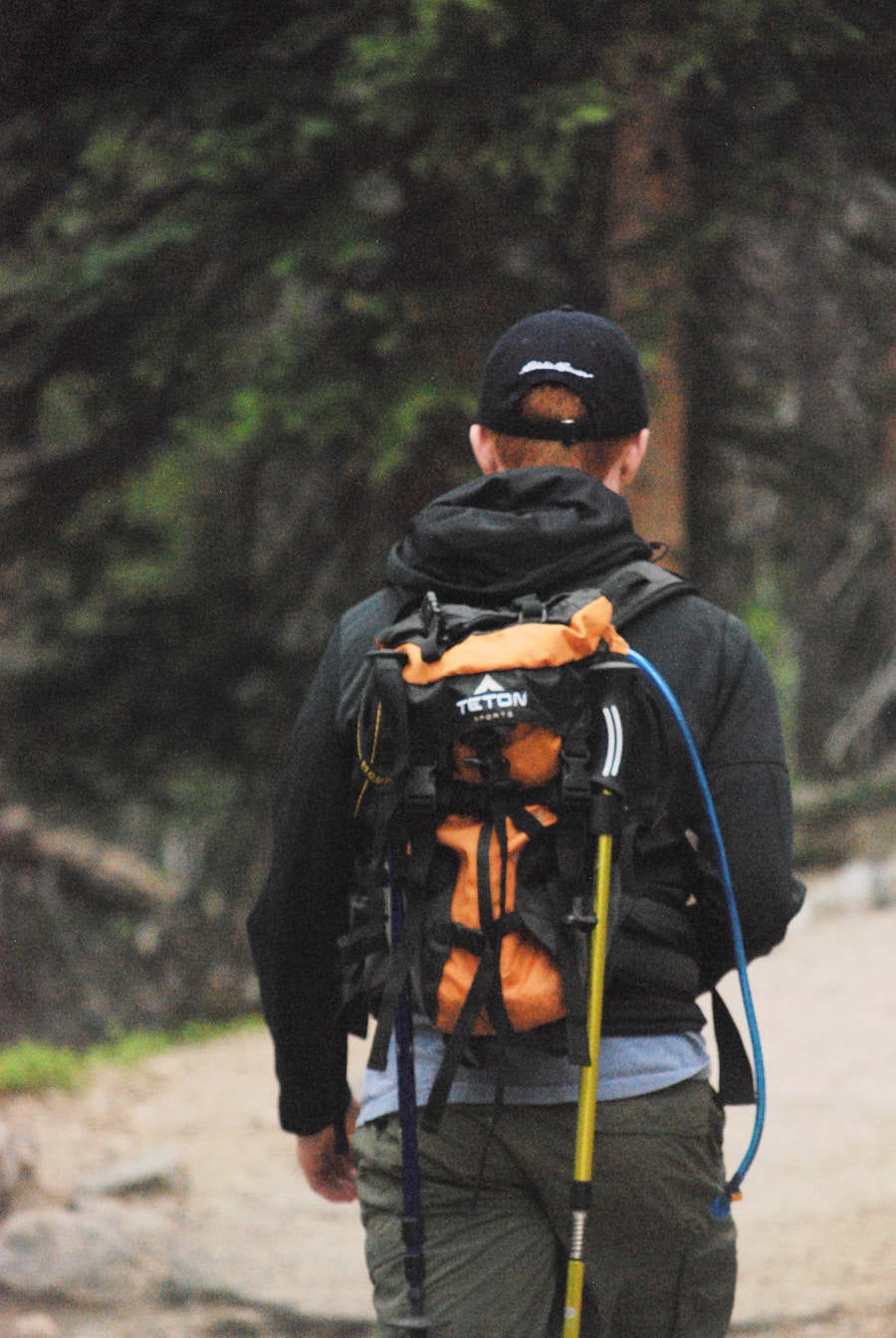
Consistency matters more than completing one enormous hike. Pick hiking days that realistically fit your schedule, then use shorter walks or other activity on busy days.
Current U.S. physical activity guidance recommends that adults get at least 150–300 minutes of moderate-intensity aerobic activity per week for substantial health benefits, along with muscle-strengthening activity on at least 2 days each week. Some people may need more activity, dietary changes, or both to reach or maintain their desired weight. The recommendations are summarized by the U.S. Office of Disease Prevention and Health Promotion.
A Simple Beginner Progression
If you are new to hiking, start at a level you can recover from comfortably. For example:
- Weeks 1–2: Choose easy, well-marked trails and hike for roughly 20–30 minutes at a comfortable pace.
- Weeks 3–4: Add 5–15 minutes to selected outings or include a few gentle hills.
- Weeks 5–6: Extend one hike each week while keeping other sessions easier.
- After that: Increase either duration, climbing, pace, or technical difficulty gradually rather than changing all four at once.
A fitness journal or tracking app can help you record distance, elevation gain, duration, perceived effort, and how you felt afterward. These measures often reveal improving fitness even during weeks when body weight changes little.
Pro Tip: Use the talk test to judge effort. During moderate activity, your breathing should be noticeably faster, but you should generally still be able to carry on a conversation. If you are too breathless to speak comfortably, you have moved into a harder intensity.
Sample Weekly Hiking and Exercise Plan
- Monday: 30-minute brisk walk or easy hike.
- Tuesday: Full-body strength training.
- Wednesday: Rest or light walking.
- Thursday: 30–45-minute moderate hike with some hills.
- Friday: Strength training.
- Saturday: Longer easy-to-moderate hike.
- Sunday: Rest, mobility work, or an easy recovery walk.
This is only an example. Your total weekly activity, recovery, experience, health, and schedule matter more than following a specific number of hiking days.
Nutrition and Recovery for Hiking Weight Loss
Hiking works better for weight management when it is paired with an eating pattern you can maintain. Extreme calorie restriction can leave you fatigued on the trail and may make training harder to sustain.
Build most meals around nutrient-dense foods such as vegetables, fruit, whole grains, beans, lean proteins, dairy or suitable alternatives, nuts, seeds, and healthy fats. Before a longer hike, eat enough to start with useful energy. Carry food when the route length, remoteness, or conditions make it appropriate.
After hiking, focus on normal hydration, a balanced meal, and recovery rather than trying to “earn” or “cancel out” food with exercise. Calorie estimates from watches and apps are best treated as estimates rather than exact numbers.
The CDC notes that healthy weight loss is supported by regular physical activity, nutritious eating patterns, enough sleep, and stress management. Gradual, steady weight loss is also more likely to be maintained over time.
The Mental and Emotional Benefits of Hiking for Weight Loss
| Potential Benefit | What the Evidence Supports |
|---|---|
| Reduced Stress and Anxiety | Walking and nature-based activity have been associated with reductions in anxiety symptoms, although the size of the effect varies. |
| Improved Mood | Physical activity and time in natural environments may improve mood for many people, but there is no universal percentage improvement. |
| Enhanced Mental Clarity | Regular physical activity supports brain health, while some people also find outdoor walking restorative and mentally refreshing. |
| Boosted Self-Esteem | Completing progressively harder hikes may improve confidence and feelings of competence, although responses differ among individuals. |
| Reduced Depression Symptoms | A large systematic review found that walking interventions can reduce depressive symptoms compared with inactive controls. |
Hiking is useful for more than calorie expenditure. A 2024 systematic review and meta-analysis of randomized trials found that walking interventions reduced depressive and anxiety symptoms compared with inactive controls.
Research on walking in natural settings also suggests potential mental-health benefits. That does not mean a hike will produce a predictable percentage drop in stress or prevent depression, but it does support the idea that regular walking can contribute to overall well-being.
The changing scenery, steady walking rhythm, and break from daily routines can also make hiking easier to enjoy than repetitive indoor exercise. Enjoyment matters because an activity you look forward to is generally easier to repeat consistently.
Choosing the Right Hiking Trails for Weight Loss
The best trail for weight loss is not necessarily the hardest one. Choose a route that gives you enough challenge to raise your breathing and heart rate while still allowing you to finish safely and recover well.
Beginners should favor well-marked trails with manageable grades and predictable footing. As fitness improves, you can gradually introduce longer distances, greater elevation gain, or more varied terrain.
Use These Factors to Compare Trails
- Distance: Longer routes increase total activity time but also require more energy, water, and planning.
- Elevation gain: More climbing generally increases intensity.
- Surface: Rocks, roots, mud, sand, snow, and loose gravel demand more balance and attention.
- Altitude: Higher elevations can make a familiar pace feel much harder.
- Exposure: Sun, heat, cold, wind, and lack of shade can change the difficulty dramatically.
- Navigation: Remote or poorly marked trails require greater planning and skill.
Loops and out-and-back routes can both work well. An out-and-back route makes it especially easy to control duration because you can set a turnaround time before starting.
Tips for Making the Most of Hiking for Weight Loss
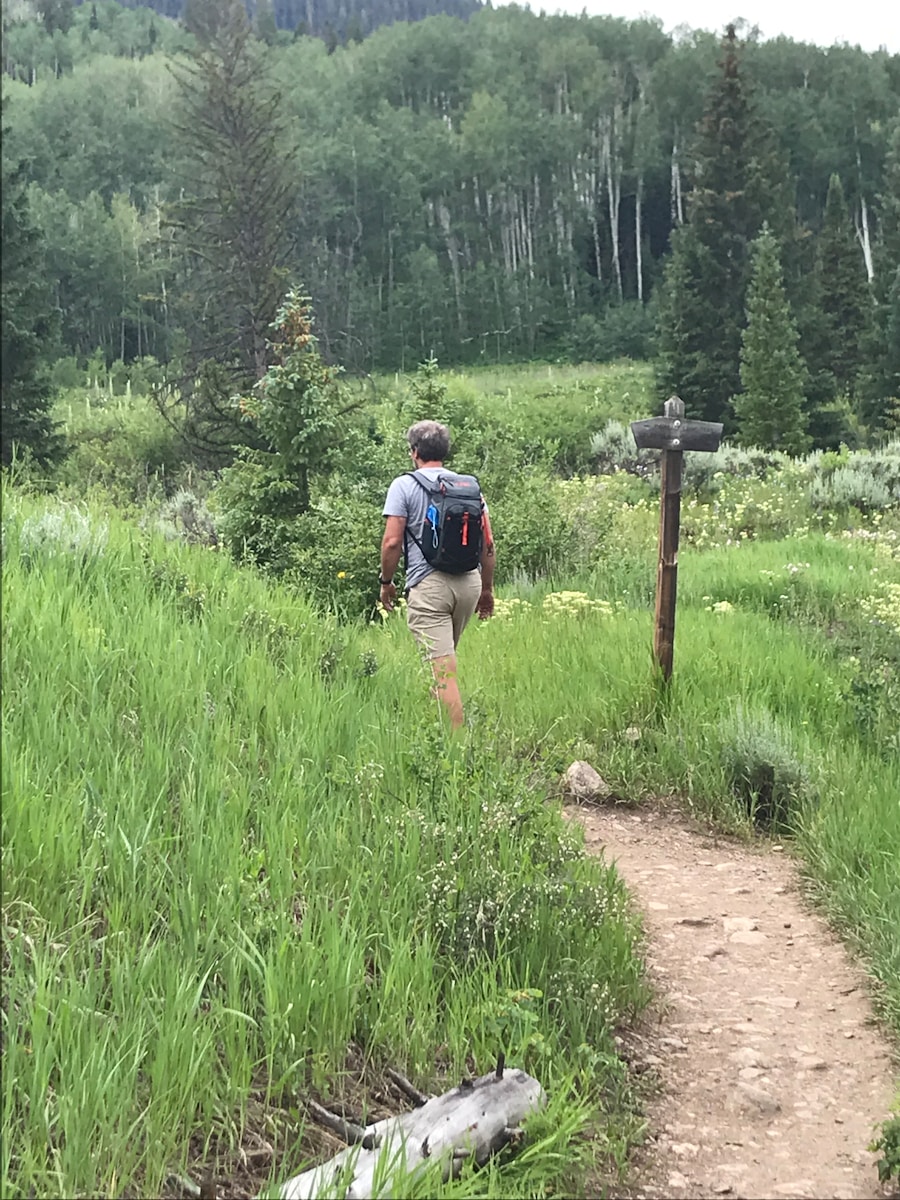
1. Increase Intensity Safely
On a suitable trail, you can add brief periods of faster walking or use hills as natural intervals. Walk harder on a climb, then recover at an easier pace on flatter terrain.
Avoid jogging or doing speed intervals on technical, slippery, crowded, or exposed trail sections. Footing and situational awareness matter more than maximizing calorie burn.
2. Do Not Add Unnecessary Pack Weight
A heavier backpack raises the physical demand of hiking, but deliberately carrying extra weight simply to burn more calories is not necessary for a successful weight-loss plan. It can also make a route more tiring.
Carry the supplies required for your outing and use a pack weight you can manage comfortably. Trekking poles can be useful for balance and support on some terrain, but they are optional rather than a requirement for weight loss.
3. Build Duration Before Chasing Extreme Terrain
Adding 10–20 minutes to a manageable hike is often a safer progression than suddenly choosing a much steeper or more technical trail. Consistent weekly activity is the goal.
4. Combine Hiking With Strength Training
Hiking strongly challenges the legs and cardiovascular system, but it is not a complete replacement for resistance training. Two weekly strength sessions can train muscle groups that hiking may not challenge sufficiently, especially the chest, back, shoulders, and arms.
5. Track More Than Calories
Record your hiking time, elevation gain, pace, distance, heart-rate response if available, and perceived effort. Being able to complete the same trail with less fatigue is a meaningful sign of progress even if your calorie estimate barely changes.
Precautions and Safety Measures for Hiking for Weight Loss
Weight-loss goals should never push you to ignore weather, fatigue, pain, darkness, trail closures, or unsafe terrain. The National Park Service recommends knowing your limits, choosing an appropriate trail, checking conditions, leaving a trip plan, and preparing for emergencies before setting out.
Warning: Do not continue a hike simply to reach a calorie, distance, or weight-loss target when you are becoming injured, confused, severely fatigued, overheated, unusually short of breath, or threatened by worsening conditions. Turn around or seek help when safety requires it.
Check the Route and Weather
Review the forecast, trail alerts, expected elevation, route length, daylight, water availability, and any known hazards before leaving. Conditions can make an otherwise easy trail much harder.
Leave a Trip Plan
Tell a trusted person where you are going, your intended route, who is with you, and when you expect to return. Do not assume you will have reliable cellular coverage in remote areas.
Carry the Ten Essentials
The National Park Service Ten Essentials provide a useful starting point for outdoor preparation:
- Navigation
- Sun protection
- Insulation or extra clothing
- Illumination
- First-aid supplies
- Fire-starting equipment where appropriate and permitted
- Repair kit and tools
- Extra food
- Emergency shelter
- Water and water-treatment supplies
Your exact kit should match the location, season, remoteness, weather, and duration of your trip.
Wear Footwear That Matches the Terrain
You do not automatically need heavy hiking boots for every walk. What matters is secure, comfortable footwear with traction appropriate for the surface. Technical, wet, snowy, or rocky trails may require more supportive or protective footwear than a maintained park path.
Know When to Get Individual Advice
If you have been inactive for a long time, have significant cardiovascular or joint concerns, are pregnant, take medications that affect exercise tolerance, or have another condition that may change how you respond to exertion, speak with a qualified health professional about an appropriate starting level.
Note: This article provides general fitness information and is not a substitute for individualized medical advice, diagnosis, or treatment.
Combining Hiking with Other Forms of Exercise for Weight Loss
Hiking can serve as your main aerobic activity, but combining it with other exercise creates a more complete fitness program. Cycling, swimming, brisk walking, or similar activities can maintain cardiovascular training on days when trail access is inconvenient.
Strength training is particularly useful because it helps maintain and build muscle while improving your ability to climb, descend, carry gear, and stay stable on uneven terrain. Current U.S. guidelines recommend muscle-strengthening activity involving the major muscle groups on at least 2 days each week.
Mobility, balance work, and easier recovery walks can also complement hiking. Variety reduces the need to make every hike longer or harder simply to keep progressing.
How to Measure Progress
The bathroom scale is only one measure of success. Useful signs that your hiking plan is working include:
- Completing a familiar route with less effort.
- Walking longer before needing a break.
- Climbing hills with better breathing control.
- Recovering faster after hikes.
- Increasing weekly activity without persistent soreness.
- Improving waist measurements or clothing fit.
- Maintaining a steady, sustainable weight trend over several weeks.
Day-to-day body weight changes because of hydration, food, sodium, glycogen, and other factors. Look for trends rather than judging the success of your program from one weigh-in.
Hiking is a practical way to stay active, enjoy the outdoors, and increase weekly energy expenditure. The most reliable approach is not to chase the hardest trail or the biggest calorie estimate. Build a routine you can repeat, combine it with sensible eating habits and strength work, and increase the challenge gradually. That approach supports both fitness and long-term weight management.
Love travel? Join Our Facebook Community For More Tips.
Frequently Asked Questions
Is hiking a good way to lose weight?
Yes. Hiking can support weight loss by increasing energy expenditure and helping you accumulate regular aerobic activity. It works best alongside eating habits that produce a sustainable calorie deficit rather than as a standalone guarantee of weight loss.
How many calories can you burn while hiking?
Calorie use varies with body weight, pace, elevation, terrain, weather, duration, and pack weight. As one reference point, the CDC estimates about 370 calories per hour of hiking for a 154-pound person. Treat any calorie number as an estimate rather than an exact result.
What are the benefits of hiking for weight loss?
Hiking increases energy expenditure, improves cardiovascular fitness, challenges the lower body and core, and can make regular physical activity more enjoyable. Nature-based walking may also support mood and reduce symptoms of anxiety or depression for some people.
How often should I hike to see weight loss results?
There is no single required number of hikes. A better goal is to build toward the general recommendation of 150–300 minutes of moderate aerobic activity each week, along with strength training on at least 2 days. Some people need more activity or dietary adjustment for weight loss.
Are there specific types of hikes that are better for weight loss?
Longer hikes and routes with climbing can raise total energy expenditure, but the best trail is one that challenges you without exceeding your ability or preventing recovery. Consistency is more important than choosing the steepest terrain available.
Can hiking alone lead to weight loss, or should it be combined with other exercises?
Hiking can contribute to weight loss on its own when total energy intake remains below expenditure, but combining it with strength training creates a more balanced program. Nutrition also has a major influence on whether body weight actually decreases.
Can hiking specifically reduce belly fat?
Hiking cannot selectively remove fat from the abdomen. When a sustained calorie deficit leads to overall fat loss, abdominal fat may decrease along with fat stored elsewhere in the body.
Should I carry a weighted backpack to burn more calories?
Extra load increases effort, but you do not need to add unnecessary weight for weight loss. Carry the food, water, clothing, navigation, and emergency supplies appropriate for the route, and keep the load within your ability.
Sources
- Centers for Disease Control and Prevention — Physical Activity and Your Weight and Health — calorie expenditure, calorie deficit, and weight-management guidance.
- U.S. Office of Disease Prevention and Health Promotion — Physical Activity Guidelines — weekly aerobic and muscle-strengthening recommendations.
- National Park Service — Hike Smart — trail planning, weather, ability, communication, and emergency preparation.
- National Park Service — Ten Essentials — recommended hiking preparedness systems.
- Systematic Review and Meta-Analysis of Walking, Depression, and Anxiety — evidence concerning mental-health effects of walking.
- Systematic Review of Excess Post-Exercise Oxygen Consumption — evidence concerning EPOC and exercise intensity.
