
Last Updated on September 10, 2026 by Daniel Globe
Emirates Airline, the flagship carrier of the United Arab Emirates, has established itself as a prominent player in the global aviation industry since its inception in 1985. Operating from its global hub at Dubai International Airport (DXB), Emirates has grown from a modest airline with just two aircraft into one of the largest carriers in the world, boasting a modern fleet of over 250 wide-body aircraft—primarily Airbus A380s and Boeing 777s—serving more than 150 destinations across six continents. Recognized globally for its luxury passenger experiences, the airline’s rapid growth has been matched by a steadfast commitment to operational integrity, flight safety, and rigorous crew training.
Quick Answer
Emirates is widely considered one of the safest airlines in the world, holding a top 7-star safety rating from AirlineRatings.com and full IATA IOSA certification. Across four decades of commercial operations, Emirates has recorded zero fatal passenger crashes, backed by advanced fleet telemetry, rigorous pilot simulator evaluations, and stringent maintenance oversight.
Key Takeaways
- Emirates holds a flawless passenger fatality-free record across all scheduled jet airliner operations since its founding in 1985.
- The airline complies with international benchmarks, maintaining full registration under the IATA Operational Safety Audit (IOSA).
- Pilot proficiency is reinforced through recurring biannual full-flight simulator evaluations at the dedicated Emirates Flight Training Academy.
- Predictive health-monitoring technology tracks engine performance and aircraft systems in real time to prevent mechanical failures.
Disclosure: As an Amazon Associate I earn from qualifying purchases. Some links on this page are affiliate links, at no extra cost to you.
Safety Measures and Protocols in Place at Emirates
Emirates Airline places paramount importance on the safety of its passengers and crew, implementing a comprehensive array of safety protocols that adhere strictly to standards set by the General Civil Aviation Authority (GCAA) of the UAE and the International Civil Aviation Organization (ICAO). The airline’s Safety Management System (SMS) is designed to systematically identify, assess, and mitigate operational risks across ground operations, maintenance, and flight execution.
One of the central pillars of Emirates’ safety infrastructure is its intensive training curriculum for flight and cabin personnel. Pilots complete continuous development courses at the state-of-the-art Emirates Aviation University and Training College in Dubai. Cabin crew undergo rigorous initial and recurrent safety training covering emergency evacuations, fire-fighting, aviation medicine, and advanced first aid. Regular unannounced audits and operational assessments reinforce these protocols, maintaining continuous operational readiness.
Pro Tip: Passengers can review safety briefing cards located in the seatback pocket prior to takeoff. Familiarizing yourself with the nearest exit locations—counting the number of seat rows to those exits—is one of the most effective personal safety habits on any flight.
The History of Emirates and Its Safety Record
Since commencing operations in October 1985 with a leased Boeing 737 and an Airbus A300, Emirates has maintained an exemplary passenger safety record. The carrier’s rapid expansion led to a strategic decision to standardize its fleet exclusively on modern wide-body aircraft—specifically the Airbus A380 and Boeing 777 series. Modern avionics, redundant safety systems, and improved aerodynamic performance inherently characterize these long-haul platforms.
In evaluating its history, Emirates has experienced very few major operational safety incidents:
- 2009 (Flight 407): An Airbus A340-500 suffered a severe tailstrike during takeoff from Melbourne Airport due to incorrect weight parameter inputs. The flight crew safely returned to the airport without injuries to passengers or crew.
- 2016 (Flight 521): A Boeing 777-300 crash-landed at Dubai International Airport during a go-around maneuver. While the aircraft suffered severe fire damage resulting in a total hull loss, all 300 passengers and crew members successfully evacuated the cabin without passenger fatalities—a testament to the effectiveness of cabin crew emergency training and airframe structural integrity. Tragically, one airport firefighter lost his life during the emergency response.
Emirates was also among the early adopters of the International Air Transport Association’s (IATA IOSA) Operational Safety Audit program, continuously renewing its compliance credentials without major non-conformities.
Comparing Emirates Safety Record to Other Major Airlines
When evaluated alongside global peer carriers, Emirates consistently ranks near the top of international flight safety indexes. Evaluating safety performance requires examining long-term operational metrics, including fatal hull loss rates per million flight hours.
| Airline | Fatal Passenger Crashes | Passenger Fatalities | AirlineRatings Safety Rating |
|---|---|---|---|
| Emirates | 0 | 0 | 7 / 7 Stars |
| Delta Air Lines | 0 (Last 20+ years) | 0 (Modern era) | 7 / 7 Stars |
| American Airlines | 0 (Last 20+ years) | 0 (Modern era) | 7 / 7 Stars |
| United Airlines | 0 (Last 20+ years) | 0 (Modern era) | 7 / 7 Stars |
Independent aviation safety agency AirlineRatings.com evaluates carriers across operational audits, incident histories, pilot training standards, and fleet age, consistently awarding Emirates its maximum seven-star safety accreditation.
The Role of Technology in Ensuring Safety at Emirates
Technological advancement is integrated directly into Emirates’ day-to-day flight operations. Modern long-haul aircraft in the fleet are equipped with electronic flight bags (EFBs), satellite-linked weather detection tools, and real-time flight management software that allow flight crews to track turbulent air masses, congested airspace, and runway surface conditions in real time.
In engineering and maintenance, Emirates utilizes advanced telemetry systems connected to engine manufacturers (such as General Electric and Rolls-Royce). These platforms continuously stream inflight engine performance diagnostic data directly to ground technicians in Dubai. Through predictive analytics, maintenance crews can identify micro-trends in component wear and perform preventive swaps well before parts exceed operational tolerances.
The Impact of Pilot Training and Experience on Safety at Emirates
Pilots operating for Emirates are selected through strict recruitment criteria requiring extensive multi-engine jet time and thousands of total command hours. Once hired, pilots enter a comprehensive qualification pathway utilizing Level-D Full Flight Simulators (FFS) capable of replicating exact aerodynamic behaviors under severe environmental conditions.
Simulated scenarios cover complex non-normal conditions, including windshear recoveries, engine-out procedures, electrical power degradation, and low-visibility Category III instrument approaches. Crew Resource Management (CRM) principles are heavily emphasized, encouraging open communication, situational awareness, and collaborative decision-making between captains and first officers.
The Importance of Maintenance and Inspection in Preventing Crashes
Airframe maintenance at Emirates is managed through scheduled operational cycles compliant with international airworthiness directives. Maintenance regimes are divided into progressive checks:
- Pre-Flight / Line Maintenance: Visual inspections, tire/brake assessments, and fluid checks conducted prior to every departure.
- A-Checks: Performed roughly every 400–600 flight hours, involving detailed system diagnostics, filter changes, and emergency equipment tests.
- C-Checks & Heavy Maintenance (D-Checks): Periodic intensive overhauls taking place in dedicated hangars where airframes are disassembled, inspected for structural fatigue, and upgraded with modern hardware/software configurations.
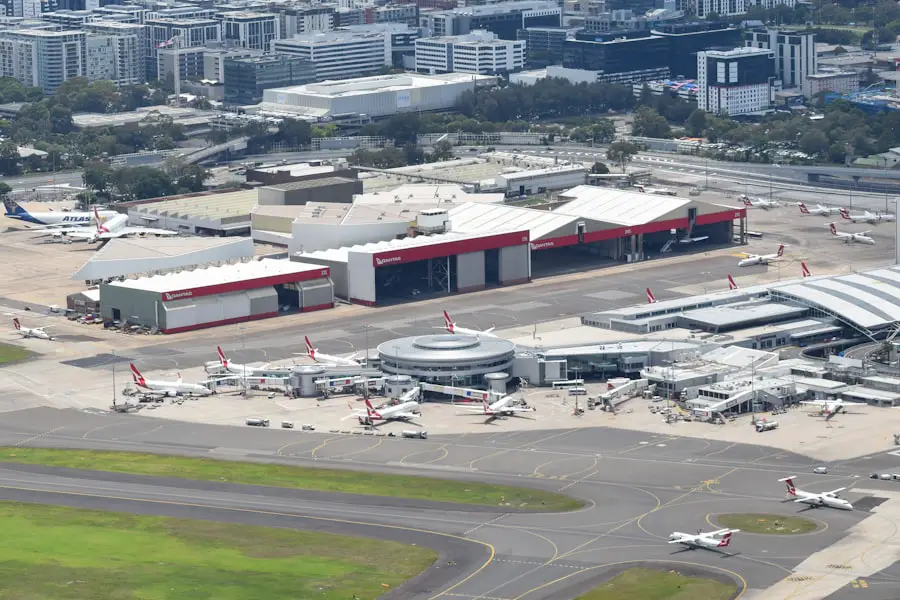
Note: Emirates operates its main engineering facilities at Dubai International Airport, spanning over 55 hectares and including one of the world’s largest civil aviation paint and maintenance hangars.
How Emirates Handles Emergency Situations and Crises
Emirates maintains a integrated Crisis Management Centre in Dubai that operates continuously. In the event of inflight medical emergencies or system advisories, flight crews maintain direct communication via satellite communications with ground support teams, aviation medical consultants (such as MedAire), and specialized dispatch personnel.
Cabin crews are trained to handle medical emergencies onboard, utilizing automated external defibrillators (AEDs), emergency medical kits, and supplemental oxygen. Standardized evacuation procedures ensure that crew members can command passenger evacuations under sub-90-second international compliance windows.
Passenger Safety and Comfort on Emirates Flights
Passenger safety extends to cabin environment design. Emirates’ aircraft are equipped with High-Efficiency Particulate Air (HEPA) filtration systems that refresh cabin air every two to three minutes, filtering out 99.97% of airborne dust, bacteria, and viral particles.
Inflight entertainment systems (ice) double as a communication safety platform, providing clear video demonstrations for seatbelt safety, cabin depressurization protocols, and emergency lighting paths prior to flight departure.
The Future of Safety at Emirates and Its Commitment to Operational Excellence
As aviation operations adopt digital innovations, Emirates is integrating machine learning and predictive artificial intelligence into its operational safety programs. AI algorithms analyze flight data recorder (FDR) outputs across thousands of flight sectors to uncover subtle operational patterns, enabling flight safety teams to proactively refine SOPs (Standard Operating Procedures).
Looking toward fleet additions involving the Airbus A350-900 and Boeing 777X series, Emirates continues to invest heavily in advanced flight deck interfaces and crew training infrastructures to maintain high safety margins across its global route network.
Emirates as a Benchmark in Aviation Safety
Emirates Airline’s safety record reflects decades of investment in modern aircraft technology, continuous pilot training, and structured engineering practices. By upholding stringent international standards and transparency in crisis management, Emirates continues to maintain its position as one of the world’s premier and safest global air carriers.
Frequently Asked Questions
Has Emirates ever had a fatal passenger crash?
No. Emirates has maintained a fatal passenger crash-free record since it began commercial passenger operations in 1985.
What airline has never had a crash in its history?
While few legacy airlines have completely zero hull-loss events over a century, carriers like Qantas, Hawaiian Airlines, and Emirates have zero fatal passenger crashes in the modern jet airliner era.
How long has Qantas been operating without a fatal jet crash?
Qantas has operated for over 70 years in the modern jet era (since 1951) without a single fatal jet airliner crash, giving it one of the longest continuous jet safety records in aviation history.
What safety rating does Emirates hold?
Emirates holds a maximum 7-star safety rating from AirlineRatings.com and is fully registered under the IATA Operational Safety Audit (IOSA) framework.
Sources
- IATA IOSA Program — Operational Safety Audit standards and compliance registry.
- AirlineRatings.com — Independent safety ratings and product evaluations for global commercial carriers.
- Aviation Safety Network — Comprehensive official incident records and safety investigation databases.
