

Last Updated on July 30, 2026 by Mason Reed
Ripstop fabric is a reinforced woven material designed to slow the spread of small tears. You can find it in outdoor clothing, tents, packs, workwear, uniforms, parachute systems, and other products that need a useful balance of strength and weight. The grid is important, but the fiber, yarn size, coating, finish, and overall construction determine how the finished fabric actually performs.
Quick Answer
Ripstop is a weaving construction that places stronger reinforcement yarns through a base fabric in a grid or similar pattern. The reinforcement helps contain small rips, but it does not make the material tear-proof, waterproof, flame-resistant, or UV-protective unless the finished fabric is specifically designed and tested for those properties.
Key Takeaways
- Ripstop describes a reinforced weave, not a single fiber or brand.
- Nylon, polyester, cotton, blends, and specialty fibers can all be used in ripstop constructions.
- The grid can limit tear growth, but abrasion, punctures, seam failure, and large cuts can still damage the fabric.
- Waterproofing, UV protection, flame resistance, and insect repellency are separate features that must be stated on the product specification.
- Choose and care for ripstop by reading the complete material and care label, not by relying on the word “ripstop” alone.
Disclosure: As an Amazon Associate I earn from qualifying purchases. Some links on this page are affiliate links, at no extra cost to you.
Understanding Ripstop Fabric
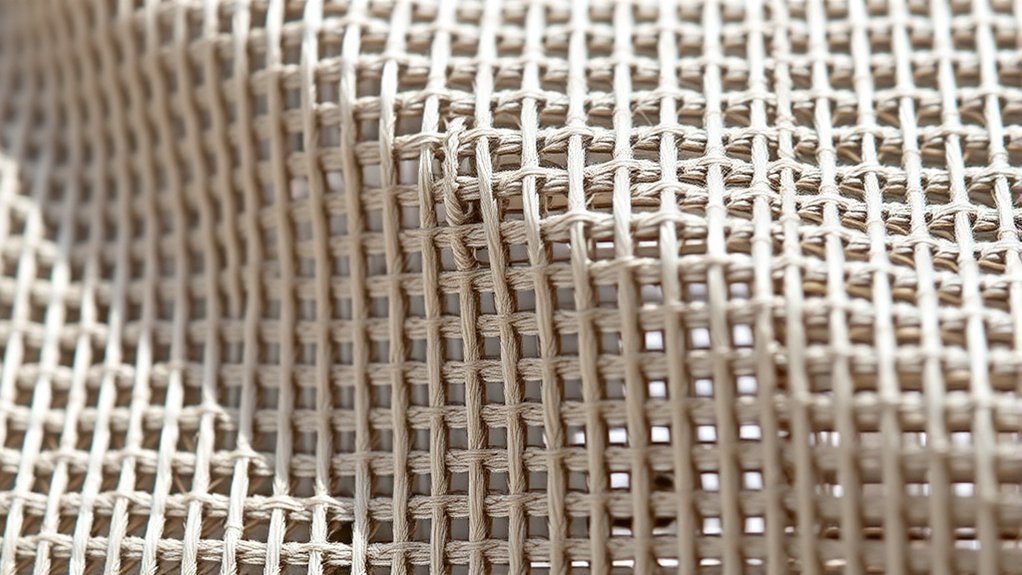
Ripstop fabric uses reinforcement yarns woven into a lighter or standard base cloth at regular intervals. The reinforcement often forms squares, although diamonds and other patterns are also possible. If a small cut begins to travel through the base weave, the stronger yarns can help slow or confine it.
The reinforcement improves tear propagation resistance, but it does not guarantee that the fabric will survive every cut or puncture. Performance still depends on the fiber, yarn strength, fabric weight, weave density, finishing process, seams, and the direction and force of the damage. A lightweight ripstop can be easier to tear or abrade than a much heavier non-ripstop fabric.
Note: Ripstop is a construction method, not a material by itself. “Nylon ripstop,” “polyester ripstop,” and “cotton-nylon ripstop” describe different fabrics that can feel and perform very differently.
Official textile examples reflect that range. CORDURA fabric specifications, for example, separate fiber and yarn details from the available plain, basket, dobby, and ripstop constructions. That distinction is important when comparing products.
A Brief History of Ripstop Fabric
Ripstop is often described as a World War II invention, but the public record supports a more careful timeline. Nylon clearly became an important parachute material during World War II, while later military records document ripstop in parachute specifications and combat uniforms. The original article’s claim that DuPont textile researchers specifically pioneered the ripstop weave is not supported by the authoritative sources reviewed.
| Period | Documented development | Why it matters |
|---|---|---|
| 1941–1945 | Nylon replaced silk in many wartime parachute applications. | This established nylon as a lightweight, high-strength parachute textile, but it does not by itself prove a specific ripstop origin. |
| Late 1960s | The U.S. Army documents an improved tropical combat uniform in ripstop fabric during the Vietnam era. | Ripstop had moved beyond parachute uses into military apparel designed for demanding field conditions. |
| 2000–present | PIA-C-7020 remains an active specification for nylon ripstop and twill-weave parachute cloth; it was reaffirmed in 2024. | Ripstop remains a defined technical construction in safety-critical textile systems. |
| Today | Manufacturers offer ripstop constructions in many fibers, weights, coatings, laminates, and finishes. | The word “ripstop” now covers a broad family of fabrics rather than one universal specification. |
Structure and Characteristics of Ripstop Fabric
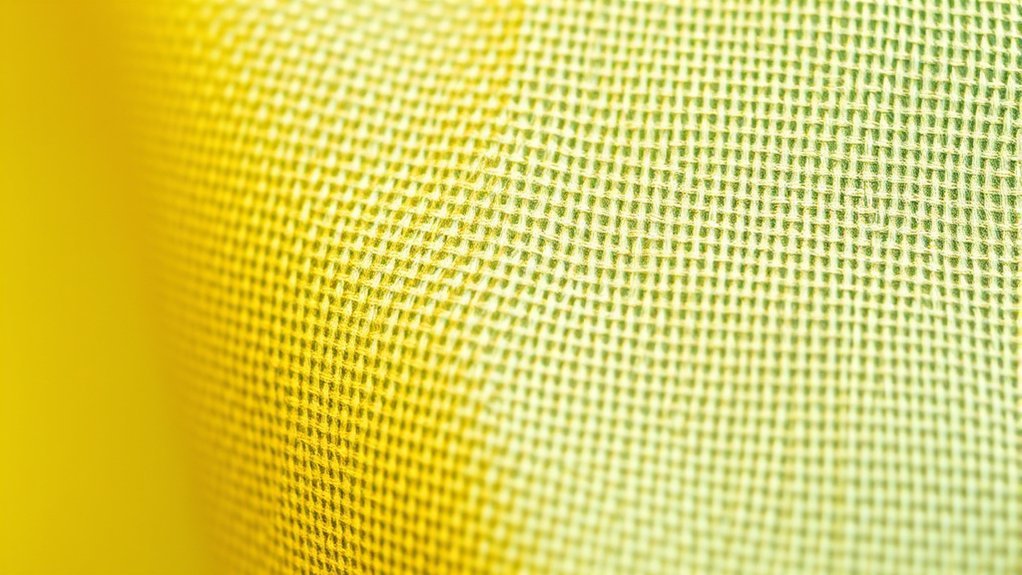
To judge a ripstop fabric correctly, look beyond the visible grid. The reinforcement pattern helps manage a tear, while the underlying fiber, yarn, weight, finish, and product construction control properties such as abrasion resistance, stiffness, water resistance, breathability, packability, and comfort.
Weaving Technique Overview
Many ripstop fabrics use a plain-weave base with stronger or heavier yarns inserted in both the warp and weft directions. The reinforcement spacing is not universal, so a 5-to-8-millimeter grid should not be treated as a requirement. Some fabrics use smaller grids, larger grids, diamonds, or multiple reinforcement yarns.
The grid is designed to interrupt the path of a small tear. It cannot stop damage that cuts through the reinforcement yarns, starts at a weak seam, or results from heavy abrasion, melting, chemical exposure, or prolonged ultraviolet degradation.
Material Composition Variations
Ripstop can be made from several fibers and blends. Each option involves tradeoffs:
- Nylon ripstop: Often selected for a favorable strength-to-weight ratio and flexibility. It can absorb some moisture and may stretch when wet, depending on the yarn and finish.
- Polyester ripstop: Common in apparel, flags, shelters, and gear. It generally has low moisture absorption and good dimensional stability, but performance varies by yarn and coating.
- Cotton ripstop: Comfortable and less slick than many synthetics, but usually heavier and slower to dry.
- Cotton-nylon blends: Combine some of cotton’s comfort with nylon reinforcement and are widely used in uniforms and workwear.
- Specialty reinforcements: High-tenacity fibers can be used where low weight and high tear strength matter, but cost, stiffness, repairability, and abrasion behavior may change.
Terms such as “moisture-wicking,” “quick-drying,” or “breathable” should be verified separately. Fiber choice contributes to those properties, but the weave, finish, garment design, and test method also matter.
Performance Characteristics Explained
These specification terms help you compare ripstop fabrics:
| Specification | What it tells you | What it does not tell you |
|---|---|---|
| Fiber content | The base material or blend, such as nylon, polyester, or cotton-nylon. | The finished fabric’s exact strength, waterproofness, or comfort. |
| Denier | The linear mass of the yarn; a higher number usually indicates a heavier yarn within the same material family. | Total fabric weight or durability across different fibers and constructions. |
| Fabric weight | Mass per area, often listed in ounces per square yard or grams per square meter. | Whether the fabric is waterproof, UV-rated, or flame-resistant. |
| Coating or laminate | Whether a separate layer provides water, air, chemical, or other barrier performance. | Whether seams and closures are sealed. |
| Test result or certification | Measured performance under a named method, such as tear strength or UPF labeling. | Performance outside the stated conditions or after unlimited wear and washing. |
Features and Benefits of Ripstop Fabric
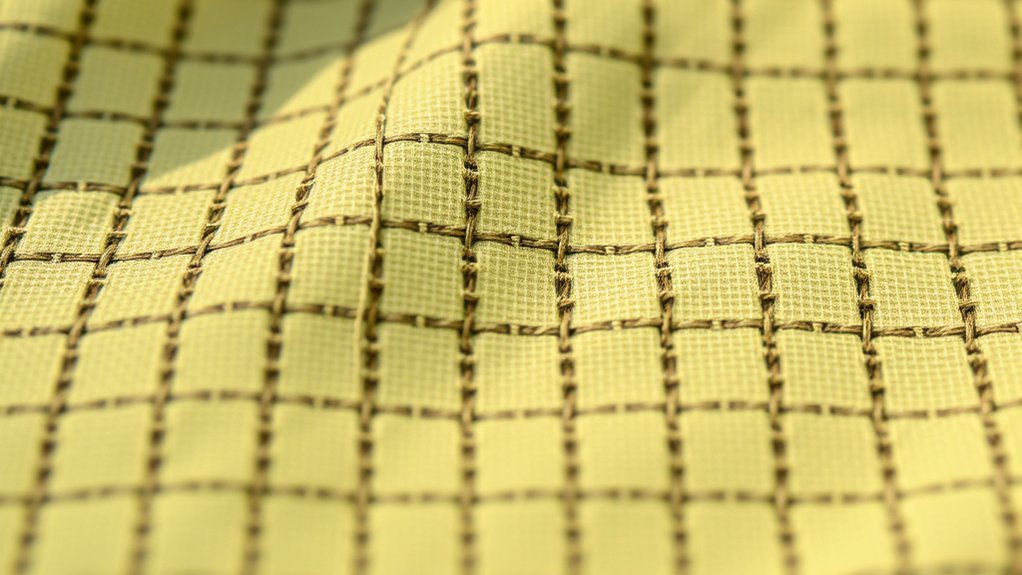
The main benefit of ripstop is efficient reinforcement. Instead of making every yarn equally heavy, a manufacturer can place stronger yarns at intervals to help contain damage while controlling weight and bulk.
Ripstop can slow a small tear, but the grid is only one part of durability. Fiber strength, fabric weight, abrasion resistance, coating, seams, and product design remain equally important.
Depending on the exact fabric, ripstop may offer:
- A strong strength-to-weight balance for packable gear and clothing
- Better resistance to tear propagation than a similar base cloth without reinforcement
- A wide choice of weights, textures, fibers, colors, and prints
- Compatibility with coatings, laminates, durable water-repellent finishes, and other treatments
- Useful performance in apparel, shelters, bags, uniforms, sails, kites, hammocks, and parachute systems
Ripstop also has limits. It is not automatically abrasion-proof, puncture-proof, waterproof, breathable, UV-rated, or flame-resistant. A visible grid is not a substitute for test data, and a lightweight ripstop should not be assumed to outperform every heavier fabric.
Applications of Ripstop Fabric
Ripstop appears across many sectors because the construction can be adapted to different fibers and weights. The intended use determines which additional properties matter.
| Sector | Common applications | Specifications to verify |
|---|---|---|
| Outdoor gear | Tents, tarps, rain shells, sleeping-bag shells, stuff sacks, hammocks, and packs | Fabric weight, coating or membrane, seam treatment, tear strength, abrasion resistance, and care instructions |
| Military and tactical | Uniforms, load-carrying gear, covers, packs, and parachute components | Applicable procurement specification, fiber blend, camouflage or color requirements, finish, and certified protective performance |
| Workwear | Pants, shirts, coveralls, pocket reinforcement, and protective outer layers | Abrasion zones, seam strength, stretch, laundering, and any required flame or chemical standard |
| Sports and recreation | Kites, sails, flags, hammocks, windsocks, and lightweight accessories | Air permeability, stretch, UV stability, seam design, and weight |
| Everyday apparel and bags | Jackets, pants, overshirts, totes, travel bags, and linings | Hand feel, noise, comfort, breathability, colorfastness, and washability |
Warning: Do not select fabric for parachutes, flame hazards, chemical exposure, fall protection, or other safety-critical uses based only on a “ripstop” label. Use the exact approved specification and certified product required for the application.
Functional Finishes Often Applied to Ripstop Fabric
A ripstop weave can be combined with coatings, membranes, and surface treatments. These additions may change water resistance, air permeability, breathability, stiffness, UV performance, stain release, flame behavior, and care requirements. None of those features is inherent to every ripstop fabric.
Waterproof Treatments Overview
Uncoated ripstop is generally not waterproof. A durable water-repellent finish can make water bead on the face, but DWR alone does not create a waterproof barrier. Waterproof products normally depend on a coating or membrane, and the complete item may also need sealed seams and protected closures.
For example, Patagonia lists its Torrentshell as a system that combines a recycled nylon ripstop face, a polyurethane membrane, a backer, and a DWR finish. That construction shows why “ripstop,” “water-repellent,” and “waterproof” should not be used as interchangeable terms.
Note: Coatings and laminates can reduce air permeability, and some waterproof-breathable systems manage moisture vapor better than others. Check the finished product’s test data instead of assuming that a coating preserves breathability.
UV Protection Benefits
Ripstop is not automatically sun-protective. Fiber type, color, weave density, stretch, moisture, wear, and added UV absorbers can affect how much ultraviolet radiation passes through a fabric. When sun protection matters, look for a tested UPF rating rather than relying on the grid pattern.
ASTM D6603 covers labeling of textiles intended to protect people from UVA and UVB radiation. A UPF label applies to the tested textile and stated conditions; it does not mean that uncovered skin is protected.
Other Specialty Finishes
Specialty ripstop fabrics may be marketed with flame-resistant, antistatic, antimicrobial, insect-repellent, stain-resistant, or low-visibility finishes. These are separate technologies. Verify the relevant test standard, treatment durability, wash life, and intended use before relying on any protective claim.
Comparison With Other Fabrics
Ripstop should be compared by complete specification rather than by name alone. Plain-weave nylon, Oxford cloth, ballistic-style nylon, canvas, and ripstop are constructions or fabric families with wide variations in fiber, yarn size, weight, finish, and quality.
| Fabric type | Typical strength | Typical tradeoff | Common uses |
|---|---|---|---|
| Lightweight ripstop | Reinforcement helps contain small tears at low weight. | Thin versions can abrade or puncture more easily than heavy fabrics. | Shells, tents, liners, stuff sacks, and packable gear |
| Plain-weave nylon or polyester | Can be strong, smooth, and economical without a reinforcement grid. | A cut may travel more freely if other specifications are equal. | Linings, apparel, flags, covers, and general-purpose fabric goods |
| Oxford cloth | Basket-like construction often provides body and abrasion resistance. | Usually bulkier than ultralight ripstop and may not contain tears the same way. | Bags, covers, luggage, footwear, and outdoor furniture |
| Ballistic-style nylon | Heavy yarns and dense construction can provide strong abrasion and cut resistance. | Heavier, stiffer, and less packable; the name alone does not mean bullet-resistant. | Luggage, reinforcement panels, motorcycle gear, and equipment cases |
| Canvas | Heavy woven construction can resist abrasion and provide a traditional hand. | Higher weight and bulk; cotton versions absorb water unless treated. | Workwear, bags, tents, covers, and utility products |
There is no rule that ripstop always outlasts these fabrics. A fair comparison uses the same end use and considers tear strength, tensile strength, abrasion resistance, puncture resistance, weight, coating adhesion, seam construction, and expected care.
Innovations in Ripstop Fabric
Modern ripstop development focuses on reducing weight, increasing recycled content, improving coatings and laminates, and tailoring reinforcement patterns for specific uses. Current products also show a shift toward water-repellent finishes and membranes made without intentionally added PFAS. Patagonia states that its new styles from Spring 2025 onward use membranes and water-repellent finishes made without intentionally added PFAS, although that company-specific change should not be generalized to every ripstop product.
| Development | Potential benefit | What to verify |
|---|---|---|
| Lighter high-tenacity yarns | Improved strength-to-weight balance | Tear and abrasion data at the finished fabric weight |
| Recycled nylon or polyester | Reduced demand for virgin feedstock in selected products | Certified recycled content and the effect of coatings or blends on end-of-life options |
| PFAS-free water-repellent systems | Avoidance of intentionally added fluorinated chemistry in selected finishes and membranes | Manufacturer statement, durability, care, and actual waterproof performance |
| Engineered grid shapes and hybrid reinforcements | Performance targeted to a specific direction of load or product need | Independent or manufacturer test results rather than appearance alone |
| Specialty protective finishes | Possible flame, UV, insect, stain, or antistatic performance | Applicable standard, treatment life, laundering limits, and intended hazard |
How to Choose the Right Ripstop Fabric
Start with the job the fabric must perform. A tent fly, hiking shirt, work pant, pack bottom, and parachute component need very different combinations of weight, strength, coating, stretch, air permeability, and certification.
- Identify the base fiber and blend. This affects weight, feel, drying behavior, stretch, heat sensitivity, and care.
- Compare fabric weight and yarn size. Do not use denier as a universal durability score across unrelated fibers and weaves.
- Check tear and abrasion data. Tear resistance and abrasion resistance measure different failure modes.
- Confirm the weather barrier. Look for the coating or membrane type, water-resistance test, seam treatment, and closure design.
- Verify protective claims. UPF, flame resistance, antistatic performance, and chemical protection should cite a recognized test or specification.
- Consider noise, stiffness, and hand feel. A technically strong fabric may still be uncomfortable for apparel or difficult to pack.
- Read the care instructions before buying. Some coatings, adhesives, and finishes are sensitive to heat, bleach, fabric softener, solvents, or aggressive washing.
Pro Tip: Request a swatch when possible. A small sample lets you assess weight, grid scale, stretch, noise, opacity, fraying, and coating feel before committing to a garment or gear project.
Care and Maintenance of Ripstop Fabric
There is no single wash method for every ripstop item. A cotton-nylon shirt, a silicone-coated tarp, a polyurethane-coated tent, and a laminated rain shell can all use ripstop while requiring different care. Follow the product label or manufacturer instructions first.
- Garments: Close zippers and fasteners, use the recommended cycle and detergent, and avoid bleach or fabric softener unless the label allows it.
- Coated tents and tarps: Brush off dry dirt, spot-clean gently, and avoid a washing machine unless the manufacturer specifically approves it.
- Waterproof shells: Use the manufacturer’s cleaning and drying method so oils and dirt do not interfere with the face finish or membrane.
- Storage: Dry the item completely, then store it away from prolonged heat, moisture, direct sunlight, and chemicals.
- Inspection: Check seams, high-abrasion areas, coating flakes, delamination, pinholes, and cuts before the next trip or work cycle.
Proper care protects more than the reinforcement grid. It also preserves coatings, seam tape, adhesives, finishes, and the weaker base yarns between the ripstop lines.
Small holes can often be stabilized with a compatible repair tape or patch. Clean and dry the area, round the patch corners, extend the patch beyond the damage, and press it firmly according to the repair-product directions. Sewing may be appropriate for some uncoated fabrics, but needle holes can create leak paths in waterproof gear and may need sealing.
Pro Tip: Repair a small cut before using the item again. The reinforcement grid may slow the damage, but continued loading can enlarge the hole or pull the tear through the stronger yarns.
Frequently Asked Questions
Is ripstop fabric waterproof or water-resistant?
Ripstop is not inherently waterproof. An uncoated fabric may allow water and air through. DWR can help the surface shed light moisture, while a coating or membrane provides the main waterproof barrier. Seams and closures must also be designed to resist leakage.
Can ripstop fabric be recycled?
Sometimes. A single-fiber, uncoated fabric may be easier to process than a coated, laminated, or blended textile, but local acceptance varies. Do not place it in curbside recycling unless the program lists textiles. The U.S. EPA recommends checking local charities, retailers, or textile take-back programs for clothing and shoes.
What colors and patterns are available?
Ripstop can be dyed or printed in many colors and patterns. Black, navy, olive, khaki, bright safety colors, camouflage, and custom prints are common, but color is not a performance feature unless the product also specifies colorfastness, visibility, infrared, or UV requirements.
Is ripstop lighter than regular fabric?
It can be, because reinforcement yarns can improve tear control without making every yarn heavy. However, ripstop ranges from ultralight shell material to heavy workwear. Compare actual fabric weight, fiber, and construction rather than assuming all ripstop is lightweight.
Is ripstop fabric suitable for outdoor use?
Yes, when the complete specification matches the job. Outdoor gear may also need a coating or membrane, sealed seams, UV stability, abrasion resistance, low weight, and suitable care instructions. The ripstop grid alone does not guarantee weather protection.
Is ripstop fabric tear-proof?
No. It is better described as tear-resistant or resistant to tear propagation. Sharp objects, heavy loads, abrasion, heat, chemicals, UV degradation, or damage that crosses the reinforcement yarns can still cause failure.
Can a ripstop tear be repaired?
Many small cuts can be patched with a repair product compatible with the fiber and coating. Clean and dry the area, use a patch that extends beyond the damage, and follow the product directions. Safety-critical equipment should be inspected and repaired only under the applicable approved procedure.
Does a higher denier always mean better ripstop?
No. Higher denier generally means heavier yarn within the same fiber family, but durability also depends on yarn quality, weave, fabric weight, coating, and test results. A higher-denier fabric may be stronger but also heavier, stiffer, and less packable.
Conclusion
Ripstop fabric is valuable because its reinforcement pattern can help contain small tears without automatically adding the weight of a uniformly heavy cloth. That advantage does not make every ripstop product equally durable or suitable for the same task. Check the fiber, weight, coating, test data, seams, protective ratings, and care instructions before choosing. The best ripstop is the one whose complete specification matches the real conditions of use.
Sources
- Smithsonian National Museum of American History — Experimental Stockings and Nylon History — documents nylon’s wartime use as a silk replacement in parachutes.
- U.S. Army Center of Military History — Noncommissioned Officer: Images of an Army in Action — documents the improved tropical combat uniform in ripstop fabric during the Vietnam era.
- Defense Logistics Agency ASSIST Quick Search — PIA-C-7020 — active specification covering nylon ripstop and twill-weave parachute cloth.
- CORDURA — Classic Fabric — shows that fiber, yarn size, weave construction, coating, and laminate are separate specification choices.
- ASTM International — ASTM D6603-19 — labeling requirements for UV-protective textiles.
- U.S. Environmental Protection Agency — How Do I Recycle Common Recyclables? — guidance on donating or finding retail and local recycling options for textiles.
