
Last Updated on September 11, 2026 by Daniel Globe
Choosing between a replaceable-blade knife and a fixed-blade knife matters because the two designs solve different problems in the field. Replaceable-blade knives make it easy to restore a very sharp edge without sharpening, while fixed blades usually offer more structural strength for tougher cutting. The best choice depends on how you hunt, what you cut, how much weight you carry, and how willing you are to sharpen or pack spare blades.
Quick Answer
Choose a replaceable-blade knife when you want the lightest way to regain a razor-sharp edge for skinning and detail work. Choose a fixed blade when strength, edge durability, and dependable performance under tougher cutting loads matter more. Many hunters carry both because the designs complement rather than fully replace each other.
Key Takeaways
- Replaceable-blade knives are best for light, precise cutting where fast edge replacement is more useful than brute strength.
- Fixed blades are usually the better choice for tougher outdoor cutting because there is no folding pivot and the blade is built as a more rigid tool.
- Blade steel, handle grip, sheath or lock design, cleaning, and carry weight matter as much as blade type.
- The linked Benchmade 15200 Altitude is an older generation; Benchmade now identifies the Altitude with model family 15201.
- The Victorinox paring set is a precision food-prep option, not a direct substitute for a purpose-built hunting fixed blade.
Disclosure: As an Amazon Associate I earn from qualifying purchases. Some links on this page are affiliate links, at no extra cost to you.
Replaceable-Blade vs Fixed-Blade Knives: Key Differences
|
Factor |
Replaceable Blade |
Fixed Blade |
|---|---|---|
|
Edge recovery |
Swap in a fresh blade when the current one dulls or is damaged. |
Sharpen or touch up the existing edge. |
|
Structural strength |
Thin replaceable blades are optimized for slicing and detail work, not twisting or impact. |
A well-built fixed blade is generally better suited to higher cutting loads and tougher field work. |
|
Field maintenance |
Carry spare blades and a safe removal method; clean the handle and blade mount after use. |
Carry a sharpener if needed; clean and dry the blade and sheath after use. |
|
Carry weight |
Often very light, even with several spare blades. |
Varies widely; ultralight fixed blades can still be under two ounces. |
|
Long-term cost |
Ongoing replacement-blade cost. |
Higher sharpening effort, but no routine blade-refill purchase. |
|
Best fit |
Skinning, caping, trimming, and other controlled slicing jobs. |
General hunting use, controlled processing, camp cutting, and jobs that benefit from a more rigid blade. |
|
Main limitation |
Thin blades can bend or break if twisted, pried, or forced through hard material. |
A dull edge must be sharpened rather than instantly replaced. |
Warning: Both designs are extremely sharp cutting tools. Use the knife only for tasks it is designed to handle, keep fingers out of the cutting path, use the sheath or locking mechanism correctly, and follow the manufacturer’s blade-changing and care instructions. Do not pry, twist, or chop with thin replaceable blades.
Top Picks
|
Category |
Product |
Score |
|---|---|---|
|
🏆 Best Replaceable Blade |
93/100 |
|
|
🔰 Best Premium Fixed Blade |
90/100 |
|
|
🎯 Best Precision Food Prep |
82/100 |
Note: These scores are editorial fit scores for the use cases in this guide, not laboratory performance ratings. They reflect task fit, maintenance, carryability, materials, durability, and overall practicality. Availability, prices, included accessories, and marketplace ratings can change.
Selection Criteria
You care about real-world performance, so the comparison focuses on the factors that matter most in the field: edge geometry and retention, ease of maintenance or blade replacement, ergonomics, weight and carryability, corrosion resistance, structural strength, included accessories, manufacturer support, and the kinds of tasks each knife is designed to handle.
The scores above use the same framework for every product: 25 points for task fit, 20 for edge and cutting performance, 15 for durability, 15 for maintenance, 10 for ergonomics, 10 for carryability, and 5 for support and included accessories. Manufacturer specifications and current product documentation receive more weight than marketplace descriptions or changing review counts.
How to Choose the Right Blade Type
Choose a Replaceable Blade When
- You mainly skin, cape, trim, or make controlled slicing cuts.
- You value a fresh edge more than the ability to pry, twist, or chop.
- You want to minimize sharpening gear on a hunt.
- You are comfortable carrying and safely disposing of spare blades.
Choose a Fixed Blade When
- You want one rigid knife for a wider range of cutting jobs.
- You expect more demanding work where a thin replaceable blade would be a poor fit.
- You prefer sharpening a reusable blade instead of buying replacement blades.
- You want a simple tool with no folding pivot or blade-changing interface.
Carry Both When
A two-knife setup is useful when you want a replaceable blade for precise skinning and a fixed blade for tougher cutting. The trade-off is extra weight and another tool to clean, store, and carry safely.
Maintenance, Cost, and Field Practicality
Replacement Blades vs Sharpening
A replaceable-blade system shifts maintenance from sharpening to inventory: you carry spare blades, change them when needed, and dispose of used blades safely. A fixed blade shifts that work toward sharpening and edge care. Neither approach is maintenance-free; it simply changes what you maintain.
Pro Tip: Put spare replaceable blades in a rigid protective holder and keep a separate puncture-resistant container or safe storage method for used blades. A loose used blade in a pack can create an avoidable injury risk.
Cleaning and Corrosion Care
Blood, moisture, food residue, dirt, and salt can collect around handles, pivots, blade mounts, and sheaths. Clean the knife after use, dry it thoroughly, and follow the manufacturer’s care guidance. Benchmade recommends mild dish soap and cool water for general cleaning, while Victorinox notes that its synthetic-handled household knives are generally dishwasher safe but hand washing can maximize product life.
Long-Term Cost
Replaceable systems have an ongoing consumable cost because blades must be restocked. Fixed blades may cost more up front and require sharpening tools or service, but the blade itself is reused. For occasional hunters, either cost may be small; for frequent use, blade consumption and sharpening habits can meaningfully change the long-term value.
Havalon Piranta

You get a lightweight, purpose-built replaceable-blade knife aimed at skinning and field dressing. Havalon’s current Piranta-Edge product page lists a 7-1/4-inch overall length, a military-grade polymer handle, ambidextrous thumb studs, liner-lock construction, a nylon holster, and 2-3/4-inch stainless 60A blades.
The main advantage is fast edge recovery: instead of stopping to sharpen, you can install a fresh blade. That makes sense for controlled slicing and detail work. The trade-off is structural strength. Havalon’s thin replaceable blades should be treated as precision cutting tools, not as pry bars, choppers, or substitutes for a heavier fixed blade.
Note: Bundle contents vary. The linked Amazon ASIN is marketed as a package with 12 replacement blades, while Havalon’s current standard Piranta-Edge product page lists six additional 60A blades. Check the exact listing contents before ordering.
What People Say
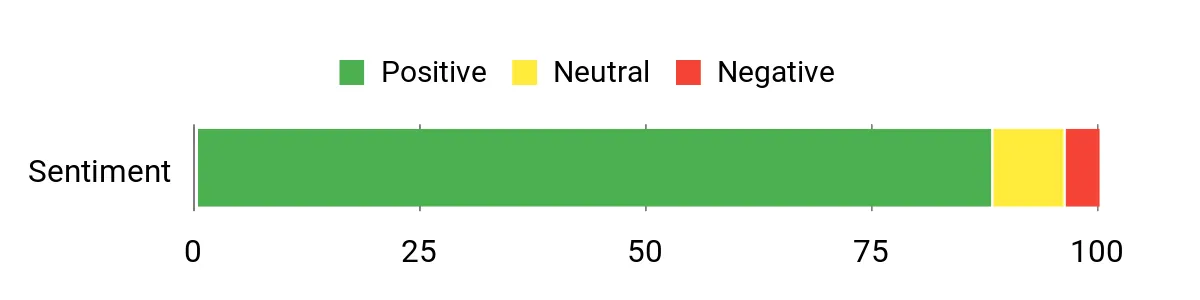
Review patterns on the linked marketplace listing commonly praise the blade sharpness, light weight, bright handle, and fast edge replacement. Users also like being able to restore cutting performance without carrying a field sharpener.
The recurring caution is blade fragility when the knife is pushed outside its intended role. Thin replaceable blades can bend or break if twisted, pried, or forced through hard material, so technique matters.
Overall Sentiment: Positive
|
Pros |
Cons |
|---|---|
|
✅ Consistently sharp, easy-to-replace blades |
❌ Not suited for prying, chopping, or heavy-duty tasks |
|
✅ Lightweight and easy to carry all day |
❌ Replaceable blades require restocking over time |
|
✅ Good for clean skinning and precision cutting |
❌ Thin blades can feel fragile if misused |
|
✅ Holster included; blade-removal tools are available for safer changes |
When To Use It
|
Situation |
How It Helps |
|---|---|
|
Field Dressing |
You can replace a dull or damaged blade quickly and get back to controlled slicing without field sharpening. |
|
Backcountry Hunts |
Its light, compact design makes sense when you are counting ounces and still want several fresh edges available. |
|
Fishing and Prep |
The short, sharp blade works for small, precise trimming jobs, although a flexible fillet knife is usually better for long filleting cuts. |
|
Camping and Light Utility Tasks |
It can handle controlled food prep and small cutting chores, but it should not be used for batoning, chopping, prying, or other high-load work. |
Safety Features
The folding handle covers the blade when closed, the liner lock holds the blade open during normal cutting, and the nylon holster supports safer carry. Havalon also sells a dedicated Piranta blade remover designed so the user does not need to grip the sharp blade directly during removal.
Key Benefits
- Fast replacement of a dull edge without field sharpening
- Very light and compact for backcountry carry
- Ambidextrous thumb studs and liner-lock folding design
- 2-3/4-inch 60A stainless replacement-blade system
Rating: Marketplace ratings change over time; check the linked listing for the current star rating and review count.
Benchmade Altitude

The linked product is the older Benchmade Altitude 15200, a compact fixed blade built around a short drop-point CPM-S90V blade and minimalist carbon-fiber/G10 grip elements. It became popular with ounce-conscious hunters because it combined fixed-blade rigidity with very low weight.
This is also the section that most needs a freshness note: Benchmade’s current patent/model-family page identifies the Altitude as model family 15201, not 15200. In other words, the linked 15200 is a legacy generation even though it may still appear through marketplace sellers. Benchmade continues to describe CPM-S90V as a high-wear-resistance stainless steel with strong edge retention and corrosion resistance.
Note: If you are comparing prices or specifications, confirm whether a listing is for the older 15200 or the current 15201 generation. The two should not be treated as identical products.
What People Say
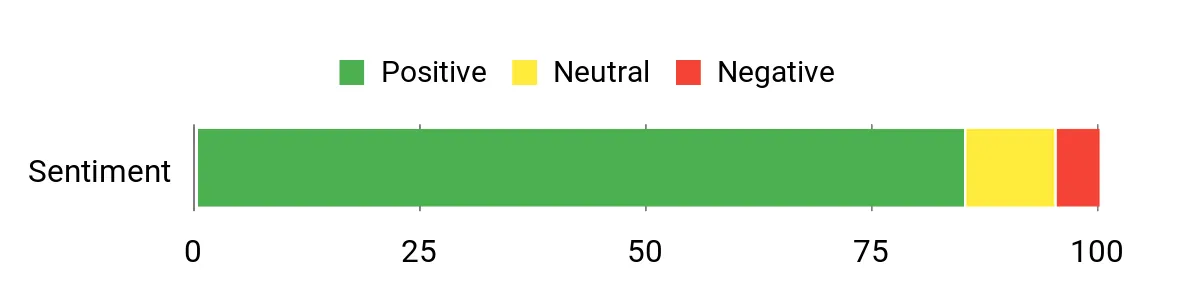
Owners of the older 15200 generation frequently praise its extremely low carry weight, precise drop-point profile, and premium blade steel. The minimalist design makes it attractive as a hunting or backup knife when pack weight matters.
The main trade-offs are the compact grip and short blade. Those features support control and portability but make the knife less comfortable for some large hands and less appropriate for chopping, prying, or other heavy work.
Overall Sentiment: Positive
|
Pros |
Cons |
|---|---|
|
✅ Premium CPM-S90V blade steel with strong edge retention |
❌ Short blade limits heavy-duty tasks |
|
✅ Compact size that reduces carry fatigue |
❌ Minimalist handle can be less comfortable for large hands |
|
✅ Good control for precision field work |
❌ Not intended for prying or batoning |
|
✅ Fixed-blade simplicity with no folding pivot |
❌ Linked 15200 is an older generation |
When To Use It
|
Situation |
How It Helps |
|---|---|
|
Backup Knife |
Its low weight makes the legacy Altitude easy to carry as a dependable secondary cutting tool. |
|
Field Dressing |
The compact drop-point profile gives good control for careful skinning and processing cuts. |
|
Campsite Tasks |
It works well for food prep, cord trimming, and other controlled cutting jobs that do not require a large blade. |
|
Everyday Outdoor Carry |
You get fixed-blade rigidity in a compact package, but you should still check local rules governing knife carry. |
Safety Features
A fixed blade has no folding joint to close during use, but safe carry depends on a secure sheath that fully covers the edge. Keep the knife sheathed when not in use, maintain a controlled grip, and avoid using the blade as a pry tool. Benchmade’s care guidance recommends mild dish soap and cool water for cleaning, followed by thorough drying.
Key Benefits
- Premium CPM-S90V steel in the linked legacy 15200 generation
- Very low weight for a fixed hunting blade
- Compact drop-point profile for controlled cuts
- Rigid fixed-blade design with straightforward maintenance
Rating: Marketplace ratings change over time; check the linked listing for the current star rating, seller, generation, and review count.
Victorinox Paring

You get a compact Swiss Classic paring set built for kitchen precision, not a purpose-built hunting fixed blade. The linked older 4-piece set is useful for peeling, trimming, coring, garnishing, and camp-kitchen food prep where short blades and fine control matter.
That distinction is important for this comparison. A paring knife is technically a fixed blade, but it does not offer the sheath, handle geometry, blade thickness, or outdoor-use design you expect from a hunting fixed blade. Current Victorinox Swiss Classic paring knives use stainless steel blades and lightweight polypropylene handles and are listed as dishwasher safe, although Victorinox also recommends hand washing to maximize service life.
What People Say
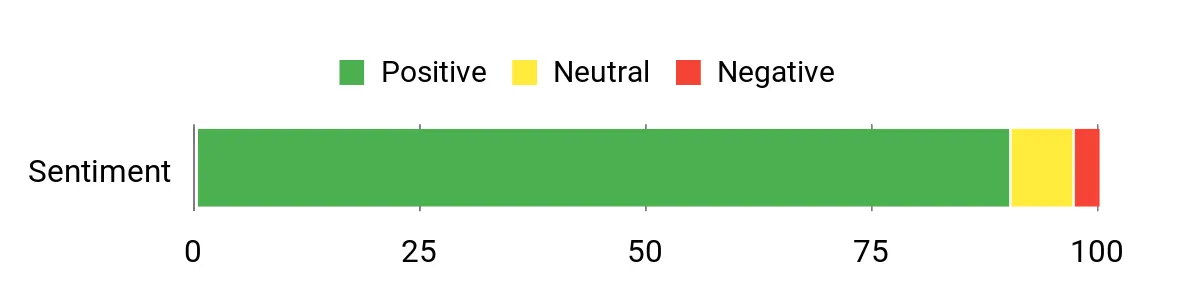
Customers commonly praise Swiss Classic paring knives for sharpness, light handles, and easy control during repetitive kitchen prep. The bright colors in the linked set also make the knives easy to distinguish at a glance.
The limitation is equally clear: these are food-prep knives. They are not designed for prying, batoning, heavy chopping, or rough field carry, and they should be stored so the exposed edge cannot contact hands or loose gear.
Overall Sentiment: Positive
|
Pros |
Cons |
|---|---|
|
✅ Sharp, precise blades for detailed food-prep work |
❌ Short blades limit reach for larger tasks |
|
✅ Ergonomic, lightweight synthetic handles |
❌ Not comparable in strength to a purpose-built hunting fixed blade |
|
✅ Current Swiss Classic synthetic-handle models are dishwasher safe |
❌ Not intended for prying, batoning, or heavy outdoor jobs |
|
✅ Victorinox lifetime warranty covers defects in material and workmanship |
When To Use It
|
Situation |
How It Helps |
|---|---|
|
Kitchen Prep |
You get nimble control for peeling, coring, trimming, and garnishing where a large blade gets in the way. |
|
Camp Cooking |
The light handles and short blades work well for fruit, vegetables, and other controlled food-prep jobs. |
|
Fine Food Trimming |
Short blades give you control for small trimming jobs where precision matters more than reach or leverage. |
|
Gifts and Everyday Use |
The colorful set is practical for home cooks who want several small knives for daily prep. |
Safety Features
The contoured synthetic handles support a controlled grip, and the short blades are easy to maneuver on a stable cutting board. Because these knives do not fold and are not supplied as hunting knives with protective field sheaths, store and transport them in a blade guard, knife roll, block, or other secure system that prevents accidental contact with the edge.
Key Benefits
- Excellent control for fine, detailed food-prep cutting
- Lightweight ergonomic handles reduce hand fatigue
- Stainless blades with easy everyday care
- Current Swiss Classic synthetic-handle models are dishwasher safe and backed by Victorinox warranty coverage
Rating: Marketplace ratings change over time; check the linked listing for the current star rating and review count.
Frequently Asked Questions
Replaceable blade or fixed blade: which is better?
Neither is universally better. A replaceable-blade knife is ideal for precise slicing and quick edge replacement. A fixed blade is usually the stronger, more versatile option for demanding cutting. Choose based on your normal tasks rather than assuming one design can do everything.
How do I care for replaceable blades?
Replace a blade when it becomes dull, bent, chipped, or otherwise damaged. Use the manufacturer’s removal method, keep your fingers away from the edge, clean and dry the handle and blade mount after use, and store new and used blades securely so they cannot puncture a pack or cut a hand.
Should I carry both types?
Carrying both can be practical. Use the replaceable blade for fine skinning and trimming, then use the fixed blade when you need more rigidity or a reusable edge. The downside is extra weight and another tool to clean and store safely.
Can I use a replaceable-blade knife for chopping or prying?
No. Thin replaceable blades are designed for cutting, not leverage or impact. Twisting, prying, batoning, or chopping can bend or break the blade and increase injury risk. Use a purpose-built fixed blade or another appropriate tool for higher-load work.
How often should I replace a Havalon 60A blade?
There is no fixed interval because blade life depends on technique, material, and how sharp you want the edge to remain. Replace the blade when cutting performance drops or when the blade is bent or damaged rather than forcing a dull or compromised blade through the task.
Is the Victorinox paring set a hunting fixed blade?
No. It is a kitchen paring set. Its short fixed blades are useful for controlled food prep, but the set is not designed as a hunting knife and should not be treated as a substitute for a sheathed outdoor fixed blade when strength, field carry, or rough use is required.
Do knife-carry laws matter for fixed or folding knives?
Yes. Rules can differ by country, state, city, blade length, carry method, location, and knife type. Before carrying a knife in public or while traveling, check the current laws that apply where you will actually be.
Customer Preferences
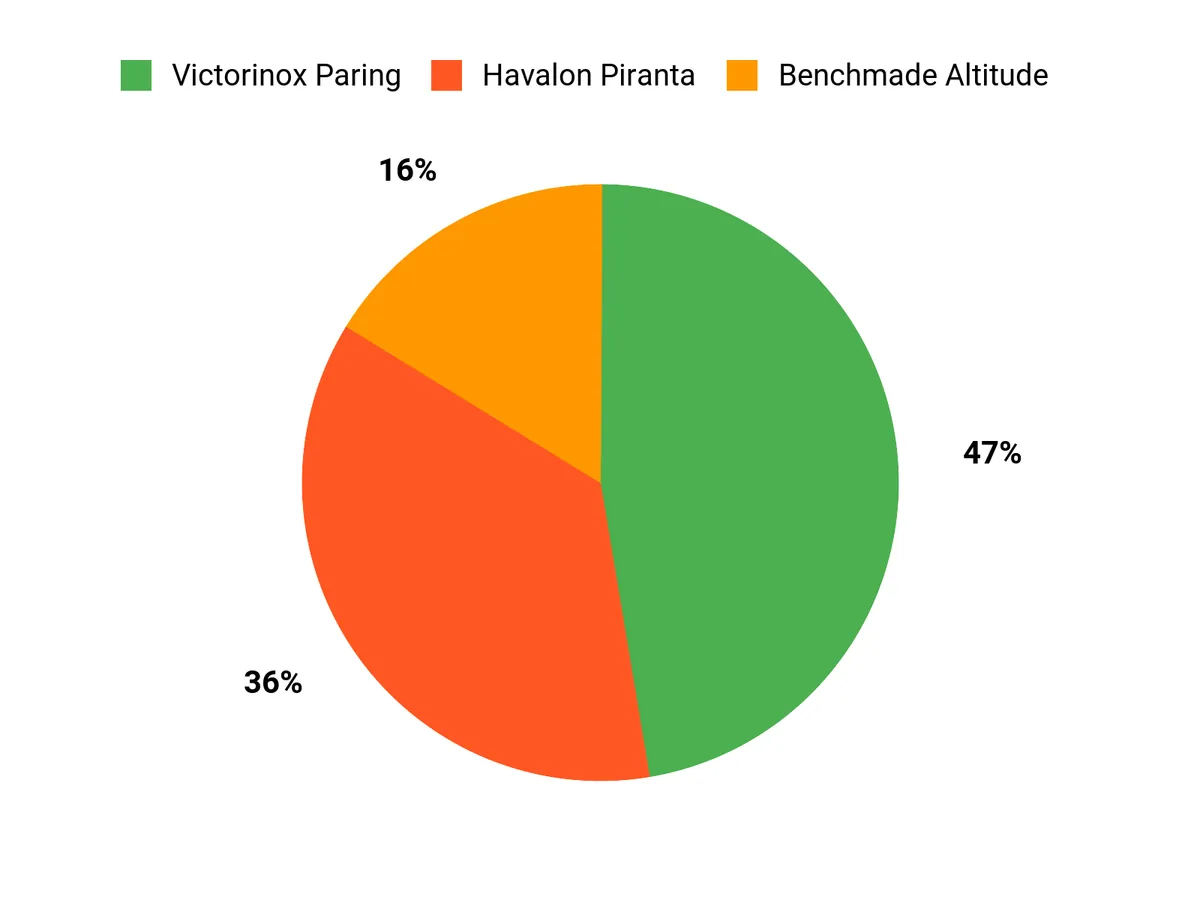
You prioritize task fit and edge management: choose the Havalon Piranta when fast replacement blades and low carry weight matter most, choose a compact fixed blade such as the Benchmade Altitude when you want more rigidity and a reusable premium-steel edge, and choose the Victorinox Paring set when precision food prep is the actual job. Weight, grip comfort, cleaning, sharpening habits, spare-blade cost, and legal carry requirements are the other factors that usually tip the decision.
Detailed Product Comparison
| Havalon Piranta-Edge – Outdoor Knife + 12 Replacement Blades | Benchmade – 15200ORG Altitude Knife | Victorinox 4-Piece Set of 3.25 Inch Swiss Classic Paring Knives | |
|---|---|---|---|
|
|
|
|
|
| Rating | Check current marketplace rating | Check current marketplace rating | Check current marketplace rating |
| Blade Material | Stainless steel 60A replaceable blades | CPM-S90V stainless steel (linked legacy 15200) | Stainless steel |
| Handle Material | Military-grade polymer | Carbon fiber and G10 micro-scale elements (linked legacy 15200) | Lightweight synthetic handle; current Swiss Classic line uses polypropylene |
| Weight | Linked listing reports 0.1 kilograms | 1.67 ounces for the linked legacy 15200 | Linked set is lightweight; exact current package weight can vary by configuration |
| Special Highlights |
|
|
|
| Shop Now | Shop Now | Shop Now |
Sources
- Havalon Piranta-Edge product page — current Piranta-Edge dimensions, handle, lock, holster, and standard blade package.
- Havalon blade replacement FAQ — replacement-blade use, blade-life guidance, rust guidance, and handle warranty information.
- Benchmade patents and model families — identifies the current Altitude model family as 15201.
- Benchmade blade-steel guide — CPM-S90V hardness and performance characteristics.
- Benchmade use and care guide — cleaning and maintenance guidance for fixed blades and other knives.
- Victorinox Swiss Classic Paring Knife — current Swiss Classic blade material, polypropylene handle, dishwasher-safe status, and warranty.
Wrapping Up
If you prioritize fast edge replacement, low carry weight, and precise skinning cuts, a replaceable-blade option like the Havalon Piranta is the strongest fit here. If you want a more rigid cutting tool with a reusable premium-steel edge, a fixed blade such as the Benchmade Altitude makes more sense, but remember that the linked 15200 is an older generation. For fine food prep, the Victorinox Paring Set offers excellent control but should not be confused with a purpose-built hunting fixed blade. Match the knife to the task, use it within its design limits, and maintain it properly for safer, more dependable performance.
This Roundup is reader-supported. When you click through links we may earn a referral commission on qualifying purchases.
