

Last Updated on September 11, 2026 by Logan Reeves
Elk are large, heavy-boned animals, so your broadhead must be sharp, structurally sound, legal where you hunt, and matched to your complete arrow or bolt setup. The best choice is not always the head with the widest cut. Reliable flight, adequate penetration, and confidence at your proven hunting distance matter more.
This guide compares six fixed, mechanical, and hybrid broadheads for elk. It also explains the verified specifications, important product-version differences, tuning steps, safety checks, and trade-offs you should review before hunting.
Quick Answer
For dependable elk penetration, start with a sharp fixed blade such as the G5 Montec, Muzzy Trocar, or Wasp Drone. High-energy crossbow or compound setups can also use a properly matched expandable such as the Rage Hypodermic or G5 Deadmeat. Whatever you choose, confirm legality, alignment, and broadhead impact before hunting.
Key Takeaways
- Fixed blades are the simplest choice when penetration, durability, and predictable deployment are your main priorities.
- Mechanical and hybrid heads can create wider cuts, but they must match your bow or crossbow, arrow energy, and local regulations.
- Product names can cover standard and crossbow-specific versions, so verify grain weight, ferrule size, and retention system before ordering.
- Spin-test every hunting arrow, practice on a broadhead-rated target, and confirm impact at the farthest distance you can shoot accurately.
- Broadheads cannot make up for poor shot selection. Wait for a clear vital-zone angle and stay within your practiced limit.
Affiliate disclosure: This roundup contains Amazon affiliate links. If you buy through a link, the site may earn a commission at no extra cost to you.
Warning: Broadheads are extremely sharp. Use a broadhead wrench or covered installation tool, keep the bow or crossbow unloaded while handling them, and shoot only into a target specifically rated for broadheads. Also check the current hunting regulations for the exact state, province, unit, and season because broadhead and crossbow rules vary.
Top Picks
|
Category |
Product |
Why It Stands Out |
|---|---|---|
|
💰 Best Simple Fixed Blade |
Reusable one-piece steel design with three grain options |
|
|
🎯 Best Compact Fixed Blade |
Short stainless-steel ferrule with replaceable .035-inch blades |
|
|
🚀 Best All-Steel Low Profile |
Low-profile 100% steel construction with a 1-1/8-inch cut |
|
|
🔰 Best Crossbow Expandable |
Crossbow-specific two-blade design with a 2-inch deployed cut |
|
|
⭐ Best Three-Blade Expandable |
All-steel rear-deploy design with SnapLock retention |
|
|
🎨 Most Versatile Hybrid |
Selectable fixed or hybrid mechanical configuration |
Selection Criteria
We prioritized verified construction, blade thickness, cutting diameter, grain options, blade retention, replaceability, and whether the manufacturer offers standard or crossbow-specific versions. We also considered how easily each head can be aligned, practiced with, serviced, and matched to an elk-capable arrow system.
We did not keep the original numerical product scores because no repeatable test method supported them. A broadhead that works well from one tuned setup may group poorly or lose penetration from another, so the final choice must be confirmed with your own bow, arrows, and realistic hunting distances.
How to Match a Broadhead to Your Elk Setup
Check the Exact Product Version
Broadhead families often include several versions with similar packaging. Standard and crossbow models may use different ferrule diameters, grain options, or blade-retention parts. Confirm the manufacturer part number and make sure the model is designed for your arrow or bolt before you buy.
Note: The linked Rage Hypodermic Crossbow listing uses the older High-Energy SHOCK Collar design. The current Hypodermic Crossbow NC uses a no-collar blade lock. Do not mix instructions or replacement parts between those versions.
Match Grain Weight and Arrow Spine
Use a broadhead with the same grain weight as the field points used for final tuning. Changing point weight can change dynamic spine, front-of-center balance, and impact. Follow the arrow maker’s spine chart and your bow or crossbow manufacturer’s limits instead of relying on a universal arrow-weight rule.
Choose Fixed, Mechanical, or Hybrid
A fixed blade has no deployment mechanism and is usually the most straightforward option for penetration and durability. A mechanical head carries a smaller flight profile before its blades open on impact, but blade deployment uses some energy. A hybrid combines fixed cutting surfaces with expandable blades. For elk, an expandable should be used only when it is legal, specifically compatible with your setup, and proven to group and penetrate from your equipment.
Verify Alignment and Real Broadhead Impact
Spin-test each assembled hunting arrow and watch the point for wobble. Then use a broadhead-rated foam target to confirm that your hunting heads strike with your field points. A manufacturer-matched practice point can reduce target damage, but you should still verify at least one actual broadhead before the season.
Pro Tip: Number your hunting arrows. Record which arrows group best with broadheads, then reserve those complete arrow-and-head combinations for the field instead of assuming every shaft behaves identically.
The best elk broadhead is the one that is legal, razor sharp, perfectly aligned, and repeatedly accurate from your complete hunting setup.
G5 Montec

The G5 Montec is a simple three-blade fixed head machined from one piece of steel. According to the G5 product page, it has a 1.0625-inch cutting diameter, comes in 85-, 100-, and 125-grain versions, and is spin-tested. Its one-piece design removes blade screws and ferrule joints that could loosen.
This is a strong starting point if you want a reusable fixed head and are willing to sharpen it correctly. The broad profile can expose tuning problems, so do not assume it will hit with field points until you test it from your bow.
What People Say
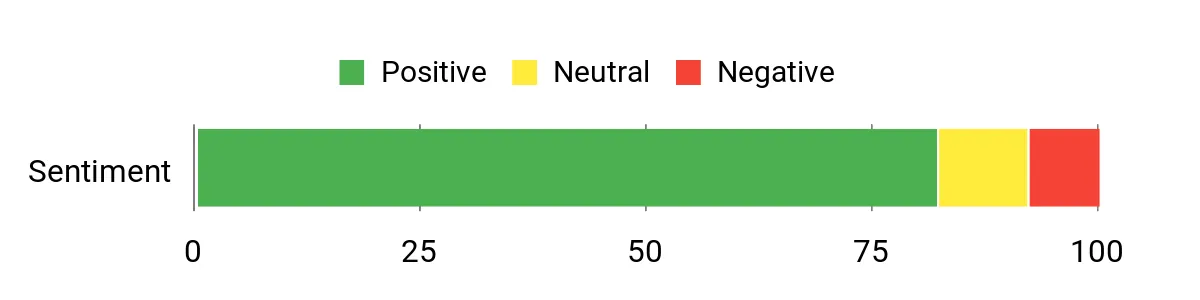
Reported positives commonly include durability, simple sharpening, and predictable performance from a well-tuned bow. Some hunters say Montecs group closely with their field points, while others need rest, nock, or fletching adjustments. Treat those comments as setup-specific rather than a guarantee.
Overall Sentiment: Positive, with tuning quality as the main variable.
Situational Benefits
|
Situation |
How It Helps |
|---|---|
|
Compound Bows |
The one-piece construction provides a rigid, repeatable fixed head when your bow is correctly tuned. |
|
Recurve Setups |
The cut-on-contact fixed design avoids a blade-deployment mechanism, but arrow spine and broadhead tuning still matter. |
|
Practice and Tuning |
A matching BMP practice model is available, and the hunting head can be resharpened after inspection. |
|
Backcountry Hunts |
There are no replaceable blade screws or moving parts to manage in the field. |
Versatility
The Montec works with compounds, recurves, and compatible crossbow setups. Its 85-, 100-, and 125-grain options make it easier to keep the head weight consistent with an existing arrow build.
Key Benefits
- One-piece steel construction
- Three fixed blades with a 1.0625-inch cutting diameter
- Available in 85, 100, and 125 grains
- Resharpenable design with no blade hardware
- Matching practice model available
Best match: Hunters who want a simple, reusable fixed blade and are prepared to tune and sharpen it correctly.
Muzzy Trocar
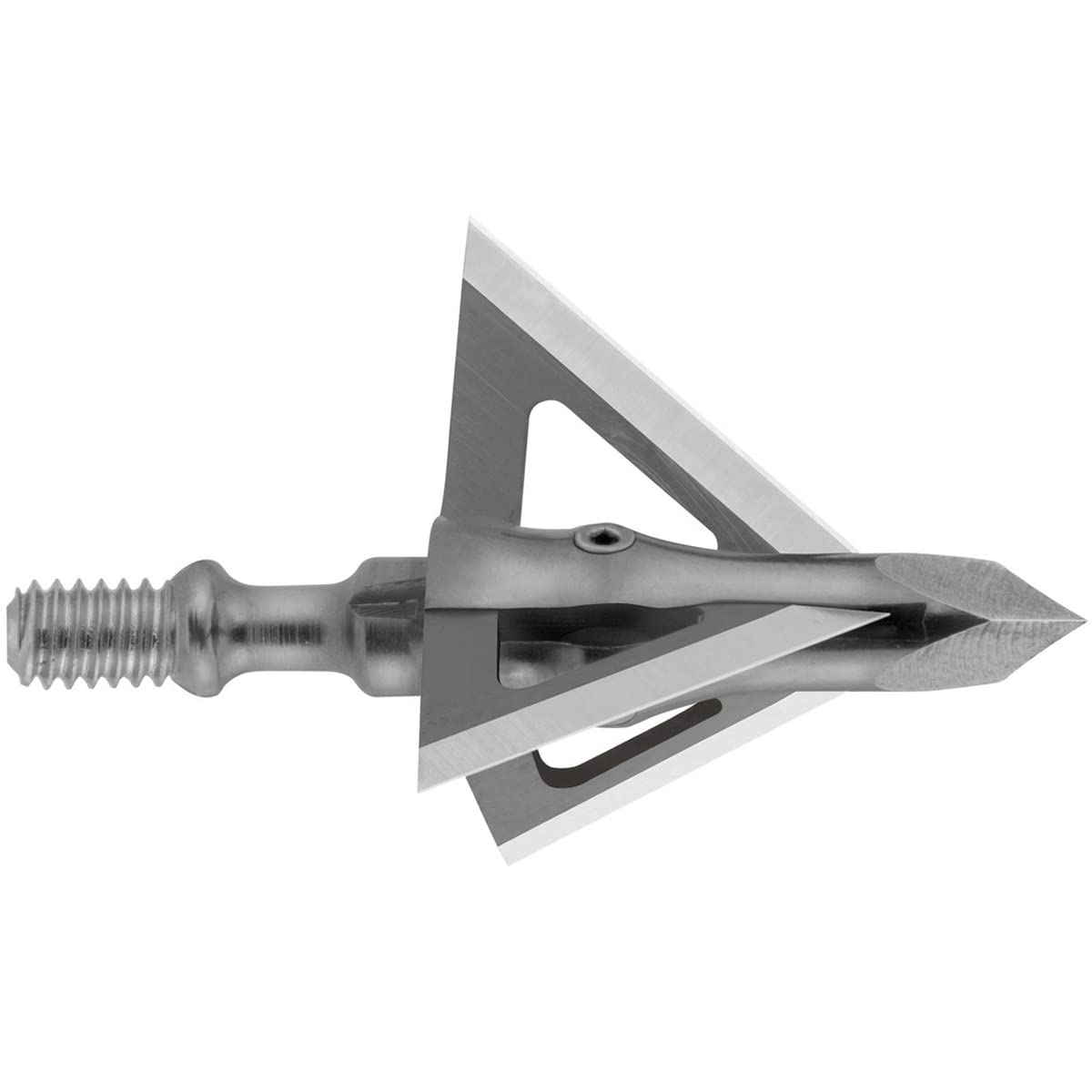
The Muzzy Trocar is a compact three-blade fixed head. The official standard Trocar specifications list a solid stainless-steel ferrule, .035-inch right-helical stainless blades, a 1-3/16-inch cutting diameter, 100-grain weight, and replaceable blades.
Its short profile can reduce steering compared with taller fixed heads, but the Trocar still needs proper alignment and tuning. The standard and Trocar XB models have similar names. The XB version uses a larger ferrule base for crossbow bolts and is available in 100 or 125 grains, so check the exact model before ordering replacement parts.
What People Say
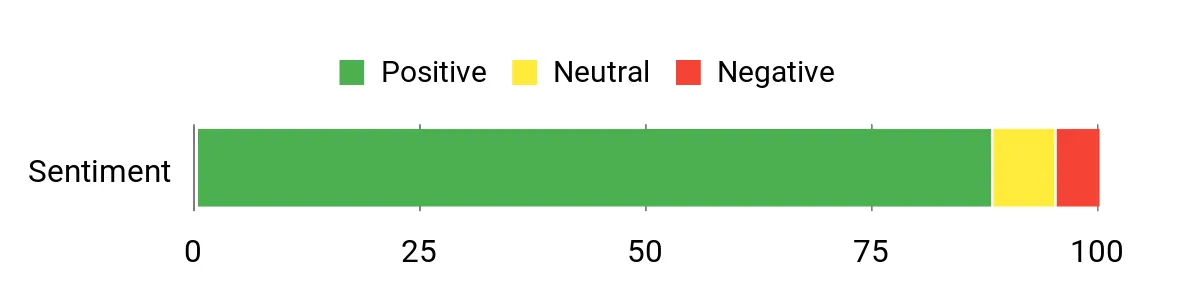
Buyer feedback often praises the compact profile, sharp replaceable blades, and accuracy after tuning. Reported negatives include occasional missing or damaged small parts and the need to confirm that replacement blades and hardware match the exact Trocar version.
Overall Sentiment: Positive, especially among hunters who prefer replaceable fixed blades.
Situational Benefits
|
Situation |
How It Helps |
|---|---|
|
Fast Compound Bows |
The compact profile presents less blade surface than many taller fixed heads, which can make tuning more manageable. |
|
Crossbow Setups |
The separate Trocar XB model has a wider ferrule base designed to match larger crossbow bolts. |
|
Replaceable-Blade Users |
You can replace damaged or dull blades instead of sharpening the entire head. |
|
Preseason Tuning |
The rigid three-blade design quickly reveals alignment or bow-tuning problems before the hunt. |
Versatility
The standard Trocar suits compatible compound and traditional setups, while Trocar XB is the better match for crossbow bolts. Do not assume the two models are interchangeable simply because their cutting diameters and appearance are similar.
Key Benefits
- Short fixed-blade profile
- Solid stainless-steel ferrule
- .035-inch stainless-steel blades
- 1-3/16-inch cutting diameter
- Replacement blades available
Best match: Hunters who want a compact, serviceable fixed head with replaceable blades.
Wasp Drone
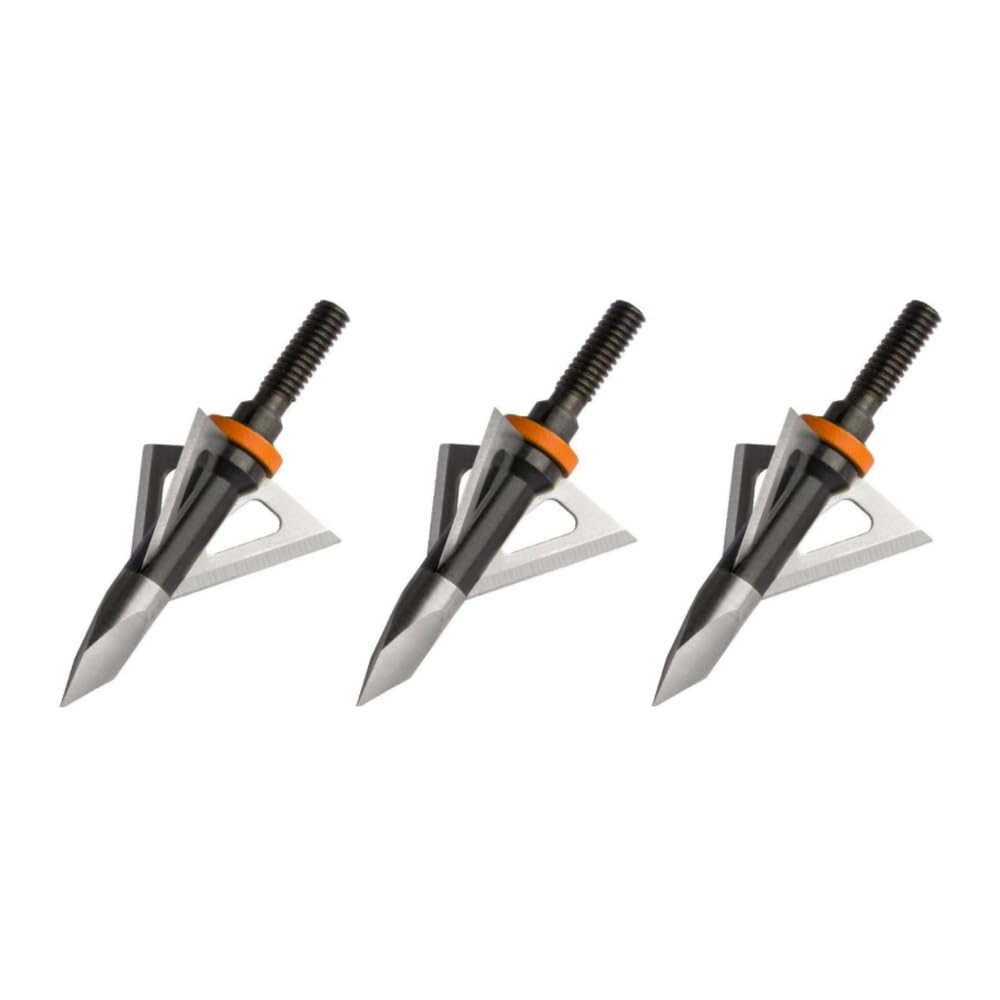
The Wasp Drone is a low-profile fixed head with 100% steel construction. Wasp lists a Trocar Stainless Smart Tip, .027-inch stainless-steel blades, and a 1-1/8-inch cutting diameter. The line includes 100-grain, 125-grain, and Deep Six options.
This head fits hunters who want a compact all-steel design without moving blades. Its narrower cut gives up some wound-channel width compared with large expandables, but the smaller profile can support penetration and easier fixed-blade tuning.
What People Say
Commonly reported strengths include the compact shape, sturdy construction, and consistent grouping after the bow is tuned. As with any replaceable-blade head, inspect blade seating and point alignment before every hunt.
Overall Sentiment: Positive, with durability and low-profile flight as the main themes.
Situational Benefits
|
Situation |
How It Helps |
|---|---|
|
Penetration-Focused Builds |
The compact 1-1/8-inch cut limits blade surface compared with wider heads. |
|
Fast Compound Bows |
The low-profile shape can reduce aerodynamic steering, although final broadhead tuning remains required. |
|
Rugged Hunts |
The all-steel body avoids an aluminum ferrule and contains no deployment mechanism. |
|
Different Arrow Systems |
Standard 100- and 125-grain choices plus a Deep Six option support several compatible inserts. |
Versatility
The Drone is best for hunters who prioritize a compact fixed blade and all-steel construction. Confirm that the thread system and grain weight match your insert before ordering.
Key Benefits
- 100% steel construction
- Trocar Stainless Smart Tip
- .027-inch stainless-steel blades
- 1-1/8-inch cutting diameter
- 100-grain, 125-grain, and Deep Six options
Best match: Hunters who want a low-profile all-steel fixed head for a penetration-focused setup.
RAGE Hypodermic
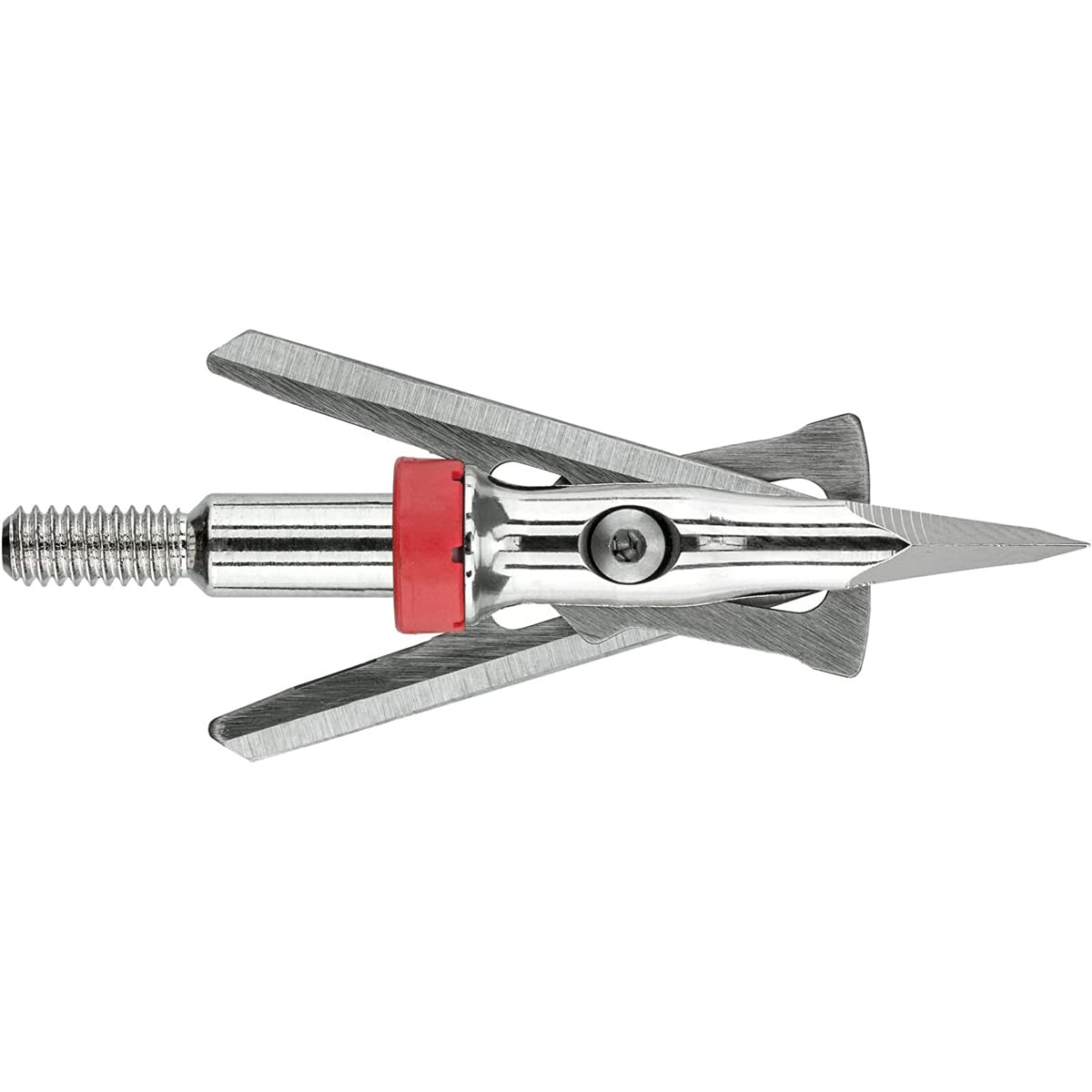
The linked Rage Hypodermic Crossbow is an older crossbow-specific expandable with a hybrid tip, two .035-inch blades, a 2-inch deployed cutting diameter, and a High-Energy SHOCK Collar. FeraDyne introduced it in 100- and 125-grain versions for crossbow bolts.
Rage now also sells a Hypodermic Crossbow NC with a no-collar retention system. That newer model is not the same version shown by this Amazon link. Verify the package, grain weight, bolt fit, and replacement components before use.
What People Say
Reported positives include field-point-like grouping from compatible crossbows and a wide entry cut when the blades deploy correctly. Reported problems usually involve incorrect collars, damaged blades, counterfeit products, or poor bolt compatibility. Rage advises replacing blades after they have been shot rather than assuming they remain hunt-ready.
Overall Sentiment: Positive when the correct crossbow version and retention parts are used.
Situational Benefits
|
Situation |
How It Helps |
|---|---|
|
Compatible Crossbows |
The ferrule and retention system are designed around crossbow bolt diameters and high launch speeds. |
|
Wide-Cut Preference |
The two blades deploy to a 2-inch cutting diameter when the head functions as designed. |
|
High-Energy Setups |
A compatible crossbow can supply the energy needed for blade deployment and penetration, but performance must be confirmed before hunting. |
|
Variant-Specific Maintenance |
Using the correct High-Energy collar and replacement blades helps prevent retention problems with this older version. |
Versatility
This is not a general-purpose head for every bow. It is intended for compatible crossbows. Hunters using compounds should choose the appropriate standard Rage model instead of assuming the crossbow ferrule and retention parts will fit correctly.
Key Benefits
- Crossbow-specific two-blade expandable
- Hybrid Hypodermic tip
- .035-inch blades
- 2-inch deployed cutting diameter
- Available in 100- and 125-grain versions
Best match: Crossbow hunters who want a wide two-blade expandable and can verify the exact collar-based version.
G5 Deadmeat

The G5 Deadmeat V2 is a three-blade rear-deploy expandable made from steel. The manufacturer specifications list a 1.5-inch cutting diameter, 100- and 125-grain versions, replaceable blades and SnapLock collars, and a matching BMP practice model.
The 1.5-inch cut is smaller than some two-blade expandables, which may provide a more balanced trade-off between cut width and penetration. It still requires enough arrow energy, correct SnapLock installation, and broadhead impact testing.
What People Say
Common positive themes include easy blade installation, a compact in-flight profile, and close agreement between the BMP practice point and hunting head. Reported concerns focus on installing the collar correctly and inspecting all moving parts after transport or practice.
Overall Sentiment: Positive, especially for hunters who want three expandable blades and a matched practice point.
Situational Benefits
|
Situation |
How It Helps |
|---|---|
|
High-Energy Compounds |
A well-matched setup can support rear deployment while the 1.5-inch cut limits drag compared with wider expandables. |
|
Crossbow Setups |
A separate crossbow version is available, so you can match the ferrule and retention system to the bolt. |
|
Preseason Practice |
The included BMP practice model lets you practice without opening or dulling the hunting blades. |
|
Field Maintenance |
Replaceable blades and collars let you service the head after damage instead of discarding the complete ferrule. |
Versatility
Standard and crossbow Deadmeat versions cover several hunting setups, but the exact model matters. Use only the blades and collars specified for your version.
Key Benefits
- All-steel construction
- Three rear-deploy blades
- 1.5-inch cutting diameter
- 100- and 125-grain choices
- Replaceable blades and SnapLock collars
- Matching BMP practice model included
Best match: Hunters who want a durable three-blade expandable with replaceable components and a matched practice point.
Bloodsport Gravedigger

The Bloodsport Gravedigger is a hybrid head that can be configured in fixed-blade mode or used with cross-opening mechanical blades. The current chisel-tip model uses a 1-inch fixed blade with two 1/2-inch bleeders, 1.75-inch mechanical blades, 416 stainless-steel blades, and a 7075 aluminum ferrule. It is offered in 100- and 125-grain versions.
This design offers more configuration choices than the other heads here, but that also creates more setup steps. Follow the manufacturer’s set-screw and blade-retention instructions, then verify the exact mode you plan to hunt with.
What People Say
Positive reports focus on the option to run fixed or mechanical mode and on the broadhead’s compact flight profile. Setup errors, loose set screws, or confusion about blade mode can reduce reliability, so inspect the head closely before loading it into a quiver.
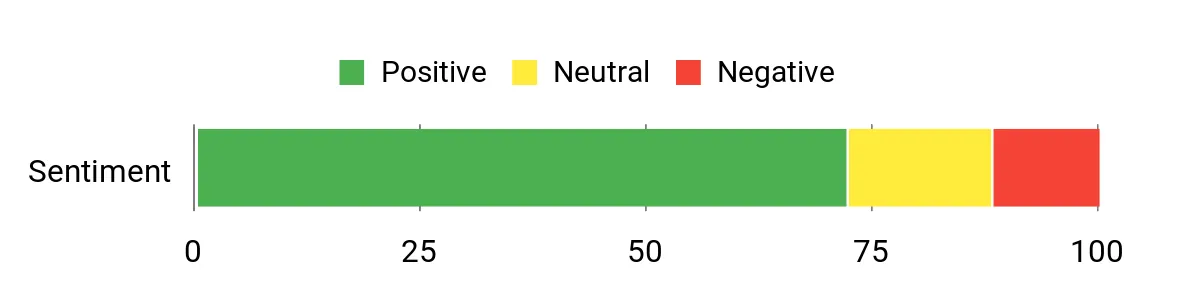
Overall Sentiment: Positive among hunters who understand and verify the selected configuration.
Situational Benefits
|
Situation |
How It Helps |
|---|---|
|
Tuned Compound Bows |
The compact closed profile can reduce wind steering, while the fixed cutting surfaces provide immediate cutting on contact. |
|
Fixed-Mode Preference |
The set-screw system allows the head to operate without mechanical blade deployment when configured correctly. |
|
Hybrid-Mode Preference |
The cross-opening blades add a 1.75-inch mechanical cut after entry. |
|
Different Point Weights |
100- and 125-grain versions make it easier to match common field-point weights. |
Versatility
The Gravedigger offers more flexibility than a fixed-only or mechanical-only head. That flexibility is useful only when you understand the mode, secure the hardware, and confirm impact with the exact hunting configuration.
Key Benefits
- Selectable fixed or hybrid mechanical configuration
- 1-inch fixed blade with two 1/2-inch bleeders
- 1.75-inch cross-opening mechanical blades
- 416 stainless-steel blades
- 7075 aluminum ferrule
- No rubber bands or O-rings
Best match: Experienced hunters who want one head with fixed and mechanical configuration options.
How to Tune and Inspect Elk Broadheads
- Confirm compatibility: Check the head’s grain weight, thread type, ferrule diameter, and standard or crossbow designation.
- Inspect the arrow: Do not shoot a cracked carbon shaft, bent aluminum shaft, damaged insert, loose nock, or questionable component.
- Install safely: Use a broadhead wrench and tighten the head against the insert without touching the blades.
- Spin-test the assembly: Replace or correct any head, insert, or shaft that visibly wobbles.
- Paper-tune or bare-shaft tune: Correct basic bow and arrow flight before making broadhead-specific sight changes.
- Use a broadhead target: Start close, then work back gradually while comparing broadhead and field-point groups.
- Confirm hunting distance: Stop at the farthest range where you can repeatedly place the first arrow into the vital-zone-sized aiming area under field-like conditions.
- Prepare fresh edges: Sharpen reusable fixed heads correctly or install new manufacturer-approved blades and retention parts.
Warning: Do not practice with broadheads at a public range unless broadheads are expressly allowed. Many ranges permit field points only. Never use cardboard, a standard bag target, or an improvised backstop that cannot safely stop and retain a broadhead.
Frequently Asked Questions
How do I choose broadheads for elk?
Start with a legal head that matches your arrow or bolt, grain weight, bow energy, and insert system. Favor sharp blades, a strong ferrule, reliable retention, and proven grouping from your setup. Then choose between fixed, mechanical, or hybrid construction based on the penetration and cut-width trade-off you can support.
Fixed blade or mechanical: which is better for elk?
A fixed blade is usually the safer default when you want simple construction and dependable penetration. A mechanical can create a wider cut and may be easier to steer in flight, but it requires correct deployment, sufficient energy, and legal approval. Neither design is automatically better from every bow.
How should I test and tune broadheads?
Tune the bow and arrows first, spin-test every assembled hunting arrow, and shoot into a broadhead-rated foam target. Compare field-point and broadhead groups at increasing distances. Make small rest or nock adjustments when needed, then confirm the first shot from a cold setup before hunting.
What broadhead grain weight should I use for elk?
Use the weight supported by your arrow-spine selection and bow or crossbow instructions. Most products in this guide come in 100 or 125 grains, while the Montec also offers 85 grains. Keep practice points and hunting heads the same weight, then verify total arrow performance rather than choosing by grain weight alone.
Can I use a crossbow broadhead on a compound bow?
Only when the manufacturer specifically approves that use and the ferrule, thread, grain weight, and retention system fit your arrow. Crossbow versions may have wider ferrule bases or different collars. Choosing the standard version designed for compound bows is usually the clearer option.
Can I reuse a broadhead after shooting it?
Inspect the ferrule, point, threads, blades, screws, and retention parts after every shot. A one-piece fixed head may be reusable after careful inspection and correct sharpening. Mechanical blades and collars should be replaced according to the manufacturer’s instructions, and any bent, cracked, loose, or questionable head should be retired.
Customer Preferences
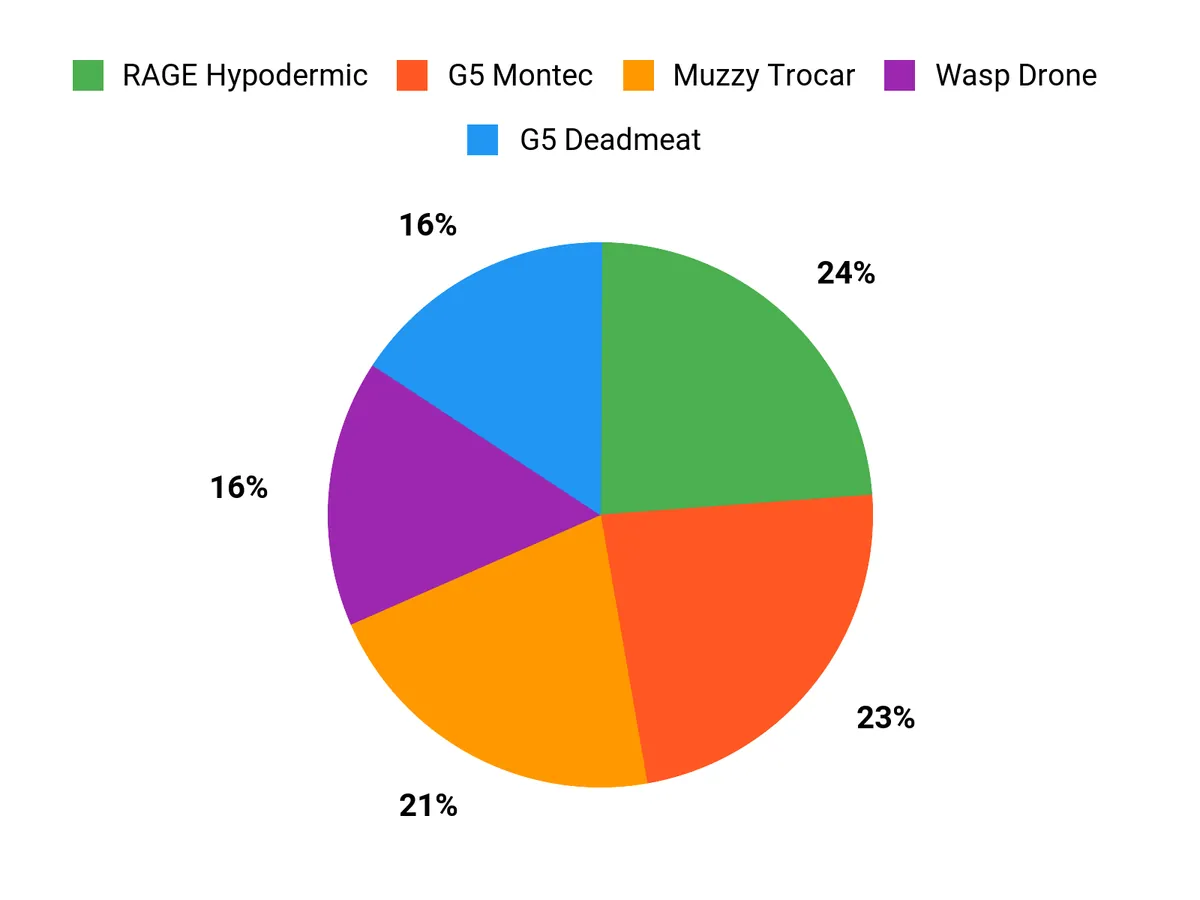
Choose the G5 Montec if you want the fewest parts and a resharpenable one-piece head. Choose the Muzzy Trocar if you prefer a compact stainless-steel ferrule with replaceable blades. The Wasp Drone is the strongest fit for an all-steel, low-profile fixed head.
For expandable designs, the Rage Hypodermic Crossbow offers the widest listed cut but requires the correct crossbow-specific version and retention parts. The G5 Deadmeat uses three rear-deploy blades and a smaller 1.5-inch cut. The Gravedigger gives you the most configuration flexibility, but it also requires careful set-screw and mode checks.
Wrapping Up
The G5 Montec, Muzzy Trocar, and Wasp Drone are the clearest choices when you want fixed-blade simplicity. The Rage Hypodermic Crossbow and G5 Deadmeat suit compatible high-energy setups that can support expandable blades, while the Bloodsport Gravedigger serves hunters who specifically want a configurable hybrid.
Do not choose by cutting diameter or marketing language alone. Confirm the exact version, follow your arrow and bow specifications, inspect every component, verify broadhead impact from a safe target, and wait for a clear vital-zone shot within your proven range.
| Product Name | Image | Best Fit | Material | Cutting Diameter | Total Blades |
|---|---|---|---|---|---|
| G5 Montec Fixed 3-Blade Broadheads | 3-Pack |
|
Simple, resharpenable fixed blade | One-piece steel | 1.0625 inches | 3 |
| Muzzy Trocar 3-Blade Broadhead |
|
Compact fixed head with replacement blades | Stainless-steel ferrule and blades | 1-3/16 inches | 3 |
| Wasp Drone Broadhead |
|
Low-profile all-steel fixed head | 100% steel | 1-1/8 inches | 3 |
| RAGE Hypodermic Crossbow Broadhead |
|
Compatible high-energy crossbows | Stainless-steel ferrule and blades | 2 inches deployed | 2 |
| G5 Deadmeat V2 Expandable 3-Blade Broadheads |
|
Three-blade rear-deploy expandable | Steel | 1.5 inches deployed | 3 |
| Bloodsport Gravedigger Hybrid Mechanical Broadhead |
|
Selectable fixed or hybrid mode | 416 stainless-steel blades; 7075 aluminum ferrule | 1 inch fixed; 1.75 inches mechanical | 4 cutting blades |
Sources
- G5 Outdoors: Original Montec — construction, cutting diameter, grain options, and practice model.
- FeraDyne Outdoors: Muzzy Trocar — ferrule, blade thickness, cutting diameter, and pack specifications.
- Wasp Archery: Drone specifications — steel construction, blade thickness, cutting diameter, and grain options.
- FeraDyne Outdoors: Rage Hypodermic Crossbow versions — older collar-based crossbow model specifications.
- G5 Outdoors: Deadmeat V2 — steel construction, blade system, cutting diameter, and practice model.
- Bloodsport Archery: Gravedigger Chisel Tip — fixed and mechanical cuts, blade steel, ferrule material, and retention system.
This Roundup is reader-supported. When you click through links we may earn a referral commission on qualifying purchases.
