
Last Updated on July 27, 2026 by Daniel Globe
Altitude sickness can affect anyone who travels too high too quickly, including experienced and physically fit hikers. Acute mountain sickness (AMS) is the most common form, but severe altitude illness can progress to high-altitude cerebral edema (HACE) or high-altitude pulmonary edema (HAPE). The safest approach is to plan a gradual ascent, recognize symptoms early, and be willing to stop climbing or descend when necessary.
Quick Answer
To reduce altitude-sickness risk, increase your sleeping altitude gradually, take acclimatization days, avoid pushing higher when symptoms appear, and descend if symptoms worsen. Fitness does not protect you from AMS. Confusion, loss of coordination, severe breathlessness at rest, or worsening respiratory symptoms require urgent descent and medical care.
Key Takeaways
- Any unacclimatized traveler sleeping around 8,000 feet (2,450 meters) or higher can develop altitude illness, and susceptible people can become sick at lower elevations.
- Physical fitness improves hiking performance but does not protect against AMS, HACE, or HAPE.
- Once above about 9,850 feet (3,000 meters), control gains in sleeping altitude and build acclimatization nights into the itinerary.
- Do not climb higher to sleep while you have altitude-illness symptoms.
- Confusion, inability to walk normally, breathlessness at rest, or worsening respiratory distress are emergency signs that require urgent descent.
- Hydration prevents dehydration but does not substitute for gradual ascent or treat the underlying cause of altitude sickness.
At a Glance
| Time Required | Plan acclimatization into the itinerary. Two to three nights around 8,000–9,000 feet before going substantially higher can be protective, with additional acclimatization nights as sleeping altitude increases. |
| Difficulty | Moderate to high; risk depends more on altitude, sleeping elevation, rate of ascent, and individual susceptibility than on fitness alone. |
| Tools Needed | Route and elevation plan, navigation tools, appropriate clothing, water and food, first-aid supplies, and a reliable way to call for help. Prescription medication or expedition oxygen should be planned with a qualified clinician or guide when appropriate. |
| Cost | Acclimatization planning itself costs $0; permits, guides, communication devices, medication, oxygen, and evacuation coverage vary by destination. |
Note: This article provides general educational information and is not a medical diagnosis or an individualized treatment plan. Travelers with significant heart or lung disease, pulmonary hypertension, preexisting low oxygen levels, sickle cell conditions, severe sleep apnea, a history of HACE or HAPE, a complicated pregnancy, or other major medical conditions should discuss high-altitude travel with a qualified clinician.
Disclosure: As an Amazon Associate I earn from qualifying purchases. Some links on this page are affiliate links, at no extra cost to you.
What Altitude Sickness Is and Who Is at Risk
Altitude illness develops because atmospheric pressure falls as elevation increases. The percentage of oxygen in the air remains roughly the same, but the lower pressure reduces the partial pressure of oxygen, so less oxygen is available with each breath. The body responds by increasing ventilation and making other adjustments during acclimatization.
According to the CDC Yellow Book guidance on high-altitude travel, any unacclimatized traveler proceeding to a sleeping altitude of about 8,000 feet (2,450 meters) or higher can develop altitude illness. Highly susceptible people can become ill lower than this.
CDC reports that about one in four visitors sleeping above 8,000 feet in Colorado develop acute mountain sickness.
The most important risk factors are how high you sleep, how quickly you get there, and your individual susceptibility. A previous response to a similar altitude and ascent schedule can provide useful information about future risk, but it is not a guarantee.
Physical fitness is different. Being fit can make a steep climb easier, but it does not make a person immune to AMS, HACE, or HAPE. A strong athlete who rapidly ascends from sea level can become seriously ill while a less-fit person on a slow itinerary may remain well.
Preparing for High Altitude Hikes
Start by studying both the trail elevation and your sleeping elevations. Sleeping altitude often matters more for acclimatization than the highest point reached during a daytime hike. A day trip to a high summit followed by a return to a substantially lower sleeping elevation places less sustained hypoxic stress on the body than spending the night high.
Check the route, terrain, weather, water availability, turnaround points, bailout routes, and where reliable medical help is available. For a remote trek, also identify how you would contact rescuers and how an ill person could descend or be evacuated.
Cardiovascular and strength training remain worthwhile because they improve endurance, balance, and your ability to carry a pack. Just do not treat good fitness as an altitude-sickness prevention strategy.
Pre-acclimatization can help. CDC guidance notes that spending at least two nights above about 9,000 feet (2,750 meters) within the two weeks before a trip can provide some benefit. Spending two or three nights around 8,000–9,000 feet before continuing much higher can also reduce AMS risk.
Pro Tip: Build an extra acclimatization day into the itinerary before you think you need it. An unused rest day is inconvenient; a rushed ascent that forces an evacuation can end the entire trip.
Hydration and Nutrition at High Altitudes
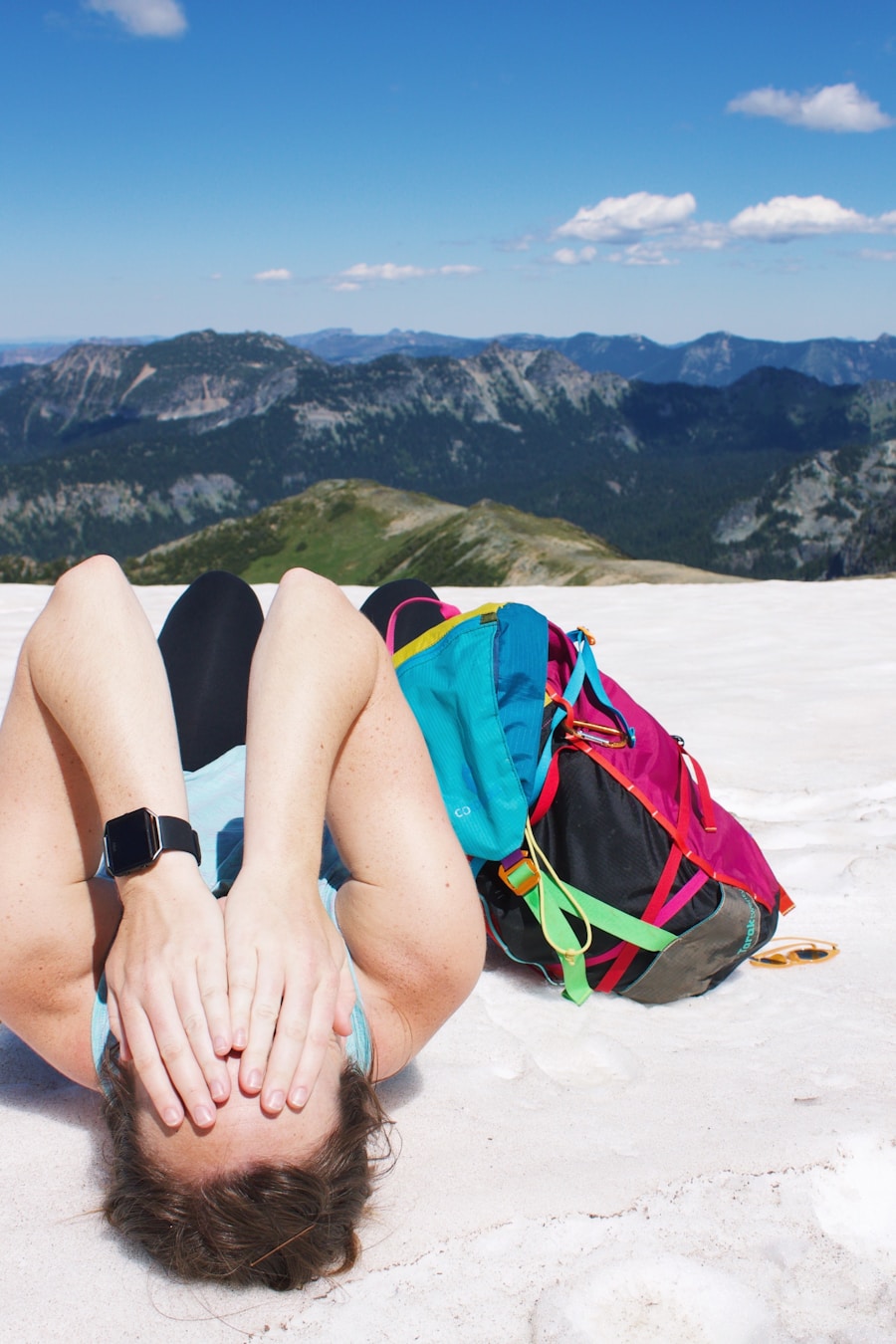
High-altitude air is often dry, breathing rate increases, and hiking may produce substantial sweat loss. Drink regularly and replace the fluids you lose, especially during long or hot days. However, there is no universal requirement that every hiker drink three or four liters each day.
Hydration is important because dehydration can cause headache, fatigue, dizziness, and poor performance that may resemble AMS. It does not, however, prevent altitude sickness by itself. The underlying protection comes primarily from an appropriate ascent rate and acclimatization.
Eat enough to support the workload. Whole grains, fruit, potatoes, rice, oats, energy bars, dried fruit, nuts, dairy or alternatives, lean proteins, and other familiar foods can all work well. Carbohydrate is a practical fuel for prolonged activity at altitude, although nutrition should be viewed as performance support rather than a treatment for altitude illness. A recent peer-reviewed review of high-altitude nutrition and hydration discusses these needs in detail.
Avoid heavy alcohol consumption, and CDC recommends avoiding alcohol during the first 48 hours at high altitude. Alcohol and other respiratory depressants can interfere with breathing and sleep at altitude.
Regular caffeine users do not normally need to stop caffeine simply because they are at elevation. In fact, suddenly stopping it can trigger a withdrawal headache that may be confused with altitude headache. Keep intake moderate and familiar rather than making major changes during the trip.
Gradual Acclimatization Techniques
| Technique | Why It Helps | Practical Guidance |
|---|---|---|
| Staged Arrival | Gives the body time to begin ventilatory acclimatization before greater exposure. | When possible, spend 2–3 nights around 8,000–9,000 feet before sleeping substantially higher. |
| Controlled Sleeping-Altitude Gain | Limits the overnight hypoxic stress that drives much of the risk. | Above about 9,850 feet (3,000 meters), keep increases in sleeping altitude to no more than about 1,600 feet (500 meters) per day when possible. |
| Acclimatization Nights | Allows adaptation to catch up before the next sleeping-altitude increase. | Plan an additional acclimatization night for roughly every 3,300 feet (1,000 meters) of sleeping-altitude gain. |
The Wilderness Medical Society’s 2024 altitude-illness guideline and current CDC guidance emphasize gradual ascent. When possible, avoid going directly from a low elevation to a first-night sleeping altitude of about 9,000 feet (2,750 meters) or higher.
Once above approximately 9,850 feet (3,000 meters), CDC recommends increasing sleeping altitude by no more than about 1,600 feet (500 meters) per night and adding an acclimatization night for every additional 3,300 feet (1,000 meters) of sleeping gain. Individual tolerance varies, so a slower pace may be necessary.
The traditional “climb high, sleep low” approach can fit this strategy. You may hike higher during the day and then return to a lower camp to sleep. This exposes the body to altitude while limiting overnight hypoxic stress.
The benefit should not be explained mainly by immediate red-blood-cell production. During the crucial first several days, acute acclimatization primarily involves increased breathing and other physiological adjustments that improve oxygenation. Red-cell changes become more relevant over longer exposure.
For the first 48 hours after arriving abruptly at high altitude, keep exercise relatively light. Do not try to “push through” developing symptoms in the hope that hard exercise will make you acclimatize faster.
Recognizing Symptoms of Altitude Sickness
Altitude illness is usually divided into three main syndromes: acute mountain sickness (AMS), high-altitude cerebral edema (HACE), and high-altitude pulmonary edema (HAPE).
| Condition | Typical Warning Signs | What to Do |
|---|---|---|
| AMS | Headache commonly accompanied by nausea, loss of appetite, dizziness, unusual fatigue, or vomiting after recent ascent. | Stop ascending. Rest at the same elevation. Do not sleep higher until symptoms have resolved. Descend if symptoms worsen. |
| HACE | Confusion, unusual drowsiness, altered behavior, inability to walk normally, loss of coordination, or declining consciousness. | Medical emergency. Begin urgent descent and seek emergency medical care. Oxygen and prescribed emergency treatment may be used when available. |
| HAPE | Declining exercise ability, cough, chest congestion, unusual breathlessness with activity, progressing to breathlessness at rest or respiratory distress. Bloody or pink sputum can occur in advanced cases. | Medical emergency. Urgent descent is usually required. Minimize exertion and use oxygen if available while arranging evacuation. |
AMS commonly begins within hours after arriving at a new high elevation, often during or after the first night. A new headache alone can have many causes, including dehydration, migraine, caffeine withdrawal, exhaustion, or illness, so symptoms must be interpreted in the context of a recent ascent.
HACE affects the brain. One of the most useful field warning signs is ataxia, or inability to walk and coordinate movements normally, particularly when accompanied by confusion or altered mental status.
HAPE affects the lungs and can occur with or without obvious AMS. Early clues include a noticeable drop in exercise performance, cough, chest congestion, and breathlessness that seems excessive for the terrain. Breathlessness at rest is especially concerning.
Warning: Confusion, inability to walk normally, marked drowsiness, severe breathing difficulty, breathlessness at rest, blue lips, or rapidly worsening respiratory symptoms at altitude can indicate HACE or HAPE. These are medical emergencies. Start descent, minimize exertion, use oxygen if available, and activate emergency medical or rescue services.
A pulse oximeter can provide useful context, but it should not be used by itself to rule AMS in or out. Normal oxygen saturation falls as altitude increases, and AMS is diagnosed mainly from the ascent history and symptoms. A reading that is unusually low for the elevation, especially in someone with respiratory distress, is more concerning for severe illness such as HAPE.
Treatment and Management of Altitude Sickness
Mild Acute Mountain Sickness
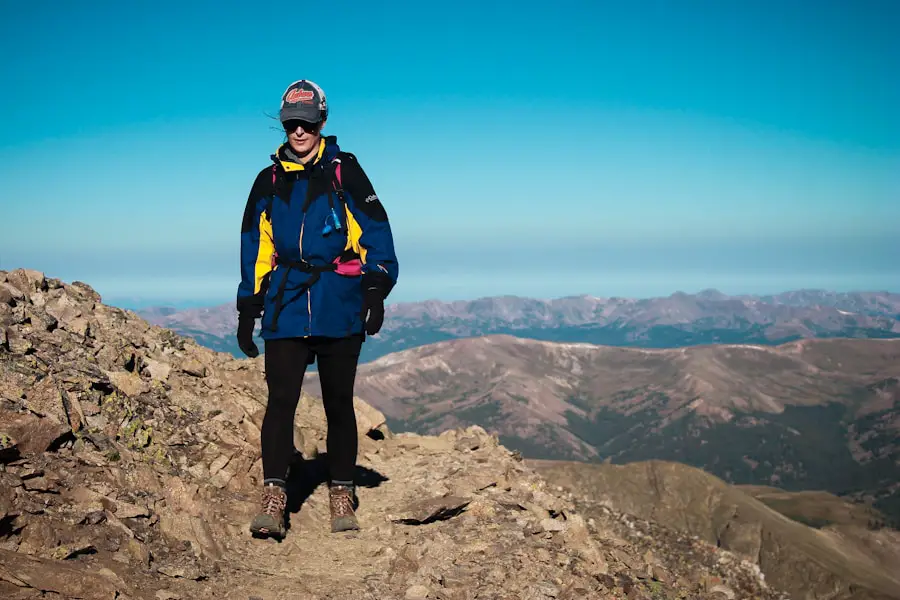
If symptoms are mild and there are no signs of HACE or HAPE, stop ascending and reduce exertion. A person with uncomplicated mild AMS can often remain at the same elevation while symptoms improve, but should not continue to a higher sleeping elevation.
Correct dehydration if present, eat as tolerated, and rest. Non-opioid pain relievers such as acetaminophen or ibuprofen can help a headache when they are safe for that individual and used according to the product label or medical advice.
If symptoms worsen at the same elevation, become severe, or fail to improve appropriately, descent is the safest response. According to CDC guidance, descending roughly 1,000 feet (300 meters) or more can produce rapid improvement in AMS.
HACE or HAPE
HACE and HAPE are different from uncomplicated AMS. Both can be fatal and generally require urgent descent. Keep the sick person from exerting themselves unnecessarily, because exertion can worsen oxygen demand, particularly with HAPE.
Supplemental oxygen can be lifesaving when available. In remote expeditions where immediate descent is temporarily impossible, a portable hyperbaric chamber can simulate a lower altitude and buy time. Neither oxygen nor a pressure bag should be used as an excuse to delay descent when evacuation is possible.
Altitude-Sickness Medication
Acetazolamide is the best-established prescription medication for speeding acclimatization and reducing AMS risk. CDC lists 125 mg every 12 hours as a common adult preventive regimen, generally beginning the day before ascent, with different dosing in some circumstances. Because medical history, allergies, kidney function, other medications, pregnancy status, and expedition risk matter, hikers should establish a medication plan with a healthcare professional rather than borrowing medication on the trail.
Dexamethasone can prevent or treat AMS/HACE in selected situations but does not create acclimatization in the same way as acetazolamide. It is generally reserved for specific medical or emergency plans. People with a history of HAPE may sometimes receive preventive medication such as nifedipine or another pulmonary vasodilator under specialist guidance.
For detailed treatment recommendations, see the CDC Yellow Book altitude-illness chapter and the Merck Manual Professional review of altitude illness.
Note: Small consumer cans of compressed oxygen may provide only brief relief and should not be considered a substitute for sustained oxygen, descent, or evacuation when severe altitude illness is suspected.
Safety Measures for High Altitude Hikes
Good altitude safety is based on decisions made before symptoms become severe. Each group member should understand the route, planned sleeping elevations, expected acclimatization days, turnaround rules, emergency contacts, and evacuation options.
Hike with a partner or group when possible, especially on remote high-altitude routes. Encourage honest symptom reporting. Summit pressure can make hikers minimize headaches, nausea, unusual fatigue, or breathlessness, so establish before the trip that health takes priority over the itinerary.
Carry both electronic and backup navigation suitable for the route. In areas without dependable cell service, consider a satellite communication device or other recognized emergency-communication system.
Travelers with underlying heart or lung disease, preexisting low oxygen levels, significant pulmonary hypertension, sickle cell conditions, severe obstructive sleep apnea, or certain recent cardiovascular events should seek individualized medical advice before ascent. Pregnancy can also change the risk-benefit calculation, particularly where emergency obstetric care is far away.
The safest field rule is simple: never continue to a higher sleeping altitude while you have symptoms of altitude illness, and descend if those symptoms worsen despite rest at the same elevation.
Tips for Descending Safely from High Altitudes
Do not delay descent merely to save a summit attempt, campsite reservation, or itinerary. If HACE, HAPE, severe AMS, or worsening symptoms are suspected, getting lower becomes the priority.
For uncomplicated AMS, even a descent of about 1,000 feet (300 meters) can provide substantial relief. Severe illness may require a larger descent, oxygen, rescue assistance, and medical evaluation.
Move carefully over loose rocks, scree, snow, or steep trails. A sick hiker may be weak or poorly coordinated, so they may require direct assistance. Someone with suspected HACE should not be allowed to descend difficult terrain alone.
With suspected HAPE, minimize exertion during evacuation whenever practical. Oxygen should be used if available, and rescue services should be activated when the person’s condition, terrain, weather, or distance makes self-evacuation unsafe.
Continue providing appropriate fluids and food during a long descent when the person can safely drink and eat, but do not delay evacuation to focus on hydration. Hydration does not reverse HACE or HAPE.
Conclusion
Altitude sickness is largely a problem of exposure: how high you sleep, how quickly you ascend, and how your individual body responds. Good fitness helps you hike but does not protect you from AMS. The most effective prevention strategy is an itinerary that allows adequate acclimatization and gives you permission to slow down when symptoms appear.
Learn the difference between ordinary AMS symptoms and emergency signs of HACE or HAPE before entering remote terrain. Stop ascending when symptoms develop, never move to a higher sleeping altitude while sick, and descend if symptoms worsen. Confusion, loss of coordination, or serious breathing difficulty should trigger urgent descent and emergency care.
For broader destination planning, seasonal conditions still matter because weather can affect trail access, rescue options, heat, cold, and how quickly you can descend. The Best Time to Travel to Australia and New Zealand guide can help with seasonal trip planning in that region, while the Germany seasonal travel guide provides similar planning information for Germany. Weather itself does not cause AMS; altitude exposure and ascent profile remain the primary concerns.
Frequently Asked Questions
What is altitude sickness?
Altitude sickness is illness caused by exposure to the lower oxygen pressure found at elevation before the body has adequately acclimatized. Acute mountain sickness is the most common form. Severe altitude illness includes high-altitude cerebral edema and high-altitude pulmonary edema.
What are the symptoms of altitude sickness?
AMS commonly causes headache with symptoms such as nausea, loss of appetite, dizziness, unusual fatigue, or vomiting after recent ascent. Confusion or inability to walk normally suggests HACE, while worsening cough, poor exercise tolerance, or breathlessness at rest can indicate HAPE.
How can altitude sickness be prevented?
The main prevention method is gradual acclimatization. Avoid overly rapid increases in sleeping altitude, add acclimatization nights, take it easy during the first days after abrupt arrival, and never ascend higher to sleep while altitude-illness symptoms are present. Acetazolamide may be appropriate for some travelers after medical consultation.
How is altitude sickness treated?
For mild AMS, stop ascending, reduce exertion, and remain at the same elevation while monitoring symptoms. Descend if symptoms worsen or become severe. HACE and HAPE are medical emergencies that generally require urgent descent, oxygen when available, and emergency medical care.
When should I seek medical help for altitude sickness?
Seek urgent medical or rescue assistance for confusion, abnormal behavior, inability to walk normally, declining consciousness, severe respiratory distress, breathlessness at rest, blue lips, or rapidly worsening symptoms. These signs can indicate HACE or HAPE and should not be managed by simply resting overnight.
Does being physically fit prevent altitude sickness?
No. Fitness can improve hiking endurance and make carrying a pack easier, but it does not protect against acute altitude illness. Highly trained athletes can still develop AMS, HACE, or HAPE after a rapid ascent.
Should I avoid caffeine at high altitude?
Not necessarily. Regular caffeine users generally should avoid abruptly stopping their usual intake because caffeine withdrawal can cause headache and be confused with altitude headache. Keep caffeine intake moderate and familiar, and avoid heavy alcohol use during acclimatization.
Can a pulse oximeter diagnose altitude sickness?
No. Oxygen saturation normally falls as elevation rises, and a person can have AMS without an unusually low reading for that altitude. Pulse oximetry can provide supporting information, particularly when severe respiratory illness is suspected, but symptoms and recent ascent remain central to diagnosis.
Sources
- CDC Yellow Book — High-Altitude Travel and Altitude Illness — current guidance on altitude risk, acclimatization, symptoms, treatment, medications, and preexisting medical conditions.
- Wilderness Medical Society Clinical Practice Guidelines: 2024 Update — evidence-based prevention, diagnosis, and treatment guidance for AMS, HACE, and HAPE.
- Merck Manual Professional — Altitude Illness — clinical overview of symptoms, acclimatization, treatment, and prevention.
- Nutrition, Hydration and Supplementation Considerations for Mountaineers in High-Altitude Conditions — 2024 peer-reviewed review of nutrition and hydration considerations at altitude.

