
Last Updated on July 27, 2026 by Daniel Globe
High elevation hiking can turn an ordinary trail into a much bigger physical and mental challenge. Around 8,000 feet (about 2,450 meters) and higher, lower atmospheric pressure means less oxygen pressure is available with each breath. You may breathe harder, move more slowly, tire sooner, and face a real risk of altitude illness even if you are very fit.
The reward can be extraordinary: alpine lakes, rugged ridgelines, unusual plant communities, and wide mountain views that are rarely found at lower elevations. The key is to respect the altitude rather than trying to overpower it. Good fitness helps you handle the work of hiking, but safe ascent and acclimatization are what help your body adjust to elevation.
Quick Answer
High elevation hiking generally means traveling around 8,000 feet (2,450 meters) or higher, where lower air pressure reduces oxygen availability. Prepare with gradual acclimatization, conservative pacing, normal hydration, layered clothing, and the 10 Essentials. Fitness improves hiking performance but does not prevent altitude illness, so worsening symptoms should never be ignored.
Key Takeaways
- Any unacclimatized person can develop altitude illness, regardless of fitness level.
- When possible, spend 2–3 nights around 8,000–9,000 feet before sleeping substantially higher.
- Above 9,800 feet (3,000 meters), keep increases in sleeping elevation to about 1,650 feet (500 meters) per night or less and add acclimatization nights during longer ascents.
- A mild headache with nausea, dizziness, unusual fatigue, or poor appetite after ascent can signal acute mountain sickness. Stop going higher until symptoms resolve.
- Confusion, inability to walk normally, or breathlessness at rest are emergency warning signs that require urgent descent and medical help.
- Hydration and fitness support performance, but neither prevents altitude sickness.
At a Glance
| Time Required | Allow several weeks for fitness preparation when possible. For substantially higher trips, 2–3 nights around 8,000–9,000 feet can provide useful acclimatization before sleeping higher. |
| Difficulty | Moderate to strenuous depending on elevation, vertical gain, weather, pack weight, terrain, and acclimatization. |
| Tools Needed | Navigation, sun protection, insulation, headlamp, first aid, repair tools, extra food, water and treatment method, emergency shelter, suitable footwear, and a communication plan. |
| Cost | Varies by route and equipment. Hikers who already own the 10 Essentials may need little additional gear, while permits, satellite communication, technical equipment, or cold-weather clothing can increase the cost. |
Disclosure: As an Amazon Associate I earn from qualifying purchases. Some links on this page are affiliate links, at no extra cost to you.
How High Elevation Changes the Hike
High elevation is commonly treated as beginning around 8,000 feet (2,450 meters), although altitude illness can occur somewhat lower in susceptible people. The percentage of oxygen in the atmosphere remains roughly the same, but atmospheric pressure falls as elevation rises. That lowers the partial pressure of oxygen and reduces how much oxygen reaches the body with each breath.
The CDC Yellow Book notes that any unacclimatized traveler sleeping at about 8,000 feet or higher can be at risk. Acute exposure can increase breathing and heart rate, reduce exercise capacity, disturb sleep, and trigger altitude illness.
The CDC reports that acute mountain sickness affects about 25% of visitors sleeping above 8,000 feet in Colorado, showing that altitude symptoms are not limited to extreme mountaineering expeditions.
How high you sleep is especially important. A daytime hike to a high summit followed by a return to a substantially lower sleeping elevation generally places less acclimatization stress on the body than spending the night at the high point.
Note: Good cardiovascular fitness can make climbing feel easier, but it does not make you immune to acute mountain sickness. Fitness and acclimatization solve different problems.
Physical Preparation for High Elevation Hiking
Physical training is still valuable because high-elevation trails can involve long climbs, uneven ground, heavy packs, and reduced exercise performance. The goal is to arrive strong enough that you do not have to push close to your physical limit while your body is also coping with altitude.
A useful preparation program combines aerobic conditioning, leg and core strength, and hiking-specific practice. Running, cycling, swimming, brisk walking, stair climbing, and hill workouts can build endurance. Squats, lunges, step-ups, calf raises, and similar exercises can strengthen the muscles used on steep trails.
As your trip approaches, include hikes with elevation gain and gradually practice with the backpack weight you expect to carry. This helps you learn your pace, footwear, fueling needs, and how your body responds to long climbs.
- Aerobic training: Build steady endurance rather than relying only on short, intense workouts.
- Hill and stair work: Prepare your legs for sustained climbing and descending.
- Strength training: Focus on legs, hips, core, and stability.
- Pack practice: Test the load, fit, and equipment you will actually use.
- Recovery: Arrive rested rather than doing exhausting workouts immediately before the hike.
Pro Tip: Train for the workload, but plan the itinerary for acclimatization. Being able to climb quickly at low elevation is not a reason to make aggressive sleeping-elevation gains in the mountains.
Gear and Equipment for High Elevation Hiking
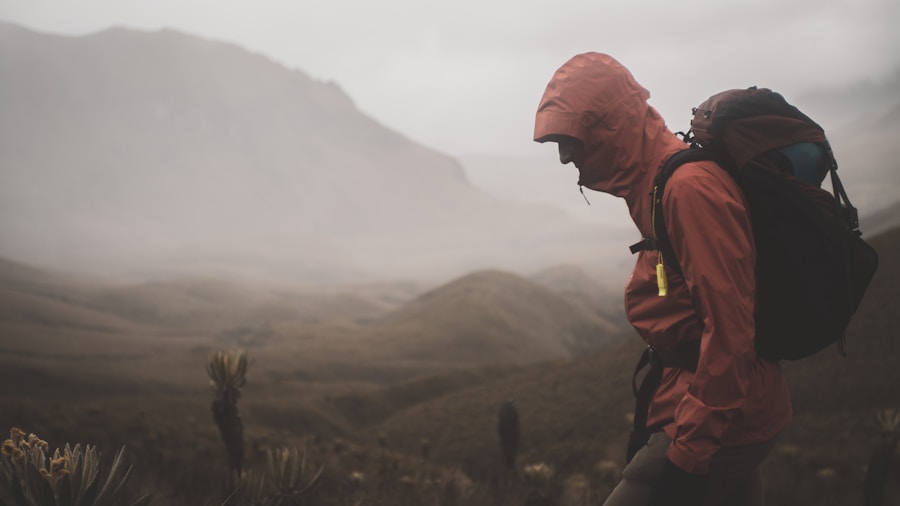
Footwear should fit well, have reliable traction, and suit the terrain and load you will carry. Sturdy boots may be helpful on rough trails, in snow, or with a heavy backpack, but they are not mandatory for every high-elevation hike. Many hikers are comfortable in supportive hiking shoes or trail shoes on maintained terrain.
Layering is more important than wearing one heavy garment. A moisture-managing base layer helps move sweat away from the skin, an insulating layer retains warmth, and a wind- and rain-resistant outer shell protects you when mountain weather changes.
The National Park Service recommends carrying the 10 Essentials for outdoor trips:
- Navigation: map, compass, GPS, or another reliable navigation system.
- Sun protection: sunglasses, sunscreen, and a hat.
- Insulation: extra warm layers and rain protection.
- Illumination: a headlamp or flashlight plus spare power.
- First aid: supplies appropriate for your group and trip.
- Fire: where legal and appropriate, a method of starting an emergency fire.
- Repair tools: items such as a knife, tape, or equipment repair materials.
- Extra food: enough for delays beyond the planned hike.
- Water: adequate water plus a treatment method when natural sources may be needed.
- Emergency shelter: a bivy, tarp, space blanket, or similar protection.
Trekking poles are optional but can improve balance and make steep descents more comfortable. Gloves, a warm hat, sunglasses, and extra insulation can be important even when the trailhead is warm.
Cell coverage is unreliable in many mountain areas. For remote routes, consider whether a satellite messenger or personal locator beacon is appropriate, and always tell a responsible person your route and expected return time.
Nutrition and Hydration for High Elevation Hiking
| Metric | Recommendation |
|---|---|
| Water Intake | There is no universal 3–4-liter altitude target. Start normally hydrated and drink according to exertion, weather, duration, and your individual fluid needs. Do not force excessive amounts of plain water. |
| Caloric Intake | Carry convenient carbohydrate-rich foods plus foods containing fat and protein. Nuts, dried fruit, sandwiches, trail mix, and energy bars are practical choices. |
| Electrolyte Balance | Electrolyte drinks or salty foods can be useful during prolonged activity or heavy sweating, but they are not a treatment or guaranteed preventive measure for altitude sickness or muscle cramps. |
| Protein Intake | Include normal protein-rich foods during meals and recovery to support muscle repair. During the hike, prioritize foods you can tolerate and eat consistently. |
| Vitamin and Mineral Supplementation | Do not take vitamin C, vitamin D, iron, or other supplements specifically to prevent altitude sickness unless a healthcare professional has identified another reason you need them. |
High-elevation hiking usually takes more effort than covering the same distance at low altitude, so easy-to-eat food becomes important. Carbohydrates provide readily available energy, while protein and fat help round out meals and recovery.
Dry mountain air and exertion can increase fluid losses, but hydration should be treated as a performance and general-health need rather than a cure for altitude illness. The Wilderness Medical Society notes that adequate food and fluid intake can prevent dehydration and poor nutrition from mimicking or worsening how you feel, but hydration itself does not directly prevent acute altitude illness.
Warning: More water is not always safer. Excessive forced drinking can dilute blood sodium and cause exercise-associated hyponatremia, another potentially serious condition. Drink enough for the conditions without treating an arbitrary daily volume as a requirement.
If you rely on streams, lakes, or springs, do not assume clear mountain water is safe. The CDC recommends treating uncertain backcountry water. Boiling is the most reliable germ-killing method; at elevations above 6,500 feet, the CDC recommends a rolling boil for three minutes. When boiling is impractical, filtration followed by an appropriate disinfectant provides broader protection than many portable filters alone.
Acclimatization Techniques for High Elevation Hiking
Acclimatization is the process that helps your body function better as oxygen pressure decreases. The most important early adaptations happen during the first 3–5 days and include increased ventilation, improved oxygenation, and changes in circulation. Increased red blood cell production is not the main mechanism responsible for this short-term adjustment.
The best strategy is simply to avoid going too high too fast. Current CDC guidance, drawing on Wilderness Medical Society recommendations, provides useful planning limits:
- When practical, spend at least 2–3 nights around 8,000–9,000 feet (2,450–2,750 meters) before continuing substantially higher.
- Avoid traveling directly from low elevation to a sleeping elevation of about 9,000 feet (2,750 meters) or higher in a single day when your itinerary allows a slower approach.
- Once above 9,800 feet (3,000 meters), increase sleeping elevation by no more than about 1,650 feet (500 meters) per night.
- Add an extra acclimatization night for approximately every 3,300 feet (1,000 meters) of sleeping-elevation gain.
- Keep exercise relatively mild during the first 48 hours after arriving at a new high elevation.
These are planning guidelines, not guarantees. Some people need a slower ascent. A previous trip without problems also does not guarantee that a future ascent will be symptom-free.
If you are planning a 14,000-foot peak, for example, sleeping for a few nights at intermediate altitude before the summit attempt is more useful than driving directly from sea level and immediately sleeping very high. A high daytime hike followed by sleep at a lower elevation can also be easier on the body than sleeping at the day’s maximum altitude.
Some travelers at moderate or high risk of altitude illness may benefit from prescription acetazolamide. That decision should be made with a healthcare professional familiar with the traveler’s health history and itinerary rather than by self-prescribing based on an online article.
Note: This article provides general outdoor-safety information and is not personal medical advice. People with significant heart, lung, sleep-related breathing, blood, or other medical conditions should discuss high-altitude travel with an appropriate healthcare professional before the trip.
Altitude Sickness: Know AMS, HACE, and HAPE
Altitude illness is easier to manage safely when hikers recognize the early signs instead of blaming every problem on dehydration, poor sleep, or lack of fitness.
Acute Mountain Sickness (AMS)
AMS commonly appears within hours after arrival at a new high elevation or after sleeping higher. Headache is a classic symptom and may occur with nausea, loss of appetite, dizziness, unusual fatigue, or vomiting.
If mild AMS develops, stop ascending. Rest at the current elevation and do not sleep higher until symptoms have resolved. A descent of about 1,000 feet (300 meters) or more often produces rapid improvement. If symptoms worsen despite rest or treatment at the same elevation, descent becomes necessary.
High-Altitude Cerebral Edema (HACE)
HACE is a severe neurological altitude illness. Major warning signs include confusion, unusual drowsiness, altered behavior, or loss of coordination. A person who cannot walk a straight line normally or is becoming confused at altitude should be treated as a medical emergency.
High-Altitude Pulmonary Edema (HAPE)
HAPE affects the lungs. Early clues can include an unusual drop in hiking performance, breathlessness that seems excessive for the effort, cough, or chest congestion. As it progresses, the person may become short of breath even while resting and can develop severe respiratory distress.
Warning: Suspected HACE or HAPE requires urgent descent and emergency medical help. Confusion, loss of coordination, or breathlessness at rest are not symptoms to “push through.” Minimize exertion during evacuation and use supplemental oxygen when available and appropriate.
The 2024 Wilderness Medical Society guidelines provide evidence-based recommendations for preventing, diagnosing, and treating AMS, HACE, and HAPE.
Safety Considerations for High Elevation Hiking
Altitude is only one mountain hazard. Weather can change quickly, exposed ridges can become dangerous during thunderstorms, and temperatures can fall sharply after sunset or when wind and precipitation arrive.
Check the forecast, current trail conditions, closures, fire restrictions, and permit rules shortly before leaving. The National Park Service advises hikers to treat lightning seriously: a substantial building or hard-topped vehicle is the safe shelter during a thunderstorm, so avoiding exposed terrain before storms develop is far better than trying to manage lightning after it arrives.
Set a turnaround time before the hike. Summit fever can tempt people to keep going after weather, fatigue, altitude symptoms, or daylight says otherwise. A successful hike includes getting everyone back safely.
Carry navigation tools and know how to use them. A phone is helpful, but it should not be your only map, light source, or emergency plan. Cold weather drains batteries faster, and cell coverage can disappear entirely in mountain terrain.
- Tell someone your route, trailhead, destination, and expected return time.
- Carry a headlamp even when you expect to finish before dark.
- Bring more insulation and food than the perfect forecast appears to require.
- Know where safe turnaround and descent routes are located.
- Adjust your plan when snow, wind, heat, storms, wildfire, or trail damage changes conditions.
- Never allow a summit goal to override worsening altitude symptoms.
Mental Preparation for High Elevation Hiking
High-elevation hiking can be mentally demanding because progress often feels slower than expected. Steep climbs, cold wind, exposure, changing weather, and the effort of breathing can make a familiar hiking pace impossible.
A better mindset is to expect slower travel and judge the day by safe decisions rather than speed or summit success. Break a long route into manageable sections, take deliberate rest breaks, and regularly check how everyone in the group is feeling.
Visualization, mindfulness, or controlled breathing can help some hikers stay calm and focused, but they should be used as stress-management tools rather than as treatments for low oxygen or altitude illness.
Pro Tip: Decide before leaving that turning around is an acceptable outcome. That single decision makes it easier to respond rationally when weather changes or someone develops symptoms.
Environmental Considerations for High Elevation Hiking
Alpine environments can look rugged while actually being extremely fragile. Short growing seasons, cold temperatures, wind, and thin soils mean damaged vegetation may recover slowly.
Follow Leave No Trace practices and all local regulations. The Leave No Trace Center for Outdoor Ethics recommends concentrating travel on established trails and durable surfaces such as rock, gravel, dry grass, or snow where appropriate.
- Stay on established trails in popular areas and do not cut switchbacks.
- Avoid stepping on fragile alpine or wetland vegetation.
- Pack out trash and leftover food.
- Observe wildlife from a distance and never feed animals.
- Follow local rules for camping, fires, food storage, permits, and human-waste disposal.
- Do not build unnecessary rock stacks or disturb existing route markers.
Responsible hiking protects both the landscape and future access to these mountain environments.
For travelers who are combining a high-elevation hike with a travel-trailer base camp, the existing site guide to 5 Best Travel Trailer Batteries to Power Your Spring Adventures in 2025 covers trailer power options. Trailer power should not replace the emergency lighting, navigation, communication, and spare power carried with you on the trail.
Love travel? Join Our Facebook Community For More Tips.
Frequently Asked Questions
What is considered high elevation hiking?
A practical threshold is around 8,000 feet (2,450 meters), where unacclimatized people begin facing a meaningful risk of altitude illness. Symptoms can occur somewhat lower in susceptible individuals, and risk increases with higher sleeping elevation and faster ascent.
How can I prepare for high elevation hiking?
Build aerobic endurance and leg strength, practice hiking hills with your normal backpack, test your footwear and gear, and plan time to acclimatize. Carry the 10 Essentials, check weather and trail conditions, and leave your itinerary with someone who is not on the hike.
What are the symptoms of altitude sickness?
Acute mountain sickness commonly causes headache along with symptoms such as nausea, poor appetite, dizziness, unusual fatigue, or vomiting after ascent. Sleep disturbance is also common at altitude but does not by itself prove AMS. Confusion, loss of coordination, or breathlessness at rest are emergency warning signs for more severe altitude illness.
How can I acclimate to high elevation before hiking?
When practical, spend 2–3 nights around 8,000–9,000 feet before proceeding substantially higher. Above 9,800 feet, current guidance recommends limiting increases in sleeping elevation to about 1,650 feet per night and adding an acclimatization night for roughly every 3,300 feet gained.
What should I pack for a high elevation hike?
Carry navigation, sun protection, insulating and rain layers, a headlamp, first-aid supplies, repair tools, extra food, enough water plus a treatment method, and emergency shelter. Add suitable footwear, gloves, a warm hat, and an emergency communication device when route remoteness justifies one.
Can being very fit prevent altitude sickness?
No. Fitness helps you handle the physical workload of hiking, but CDC guidance states that training and physical fitness do not determine susceptibility to altitude illness. A very fit hiker can still develop AMS, HACE, or HAPE after ascending too rapidly.
When should I turn around because of altitude symptoms?
Do not continue ascending when symptoms of acute mountain sickness are present. If symptoms worsen despite rest at the same elevation, descend. Confusion, trouble walking normally, severe deterioration, or breathlessness at rest can indicate HACE or HAPE and require urgent descent and emergency medical assistance.
Sources
- CDC Yellow Book: High-Altitude Travel and Altitude Illness — altitude risk, acclimatization, AMS, HACE, HAPE, and ascent recommendations.
- Wilderness Medical Society Clinical Practice Guidelines: 2024 Update — evidence-based prevention, diagnosis, and treatment of acute altitude illness.
- National Park Service: Ten Essentials — minimum emergency and preparation equipment for outdoor trips.
- CDC: Water Treatment When Hiking, Camping, or Traveling — boiling, filtration, and disinfection guidance for backcountry water.
- National Park Service: Mount Rainier Hiking Safety — mountain weather, communication, lightning, and hiking preparedness.
- Leave No Trace: Travel and Camp on Durable Surfaces — trail use, fragile vegetation, and low-impact backcountry travel.
