
Last Updated on September 10, 2026 by Daniel Globe
High-altitude illness usually starts with a headache, nausea, unusual fatigue, dizziness, or a sudden drop in hiking performance, not a dramatic collapse. Preparing for high altitude hiking means training for the workload, planning a gradual ascent, packing for fast-changing weather, and agreeing to stop or descend when warning signs appear.
Quick Answer
Prepare for high altitude hiking with 8–12 weeks of progressive training, a gradual sleeping-elevation plan, layered clothing, reliable navigation, and an emergency communication method. Above about 9,850 feet, limit sleeping-elevation gain to roughly 1,600 feet per night. Never sleep higher when you have altitude-illness symptoms.
Key Takeaways
- Any unacclimatized hiker can develop altitude illness at around 8,000 feet or higher. Fitness improves performance but does not prevent acute mountain sickness.
- Avoid traveling directly from low elevation to a sleeping altitude above about 9,000 feet in one day when a staged ascent is possible.
- Once above about 9,850 feet, increase sleeping elevation by no more than roughly 1,600 feet per night and add an acclimatization night for every 3,300 feet gained.
- Replace the fluid you lose, but do not force a fixed amount of water. Excessive drinking can cause a dangerous sodium imbalance.
- Never ascend to sleep higher while symptoms are present. Confusion, loss of coordination, or breathlessness at rest requires immediate descent and emergency help.
At a Glance
| Time Required | Usually 8–12 weeks of training, plus two or more days for staged ascent when the itinerary allows |
| Difficulty | Moderate to very strenuous, depending on elevation, distance, terrain, weather, and pack weight |
| Tools Needed | Layered clothing, suitable footwear, navigation, water treatment, first-aid supplies, sun protection, headlamp, and emergency communication |
| Cost | Varies with transportation, permits, guide services, rentals, communication devices, and gear you already own |
What’s in This Article
- How High Altitude Affects Your Body
- Check Your Medical Readiness
- Physical Preparation
- Mental Preparation
- Packing Essentials
- Hydration and Nutrition
- Acclimatization Techniques
- Recognizing Altitude Illness
- Safety and Emergency Planning
- Environmental Considerations
- Frequently Asked Questions
- Plan the Climb and Respect the Mountain
- Sources
Disclosure: As an Amazon Associate I earn from qualifying purchases. Some links on this page are affiliate links, at no extra cost to you.
How High Altitude Affects Your Body
For hiking safety, treat about 8,000 feet (2,450 meters) as the point where an unacclimatized person may develop altitude illness. The percentage of oxygen in the atmosphere remains close to 21%, but falling air pressure means that each breath delivers fewer oxygen molecules to your lungs.
According to the CDC Yellow Book guidance on high-altitude travel, altitude, speed of ascent, sleeping elevation, and personal susceptibility all affect your risk. A fit, experienced hiker can become sick while a less athletic companion feels well.
At about 10,000 feet, inspired oxygen pressure is roughly 69% of its sea-level value, and oxygen saturation can fall substantially during sudden exposure.
Acute acclimatization takes place mainly during the first three to five days. Your breathing increases, oxygenation gradually improves, and your circulation adjusts. Increased red-blood-cell production becomes more relevant during longer exposure and is not the main reason you feel better during the first few days.
High altitude also increases fluid loss through breathing, disrupts sleep, and exposes you to cold, low humidity, and stronger ultraviolet radiation. The CDC recommends protective clothing, sunglasses, lip protection, and broad-spectrum sunscreen for high-elevation travel because UV exposure increases with elevation.
Pro Tip: “Climb high, sleep low” can support acclimatization. You may hike higher during the day and return to a lower sleeping elevation, provided you feel well and do not overexert yourself.
Check Your Medical Readiness Before the Trip
Your previous response to a similar altitude and ascent rate is one of the best clues to how you may respond again, although it is not a guarantee. A previous episode of moderate or severe acute mountain sickness, HACE, or HAPE deserves special attention when planning another trip.
Speak with a clinician familiar with altitude medicine before traveling if you have significant heart or lung disease, poorly controlled blood pressure, severe obstructive sleep apnea, pulmonary hypertension, sickle cell disease or trait, a recent heart attack or stroke, a high-risk pregnancy, or a history of serious altitude illness. Stabilize existing conditions and confirm how you will manage regular medication in a remote environment.
Before booking transportation, lodging, or a guided trek, check:
- How high you will sleep on the first night.
- How much sleeping elevation the itinerary gains each day.
- Whether rest or acclimatization days are included.
- How quickly you can descend if someone becomes ill.
- Whether the guide carries medical oxygen, a pressurization bag, or a satellite communication device.
- What rescue and medical-evacuation coverage your insurance provides.
- Whether local rescue services require advance registration or payment.
Warning: Do not use fitness, previous success, medication, bottled oxygen, or a guided itinerary as permission to ignore symptoms or ascend too quickly.
Physical Preparation for High Altitude Hiking
Physical training makes steep terrain, long days, and a loaded backpack easier to manage. It does not make you immune to altitude sickness. In fact, very fit hikers sometimes create extra risk by moving higher faster than their bodies can acclimatize.
Start your training at least 8–12 weeks before your hike when possible. Increase your workload gradually instead of trying to make up for lost time during the final week.
A balanced weekly plan can include:
- Two or three aerobic sessions: Hike, run, cycle, climb stairs, or swim at a sustainable effort.
- One longer hike: Build toward the expected distance, elevation gain, time on your feet, and backpack weight.
- Two strength sessions: Use squats, step-ups, lunges, calf raises, hip hinges, and controlled core exercises.
- Balance and mobility work: Practice single-leg balance, ankle mobility, and controlled downhill movement.
- Recovery: Include easier days and reduce training during the final week so you begin rested.
Whenever practical, train on uneven trails and practice descending with your expected pack. Downhill movement often causes more muscle soreness and joint strain than climbing.
Note: Cardiovascular fitness improves hiking performance, but the CDC states that training and physical fitness do not determine who develops altitude illness.
Mental Preparation for High Altitude Hiking
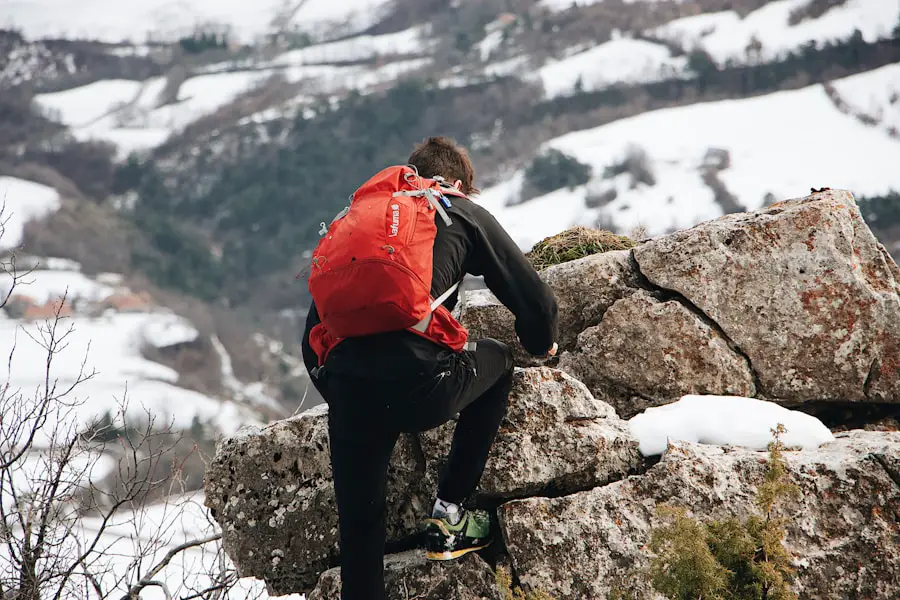
Mental preparation at altitude is less about forcing yourself through discomfort and more about making calm decisions when fatigue, excitement, or group pressure affects your judgment.
Before the hike, picture yourself following the safe decision rather than only reaching the summit. That may mean slowing down, reporting a headache, turning around in worsening weather, or helping a partner descend.
Agree on clear rules with your group:
- No one hides symptoms to protect the itinerary.
- No one with altitude-illness symptoms ascends to sleep higher.
- Confusion, loss of coordination, or breathlessness at rest triggers immediate descent.
- The group follows the slowest member who is still safe to continue.
- A fixed turnaround time applies even when the summit appears close.
- Any member can call for a turnaround without being pressured to continue.
During long hiking days, break the route into checkpoints and reassess symptoms, weather, water, pace, and daylight at each one. Small checkpoints are more useful than relying on motivation alone.
Packing Essentials for High Altitude Hiking
| Item | Suggested Quantity | Selection Notes |
|---|---|---|
| Backpack | 1 | Choose a day pack or overnight pack that transfers weight comfortably to your hips. |
| Tent | 1 per person or group | Required only for camping; match the shelter to expected wind, rain, snow, and campsite rules. |
| Sleeping Bag | 1 | Use a temperature rating suitable for the coldest realistic overnight conditions. |
| Sleeping Pad | 1 | Choose enough insulation for the ground temperature, not only enough cushioning. |
| Water Bottles or Reservoir | Capacity based on the route | Carry enough to reach the next reliable source, with a reserve for delays. |
| Water Purification | 1 primary method and a backup | Check whether freezing temperatures can damage your filter. |
| Stove | 1 per cooking group | Needed for overnight cooking; expect longer boil times and reduced fuel efficiency at elevation and in cold weather. |
| Cookware | 1 compact set | Take only what your meal plan requires. |
| Food | Planned route plus one emergency day | Pack familiar foods that remain easy to eat when appetite drops. |
| Clothing Layers | Varies | Bring a moisture-managing base layer, insulating layer, waterproof shell, warm hat, gloves, and spare dry layer. |
| Footwear | 1 tested pair | Match traction and support to the trail; break footwear in before the trip. |
| Navigation | Primary and backup | Carry an offline map or GPS plus a backup map and compass you know how to use. |
| First-Aid Kit | 1 group kit | Include blister care, wound supplies, personal medication, pain relief, and any clinician-approved altitude medication. |
| Sun Protection | As needed | Pack broad-spectrum sunscreen, UV-protective sunglasses, a hat, and SPF lip balm. |
| Emergency Equipment | Based on remoteness | Consider a headlamp, emergency shelter, whistle, power bank, repair kit, and satellite messenger or personal locator beacon. |
The right gear keeps you functional in cold, wet, windy, and rapidly changing conditions. Choose boots or trail shoes with suitable traction, and test them on long hikes before your trip.
Use a layered clothing system. A base layer manages moisture, an insulating layer traps warmth, and a waterproof shell blocks wind and precipitation. Pack a warm hat and gloves even when the valley forecast looks mild because exposed ridges can be much colder.
Study the route before leaving, including its terrain, escape routes, water sources, and switchbacks. Download maps for offline use, but carry a backup that does not depend on a charged phone or cellular signal.
Note: Small recreational oxygen cans contain too little oxygen for sustained treatment. Do not treat them as a substitute for gradual ascent, descent, rescue, or medical-grade oxygen.
Hydration and Nutrition at High Altitudes
Low humidity, faster breathing, cold air, sweating, and exertion can increase fluid loss. However, there is no safe universal rule that every hiker must drink three or four liters each day.
Drink regularly according to your thirst, workload, weather, sweat loss, food intake, and distance to the next water source. Replace what you lose without continually forcing water after thirst has settled. During prolonged exertion or heavy sweating, consume normal meals, salty snacks, or an appropriate electrolyte drink instead of relying only on plain water.
Warning: Excessive water intake can dilute blood sodium and cause exercise-associated hyponatremia. Headache, nausea, confusion, weakness, and vomiting may resemble altitude illness, so severe or worsening symptoms require a conservative response and medical assessment.
Carbohydrate-rich foods are often easier to eat at elevation and provide readily available energy. Pack familiar options such as oats, rice, tortillas, dried fruit, crackers, energy bars, or drink mixes. Include protein and fat for recovery and total energy, but avoid depending on large, heavy meals if altitude reduces your appetite.
Avoid alcohol during the first 48 hours after arriving at high altitude and while you are still acclimatizing. Alcohol can impair judgment, worsen sleep, and suppress breathing. If you normally consume caffeine, maintain a moderate version of your usual routine rather than stopping suddenly and creating a withdrawal headache that could be confused with AMS.
Pro Tip: Track how much water remains, where the next source is located, and whether the group is eating. Do not rely on a rigid drinking timer or use water consumption as proof that a headache is harmless.
Acclimatization Techniques for High Altitude Hiking
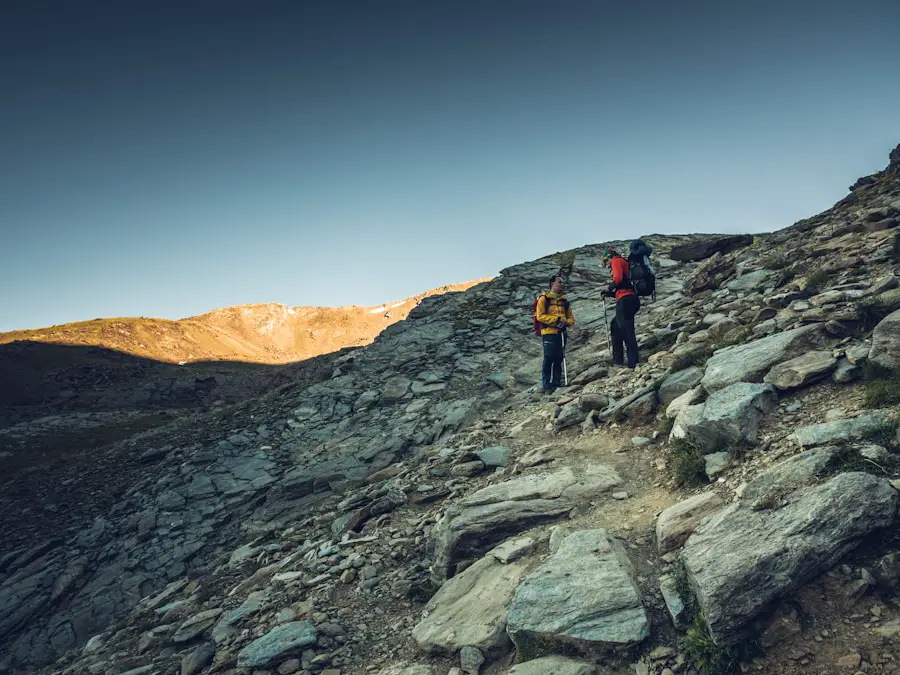
Acclimatization gives your body time to adjust to lower oxygen pressure. Your itinerary and sleeping elevations matter more than the highest point you briefly reach during the day.
Current CDC guidance recommends the following approach when terrain and travel logistics allow:
- Avoid traveling directly from low elevation to a sleeping altitude above about 9,000 feet (2,750 meters) in one day.
- Spend two or three nights around 8,000–9,000 feet before moving substantially higher.
- Once above about 9,850 feet (3,000 meters), increase your sleeping elevation by no more than approximately 1,600 feet (500 meters) per night.
- Add an extra acclimatization night for every additional 3,300 feet (1,000 meters) of sleeping-elevation gain.
- Keep exercise mild during your first 48 hours at a new high elevation.
- Do not ascend to sleep higher while you have symptoms of altitude illness.
| Situation | Safer Approach |
|---|---|
| Flying or driving rapidly from near sea level | Sleep at an intermediate elevation before continuing higher whenever possible. |
| Hiking above your sleeping camp | A higher daytime hike followed by sleep at a lower camp can support acclimatization if you remain well. |
| Mild headache or nausea after ascent | Stop ascending, reduce exertion, monitor symptoms, and do not sleep higher until fully recovered. |
| Symptoms worsen at the same elevation | Descend promptly rather than waiting for the planned itinerary. |
Brief pre-exposure can help. Spending at least two nights above about 9,000 feet during the two weeks before a higher trip may provide some protection, especially when that exposure occurs close to departure. It does not guarantee that you will remain symptom-free.
Warning: Never continue to a higher sleeping elevation because the schedule, permit, guide, or summit plan says you should. Symptoms outrank the itinerary.
Recognizing Altitude Illness and Knowing What to Do
Altitude illness includes acute mountain sickness (AMS), high-altitude cerebral edema (HACE), and high-altitude pulmonary edema (HAPE). AMS is common and usually begins within about 2–12 hours of arrival at a new elevation or after a further ascent. HACE and HAPE are less common but can become fatal without urgent action.
| Condition | Common Warning Signs | Immediate Action |
|---|---|---|
| AMS | Headache after recent ascent, often with nausea, loss of appetite, dizziness, fatigue, or poor sleep | Stop ascending. Rest at the same elevation. Descend if symptoms worsen or do not improve. |
| HACE | Loss of coordination, stumbling, confusion, altered behavior, severe drowsiness, or reduced consciousness | Descend immediately, call for rescue, give oxygen if available, and minimize exertion. |
| HAPE | Unusual loss of performance, worsening breathlessness, chest congestion, persistent cough, breathlessness at rest, or blue lips | Descend immediately, call for rescue, give oxygen if available, keep the person warm, and limit exertion. |
Warning: Confusion, loss of coordination, breathlessness at rest, or severe deterioration is a medical emergency. Do not leave the affected person alone or wait until morning to begin descent when a safe descent is possible.
A descent of at least 1,000 feet (300 meters) often improves AMS. HACE or HAPE may require a much larger descent, supplemental oxygen, medication directed by a qualified professional, a portable hyperbaric chamber, and urgent evacuation.
A pulse oximeter can help show trends, especially when HAPE is suspected, but it cannot diagnose AMS by itself. Cold fingers, movement, poor circulation, nail products, device quality, and normal altitude-related oxygen changes can all affect readings. Treat the person and symptoms, not one number on a screen.
Safety and Emergency Planning for High Altitude Hiking
Weather at high altitude can change rapidly. Check the latest mountain forecast, local alerts, trail closures, fire restrictions, avalanche conditions, and lightning risk before leaving. Start early when afternoon thunderstorms are common, and turn around before you become trapped on an exposed ridge.
Hike with a partner or group whenever practical. Set pace, rest, symptom-check, separation, and turnaround rules before starting. A person with worsening altitude illness may not recognize how impaired they have become, so group members must watch one another.
The National Park Service hiking-safety guidance recommends leaving a trip plan and preparing for unreliable cellular coverage. Your plan should include:
- Your route, camps, alternate routes, and expected return time.
- Names and contact details for all participants.
- Vehicle information and trailhead location.
- A deadline for a trusted contact to notify emergency services.
- Local emergency and rescue contacts.
- A charged phone in airplane mode plus a power bank.
- A satellite messenger or personal locator beacon when the route is remote.
- Enough food, insulation, and shelter to survive an unexpected delay.
Acetazolamide, commonly known by the brand name Diamox, can speed acclimatization and reduce AMS risk for some itineraries. It requires an individualized discussion with a clinician, particularly if you have kidney problems, complex medication needs, a history of severe drug reactions, or other medical conditions. It does not make a rapid ascent safe and does not replace descent when symptoms worsen.
Do not take prescription altitude medication borrowed from another hiker. Know the purpose, timing, side effects, and emergency limits of any medicine before entering a remote area.
Pro Tip: Decide your symptom, weather, and time-based turnaround conditions before leaving camp. Decisions made while rested are usually safer than decisions made while hypoxic, cold, tired, or close to the summit.
Environmental Considerations for High Altitude Hiking
High-altitude ecosystems recover slowly. Thin soils, short growing seasons, and fragile plants make even small impacts last longer than they would at lower elevations.
Follow the Leave No Trace principles:
- Plan ahead and check permits, camping zones, fire rules, and group-size limits.
- Travel and camp on durable surfaces instead of widening trails.
- Pack out food waste, hygiene products, and all other trash.
- Dispose of human waste according to local rules.
- Leave rocks, plants, and cultural objects where you find them.
- Avoid open fires where wood is scarce or fires are prohibited.
- Observe wildlife from a distance and keep food secured.
- Limit noise and respect other visitors.
Stay on the established route even when muddy or crowded. Cutting switchbacks damages vegetation, accelerates erosion, and can loosen rocks onto hikers below.
Frequently Asked Questions
What elevation counts as high altitude for hiking?
Definitions vary, but hikers should treat approximately 8,000 feet (2,450 meters) as a practical altitude-illness risk threshold. Unacclimatized people can occasionally develop symptoms lower than this, while risk generally rises with sleeping elevation and speed of ascent.
What are the early warning signs of altitude sickness?
AMS commonly causes a headache after recent ascent, often with nausea, reduced appetite, dizziness, unusual fatigue, or poor sleep. Symptoms usually begin about 2–12 hours after arriving at a new elevation or climbing higher. Stop ascending when symptoms appear.
Does being physically fit prevent altitude sickness?
No. Fitness helps you handle distance, climbing, and pack weight, but it does not reliably reduce susceptibility to AMS, HACE, or HAPE. A fit person can become seriously ill, especially after a rapid ascent.
How much water should you drink at high altitude?
There is no single daily volume that suits every hiker. Drink according to thirst, workload, temperature, sweat loss, food intake, and access to water. Replace losses without forcing excessive fluid, and consume meals, salty snacks, or electrolytes during long periods of heavy sweating.
How long does acclimatization take?
Important early adaptations occur over the first three to five days, but acclimatization continues longer. Your schedule should still limit sleeping-elevation gain above about 9,850 feet and include extra nights as you climb higher.
Can medication prevent altitude sickness?
Acetazolamide can speed acclimatization and reduce AMS risk for some people, especially when an abrupt ascent cannot be avoided. It requires medical guidance and does not replace a gradual itinerary, symptom monitoring, or descent when illness worsens.
Should you carry a pulse oximeter?
It can be useful for tracking trends and supporting assessment when HAPE is suspected, but one reading cannot diagnose or rule out altitude illness. Cold hands, movement, device quality, and normal altitude-related changes can affect the result.
What should you do if altitude sickness gets worse?
Descend promptly and avoid unnecessary exertion. Confusion, stumbling, severe drowsiness, breathlessness at rest, or a rapidly worsening cough can indicate HACE or HAPE and requires immediate descent, emergency communication, oxygen when available, and urgent medical help.
Health Disclaimer: This article provides general educational information and is not a diagnosis, treatment plan, or substitute for professional medical advice. Consult a qualified healthcare professional before high-altitude travel if you have a medical condition, take prescription medicine, have had serious altitude illness, or plan a rapid ascent.
Plan the Climb and Respect the Mountain
Preparation reduces avoidable risk, but no training plan, gear list, or medication can guarantee that you will tolerate altitude. Build your fitness, choose a conservative sleeping-elevation schedule, eat and drink sensibly, and pay attention to changes in yourself and your companions.
Your most important commitment is simple: do not ascend to sleep higher while altitude-illness symptoms are present, and descend when symptoms worsen. The summit, reservation, permit, and itinerary are less important than returning safely.
Start with shorter hikes at moderate elevation to learn how your body responds. On longer trips, small equipment choices also improve comfort. A pair of merino wool travel socks can help manage moisture and friction, a suitable backpacking sleeping bag protects overnight hikers from cold ground-level conditions, and a universal travel adapter can support pre-trip charging during an international journey. None of these items replaces an acclimatization or emergency plan.
Love travel? Join Our Facebook Community For More Tips.
Sources
- CDC Yellow Book: High-Altitude Travel and Altitude Illness — altitude thresholds, acclimatization, symptoms, emergency treatment, and medication guidance
- Wilderness Medical Society Clinical Practice Guidelines: 2024 Update — evidence-based prevention, diagnosis, and treatment of AMS, HACE, and HAPE
- National Park Service: Hike Smart — trip plans, communication, weather preparation, and backcountry safety
- CDC Yellow Book: Sun Exposure in Travelers — ultraviolet exposure and sun protection at higher elevations
- Leave No Trace: The Seven Principles — responsible travel and environmental protection
