
Last Updated on July 27, 2026 by Daniel Globe
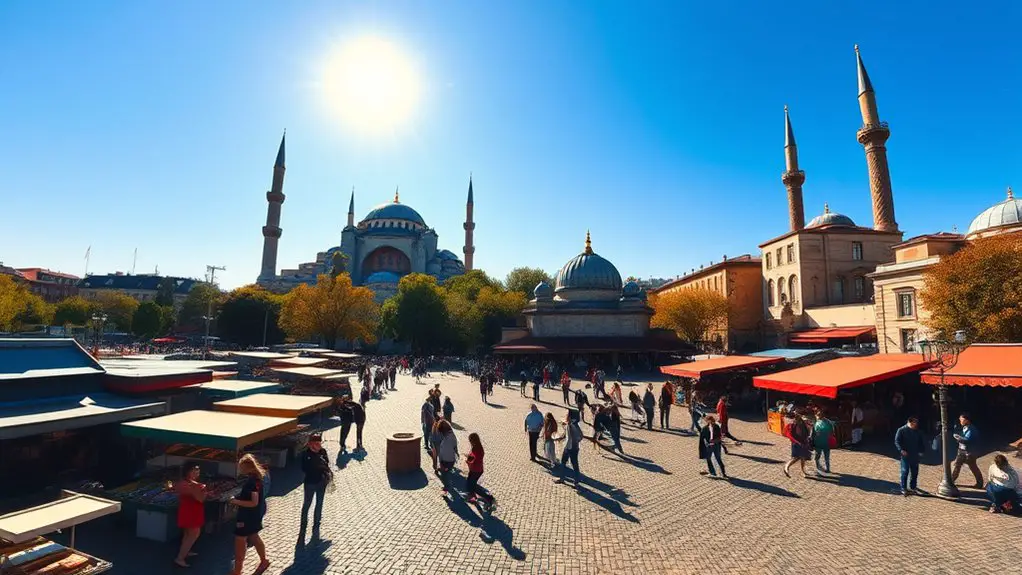
If you’re looking for the most Instagrammable spots in Sultanahmet, you don’t have to walk far. The Blue Mosque, Hagia Sophia, Basilica Cistern, Sultanahmet Square, and the historic Hippodrome are all concentrated in Istanbul’s old city, but each gives you a very different photograph—from grand skyline views to low-light underground reflections.
Quick Answer
The five best photo spots in Sultanahmet are the Blue Mosque, Hagia Sophia, Basilica Cistern, Sultanahmet Square, and the ancient Hippodrome. Shoot the mosque exteriors around sunrise or blue hour, visit the cistern for dramatic low-light reflections, and use the square and Hippodrome for wider street scenes and historic details.
Key Takeaways
- The Blue Mosque and Hagia Sophia are strongest at sunrise, golden hour, and blue hour, when softer light separates their domes and minarets from the sky.
- The Basilica Cistern is the best low-light location, with illuminated columns, water reflections, and the famous Medusa-head column bases.
- Sultanahmet Square is ideal for wide architectural compositions, people, fountains, flowers, and changing street scenes.
- The Hippodrome adds smaller historic subjects such as the Obelisk of Theodosius, Serpent Column, Walled Obelisk, and German Fountain.
- Visitor rules differ by site: mosques have prayer schedules and modest-dress requirements, while ticketed attractions have their own photography and equipment policies.
Disclosure: As an Amazon Associate I earn from qualifying purchases. Some links on this page are affiliate links, at no extra cost to you.
Plan Your Sultanahmet Photo Walk
All five locations sit within a compact part of Istanbul’s Historic Peninsula. UNESCO includes the Sultanahmet archaeological area within the Historic Areas of Istanbul World Heritage property, so you can photograph several major monuments without spending much time in transit.
For the softest exterior light and the fewest people, start near sunrise. The central park between Hagia Sophia and the Blue Mosque is particularly useful because you can change direction as the light develops. Save the Basilica Cistern for later in the morning because its controlled interior lighting does not depend on the weather outside.
Pro Tip: Take both wide and vertical frames at each landmark. A wide shot establishes the setting, while a vertical composition usually works better for domes, minarets, columns, and Instagram Stories or Reels covers.
2026 Note: Hagia Sophia is undergoing a major restoration program. Work areas, coverings, or scaffolding can change the view without much notice, so check current conditions before planning a photograph around one exact composition.
1. The Blue Mosque
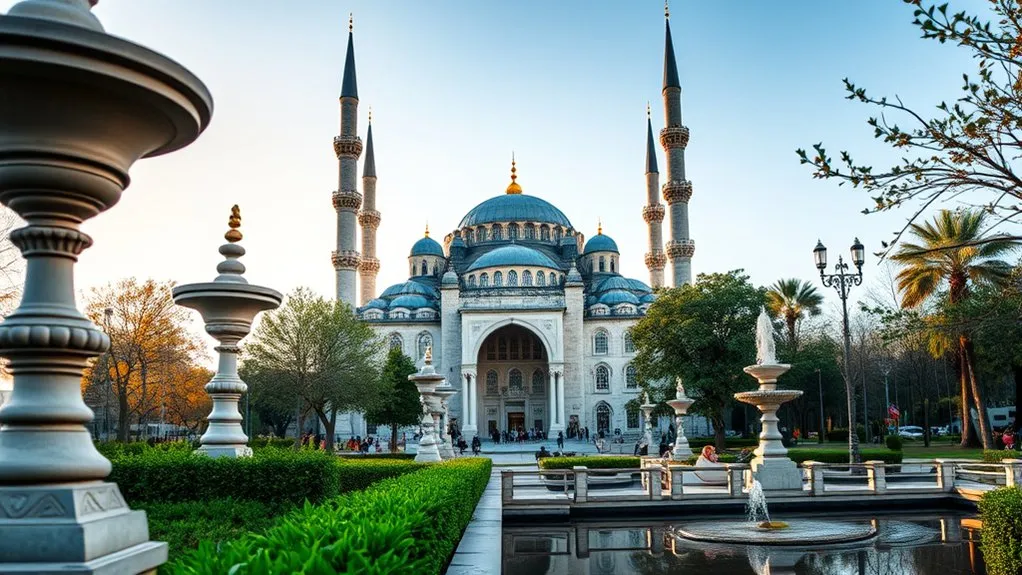
The Blue Mosque, officially the Sultan Ahmed Mosque, is one of Sultanahmet’s strongest exterior photo subjects. Its layered domes, six minarets, spacious courtyard, and blue-toned İznik tile decoration give you useful compositions from both close range and across the surrounding square.
The easiest classic shot comes from the park between the Blue Mosque and Hagia Sophia. Step back far enough to include the main dome and several minarets, then use trees, fountains, flowers, or a pathway as a foreground element instead of filling the entire frame with the building.
Best Time to Photograph the Blue Mosque
Early morning is usually the easiest time for an uncluttered exterior photograph. Blue hour is another strong choice because the illuminated mosque stands out against a deepening sky. A small amount of foot traffic can actually improve the photograph if you use people for scale rather than waiting for a completely empty scene.
For a balanced Blue Mosque photo, give the minarets breathing room instead of cropping them tightly against the edge of the frame.
Entry and Photography Rules
The mosque remains an active place of worship. According to the Blue Mosque visitor guide, tourist visits are free. The published summer sightseeing period is 08:30–19:00 from April through September and 08:30–17:00 in winter, with the last visitor admitted 30 minutes before closing. Tourist visits pause around prayers, and on Fridays sightseeing begins at 14:30.
Dress modestly, follow the visitor/worship-area separation, and remove your shoes when directed before entering the prayer space. Visitors without suitable clothing can use coverings provided at the mosque. Avoid flash photography and never interrupt worshippers for a photograph.
Warning: Prayer times change through the year. Do not plan an interior photo session around a fixed clock time without checking the mosque’s current visitor schedule first.
2. Hagia Sophia
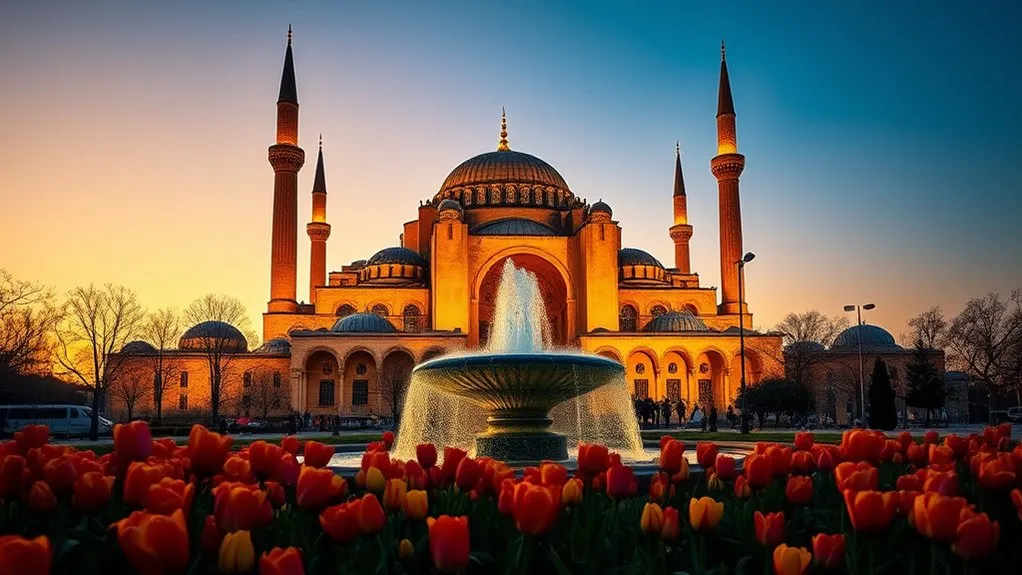
Hagia Sophia is one of Istanbul’s defining architectural landmarks. The present structure was designed by Anthemios of Tralles and Isidoros of Miletus and built between 532 and 537. Its vast dome, Byzantine mosaics, Ottoman additions, arches, and minarets document centuries of changing religious and imperial history.
One important update is that Hagia Sophia is not currently a museum. It has again functioned as a mosque since 2020. Tourist and worship access are separated, and foreign visitors sightseeing in the gallery use the designated visitor entrance.
Best Hagia Sophia Photo Angles
For an exterior shot, photograph across Sultanahmet’s central park rather than standing directly against the building. The extra distance makes it easier to keep the dome and minarets upright in the frame and gives you room for a foreground.
Sunrise works well when you want quieter surroundings. Late afternoon and blue hour are better for atmosphere, especially when the building’s illumination begins to balance with the remaining color in the sky.
Inside the tourist gallery, look for compositions using arches, marble surfaces, surviving mosaics, and the enormous volume beneath the dome. Current restoration work can obscure or alter some views, so treat the available architecture as part of the composition rather than relying on one photograph you saw online.
Hagia Sophia Admission in 2026
The separate tourist-gallery arrangement began in January 2024. The published admission price for tourist visitors to the gallery is €25 per person. The arrangement separates sightseeing visitors from the ground-floor worship area. See the TÜRSAB notice based on the official visitor-access decision before your visit because admission procedures can change.
Hagia Sophia is also undergoing continuing structural conservation. Turkey’s General Directorate of Foundations reported ongoing restoration work in 2026, including work on its minarets and wider conservation program.
Note: Hagia Sophia is both a heritage monument and an active religious site. Photograph architecture discreetly, follow staff instructions, and avoid photographing worshippers at close range without permission.
3. Basilica Cistern
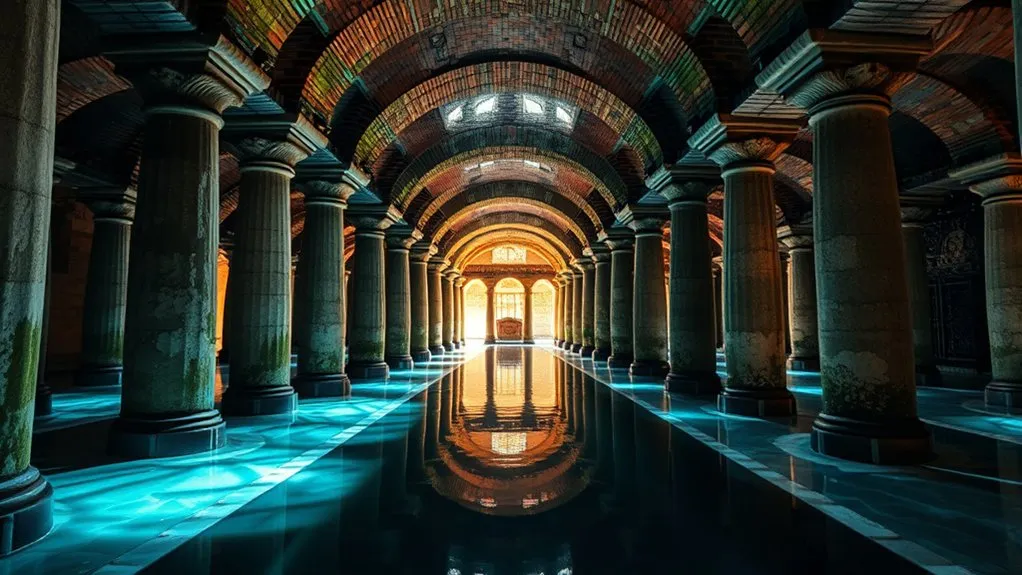
Hidden below the streets near Hagia Sophia, the Basilica Cistern gives you a completely different photographic setting. Emperor Justinian I had the vast underground reservoir built in the sixth century, and its long rows of columns now rise through carefully lit, reflective surroundings.
The strongest photographs usually use repetition. Stand where several rows of columns line up in depth, keep the camera level, and let the changing illumination draw the eye through the frame.
Photographing the Medusa Heads
Don’t rush past the two famous Medusa heads used as column bases. One lies sideways and the other upside down. The official Basilica Cistern history notes that the blocks were uncovered during restoration work in 1985–1987.
Move a little to the side rather than photographing them straight on. This lets you include the column above and enough of the surrounding darkness to show where the sculptures sit within the cistern.
The Basilica Cistern looks dramatic because of its darkness. Preserve that atmosphere instead of trying to make the entire scene look brightly lit.
Low-Light Photo Tips
Use your phone’s night mode or a camera with good high-ISO performance, keep your elbows close to your body, and take several frames of the same composition. Avoid flash: it flattens the lighting and can distract other visitors. Tripods and professional shooting equipment may be restricted or require permission, so plan to work handheld unless the operator has approved your setup.
Current Hours and Admission
As of July 2026, the official Basilica Cistern Visit Info page lists daily visiting hours of 09:00–22:00. It currently lists a daytime ticket of 1,950 TL and an evening ticket of 3,000 TL. The operator says credit/debit cards and İstanbulkart are accepted for museum entry.
Prices and session arrangements can change, so confirm the live visitor page before leaving for Sultanahmet rather than relying on an old screenshot or travel blog.
4. Sultanahmet Square
Sultanahmet Square is where the district becomes more than a collection of monuments. The open space between the Blue Mosque and Hagia Sophia gives you wide views, changing pedestrian activity, landscaped foregrounds, fountains, and some of the easiest opportunities to put Istanbul’s major architecture into context.
Best Compositions in the Square
Instead of photographing only a building, use the square itself to create layers. A path, bench, fountain, flower bed, tree branch, or passing tram-direction sign can act as a foreground while the mosque or Hagia Sophia anchors the background.
Morning gives you cleaner scenes. Later in the day, the square becomes better for street photography as families, tour groups, vendors, and local visitors move through the area. Ask permission before making a close portrait of an identifiable stranger, especially children.
After your photos, you can also stop for Turkish tea, simit, roasted chestnuts, kebabs, or other local food around Sultanahmet and nearby Divan Yolu. For a photograph, food works best as a detail shot rather than another generic landmark image.
Pro Tip: Return to Sultanahmet Square after sunset even if you photographed it in the morning. The same viewpoint can look completely different once the landmark illumination becomes the main light source.
5. The Hippodrome
The Hippodrome of Constantinople once formed the center of Byzantine public entertainment and ceremonial life. Today, its surviving monuments sit within the broader Sultanahmet Square area, so this fifth photo stop overlaps geographically with the previous one but offers much smaller, detail-focused subjects.
The most recognizable monument is the Obelisk of Theodosius, an ancient Egyptian obelisk erected in the Hippodrome during the reign of Theodosius I. Nearby, the Serpent Column preserves part of an ancient Greek victory monument, while the Walled Obelisk provides another vertical landmark farther along the former racecourse.
You can also photograph the German Fountain. Istanbul’s Culture and Tourism Directorate records that it commemorates German Emperor Wilhelm II’s visit and was formally opened in 1901.
The Hippodrome works best as a sequence of details: photograph each surviving monument closely, then step back for one frame that shows how they sit within modern Sultanahmet.
Best Time to Photograph the Hippodrome
Early morning gives you clear views of the monuments, while late afternoon can add warmer side light and more street activity. Because this is an outdoor public area, you can also return after the ticketed attractions have closed and experiment with evening compositions.
Best Order for a Sultanahmet Photo Walk
A simple route is to begin around sunrise in the central park for exterior photos of the Blue Mosque and Hagia Sophia. Photograph the Blue Mosque courtyard when visitor access allows, then move to the Hippodrome monuments before crowds become heavy.
Visit the Basilica Cistern after it opens, when exterior light is already harsher but the underground scene remains controlled. Use the middle of the day for interiors, food, or a break, then return to Sultanahmet Square and the mosque exteriors for golden hour and blue hour.
This sequence is flexible. Prayer schedules, queues, ticket sessions, restoration work, weather, and temporary restrictions can all change the best order on a particular day.
Frequently Asked Questions
What Is the Best Time to Visit Sultanahmet for Photography?
For landmark exteriors, start around sunrise or return during the hour before sunset and into blue hour. Early morning usually gives you fewer people, while evening light and illumination create stronger atmosphere. The Basilica Cistern is less weather-dependent because its scene is underground and artificially lit.
Are There Entrance Fees for These Attractions?
Yes, but not for all five. The Blue Mosque is free for sightseeing during visitor periods, and the outdoor Sultanahmet Square and Hippodrome are free. As of July 2026, tourist gallery access at Hagia Sophia is €25. The Basilica Cistern’s official page currently lists 1,950 TL for its daytime ticket and 3,000 TL for the evening period. Always recheck live prices before visiting.
Can I Take Professional Photography Equipment Inside?
A handheld phone or camera is much easier to use than a professional setup. Tripods, flash, lighting equipment, and commercial shoots can be restricted or require permission, particularly inside religious and museum spaces. Check the individual venue’s current rules before arriving with a tripod or large equipment case.
Is There a Dress Code for Visiting These Sites?
The mosque interiors require modest clothing. At the Blue Mosque, visitors should keep the body appropriately covered, follow staff instructions, and remove shoes before entering the prayer space; coverings are available when needed. Hagia Sophia is also an active mosque. The outdoor Hippodrome and Sultanahmet Square do not have a religious dress code, and the Basilica Cistern is not a mosque.
Where Can I Find Nearby Cafes or Restaurants?
You’ll find many cafes, bakeries, restaurants, and snack stands around Sultanahmet, Divan Yolu, and the streets leading toward the Arasta Bazaar. Turkish tea, simit, kebabs, pastries, and baklava are easy to find within walking distance of the five photography stops.
Can I Photograph Worshippers Inside the Mosques?
Treat worship as private unless the person clearly agrees to be photographed. Avoid close portraits of people praying, never step into restricted worship areas for a better angle, and keep your camera silent and unobtrusive. Architectural photographs are much less disruptive.
How Long Do I Need to Photograph All Five Spots?
You can see all five locations in one day because they are close together, but a full day gives you much better light than rushing through them in a few hours. Start early, use midday for interiors, and return outside near sunset if photography is your priority.
Conclusion
Sultanahmet gives you an unusually dense mix of architectural, historical, street, and low-light photography. Start with the Blue Mosque and Hagia Sophia when the exterior light is soft, use the Basilica Cistern for dramatic underground reflections, then explore Sultanahmet Square and the Hippodrome for wider scenes and historical details. The strongest photos come from working with the light and the setting—not simply standing in the busiest spot and pointing a camera at the landmark.
Sources
- UNESCO World Heritage Centre — Historic Areas of Istanbul — Hagia Sophia, the Hippodrome, and Sultanahmet’s World Heritage context.
- Sultanahmet Mosque Visitor Guide — current visitor periods, prayer closures, free admission, and mosque visitor rules.
- Basilica Cistern Official Visit Info — current opening hours, admission prices, and payment information.
- Basilica Cistern Official History — construction history, restoration, and Medusa-head column bases.
- Republic of Türkiye General Directorate of Foundations — 2026 Hagia Sophia restoration update.
- TÜRSAB — Hagia Sophia Visitor Access Notice — tourist-gallery access arrangement and published entrance fee.

