
Last Updated on July 28, 2026 by Daniel Globe
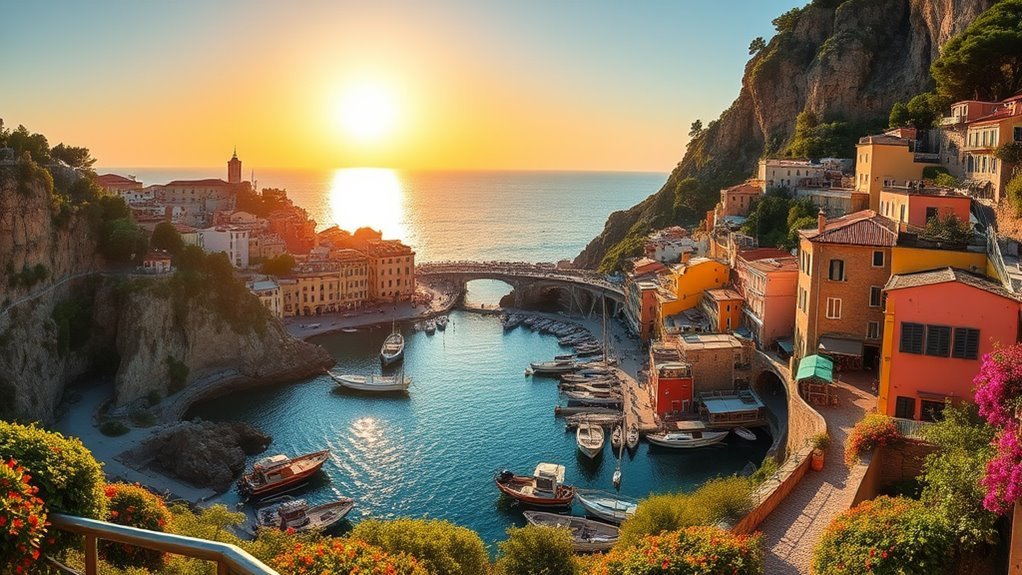
Italy’s coastline offers far more than one type of seaside escape. You can choose cliffside romance in Positano, vineyard walks in Cinque Terre, sandy beaches in Cefalù and Viareggio, thermal bathing in Ischia, or an urban coastal break in Cagliari. The best choice depends on your budget, mobility, travel season, and tolerance for crowds.
Quick Answer
The best seaside towns in Italy include Positano for romance, Manarola for vineyards, Portofino for luxury, Cefalù and Viareggio for sandy beaches, Tropea for dramatic scenery, Ischia for thermal bathing, and Tellaro for a quieter village atmosphere. Visit in May, June, September, or early October for milder weather and fewer peak-season crowds.
Key Takeaways
- Best for couples: Positano, Portofino, and Taormina.
- Best for beaches: Cefalù, Tropea, Viareggio, and Cagliari.
- Best for history: Amalfi, Gaeta, Cefalù, and Salerno.
- Best without a car: Sorrento, Salerno, Santa Margherita Ligure, Viareggio, and the Cinque Terre villages.
- Best for easier walking: Viareggio and Salerno have flatter waterfront areas; Positano, Tropea, Taormina, and Cinque Terre involve more slopes and steps.
- Important: Check current ferry schedules, trail conditions, attraction hours, and event dates before traveling.
Disclosure: As an Amazon Associate I earn from qualifying purchases. Some links on this page are affiliate links, at no extra cost to you.
Discover Italy’s Best Seaside Towns
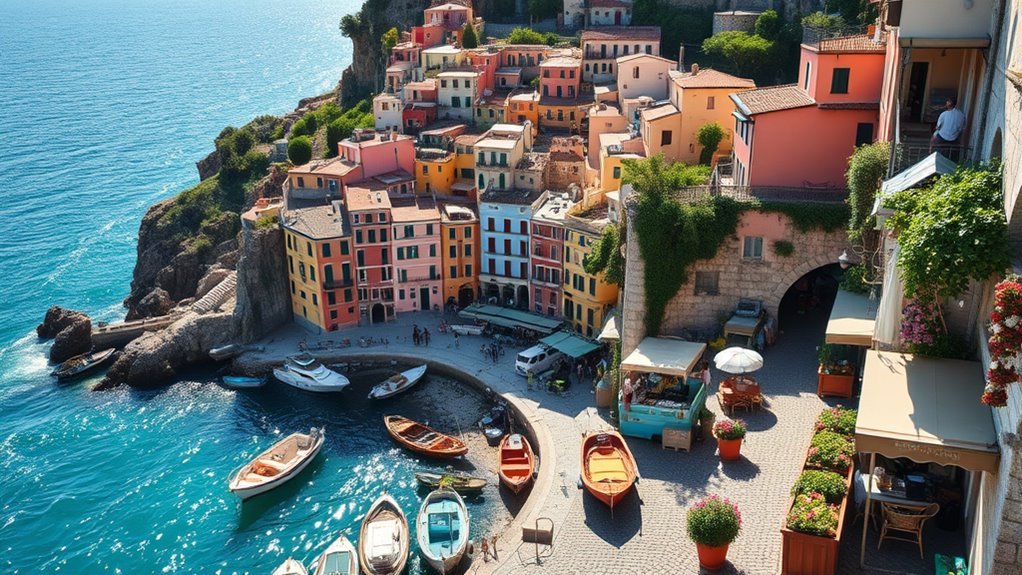
Italy’s coastal destinations range from small fishing villages to historic cities and volcanic islands. Liguria is known for pastel houses, terraced vineyards, and compact harbors. Campania combines cliffside towns, islands, and ancient maritime centers. Tuscany offers broad beaches and resort infrastructure, while Calabria, Sicily, and Sardinia deliver clear water, regional food, and a slower southern rhythm.
No single town is best for every traveler. Positano may suit a couple planning a special trip, while a family that wants a wide sandy beach may prefer Cefalù, Viareggio, or Cagliari. Hikers may favor Cinque Terre, while travelers who want history without depending on a car may prefer Salerno or Sorrento.
Italian Seaside Towns at a Glance
| Destination | Region | Best For | Planning Note |
|---|---|---|---|
| Positano | Campania | Romance and cliff views | Many steep lanes and stairs |
| Amalfi | Campania | Maritime history | Busy with day-trippers |
| Manarola | Liguria | Wine and village scenery | Check trail access before hiking |
| Portofino | Liguria | Luxury and harbor dining | High prices and limited space |
| Sorrento | Campania | Day trips and transport | Cliffside setting; limited sandy beach |
| Santa Margherita Ligure | Liguria | Relaxed Riviera base | Useful train access |
| Tellaro | Liguria | Quiet village atmosphere | Fewer services than larger resorts |
| Cefalù | Sicily | Beach and history | Popular in summer |
| Taormina | Sicily | Culture and views | The old town sits above the beaches |
| Tropea | Calabria | Clear water and food | Steps connect the old town and shore |
| Ischia | Campania | Thermal bathing | Requires a ferry or hydrofoil |
| Salerno | Campania | Culture and transport | Good base for the eastern Amalfi Coast |
| Gaeta | Lazio | History and beaches | Some sights have seasonal hours |
| Viareggio | Tuscany | Resort beaches and Carnival | Many beaches use paid establishments |
| Cagliari | Sardinia | City culture and Poetto Beach | Historic San Benedetto Market is under renovation |
Best Time to Visit Italy’s Coastal Towns
May, June, September, and early October usually offer the best balance of warm weather and manageable crowds. July and August bring the hottest weather, the busiest beaches, and the highest demand for rooms, ferries, parking, and restaurants.
April and late October can work well for sightseeing, but swimming conditions and ferry services may be less predictable. Winter suits city-based destinations such as Salerno, Cagliari, and Viareggio better than small seasonal villages where some hotels and restaurants may close.
Pro Tip: Stay overnight instead of visiting only at midday. Early mornings and evenings are often calmer, especially in Positano, Amalfi, Portofino, and the Cinque Terre villages.
Getting Around Italy’s Coast
Trains are often the easiest option along the Ligurian and Tuscan coasts. The five Cinque Terre villages are connected by rail, and Santa Margherita Ligure is a useful arrival point for Portofino. Sorrento, Salerno, Viareggio, Cefalù, Taormina-Giardini, and Cagliari also have rail connections, although stations may not sit directly beside every old town or beach.
Ferries can provide scenic links around the Amalfi Coast, the Gulf of Naples, Liguria, Sicily, and Sardinia. However, routes are seasonal and may be delayed or canceled by rough seas. Driving gives you flexibility in quieter areas, but narrow roads, restricted traffic zones, scarce parking, and summer congestion can make a car a burden in famous resort towns.
Note: A coastal trip is easier when you focus on one region. Allow at least three nights for the Amalfi Coast or Cinque Terre and five to seven nights if you want to combine several towns without rushing.
Positano: Romance and Cliffside Views
Positano is one of the most recognized towns on the UNESCO-listed Amalfi Coast. White and pastel buildings descend toward the Tyrrhenian Sea, while narrow lanes hold boutiques, cafes, restaurants, and small hotels.
Couples come for terrace dining, sea views, sunset boat trips, and the dramatic setting around Marina Grande. The town also works as a base for nearby beaches and coastal excursions.
The scenery comes with practical limits. Positano has many stairs, steep paths, crowded lanes, and expensive accommodations. Travelers with limited mobility should confirm the exact location of a hotel and ask whether elevators, road access, or porter service are available.
Amalfi: Maritime History and Architecture
Amalfi was one of the great maritime republics of medieval Italy. Its trading history, maritime code, religious buildings, and paper-making tradition still shape the town’s identity. The official Visit Amalfi maritime itinerary connects several important sites.
- Amalfi Cathedral: The cathedral complex combines architectural and decorative influences developed through centuries of Mediterranean contact.
- Ancient Arsenal: The former maritime structure helps explain the town’s seafaring power.
- Paper Museum: The museum preserves the traditional production of handmade Amalfi paper.
- Historic Regatta: The Regatta of the Ancient Maritime Republics celebrates Amalfi, Genoa, Pisa, and Venice. The host city rotates, so verify the location and date before planning a trip around it.
Amalfi is compact and easy to combine with Atrani, Ravello, Minori, or a ferry journey along the coast. It can become crowded when several buses and boats arrive at the same time.
Manarola: Wine and Sea Views
Manarola is one of the five Cinque Terre villages. Its houses rise above a small rocky harbor, while terraced vineyards cover the surrounding slopes. Wine bars and guided tastings offer an introduction to local production.
The best-known regional dessert wine is Sciacchetrà, a sweet passito made from Bosco, Albarola, and Vermentino grapes. Production is closely tied to the steep cultivated terraces that define the Cinque Terre landscape.
You can also try local white wine, pesto, focaccia, anchovies, and seafood. Vineyard walks and cooking classes provide more context than a quick photo stop, but advance booking is useful during busy months.
Portofino: A Compact Luxury Retreat
Portofino surrounds a small harbor on the Italian Riviera. Colorful waterfront buildings, designer shops, polished restaurants, and yacht traffic give it a refined atmosphere. High-end accommodations include hillside properties such as Splendido, A Belmond Hotel, while Paraggi Bay offers swimming and water activities nearby.
Portofino is small enough to explore in a few hours, but staying overnight lets you experience the harbor after many day visitors leave. Popular activities include harbor dining, boat excursions, coastal walks, and visits to nearby coves.
Portofino offers a famous setting in a very small area, so its appeal depends more on atmosphere and access to the surrounding coast than on a long list of town attractions.
The usual public-transport approach is to travel to Santa Margherita Ligure and continue by bus, boat, taxi, or on foot. Services and road restrictions vary by season.
Sorrento: A Practical Gateway to the Amalfi Coast
Sorrento sits on cliffs above the Bay of Naples, with views toward Mount Vesuvius. It is not part of the UNESCO Amalfi Coast property, but it is a useful base for visiting the Amalfi Coast, Capri, Pompeii, Naples, and nearby coastal sites. Italy’s official tourism portal describes Sorrento as a natural starting point for exploring the neighboring coast.
| Activity | What to Expect | Typical Area |
|---|---|---|
| Limoncello tasting | Learn how local lemons are used in the regional liqueur. | Historic center and nearby producers |
| Boat excursion | Seasonal trips may serve Capri, Naples, or coastal destinations. | Marina Piccola |
| Historic hotel stay | Properties such as Grand Hotel Excelsior Vittoria offer gardens and central access. | Central Sorrento |
Sorrento has lively piazzas, shops, restaurants, rail access, and a broad range of accommodations. Its shore is mostly rocky or built around bathing platforms rather than a wide central sandy beach.
Hiking Trails and Scenic Beauty in Cinque Terre
The Cinque Terre and Portovenere UNESCO landscape is shaped by villages, vineyards, stone walls, cliffs, and centuries of human cultivation. Cinque Terre National Park maintains a network of more than 120 kilometers of routes, but not every path is open or suitable for every visitor.
- Sentiero Verde Azzurro: The coastal trail system includes several famous village-to-village sections.
- Monterosso to Vernazza: A steep and scenic route with steps, narrow sections, and open views.
- Via dell’Amore: The controlled route between Riomaggiore and Manarola requires visitors to follow the current booking and Cinque Terre Card rules.
- Higher vineyard and sanctuary routes: These alternatives can be quieter but are often longer and more demanding than the coastal sections.
Warning: Check the official live trail network before hiking. Closures, one-way controls, weather alerts, reservations, and card requirements can change. Wear proper walking shoes, carry water, and avoid exposed trails during storms or extreme heat.
Santa Margherita Ligure: A Relaxed Riviera Base
Santa Margherita Ligure combines a waterfront promenade, working marina, villas, shops, beaches, and useful transport links. It feels more spacious and practical than Portofino while keeping easy access to the same stretch of the Ligurian coast.
Scenic Waterfront Promenade
The promenade is suited to relaxed walks, cafe stops, marina views, and evening dining. Seasonal boat trips connect the town with places such as Portofino, San Fruttuoso, and other coastal stops when weather and schedules permit.
- Waterfront dining: Try seafood, pesto, focaccia, and Ligurian vegetable dishes.
- Sunset walks: The promenade provides an easier walk than many steep cliff villages.
- Boat excursions: Check same-day schedules and sea conditions.
- Seasonal events: Local cultural programs vary throughout the year.
Local Markets and Boutiques
Local shops sell clothing, food products, jewelry, gifts, and regional specialties. Market schedules can change, so confirm the day and location through the municipality or local tourism office rather than planning around an old timetable.
Tellaro: A Quieter Ligurian Village
Tellaro is a small coastal village in the Gulf of Poets, near Lerici. Stone lanes, pastel houses, rocky swimming points, and sea-facing buildings give it an intimate atmosphere. The official Liguria tourism guide also highlights its literary associations and local traditions.
Tellaro is a good choice for travelers who value quiet evenings and village character over nightlife, large beaches, or extensive resort services. Because it is smaller and less connected than major coastal cities, plan transportation and accommodations before arrival.
Cefalù: History and Sandy Beaches
Cefalù combines a historic center with a broad sandy shoreline. Its cathedral was begun in the 12th century and forms part of the Arab-Norman Palermo and the Cathedral Churches of Cefalù and Monreale UNESCO property, inscribed in 2015.
The old town has narrow streets, small squares, restaurants, medieval features, and sea views. Above it rises La Rocca, a steep landmark with archaeological remains and wide coastal views.
- See the cathedral’s Byzantine mosaics.
- Walk through the historic center and old harbor area.
- Relax on the sandy Lido di Cefalù.
- Climb La Rocca only when conditions are suitable and you have supportive footwear.
- Try seafood, pasta, arancine, granita, and other Sicilian specialties.
The main beach has shallow sections that can suit families, although summer crowds are heavy and beach space fills quickly.
Taormina: Ancient Culture Above the Sea
Taormina sits above Sicily’s eastern coast on a natural terrace overlooking the sea. Its most famous landmark is the ancient Greek-Roman theatre, while Isola Bella and the beaches below add a coastal dimension to the cultural visit.
The old town and shore are at different elevations. Cable-car, bus, taxi, and walking options connect parts of the area, but travelers should expect slopes, steps, and busy streets. Taormina suits visitors who want restaurants, boutiques, historic sites, events, and views more than a quiet beach village.
Tropea: Clear Water and Historic Streets
Tropea rises above the Tyrrhenian Sea on Calabria’s Coast of the Gods. Its historic center contains lanes, viewpoints, churches, noble buildings, and restaurants, while stairs and roads connect the upper town with the shore.
| Must-See Attraction | Local Food or Experience |
|---|---|
| Sanctuary of Santa Maria dell’Isola | Tropea red onions |
| Clifftop viewpoints | Calabrian pasta, chili, and cured products |
| Historic lanes and churches | Fresh seafood and regional wine |
The Sanctuary of Santa Maria dell’Isola stands on a rocky promontory beside the beach and is one of the town’s best-known sights. Clear water and views toward the Aeolian Islands add to Tropea’s appeal.
Ischia: A Volcanic Island With Thermal Bathing
Ischia is a volcanic island in the Bay of Naples known for beaches, gardens, villages, hiking, and thermal water. Visitors can choose between resort spas, thermal parks, hotel pools, and natural coastal areas where warm water emerges near the sea.
- Visit a thermal park: Poseidon Thermal Gardens and other facilities offer pools at different temperatures and landscaped relaxation areas.
- Explore the island’s towns: Forio, Ischia Porto, Ischia Ponte, Lacco Ameno, and Sant’Angelo each have a different character.
- Spend time outdoors: Beaches, cliffs, gardens, and Mount Epomeo provide alternatives to spa visits.
- Use thermal facilities responsibly: Follow posted time limits, temperature guidance, and staff instructions.
Warning: Thermal bathing is a wellness activity, not a substitute for medical care. People who are pregnant or who have heart, blood-pressure, circulation, heat-sensitivity, or other health concerns should ask a qualified clinician whether hot pools are appropriate.
Ischia is reached by ferry or hydrofoil. Travel time and arrival port depend on the service, weather, and departure point, so check the official operator before travel.
Cultural Delights and Local Traditions in Salerno
Salerno is a working coastal city with a long waterfront, medieval streets, transport links, restaurants, museums, gardens, and access to the eastern Amalfi Coast. It offers more everyday city life than the smaller resort towns nearby.
Local Culinary Specialties
Salerno’s food reflects both the sea and the wider Campania region. Menus often feature anchovies, shellfish, fresh fish, handmade pasta, olive oil, vegetables, cheeses, and citrus products from the surrounding province.
- Seafood: Anchovies may appear in pasta, fried dishes, or antipasti.
- Coastal citrus: Amalfi Coast lemons are used in desserts, drinks, and savory dishes.
- Campanian ingredients: Olive oil, tomatoes, herbs, and regional cheeses appear widely.
- Food events: Seasonal tastings and festivals take place across Salerno and its province, but names and dates should be checked on the official calendar.
Traditional Festivals and Celebrations
| Event | Description | Typical Timing |
|---|---|---|
| Luci d’Artista | Large-scale light installations across streets, parks, and public spaces | Late autumn through winter; November 14, 2026, to February 1, 2027, for the confirmed 2026–27 edition |
| Festa di San Matteo | Religious and civic celebrations honoring Salerno’s patron saint | September |
| Summer cultural program | Concerts, exhibitions, performances, and waterfront events | Dates vary each year |
| Provincial food festivals | Town-based celebrations of seafood, produce, and regional dishes | Mostly spring through autumn |
Historic and Cultural Landmarks
- Cathedral of San Matteo: An important medieval religious complex with a bell tower, mosaics, artworks, and a historic crypt.
- Historic center: Narrow streets, small squares, restaurants, shops, and buildings from several periods.
- Giardino della Minerva: A historic garden connected with Salerno’s medical and botanical traditions.
- Lungomare Trieste: A broad, palm-lined waterfront promenade suited to walking and sea views.
Gaeta: Fortifications, Beaches, and Local Food
Gaeta sits on the Lazio coast between Rome and Naples. Its strategic position produced layers of military, religious, and maritime history. The Angioino-Aragonese Castle, old quarter, churches, fortifications, and Mount Orlando area are among its main sights.
Serapo is the best-known central beach, while other coves and longer stretches of coast offer different settings. Beach access, parking rules, and paid-establishment arrangements vary by location and season.
Gaeta’s signature food is tiella, a filled savory pie commonly prepared with seafood, vegetables, or other ingredients. Local religious and cultural events take place throughout the year, but visitors should verify exact programs through the official Gaeta travel guide.
Viareggio: Beaches, Architecture, and Carnival
Viareggio is a classic Tuscan seaside resort with long sandy beaches, bathing establishments, pine woods, seafood restaurants, and a broad promenade. Its waterfront is also known for Italian Liberty, or Art Nouveau, architecture.
- Relax on the beach: Choose between serviced establishments and available public stretches.
- Walk the Passeggiata: The seafront promenade has cafes, shops, restaurants, and decorative buildings.
- Attend Carnival: The official Viareggio Carnival stages large papier-mâché floats and parades. Dates change each year.
- Explore beyond the resort center: The Darsena district, pine woods, and Lecciona area offer a different side of the coast.
Viareggio is flatter than many cliffside towns, making it a practical choice for travelers who prefer easier walking and broad public spaces.
Experience Coastal City Life in Cagliari
Cagliari combines a historic hilltop district, archaeological sites, restaurants, markets, city services, and Poetto Beach. It suits travelers who want a beach trip without giving up museums, nightlife, transport, or urban culture.
Rich Cultural Heritage
- Bastione di Saint Remy: A monumental terrace and gateway with broad city views.
- Castello district: A historic quarter of lanes, towers, viewpoints, churches, and former civic buildings.
- National Archaeological Museum: Collections cover Sardinia’s Nuragic, Phoenician, Punic, and Roman history.
- Roman Amphitheatre: An archaeological site cut partly into the hillside.
Vibrant Local Markets
The historic San Benedetto Market building has been closed for renovation since March 2025. During the work, vendors operate from the temporary San Benedetto market in Piazza Nazzari.
The temporary market continues the food-focused tradition with seafood, meat, cheese, produce, bread, and Sardinian specialties. Look for bottarga, pane carasau, pecorino, olives, fresh pasta, and seasonal fruit. Confirm opening hours before visiting because operating arrangements may change during the renovation.
Beaches and Coastal Views
- Poetto Beach: A long urban beach with bathing areas, restaurants, and seasonal services.
- Gulf viewpoints: Elevated parts of the city provide views across the coast and wetlands.
- Molentargius area: The protected wetlands between the city and Poetto are known for birdlife, including flamingos.
- Local dining: Try seafood, fregola, malloreddus, bottarga, and Sardinian wines.
How to Visit Italy’s Coast Responsibly
Popular Italian coastal towns face crowding, waste, water demand, traffic, and pressure on historic paths and neighborhoods. Small choices can reduce your impact.
- Travel outside July and August when your schedule allows.
- Stay overnight and support locally owned accommodations and restaurants.
- Carry reusable water bottles where refill points are available.
- Follow marked paths and never cross trail barriers.
- Do not enter private terraces, docks, stairways, or residential courtyards for photographs.
- Use trains, buses, ferries, and walking routes instead of driving into compact historic centers.
- Keep swimwear for beaches and bathing areas rather than churches or residential streets.
Frequently Asked Questions
What is the most beautiful seaside village in Italy?
There is no objective winner. Positano is famous for cliffside views, Manarola for vineyards and colorful houses, and Tellaro for a quieter stone-village atmosphere. Cefalù and Tropea are stronger choices when a sandy beach matters as much as scenery.
When should you avoid Italy’s seaside towns in 2026?
Avoid the busiest coastal destinations in July and August when possible, especially if you dislike heat, high room rates, crowded transport, and limited beach space. Also check local festival dates, transport strikes, heat alerts, and trail closures before finalizing a 2026 trip.
What job is most in demand in Italy?
Italy does not have one universally most-demanded job. Official EURES information identifies shortages that vary by region and include hospitality workers, healthcare staff, software and cybersecurity professionals, engineers, technicians, construction workers, mechanics, and skilled trades. Seasonal coastal areas often recruit cooks, servers, reception staff, cleaners, and tour workers.
What is an underrated beach town in Italy?
Tellaro is a strong choice for travelers who want a small Ligurian village with rocky swimming areas and fewer resort services. Gaeta is another option for visitors who want beaches, food, and history without choosing the most famous Amalfi or Ligurian destinations.
Which Italian seaside town has the best sandy beach?
Cefalù, Viareggio, Tropea, and Cagliari are among the strongest choices in this guide. Cefalù combines a central sandy beach with a historic center, while Viareggio offers a traditional resort experience. Tropea is known for clear water beneath dramatic cliffs, and Cagliari provides easy access to Poetto Beach.
Which coastal destinations are easiest to visit without a car?
Cinque Terre, Santa Margherita Ligure, Sorrento, Salerno, Viareggio, Cefalù, and Cagliari are practical car-free choices because they have rail or urban transport connections. Ferries and buses can extend your reach, but schedules should be checked for the exact travel date.
How many seaside towns should you visit in one Italy trip?
For a one-week trip, choose one coastal region and two or three bases. For example, combine Sorrento with Amalfi and Salerno, or stay in Santa Margherita Ligure while visiting Portofino and Cinque Terre. Crossing between Liguria, Campania, Calabria, Sicily, and Sardinia requires much more travel time.
Conclusion
Italy’s seaside towns offer very different experiences, so choose by travel style rather than fame alone. Positano and Portofino suit a romantic splurge, Manarola rewards wine lovers and hikers, Cefalù and Viareggio provide easier beach days, and Salerno or Cagliari combine the coast with practical city services. Tellaro, Gaeta, and Tropea are rewarding alternatives when you want a distinctive setting beyond the most heavily promoted stops.
Whichever destination you choose, verify trail conditions, ferry schedules, market locations, festival dates, and attraction hours shortly before departure. A slower regional itinerary will usually provide a better experience than trying to cross the country from one famous coastline to another.
Sources
- Italia.it, Italy’s official tourism website — regional destinations, coastal geography, and visitor highlights.
- UNESCO World Heritage Centre: Amalfi Coast — UNESCO status, landscape, and historic significance.
- UNESCO World Heritage Centre: Portovenere, Cinque Terre, and the Islands — protected cultural landscape and heritage context.
- Cinque Terre National Park: Paths and Outdoor — trail network, conditions, footwear, and hiking guidance.
- Municipality of Salerno: Luci d’Artista 2026–27 — confirmed event information and dates.
- Cagliari Turismo: Temporary San Benedetto Market — renovation and Piazza Nazzari market information.
