
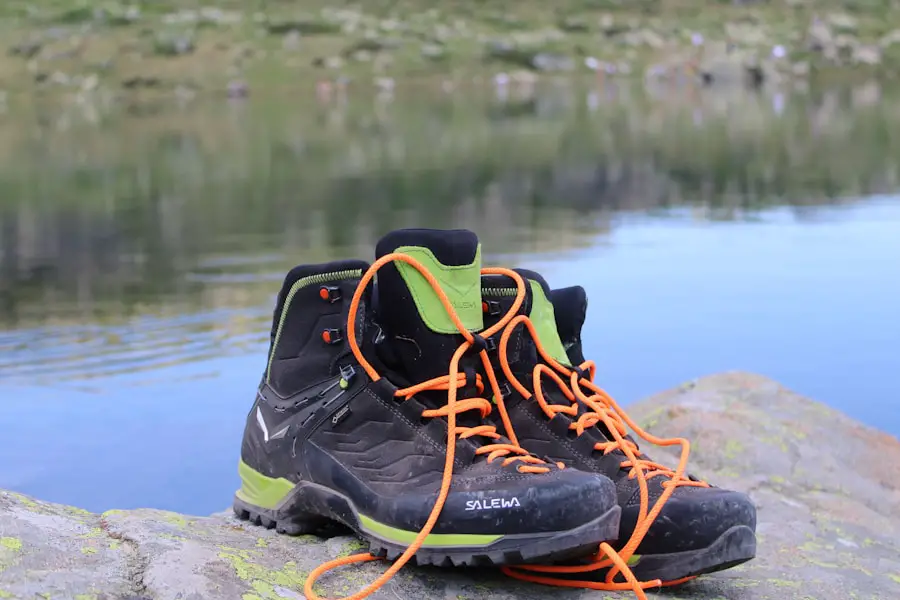
Last Updated on September 10, 2026 by Daniel Globe
Hiking shoes do more than complete an outdoor outfit. The right pair can improve grip, protect your feet from rocks and debris, and make long days on the trail more comfortable. Style still matters, but fit, traction, weather protection and the demands of the trail should come first when deciding what to wear.
Quick Answer
Wear hiking shoes with moisture-wicking socks, secure your heel with snug but comfortable lacing, and leave enough toe room for your toes to move without hitting the front on descents. Choose the shoe’s traction, stiffness, weather protection and cut for the terrain rather than relying on appearance alone.
Key Takeaways
- A hiking shoe should feel snug through the heel and midfoot but leave comfortable room for your toes.
- Choose footwear according to terrain, trip length, pack weight, weather and your own foot shape.
- Low-cut hiking shoes and trail runners favor lighter weight and flexibility; burlier boots provide more structure and protection.
- Waterproof footwear is useful in some wet or cold conditions, but breathable, quick-drying shoes can be better in hot weather or repeated water crossings.
- Good socks, careful lacing and gradual break-in can reduce rubbing and help you identify fit problems before a long hike.
- Clean and air-dry hiking footwear regularly, and replace it when traction, cushioning, structure or the upper has noticeably deteriorated.
At a Glance
| Time Required | 10–20 minutes for an initial fit check; several short walks may be useful before a long hike |
| Difficulty | Easy |
| Tools Needed | Hiking shoes, the socks you plan to hike in and, ideally, stairs or an inclined surface for testing |
| Cost | No additional cost when fitting or adjusting footwear you already own |
Disclosure: As an Amazon Associate I earn from qualifying purchases. Some links on this page are affiliate links, at no extra cost to you.
Choosing the Right Hiking Shoe for Your Needs
Start with where and how you hike. A smooth park path does not demand the same footwear as a rocky trail with steep climbs, loose soil and a loaded backpack. The American Hiking Society recommends considering traction, support, protection and fit when selecting trail footwear.
Think about five factors before choosing a style:
- Terrain: Rocky, rooted or loose trails usually benefit from more underfoot protection, a stable platform and an outsole designed for grip.
- Trip length: Longer hikes make fit and underfoot comfort increasingly important.
- Pack load: Some hikers prefer a stiffer, more structured shoe or boot when carrying a heavier load.
- Weather: Rain, mud, heat, snow and repeated stream crossings place different demands on footwear.
- Your feet: Width, volume, arch shape and heel shape matter more than the size printed on the box.
Note: Waterproof is not automatically better. A waterproof membrane can help in wet grass, mud, rain or cold conditions, but it usually reduces breathability and can dry slowly after water gets inside. In hot climates or frequent water crossings, breathable quick-drying footwear may be more comfortable.
Higher-cut boots may provide more protection around the ankle and can feel more structured, but boot height alone should not be treated as a guarantee against ankle sprains. Fit, underfoot stability, trail conditions and your own strength and balance also matter.
How to Wear Hiking Shoes Correctly
- Put on your hiking socks first. Use the same sock thickness you intend to wear on the trail because changing sock thickness changes shoe volume and fit.
- Loosen the laces before putting the shoe on. Do not force your foot into a tightly laced shoe and crush the heel collar.
- Seat your heel. Slide your heel fully into the heel cup before tightening the laces.
- Lace from the forefoot upward. Aim for a secure hold without painful pressure across the top of your foot.
- Check your toes. You should be able to move them comfortably, and they should not hit the front when walking downhill.
- Walk on an incline if possible. Your heel should remain reasonably secure going uphill, while your toes should not slam forward on the descent.
- Recheck after several minutes. Feet can change slightly as they warm up, so adjust the laces if you develop pressure or heel movement.
Warning: Persistent numbness, sharp pain, major heel movement or toes repeatedly striking the front are not normal break-in symptoms. Stop and correct the fit rather than assuming a painful shoe will eventually become comfortable.
Exploring Different Hiking Shoe Styles
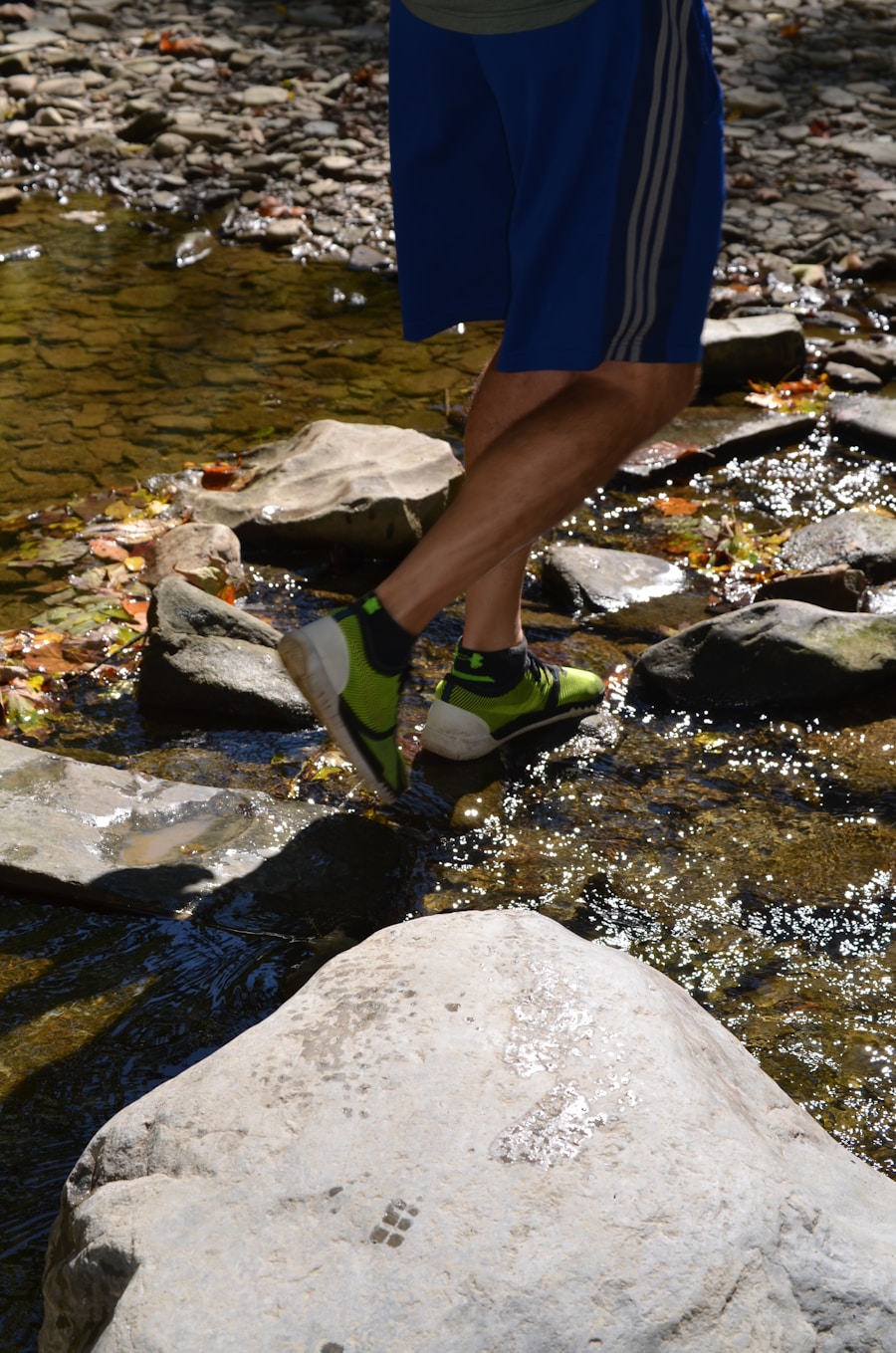
Hiking footwear comes in several styles, each balancing weight, flexibility, protection and traction differently.
Hiking Shoes
Low-cut hiking shoes are usually more structured than ordinary road-running shoes but lighter and more flexible than traditional backpacking boots. They work well for many day hikes and can also handle rugged terrain when the outsole, midsole and fit suit the route.
Hiking Boots
Hiking boots generally use a taller upper and may have a stiffer platform, tougher materials and greater protection from rocks, brush and weather. They can make sense for rough terrain, cold conditions or hikers who simply prefer a more substantial feel.
Trail Runners
Trail-running shoes emphasize low weight, flexibility and efficient movement. They are popular with runners, fast hikers and many lightweight backpackers. Modern trail runners are not limited to smooth paths; models vary from lightly lugged shoes for easy trails to aggressive designs for technical ground.
Approach Shoes
Approach shoes combine hiking characteristics with climbing-inspired rubber and precision. They are useful where a route includes rocky scrambling or easy climbing as well as ordinary hiking.
The best hiking shoe is not automatically the lightest, tallest or most waterproof option. It is the one that fits your foot and matches the terrain and conditions you actually hike in.
Current Hiking Shoe Examples
| Brand | Current Example | Cut | Listed Weight | Key Construction |
|---|---|---|---|---|
| Merrell | Moab 3 | Low | Manufacturer lists approximately 12.34–14.81 oz per shoe depending on configuration | Leather/mesh upper, protective toe and heel, Vibram TC5+ outsole |
| Salomon | X Ultra 5 GORE-TEX | Low | Women’s version listed at 11 oz per shoe | Synthetic/textile upper, GORE-TEX membrane, Contagrip outsole |
| KEEN | Targhee IV Waterproof | Low hiking shoe | 18.7 oz listed by KEEN | KEEN.FUSION construction, KEEN.RUGGED outsole and Luftcell cushioning |
Model specifications vary by men’s and women’s versions, size, width and waterproof configuration, so use manufacturer specifications only as a comparison aid. Fit should still drive the final decision.
How to Properly Fit Hiking Shoes
Fit is more important than brand name or appearance. Current REI hiking-footwear guidance describes a good fit as snug everywhere but tight nowhere, with enough space for the toes to move.
When trying on hiking shoes:
- Wear the socks you expect to hike in.
- Check both feet because one foot may be slightly larger.
- Make sure the widest part of your foot matches the widest part of the shoe.
- Look for secure heel retention rather than noticeable up-and-down sliding.
- Confirm that your toes are not cramped.
- Walk uphill and downhill or use stairs to check movement under realistic loading.
- Reject any shoe that creates obvious pinching, rubbing or a hard pressure point during the initial fitting.
Feet can become larger after you have been standing or walking for hours. For that reason, trying footwear later in the day or after some activity can give you a useful picture of how it may feel during a hike.
Pro Tip: Remove the insole and stand on it while wearing your hiking socks. It is a quick way to spot obvious length or width problems before you spend time adjusting the laces.
How to Lace Hiking Shoes for a Better Fit
Laces should secure the foot without cutting off circulation or creating pressure across the instep. If ordinary crisscross lacing does not feel right, changing the pattern can help fine-tune an otherwise well-fitting shoe.
REI’s hiking-boot lacing guidance describes several useful techniques:
- Heel-lock or surgeon’s-knot technique: Adds hold around the heel and can reduce excessive heel movement.
- Window lacing: Skips crossing the laces over a sensitive area to reduce pressure on the top of the foot.
- Toe-relief lacing: Temporarily reduces pressure near the front of the shoe if the toes become sore on the trail.
Lacing adjustments cannot rescue a shoe that is fundamentally too short, narrow, wide or high-volume. If a firmly laced shoe still allows major movement—or creates pain—the model or size is probably wrong.
Choosing Socks and Insoles
Socks are part of the footwear system. Their thickness changes how much space your foot occupies inside the shoe, which is why the socks used during fitting should match those used on the trail.
Wool and synthetic hiking socks are common choices because they manage moisture better than ordinary cotton. REI’s hiking-sock guidance notes that cotton absorbs moisture and dries slowly, while wool, polyester and nylon are commonly used in hiking socks for moisture management, cushioning and durability.
Choose a sock height that rises above the shoe or boot collar so your skin is not rubbing directly against the footwear. Avoid socks that bunch, wrinkle or slide underfoot.
Aftermarket insoles can change arch feel, heel position and shoe volume. They can be useful when they improve comfort, but installing a thick insole in an already-tight shoe can create new pressure points.
Maintaining and Caring for Your Hiking Shoes
Regular care can preserve traction, materials and comfort. After a muddy hike, remove loose dirt from the outsole and upper rather than allowing thick mud to dry into seams and tread.
For a basic cleaning:
- Remove the laces and insoles.
- Brush away dry dirt and stones.
- Use water and a footwear-safe cleaner when deeper cleaning is needed.
- Rinse away cleaner residue.
- Air-dry the shoes at normal room temperature.
- Let removable insoles dry separately before reinstalling them.
REI’s footwear-care guidance recommends avoiding washing machines and direct heat because they can damage materials and adhesives.
Waterproof footwear may also need its exterior water-repellent treatment refreshed when water stops beading on the surface. Use a treatment compatible with the shoe’s leather, textile and membrane rather than applying a generic wax or oil to every material.
Note: A waterproof membrane and the outer water-repellent finish do different jobs. A worn exterior finish does not necessarily mean the waterproof membrane itself has failed.
Store clean, dry hiking shoes in a ventilated place away from extreme heat and direct sunlight. Periodically check the tread, sole bond, stitching, upper and cushioning so damage does not surprise you halfway through a trip.
Pairing Hiking Shoes with Different Outfits
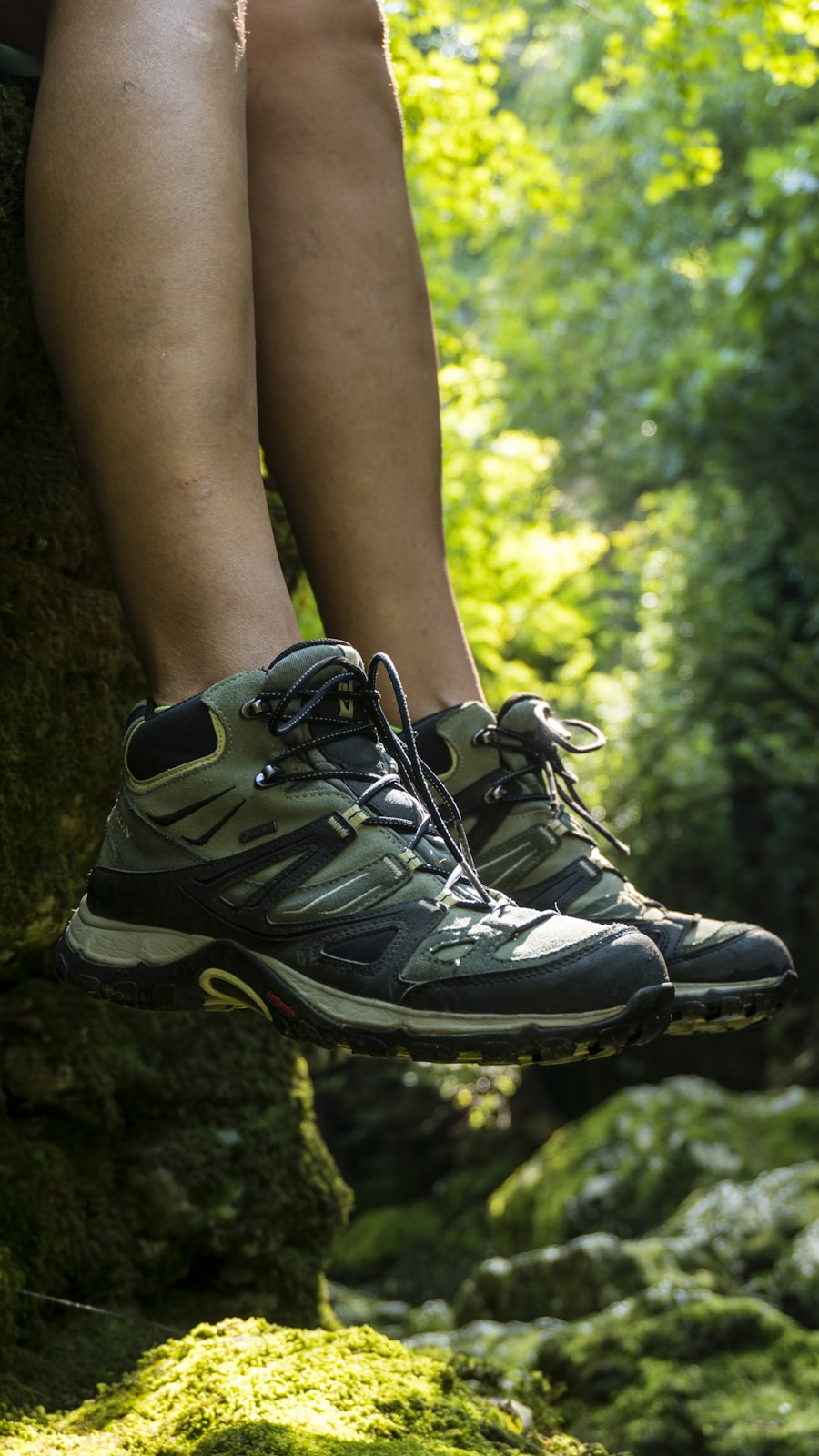
Hiking footwear can be practical without looking purely technical. For casual day hikes or travel days, low-cut hiking shoes and trail runners pair naturally with hiking shorts, breathable pants or moisture-wicking leggings. Neutral colors blend easily with everyday clothing, while brighter shoes can become the focal point of the outfit.
For rugged hikes or multi-day trips, build the outfit around function first. Sturdy hiking footwear works well with abrasion-resistant hiking pants, a moisture-wicking base layer and weather-appropriate outer layers. Socks should rise above the footwear collar to reduce direct rubbing against the skin.
In cold or wet weather, coordinate the footwear with rain pants, gaiters or insulated layers as conditions require. In hot weather, lighter colors, breathable clothing and non-insulated footwear can improve comfort.
Accessories such as a hat, backpack and trekking poles can complete the look, but the best trail outfit is ultimately one that keeps you comfortable and lets you move freely.
Tips for Breaking in New Hiking Shoes
A new shoe should fit properly from the beginning. Breaking it in can soften materials and help you discover pressure points, but it cannot make the wrong size become the right size.
Break-in time varies considerably. Flexible hiking shoes and trail runners may feel comfortable almost immediately, while heavier leather hiking and backpacking boots can take longer. REI recommends increasing wear gradually instead of debuting new boots on a demanding trip.
Start with:
- Short periods around home.
- Neighborhood walks using your hiking socks.
- Short local trails.
- Small hills and uneven surfaces.
- A longer practice hike once no problem areas are developing.
Pay attention to heel rubbing, toe pressure and hot spots. Adjusting the laces can solve minor hold problems, but repeated pain or rubbing in the same place often indicates a fit mismatch.
Hiking Shoe Styles for Different Types of Terrain
The terrain under your feet should influence traction, stiffness and protection more than fashion alone.
| Terrain | Useful Footwear Features | Typical Options |
|---|---|---|
| Paved or groomed paths | Comfort, moderate grip and flexibility | Trail runner or lightweight hiking shoe |
| Rocky or rooted trail | Protective outsole, stable platform, secure fit and durable upper | Hiking shoe, technical trail runner or hiking boot |
| Mud and wet vegetation | Aggressive tread; waterproofing when conditions and temperature favor it | Hiking shoe or boot with suitable outsole |
| Hot, dry trail | Breathability, low weight and appropriate traction | Ventilated hiking shoe or trail runner |
| Rock scrambling | Sticky rubber, precise fit and edging ability | Approach shoe or suitable technical hiking shoe |
| Snow or ice | Warmth, water resistance and condition-specific added traction | Winter-capable hiking boot plus appropriate traction device when required |
For hard-packed snow and ice, footwear tread alone may not provide enough grip. The National Park Service advises using traction devices when trail conditions require them.
Rocky trails often reward a shoe with stronger underfoot protection and a secure fit. Smooth trails allow more freedom to prioritize low weight and flexibility. Mixed routes fall between those extremes, so many hikers choose a versatile hiking shoe or trail runner with a stable platform and reliable outsole.
If you are planning a hiking trip, also consider the destination’s climate before choosing footwear. A warm, humid trip such as Costa Rica can place very different demands on breathability and drying time than a cold mountain hike.
When to Replace Hiking Shoes
There is no single mileage number that tells every hiker when to replace a pair. Body weight, terrain, gait, shoe construction and how often the footwear gets wet or dirty all affect lifespan.
Inspect your shoes and consider replacement when you notice:
- Tread worn smooth enough that grip is clearly reduced.
- Chunks of outsole missing or the outsole separating from the upper.
- A midsole that feels permanently flattened, uneven or less supportive.
- Cracks, torn fabric or failed stitching that affects protection or fit.
- A deformed heel counter or upper that no longer holds the foot securely.
- Persistent discomfort in shoes that were previously comfortable.
Minor cosmetic scuffs do not automatically make a hiking shoe unsafe. Focus on the parts that affect traction, fit, structure and protection.
Frequently Asked Questions
What are hiking shoes?
Hiking shoes are outdoor footwear designed to provide traction, underfoot protection and a secure fit on trails. Most are lower-cut and lighter than traditional hiking boots while using more trail-oriented outsoles and protective construction than ordinary casual shoes.
How should hiking shoes fit?
They should feel secure through the heel and midfoot without painful pressure. Your toes should have room to move, and they should not repeatedly hit the front of the shoe when you walk downhill. Try footwear with the socks you will actually wear while hiking.
How should hiking shoes be laced?
Lace hiking shoes firmly enough to keep your foot secure but not so tightly that you create pressure, numbness or throbbing. Heel-lock techniques can reduce heel movement, while window lacing can relieve pressure on the top of the foot.
Do hiking shoes need to be waterproof?
Not always. Waterproof footwear can be useful for rain, wet vegetation, mud and cold conditions, but waterproof membranes usually breathe less and can dry slowly after being submerged. Breathable, quick-drying footwear may be preferable in hot climates or frequent water crossings.
Are high-cut hiking boots safer for your ankles?
A higher cuff can add protection and may feel more supportive, but it should not be treated as a guarantee against ankle sprains. The shoe’s fit and platform, terrain, fatigue, balance and any previous ankle problems also influence stability and injury risk.
When should hiking shoes be replaced?
Replace them when worn tread reduces traction, the outsole separates, cushioning or structure has noticeably broken down, the upper is seriously damaged, or the shoe no longer holds your foot securely. Condition matters more than following one universal mileage number.
How do you break in hiking shoes?
Start with short walks in your normal hiking socks, then progress to short trails and hills before committing to a long trip. Lightweight hiking shoes may require very little break-in, while stiffer leather boots can take longer. Break-in should not be used to justify persistent pain or a clearly incorrect fit.
Sources
- American Hiking Society — Hiking Boots — footwear categories, fit, heel retention, toe room and trying shoes later in the day.
- REI Expert Advice — How to Choose Hiking Boots and Hiking Shoes — current guidance on footwear type, terrain, fit, trip length and weather.
- REI Expert Advice — How to Lace Hiking Boots — heel-lock, window-lacing and toe-relief techniques.
- REI Expert Advice — How to Clean Hiking Boots — cleaning, drying and storage guidance.
- U.S. National Park Service — Hiking With Traction Devices — added traction for hard-packed snow and icy trails.
- PubMed — Interventions for Preventing Ankle Ligament Injuries — evidence review distinguishing proven external ankle supports from the uncertain protective effect of high-top shoes.

