
Last Updated on July 25, 2026 by Daniel Globe
London is easy to enjoy on a first visit once you understand a few practical basics. The biggest wins come from sorting out entry requirements before you fly, learning how London’s transport payments work, grouping attractions by area, and leaving enough flexibility for markets, parks, pubs, and neighborhoods beyond the headline sights.
Quick Answer
For a first trip to London, check your UK entry requirements, choose a well-connected base, use contactless or Oyster for public transport, group sights by neighborhood, and reserve high-demand attractions ahead. Pack for changeable weather, wear broken-in shoes, keep valuables secure in crowds, and leave room for local markets, parks, pubs, and quieter neighborhoods.
Key Takeaways
- Check whether you need a UK visa or Electronic Travel Authorisation before departure.
- Use contactless or Oyster pay as you go rather than routinely buying individual paper tickets.
- Always use the same contactless card or device throughout a journey so TfL can calculate the correct fare and caps.
- Group major sights by area and book high-demand attractions through their official websites.
- Pack layers, a waterproof outer layer, and comfortable shoes for London’s changeable weather and long walking days.
- Keep phones, wallets, passports, and bags secure in crowded transport hubs and tourist areas.
Disclosure: As an Amazon Associate I earn from qualifying purchases. Some links on this page are affiliate links, at no extra cost to you.
Check UK Entry Requirements Before You Travel
Before buying non-refundable tickets, confirm what travel permission applies to the passport you will use. Depending on your nationality and immigration status, you may need a visa, an Electronic Travel Authorisation (ETA), or neither.
The safest approach is to use the official GOV.UK ETA and visa guidance rather than relying on an airline forum, social-media post, or an old travel article. ETA eligibility is based on nationality, and each traveler who needs one must have the required authorization, including children.
Note: Entry requirements can change faster than ordinary sightseeing advice. Recheck the official UK government rules shortly before departure, even if you have visited Britain before.
Master the Public Transport System
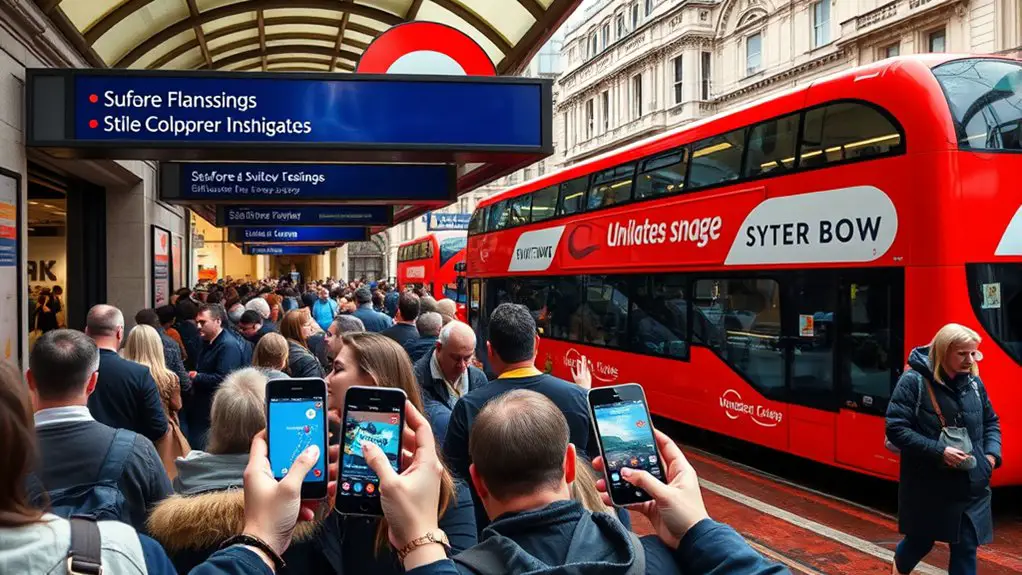
London’s public transport network includes the Tube, buses, Elizabeth line, London Overground, DLR, trams, National Rail services, and river transport. For most first-time visitors, the important part is not memorizing the whole network. It is knowing how to plan a route, pay correctly, and check live service information.
Master London’s buses and Tube basics and the city becomes much easier to explore.
Use the official TfL journey planner or TfL Go app to compare routes. The Tube is often quickest for longer journeys across central London, while buses can be useful for shorter trips and give you a better view of the streets and neighborhoods between attractions.
On escalators, stand on the right and leave the left side open for people walking. Let passengers leave a train before boarding, move down inside the carriage when space is available, and avoid blocking doors or station entrances.
Service hours vary by line and route, so do not assume every train stops at midnight. TfL’s Night Tube currently operates on Friday and Saturday nights on the Central, Jubilee, Northern, Piccadilly, and Victoria lines. Night buses cover many additional routes.
Plan Accessible Travel in Advance
If stairs, long walking distances, luggage, a stroller, or reduced mobility could affect your trip, check step-free routes before leaving your hotel. A station marked as accessible does not necessarily mean every interchange is equally easy, and some older stations have long passages between platforms.
TfL provides accessibility and step-free travel information. Building a route around step-free stations can be much more comfortable than simply choosing the geographically shortest journey.
Plan Your Airport Transfer Before Arrival
London is served by several airports, and the best transfer depends on where you are staying rather than simply which train is fastest on paper.
From Heathrow, the Elizabeth line and Piccadilly line both connect the airport with London, while Heathrow Express provides a separate fast rail option to Paddington. TfL provides current Elizabeth line information.
From Gatwick, several rail operators serve central London, so compare the station closest to your accommodation before buying a ticket. Travelers arriving through Stansted, Luton, or London City Airport should do the same rather than assuming every airport uses the Tube.
Pro Tip: Save your hotel address and your airport-to-hotel route offline before the flight. After a long overnight journey, having the station name and final walking directions ready is much easier than planning from scratch in the arrivals hall.
Plan Your Must-See Attractions
Make a short list of sights that matter most to you, then group them by location. London is large enough that repeatedly crossing the city can waste a surprising amount of sightseeing time.
For example, Westminster Abbey, the Palace of Westminster, St James’s Park, and Buckingham Palace can fit naturally into the same part of a day. The Tower of London and Tower Bridge pair well together, while the British Museum can be combined with Bloomsbury, Covent Garden, or Soho.
Leave some open time as well. A first trip feels much less rushed when every hour is not tied to a reservation.
Top Landmarks to Visit
London’s major landmarks tell very different parts of the city’s story. The Tower of London covers royal power, imprisonment, defense, and the Crown Jewels. Westminster Abbey is tied to coronations, royal ceremonies, and centuries of British history.
Buckingham Palace is the official London residence of the Sovereign and the administrative headquarters of the Monarch. The Palace is a working royal building, and public access to its State Rooms is seasonal rather than year-round. See the Royal Household’s Buckingham Palace information before planning an interior visit.
Nearby, the Palace of Westminster and Elizabeth Tower form one of London’s best-known views. Big Ben is the name commonly associated with the clock tower, although strictly speaking it is the nickname of the Great Bell inside Elizabeth Tower.
Other major sights include Tower Bridge and St Paul’s Cathedral. Rather than trying to see all of them in one day, choose a few and allow time to enjoy the surrounding streets, parks, riverfront, and neighborhoods.
Hidden Gems Exploration
Beyond the headline sights, smaller places can give you a quieter look at London. The Kyoto Garden in Holland Park offers a peaceful landscaped space, while Postman’s Park in the City contains the unusual Memorial to Heroic Self-Sacrifice.
For museums, Sir John Soane’s Museum packs art, antiquities, architectural models, and unusual interiors into the former home of the architect Sir John Soane. The Museum of Brands and the Museum of the Order of St John provide more focused alternatives to London’s largest museums.
These places are not necessarily “secret,” but they often give visitors a different experience from the biggest attractions and can fit neatly between major sights.
Group Attractions by Area
A simple way to build an efficient itinerary is to choose one broad area for each half-day. For example:
- Westminster and St James’s: Parliament, Westminster Abbey, St James’s Park, Buckingham Palace.
- City and Tower Hill: Tower of London, Tower Bridge, St Dunstan in the East, St Paul’s area.
- South Bank: riverside walk, Tate Modern area, Borough Market, views toward St Paul’s.
- Bloomsbury and West End: British Museum, Covent Garden, Soho, theatre district.
This approach cuts unnecessary transport time while still leaving room to wander.
Choose Contactless or Oyster for Ease and Savings
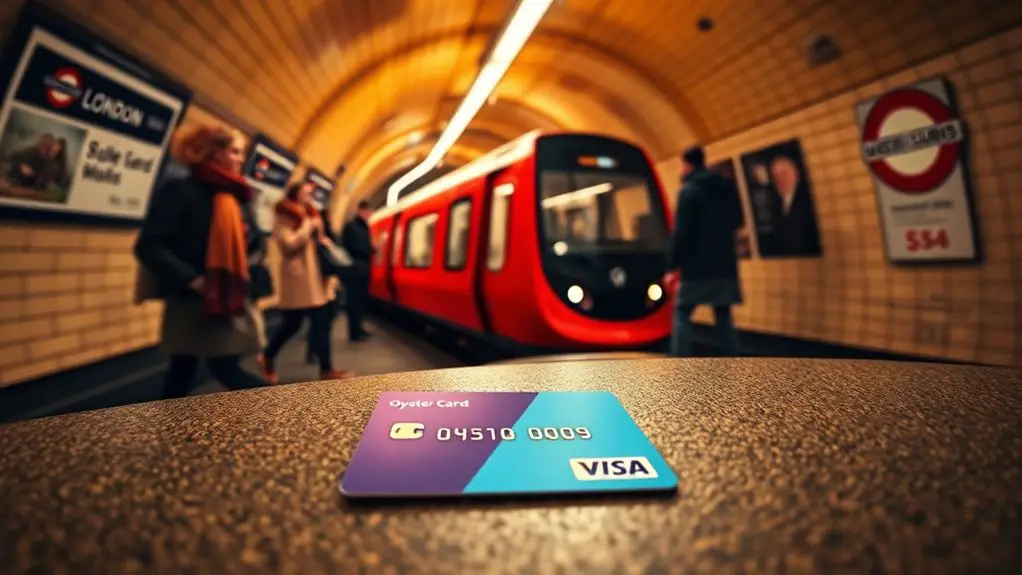
For most visitors, contactless payment or Oyster pay as you go is easier than buying individual tickets. TfL describes both as flexible visitor payment options and applies fare capping to eligible pay-as-you-go journeys.
A contactless bank card, phone, or watch is often simplest if your card works in the UK and your bank does not charge an excessive foreign transaction fee. Oyster can be useful when you do not want to use a bank card for every journey or when a traveler needs an Oyster-based concession.
Follow TfL’s visitor payment guidance before deciding which option fits your trip.
Touch In and Out Correctly
On the Tube, Elizabeth line, DLR, London Overground, and applicable National Rail journeys, touch in at the start and touch out at the end. On buses and trams, you normally touch in only.
Most importantly, use the same card or device throughout the journey. Tapping in with a physical bank card and tapping out with a phone linked to that card can be treated as two different payment methods. That can create incomplete journeys or maximum fares. TfL explains these rules in its pay-the-right-fare guidance.
Keep other contactless cards away from the reader to avoid card clash, and remember that each paying traveler needs their own payment method or ticket.
As of July 2026, the adult pay-as-you-go daily cap for Zones 1–2 is £8.90. London’s adult bus and tram PAYG fare remains £1.75 through October 2026, with an approved increase to £1.85 from November 1, 2026. Always check TfL for the fare that applies on your travel dates.
Explore Neighborhoods Beyond the Tourist Spots
London becomes much more interesting when you mix famous sights with ordinary neighborhoods. Different parts of the city have distinct architecture, food, markets, parks, nightlife, and local routines.
Choose a Well-Connected Place to Stay
Do not choose accommodation only by measuring its distance from Big Ben. A hotel a little farther out but five minutes from a useful Tube or rail station may be more convenient than a central property that requires several changes for everything you want to see.
For a first visit, look at the stations near the property, the lines they serve, how late you expect to return, and whether you need step-free access. Soho and Covent Garden put you near West End nightlife; Bloomsbury works well for museums and central rail connections; Southwark places you near the South Bank; and neighborhoods farther west or east can offer a more residential feel.
Hidden Gems in East London
East London is known for creative businesses, street art, markets, cafés, nightlife, and rapidly changing neighborhoods. Instead of trying to hunt down one supposedly “secret” location, spend time walking a compact area and paying attention to side streets, galleries, independent shops, and cafés.
Street art around Shoreditch and nearby areas changes regularly, so it is better approached as something to discover than as a fixed checklist. Vintage shops and small businesses also change quickly, making current maps and recent local recommendations more useful than old “hidden gem” lists.
When you need a break, look one or two streets away from the busiest intersections for quieter cafés and bakeries.
Charming Neighborhoods in West London
West London offers everything from elegant residential streets to parks and busy shopping districts. Holland Park combines attractive streets with green space, while areas such as Notting Hill are known for colorful houses, independent businesses, and Portobello Road.
Farther west, neighborhoods such as Chiswick feel more residential and can be a good change of pace after several days in the busiest central districts.
The goal is not to avoid famous places simply because they are popular. It is to balance them with places where you can slow down, sit in a park, browse a local shop, or have coffee without rushing to the next landmark.
Local Markets in South London
South of the Thames, markets and high streets offer easy ways to combine food with neighborhood exploration. Borough Market is one of London’s most famous food markets and can be crowded, while Brixton, Greenwich, Tooting, and Peckham provide very different local scenes.
| Area or Market | Highlights | Area |
|---|---|---|
| Borough Market | Prepared food, produce, specialty ingredients | Southwark, central London |
| Brixton Village & Market Row | Restaurants, international food, independent shops | Brixton |
| Greenwich Market | Crafts, gifts, food stalls | Greenwich |
| Tooting Market | Food, drinks, small independent traders | Tooting |
| Peckham / Rye Lane | Independent food, shops, cafés, multicultural high street | Peckham |
The South Bank and Southbank Centre area also hosts food and seasonal events at different times of year. Check the current event calendar instead of assuming a particular market will operate every day.
Be Prepared for the Weather
London weather can change during the day, so flexible layers are more useful than packing for one fixed forecast. A light sweater or mid-layer, waterproof outer layer, and compact umbrella can cover many conditions.
Keep these basics in mind:
- Carry a compact umbrella or lightweight waterproof jacket when showers are possible.
- Wear layers that can be removed when trains, museums, restaurants, and shops feel warmer than outdoors.
- Choose comfortable shoes that can handle damp pavements.
- Pack season-specific extras such as gloves and a warm hat in winter or sunscreen and a water bottle during warm spells.
Check the forecast again shortly before departure and each morning. That is more useful than relying on broad claims that London is always rainy or always cool.
Discover Local Dining and Pubs
London’s food scene ranges from traditional pubs and neighborhood cafés to restaurants serving cuisines from nearly every part of the world. A good first trip mixes a few planned meals with flexible stops near the neighborhoods you are already exploring.
Hidden Gems for Dining
Instead of chasing a vague list of “secret restaurants,” use a repeatable method. Look a street or two beyond the busiest tourist square, check a current menu before sitting down, look at recent reviews for consistency, and compare prices before ordering.
Neighborhood restaurants often make more sense when they fit the day’s route. A relaxed dinner near your hotel can be better than crossing London for a restaurant that looked trendy in an old guide.
Markets are also useful when a group wants different foods. Borough, Brixton, Greenwich, and Tooting can let several people choose separate dishes without committing to one restaurant.
Classic Pubs and Breweries
London’s pub culture mixes historic buildings with modern pubs, taprooms, and breweries. A traditional pub can be a good place for a relaxed meal, a pint, or simply a break between attractions.
In many pubs, especially traditional ones, you order drinks and often food at the bar rather than waiting for table service. Check the system when you arrive instead of assuming it works like a full-service restaurant.
Historic architecture can be part of the appeal, but do not assume every pub marketed as “historic” has been continuously brewing its own beer for centuries. Pubs and breweries are different businesses, and ownership and brewing arrangements change.
Local Food Markets
Food markets are useful for sampling several cuisines in one stop. Expect everything from cheese, bread, baked goods, and produce to curries, sandwiches, pastries, grilled meats, vegetarian dishes, and desserts.
Popular markets can become very busy around lunch, particularly on weekends. Arriving earlier or outside the main lunch rush can make it easier to browse.
For picnics, parks and riverside spaces can be convenient places to eat market purchases where local rules permit. Dispose of rubbish properly and remember that some parks or venues restrict alcohol.
Know How Money and Tipping Work
Cards and contactless payments are widely used in London, so most visitors do not need to carry large amounts of cash. Still, having a small backup payment method is sensible in case a card is declined or a terminal is unavailable.
Travelers using foreign cards should check whether their bank charges foreign transaction fees. This matters not only in restaurants and shops but also when using a foreign contactless card for TfL journeys.
In restaurants, check the bill before adding a tip. A discretionary service charge is often already included. When it is not, a tip of roughly 10–15% for good table service is common, but tipping is not mandatory. In pubs where you order at the bar, tipping is generally not expected. See Visit London’s current tipping guidance for details.
Keep an Eye on Opening Hours and Ticketing
London attractions do not follow one universal schedule. Opening hours, last-entry times, temporary closures, security procedures, and seasonal access can all change.
The Tower of London, for example, publishes date-specific opening hours and temporary access changes through Historic Royal Palaces. Check its official opening-times page rather than relying on a generic schedule.
Advance booking is especially useful for popular paid attractions, major exhibitions, tours, and theatre performances. However, an advance ticket does not automatically mean you can bypass every line; security and entry checks may still apply.
Even some free attractions recommend reservations. The British Museum, for example, has free permanent-collection entry and recommends reserving a free timed ticket for priority entry during busy periods, while walk-up admission remains subject to capacity.
| Activity | What to Expect | Best Practice |
|---|---|---|
| Museums & Galleries | Hours vary; some offer late openings on selected days | Check the museum’s official site and reserve free timed entry where recommended |
| Major Paid Attractions | Timed entry and sellouts are possible | Book through the official operator when your date is fixed |
| Theatres & Shows | Performance schedules vary by production and day | Reserve must-see shows early and buy from reputable sellers |
| Tube, Rail & Buses | Hours and overnight service vary by line and route | Check TfL Go or the journey planner before late-night travel |
Stay Safe and Be Aware of Your Surroundings
London is a busy major city, so ordinary big-city awareness goes a long way. Crowded trains, station entrances, shopping streets, nightlife areas, and famous attractions are places where distraction can make theft easier.
- Keep phones and wallets secure. Avoid leaving a phone loosely on an outdoor café table or holding it carelessly at the edge of a busy road.
- Watch bags in crowds. Close zippers and keep valuables somewhere harder for a pickpocket to reach.
- Use ATMs carefully. Shield your PIN, remain aware of anyone standing unusually close, and do not accept unsolicited “help.”
- Buy event tickets from reputable sellers. The Metropolitan Police specifically warns visitors about street ticket touts.
- Use well-lit routes at night. If an area or situation feels uncomfortable, move toward a busier place and change your route.
The Metropolitan Police publishes dedicated visitor safety advice for London.
Warning: If property is stolen rather than simply lost, treat it as a crime and follow police reporting guidance. For an immediate threat or danger to life, call 999 or 112.
Cross Roads Carefully
Vehicles in Britain travel on the left. If you normally live somewhere traffic keeps to the right, your automatic instinct at crossings may be wrong.
Use designated crossings where possible, wait for the appropriate pedestrian signal, and look both ways before stepping into the road. The UK Highway Code advises pedestrians to keep checking for traffic even at crossings because a driver or rider may not have seen them.
Pack Comfortable Footwear
You will probably walk much farther in London than the Tube map makes it seem. Stations can have long corridors, major museums involve hours on your feet, and exploring parks and neighborhoods quickly adds mileage.
Choose broken-in, well-cushioned sneakers or walking shoes rather than brand-new shoes you have never worn for a full day. A water-resistant pair is especially useful in wet weather.
London also has uneven paving, older streets, steps, and large parks, so stability matters as much as appearance.
An extra pair can help if the first pair gets soaked or starts rubbing. Alternating footwear can also reduce discomfort during a multi-day trip.
Learn Basic London Etiquette and Phrases
London etiquette is mostly simple courtesy, but a few habits make crowded spaces work more smoothly.
Queue properly. Wait your turn at ticket counters, cafés, bus stops where a queue has formed, and other busy places. On Tube escalators, stand on the right. Let passengers get off trains before boarding, and move away from station gates after tapping through so other people can follow.
Useful everyday phrases include:
- “Please” and “thank you” for ordinary requests.
- “Excuse me” when passing someone or trying to get attention.
- “Sorry” for small bumps or inconveniences; you will hear it frequently.
- “Could you help me?” when you need directions or assistance.
- “Cheers” as an informal thank-you in many everyday situations.
Public transport is usually quieter than a busy bar or restaurant, so keep calls and music at a considerate volume.
Frequently Asked Questions
What are some hidden gems in London not found in typical guides?
Try smaller attractions such as Sir John Soane’s Museum, Postman’s Park, the Museum of the Order of St John, or the Kyoto Garden in Holland Park. They are not truly secret, but they offer a quieter contrast to London’s headline attractions. Exploring side streets, neighborhood parks, independent galleries, and changing street art can be just as rewarding as following a fixed hidden-gem list.
How can I avoid tourist traps when dining or shopping?
Check menus and prices before sitting down, avoid sellers who pressure you into a purchase, and compare a few recent reviews rather than relying on one viral recommendation. Markets such as Borough, Brixton, Greenwich, and Tooting can be enjoyable, but popular markets are still tourist attractions, so compare prices and explore surrounding neighborhood businesses too.
Are there free or budget-friendly activities for first-time visitors?
Yes. The British Museum’s permanent collection is free, and several other major national museums and galleries offer free general admission, although special exhibitions may cost extra. Walking along the Thames, exploring parks, visiting markets, seeing landmark exteriors, and wandering neighborhoods are also inexpensive ways to experience London. Free attractions may still recommend advance timed tickets.
What local customs should I know before visiting London?
Queue patiently, let passengers leave trains before boarding, stand on the right side of Tube escalators, and use polite phrases such as “please,” “thank you,” and “excuse me.” Restaurant tipping is generally optional; check whether a service charge is already included before adding another tip. Tipping is not normally expected when ordering drinks at a pub bar.
How do I handle emergencies or lost belongings in London?
Call 999 or 112 for a genuine emergency involving police, ambulance, or fire services. For non-emergency police matters, call 101 or use Metropolitan Police reporting services. If you simply lose something on public transport, follow TfL or the relevant transport operator’s lost-property process rather than automatically going to a police station. If the property was stolen, report the theft to police and contact your bank or device provider when appropriate.
Is an Oyster card better than contactless for tourists?
Not necessarily. Contactless is often simplest for an adult whose bank card works in the UK without costly foreign transaction fees. Oyster is useful for travelers who prefer a separate transit card or need certain Oyster-based discounts. Both support pay-as-you-go travel. Whichever method you use, follow TfL’s tapping rules and use the same card or device throughout each journey.
Do I need an ETA to visit London?
It depends on your nationality, passport, and immigration status. Many travelers who do not require a traditional visa now need a UK Electronic Travel Authorisation before travel. Check GOV.UK using the passport you will travel with rather than assuming the rules are the same as on a previous visit.
How many days should I allow for a first trip to London?
Three full days can cover a selection of major central sights, but four to six days gives you more time for museums, neighborhoods, markets, parks, theatre, and slower meals without constantly rushing. Add more time if you plan day trips outside London.
Conclusion
A smooth first trip to London is less about seeing everything and more about making a few smart decisions early. Check your entry requirements, plan the airport transfer, learn the contactless and Oyster rules, group attractions by area, and reserve the places you would be disappointed to miss. Then leave enough open time to walk, explore neighborhoods, try local food, and change plans when the weather or your energy level says you should. Comfortable shoes, sensible safety habits, and a little local etiquette will take care of the rest.
Sources
- Transport for London — Best Ways for Visitors to Pay — contactless, Oyster, pay-as-you-go and fare-capping guidance.
- London City Hall — July 2026 TfL Fare Changes — current 2026 bus and tram fare timetable.
- GOV.UK — Electronic Travel Authorisation — current UK ETA requirements and eligibility guidance.
- Metropolitan Police — Staying Safe While Visiting London — visitor safety, pickpocket, ATM and ticket-tout advice.
- The Royal Family — Buckingham Palace — official status and use of Buckingham Palace.
- Historic Royal Palaces — Tower of London Opening Times — current opening hours, last entry and temporary closures.
