
Last Updated on July 27, 2026 by Daniel Globe
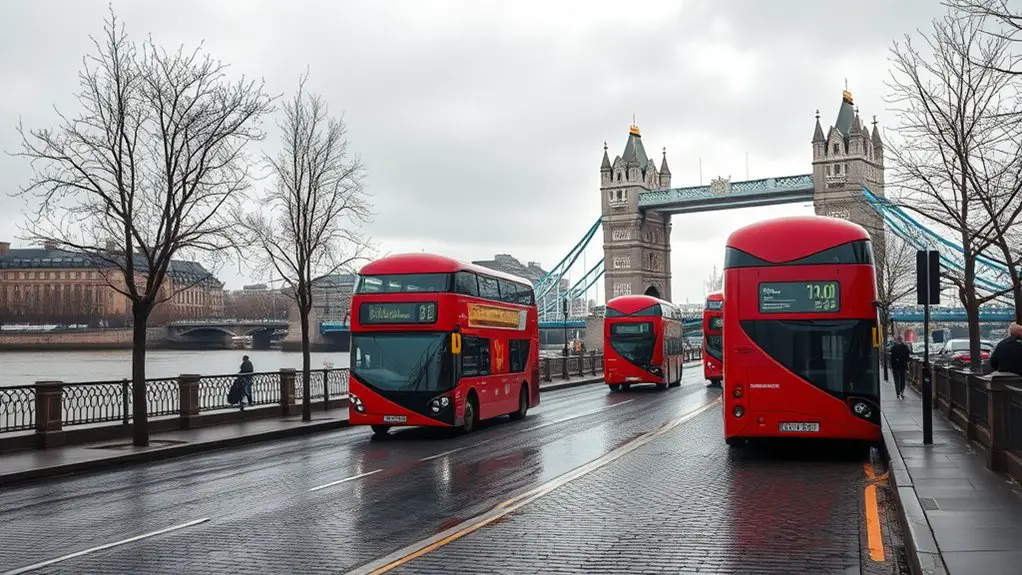
London in winter mixes famous landmarks, festive lights, theatre, museums, markets and cozy places to escape the cold. December is the most festive and often the busiest part of the season, while January and February are usually quieter. Expect cool, changeable weather rather than constant snow, and plan each day with both outdoor and indoor options.
Quick Answer
London is worth visiting in winter for Christmas lights, seasonal markets, ice skating, museums, theatre and atmospheric evening walks. December offers the fullest festive experience, while January and February are generally calmer. Pack layers and waterproof outerwear, expect rain more often than snow, and check event dates and transport before travelling.
Key Takeaways
- December is best for Christmas lights, markets and festive events, but it can also be busy.
- January and February are generally quieter and better suited to museums, theatre, pubs, winter walks and lower-demand travel periods.
- London winters are usually cool and damp rather than continuously snowy, so waterproof clothing is more useful than heavy snow gear.
- Somerset House has confirmed skating from November 11, 2026 to January 10, 2027, while Christmas at Kew runs on selected dates from November 13, 2026 to January 3, 2027.
- Seasonal events and holiday transport change each year, so check official websites shortly before your visit.
Disclosure: As an Amazon Associate I earn from qualifying purchases. Some links on this page are affiliate links, at no extra cost to you.
London Winter Weather: What to Expect
Meteorological winter in the UK runs from December through February. London is cold compared with autumn, but its maritime climate means long periods of deep snow are not the norm.
Met Office 1991–2020 averages for Heathrow show average daily highs of about 8.8°C (47.8°F) in December, 8.4°C (47.2°F) in January and 9.0°C (48.2°F) in February. Average nighttime lows are around 2.7–3.1°C (36.8–37.6°F).
London’s typical winter challenge is cool, damp and changeable weather—not weeks of deep snow.
| Month | What It Feels Like | Best For |
|---|---|---|
| December | Cold, short days, festive and often busy | Christmas lights, markets, skating and seasonal shows |
| January | Cold and generally quieter after New Year | Museums, theatre, pubs and less-crowded sightseeing |
| February | Still wintry, with gradually increasing daylight | Indoor attractions, winter walks and cultural activities |
Note: Snow can fall in London, but it is not dependable. Do not plan a trip around seeing snow-covered landmarks. Rain, wet pavements, cloud and occasional frost are much more practical conditions to prepare for.
Iconic London Landmarks in Winter
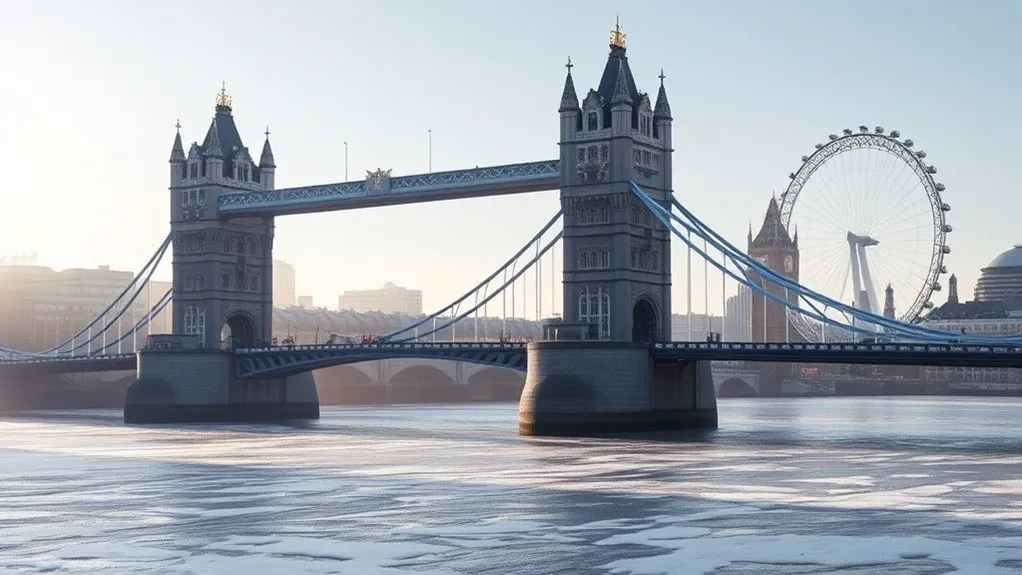
London’s major landmarks take on a different character during winter because daylight fades earlier and many buildings are illuminated before the evening is far advanced.
Big Ben and the Palace of Westminster, Tower Bridge, St Paul’s Cathedral, Buckingham Palace and the South Bank can all work well in a winter itinerary. Wet streets and the River Thames often reflect city lights, creating attractive evening views even when there is no snow.
Winter crowd levels depend heavily on when you visit. Central London can be extremely lively during December’s shopping and festive period. January and much of February are generally quieter, making those months better choices if your priority is sightseeing rather than Christmas events.
Pro Tip: Combine outdoor landmarks with a nearby indoor attraction. For example, pair Westminster with a museum or gallery, or walk the South Bank before heading inside for a performance or meal. This gives you an easy fallback when rain arrives.
Festive Markets and Holiday Events
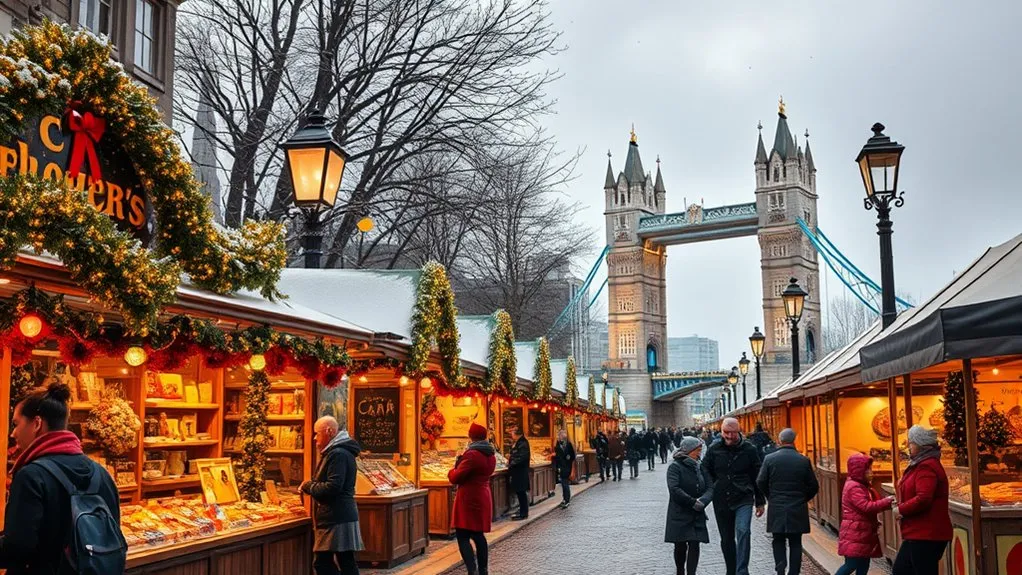
London’s Christmas markets and seasonal attractions are concentrated mainly from November through late December or early January. They are a major reason to visit in December, but they should not be treated as all-winter attractions.
| Market or Event | Highlights | 2026–27 Planning Note |
|---|---|---|
| Hyde Park Winter Wonderland | Rides, entertainment, food, skating and festive attractions | Officially confirmed to return November 2026–January 2027; check the official calendar for final dates and tickets. |
| Southbank Centre Winter Season | Winter Market, food, riverside setting and seasonal cultural events | Annual winter programme; verify specific 2026 market dates before travelling. |
| Leicester Square | Central West End festive pop-ups, entertainment and seasonal activities | Offerings change by year, so confirm the current programme before building a trip around it. |
| Greenwich Market | Crafts, food and independent traders | A year-round market that gains a more seasonal atmosphere around Christmas. |
For another major festive experience, Christmas at Kew runs on selected dates from November 13, 2026 to January 3, 2027. The illuminated trail is ticketed and popular dates can sell well in advance.
Note: If your trip is in mid-January or February, do not expect the full Christmas programme. Many festive markets, skating rinks and light trails finish during the first days or weeks of January.
Seasonal Shopping Destinations
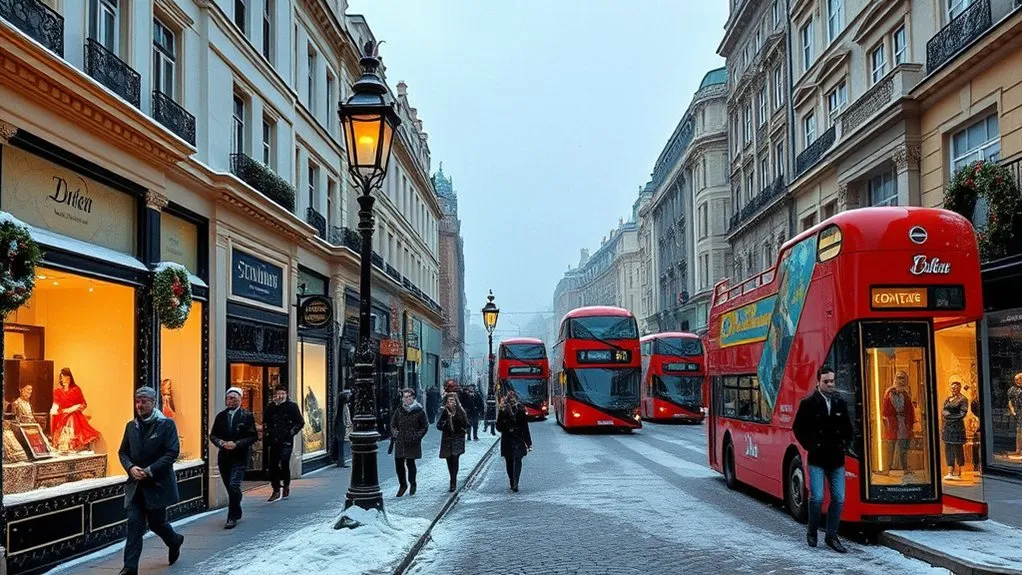
London’s main shopping districts become especially busy in the run-up to Christmas. Oxford Street and Regent Street are known for large stores and seasonal displays, while Covent Garden combines shops, restaurants, historic market buildings and festive decorations.
Harrods and Harvey Nichols in Knightsbridge are popular for luxury shopping and elaborate seasonal displays. Smaller streets and markets can offer a more relaxed alternative to the busiest retail corridors.
If shopping is important to your trip, visit earlier in the day and avoid assuming that December will offer low winter crowds. The period around Christmas can be one of central London’s busiest times.
After Christmas, January sales provide a different shopping experience, and the city generally loses some of December’s festive congestion.
Winter Activities and Outdoor Experiences
Outdoor winter activities work best when you stay flexible. A clear, crisp afternoon can be excellent for walking, while rain or strong wind may make an indoor plan more appealing.
Skate at Somerset House is confirmed for November 11, 2026 through January 10, 2027. Its courtyard rink is one of London’s established seasonal skating experiences.
The Natural History Museum should no longer appear on a list of London skating venues. The museum confirms that its former ice rink has permanently closed, and the area has been transformed into gardens for wildlife and visitors.
Walking remains one of the simplest winter activities. Try the Thames Path through central London, Hyde Park, St James’s Park or a route across the South Bank. Short winter days make it easy to combine an afternoon walk with illuminated landmarks after sunset.
River sightseeing can also work in winter, but schedules vary by operator and poor conditions may affect services. Check the day’s timetable rather than assuming a summer-level schedule.
Warning: Wet leaves, stone steps, bridges and pavements can become slippery during cold or icy weather. Wear shoes with reliable grip, follow Met Office warnings and change outdoor plans when conditions deteriorate.
Indoor Things to Do on Cold or Rainy Days
Winter weather does not need to stop a London sightseeing day. The city has enough indoor attractions to build an entire itinerary without spending long outside.
- Explore major museums and galleries, including the British Museum, National Gallery, Tate Modern or Natural History Museum.
- Book a West End play or musical for an afternoon or evening.
- Visit historic interiors such as churches, palaces or museum houses.
- Spend time in covered markets, cafés, restaurants or traditional pubs.
- Use a rainy period for shopping, then return outside if conditions improve.
The best winter itineraries avoid stacking several long outdoor activities back to back. Instead, alternate between outdoor sightseeing and indoor stops where you can warm up and dry off.
Cozy Pubs and Warm Dining Spots
London’s pubs and restaurants provide a welcome break during a cold sightseeing day. Traditional pubs may offer ales, pies, roasts, stews and other substantial dishes, while London’s restaurant scene provides almost every type of international comfort food.
Atmosphere varies enormously. Some pubs retain historic interiors and fireplaces, while others are modern gastropubs. Around Christmas, central locations can be busy with office gatherings and seasonal celebrations, so reservations are useful for a planned evening meal.
A practical winter routine is to schedule lunch or an early dinner after your longest outdoor sightseeing block. You get a chance to warm up, recharge devices and decide whether the weather is suitable for more walking.
Cultural Events and Performances
Winter is one of London’s strongest seasons for indoor culture. West End theatre runs throughout the season, while concert halls, dance companies, museums and galleries maintain substantial programmes.
| Event Type | What to Look For | Planning Advice |
|---|---|---|
| Theatre | West End musicals, plays and seasonal pantomimes | Book popular December performances early. |
| Classical Music | Orchestral, choral and seasonal concerts | Check the venue’s current winter programme. |
| Museums and Galleries | Permanent collections and temporary exhibitions | Excellent bad-weather option; temporary shows may require tickets. |
| Ballet and Dance | Classical and contemporary winter productions | Schedules change each season. |
| Light Trails and Festivals | Seasonal illuminated installations | Many run only in November, December or early January. |
December vs. January and February
The best winter month depends on what you want from London.
Visiting London in December
Choose December if your priority is Christmas atmosphere. Lights, markets, seasonal shows, decorated shopping areas and winter attractions are at their peak. The trade-off is higher demand around popular events and busy central shopping districts.
Visiting London in January
Early January retains a few festive attractions, but most Christmas events soon close. The rest of the month is better for museums, theatre, restaurants and major landmarks with fewer festive crowds. Visit London’s seasonal guidance notes that January and February are generally quieter periods and can offer better-value accommodation and attraction deals outside school holidays.
Visiting London in February
February remains cool but daylight gradually increases. It suits travelers who care more about culture and sightseeing than Christmas. The February school half-term can increase family demand, so check UK school-holiday timing when booking.
Tips for Visiting London in Cold Weather
Layering is more useful than relying on one extremely heavy coat. London frequently shifts between chilly streets, heated museums, shops, trains and restaurants.
- Base layer: A comfortable shirt or thermal layer for colder days.
- Mid layer: Sweater, fleece or similar insulation.
- Outer layer: A wind-resistant, waterproof or water-resistant coat.
- Accessories: Gloves, scarf and a warm hat when temperatures drop.
- Footwear: Comfortable, water-resistant shoes with dependable grip.
- Rain protection: A hood or compact umbrella, although umbrellas can be awkward in strong wind.
Stay hydrated even when the weather is cool. Alcohol is not a substitute for warmth: it can produce a temporary warm sensation while contributing to heat loss and impaired judgment in genuinely cold conditions.
Pro Tip: Carry a small day bag with gloves, a spare dry layer, portable phone charger and water. Winter sightseeing often involves repeatedly moving between warm indoor spaces and cold, wet streets.
Winter Transport and Booking Tips
The London Underground, buses, Elizabeth line, London Overground and rail services make most winter sightseeing straightforward, but winter does not guarantee normal service.
Planned engineering work, major events, strikes and bad weather can all alter journeys. Holiday schedules around Christmas and New Year also vary from the normal timetable.
Use Transport for London’s current status and planned-works information before important journeys, particularly between Christmas Eve and New Year’s Day.
For ticketed winter attractions, reserve high-demand dates rather than assuming walk-up availability. This is especially useful for evening light trails, skating and popular December performances.
Note: Seasonal schedules are often published in stages. If exact dates for your chosen 2026–27 event are not yet on its official website, wait for the organizer’s announcement rather than relying on the previous year’s timetable.
Capturing the Magic: Winter Photography in London
London’s winter photography appeal comes more reliably from low-angle light, early evenings, festive illumination, mist and reflections than from snow.
Carry basic rain protection for your camera or phone, keep a lens cloth handy and use the city’s changing weather rather than waiting for perfect blue skies.
Winter Cityscapes and Lights
Wet pavements can reflect lamps and illuminated buildings, while the River Thames provides wider reflections of bridges and skyline landmarks. Twilight is particularly useful because some ambient light remains in the sky while architectural lighting is already visible.
| Landmark | Useful Winter Condition | Photo Idea |
|---|---|---|
| Tower Bridge | Blue hour or clear evening | Frame the illuminated bridge with Thames reflections. |
| The Shard | Low cloud, mist or twilight | Use weather around the upper floors for atmosphere. |
| Big Ben | Early evening | Photograph the illuminated clock tower from across the Thames. |
| London Eye | After sunset | Use a riverside viewpoint for skyline context. |
| St Paul’s Cathedral | Mist, rain-cleared streets or twilight | Use nearby streets or Millennium Bridge as leading lines. |
If frost or snow happens during your visit, treat it as an unexpected bonus rather than a required part of your photography plan.
Capturing Seasonal Atmosphere
Early mornings can provide quieter streets, while twilight combines the last natural light with shop windows and architectural illumination. During the Christmas period, decorations add another layer of color.
Wide-angle compositions work well for Tower Bridge, Westminster and the South Bank, but smaller details can tell a stronger winter story: steaming café windows, umbrellas, reflections, market stalls, bare trees or people wrapped in coats.
Candid photographs of winter activity can add warmth and scale, but respect people’s privacy and avoid obstructing busy pavements while taking pictures.
Frequently Asked Questions
What are the best hidden gems to explore during winter in London?
Smaller museums, historic houses, covered markets and quieter parks work especially well in winter. Leighton House, Hampstead’s garden and pergola area, and less-crowded neighborhood galleries can provide a change from the major central attractions. Check current opening hours before travelling because smaller sites may operate reduced winter schedules.
How do transportation options change in winter compared with other seasons?
London’s core public transport continues through winter, but planned engineering work, holiday timetables and severe weather can change individual services. Check TfL’s live status before important journeys, especially during Christmas and New Year.
Are there any specific safety tips for winter outdoor activities?
Wear weather-resistant layers and shoes with good grip, stay dry, and watch for slippery steps or pavements during frost or ice. Check the forecast before long outdoor activities and move indoors if conditions become uncomfortable or unsafe.
Which local traditions or events are unique to London winters?
Popular seasonal experiences include Hyde Park Winter Wonderland, Skate at Somerset House, Christmas at Kew, festive West End entertainment and elaborate Christmas-light displays. Most are concentrated between November and early January rather than lasting all winter.
How does winter weather affect tourist-attraction opening hours?
Normal cold or rain usually does not close London’s major indoor attractions, but holiday closures, maintenance and severe weather can affect opening hours. Check each attraction’s official website before visiting, particularly around December 24–26 and New Year’s Day.
Does it snow in London during winter?
Yes, London can receive snow or wintry showers, but persistent snow is uncommon and snowfall may melt quickly. Plan for cold and wet weather rather than assuming streets and landmarks will be covered in snow.
Is London worth visiting in January or February?
Yes. January and February lack much of December’s Christmas atmosphere, but they are generally quieter and remain excellent for museums, galleries, theatre, restaurants, historic attractions and winter walks. They can also offer better-value travel periods outside school holidays.
Conclusion
London in winter can be one of the city’s most atmospheric seasons, but the experience changes significantly between December and February. Visit in December for Christmas markets, lights, skating and seasonal events; choose January or February for a quieter trip focused on museums, theatre, food and sightseeing.
Prepare for cool, wet and changeable conditions rather than counting on snow. Pack layers and waterproof outerwear, mix outdoor landmarks with indoor attractions, and check official event and transport information shortly before travelling. With that flexibility, London’s shorter winter days can become an advantage rather than a limitation.
Sources
- Met Office — Heathrow long-term climate averages — supports winter temperature, rainfall and frost context.
- Visit London — London in winter — supports seasonal planning and winter activity guidance.
- Somerset House — Skate at Somerset House — confirms the November 11, 2026 to January 10, 2027 skating season.
- Hyde Park Winter Wonderland — confirms the attraction’s November 2026 to January 2027 return.
- Royal Botanic Gardens, Kew — Christmas at Kew — confirms the 2026 festive light-trail dates.
- Transport for London — Status updates — official source for service changes, closures and journey planning.
