Last Updated on July 27, 2026 by Daniel Globe
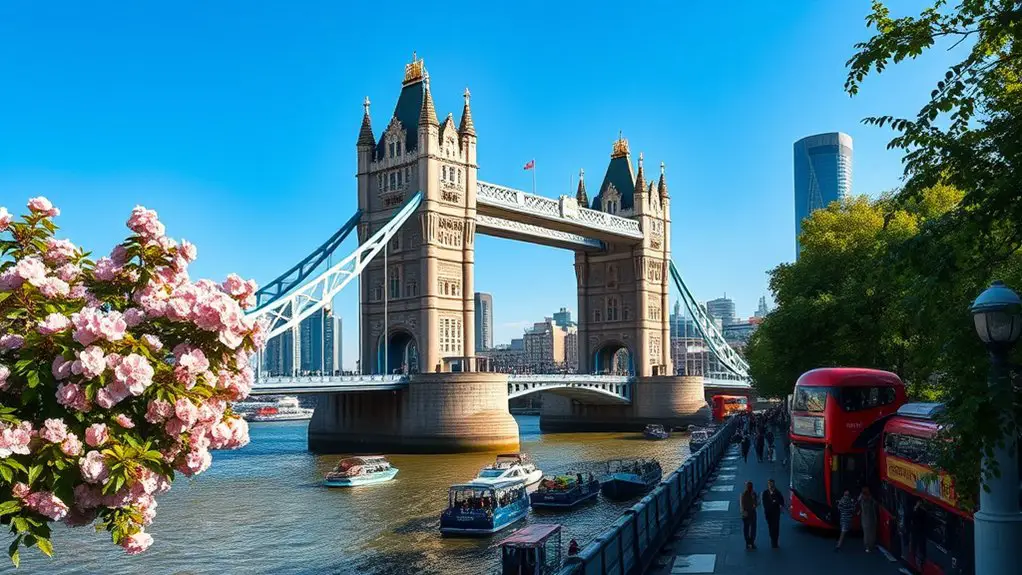
July is one of London’s busiest and most energetic months, combining long summer evenings with major sporting events, open-air theatre, concerts, markets and seasonal attraction openings. It is also peak visitor season, so the best trip combines advance bookings for headline sights with flexible time for parks, neighborhoods and food markets.
Quick Answer
July is a great time to visit London for Wimbledon, Pride, outdoor concerts, open-air theatre, parks and the Buckingham Palace summer opening. Typical July days are mild to warm, but rain is still possible. Book major attractions early, pack light layers and a rain jacket, and check event-day transport before travelling.
Key Takeaways
- July combines major events with long evenings, making it one of the best months for outdoor sightseeing and entertainment.
- For 2026, major dates include Wimbledon through July 12, Pride in London on July 4 and Somerset House Summer Series from July 16 to 26.
- Met Office climate normals for Heathrow put the average July maximum near 24°C (75°F), but showers and hotter spells are both possible.
- Popular attractions and event days can be crowded, so reserve timed-entry tickets and check transport updates before leaving your hotel.
- Notting Hill Carnival is not a July event. In 2026, the main carnival takes place on August 30 and 31.
Disclosure: As an Amazon Associate I earn from qualifying purchases. Some links on this page are affiliate links, at no extra cost to you.
Experiencing the Summer Festivals in London
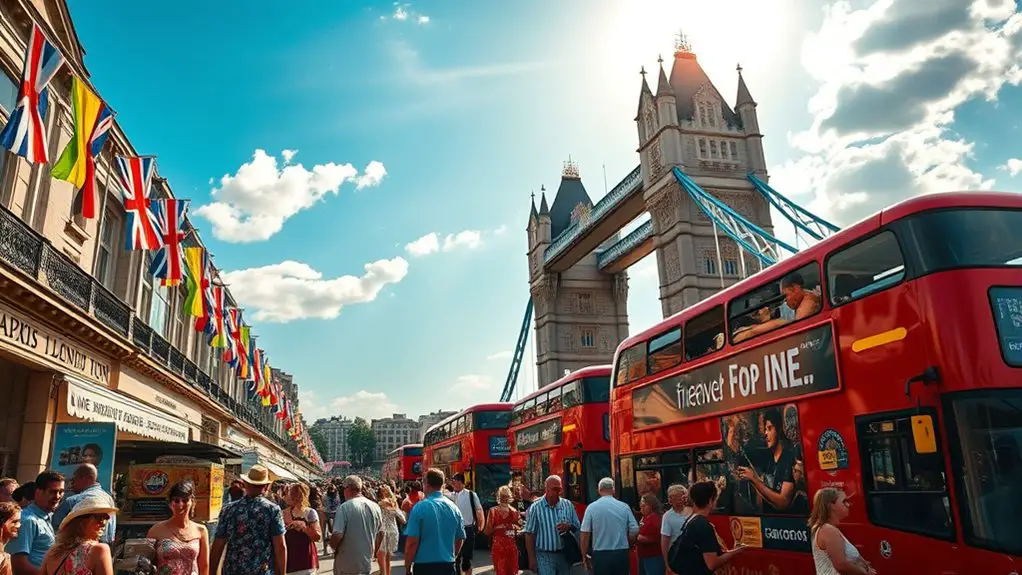
July has one of London’s strongest event calendars, but dates change from year to year. For a 2026 visit, several major events fall within the month.
| 2026 Event | Dates | Why Go |
|---|---|---|
| Wimbledon | June 29–July 12 | World-class tennis and a classic London summer atmosphere. |
| Pride in London | July 4 | Central London parade, performances and community events. |
| BST Hyde Park | Selected dates through July 12 | Large outdoor headline concerts in Hyde Park. |
| Buckingham Palace State Rooms | From July 9 | Seasonal public access to the State Rooms. |
| Somerset House Summer Series | July 16–26 | Eleven nights of outdoor concerts in the historic courtyard. |
| BBC Proms | From July 18 | A major classical-music season led by performances at the Royal Albert Hall. |
For the latest dates, use the official Visit London July guide and each event organizer’s website before buying tickets.
Note: Notting Hill Carnival is often associated with London’s summer festival season, but it is not a July event. The main 2026 carnival takes place on Sunday, August 30 and Monday, August 31.
Beyond the headline events, July brings smaller neighborhood festivals, exhibitions, live performances and food events across the capital. Some are free, while others need timed or ticketed entry, so check dates before building your itinerary around a specific event.
Exploring Open-Air Concerts and Performances
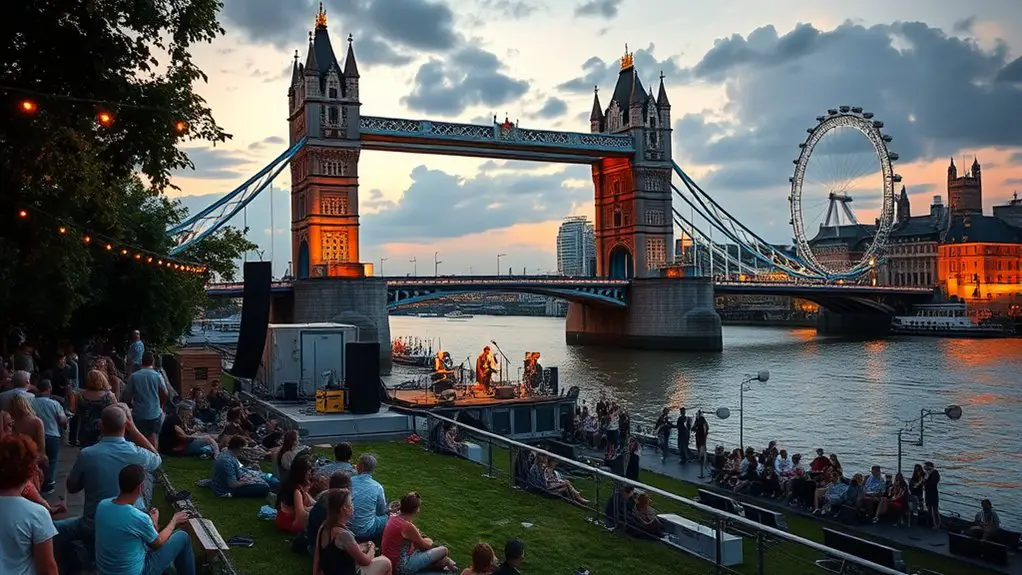
London’s July arts calendar makes good use of courtyards, parks and riverside spaces. The key is to distinguish true outdoor venues from indoor summer programmes.
Somerset House and Regent’s Park
Somerset House Summer Series runs from July 16 to 26 in 2026, bringing live music into the Edmond J. Safra Fountain Court. The historic architecture around the courtyard gives the concerts a very different atmosphere from an arena show.
For theatre, Regent’s Park Open Air Theatre is one of the city’s established summer venues. In July 2026, A Midsummer Night’s Dream runs through July 18, followed by CATS from July 25.
Pro Tip: Outdoor performances continue after sunset and London weather can change quickly. Take a light waterproof layer even when the afternoon forecast looks dry.
Summer Music Festivals
BST Hyde Park is one of the largest outdoor music events early in the month. Its 2026 concert dates include July 3, 4, 5, 10, 11 and 12. These shows can affect movement around Hyde Park and nearby streets, so allow extra travel time even if you are not attending.
Later in the month, Somerset House provides a more compact courtyard setting. Southbank Centre also runs summer programming along the Thames, with free installations and selected outdoor activity on and around its Riverside Terrace.
Smaller Outdoor Arts Experiences
You do not need a stadium-size concert to enjoy London’s summer arts scene. Courtyard performances, riverside programmes and open-air theatre can give you a more relaxed experience while still making the most of July’s long evenings.
The Royal Albert Hall is another major summer music destination, but it should not be confused with an outdoor venue. The BBC Proms begin on July 18 in 2026, making the hall a useful cultural option when the weather turns wet.
Visiting Iconic Landmarks in the Warm Weather
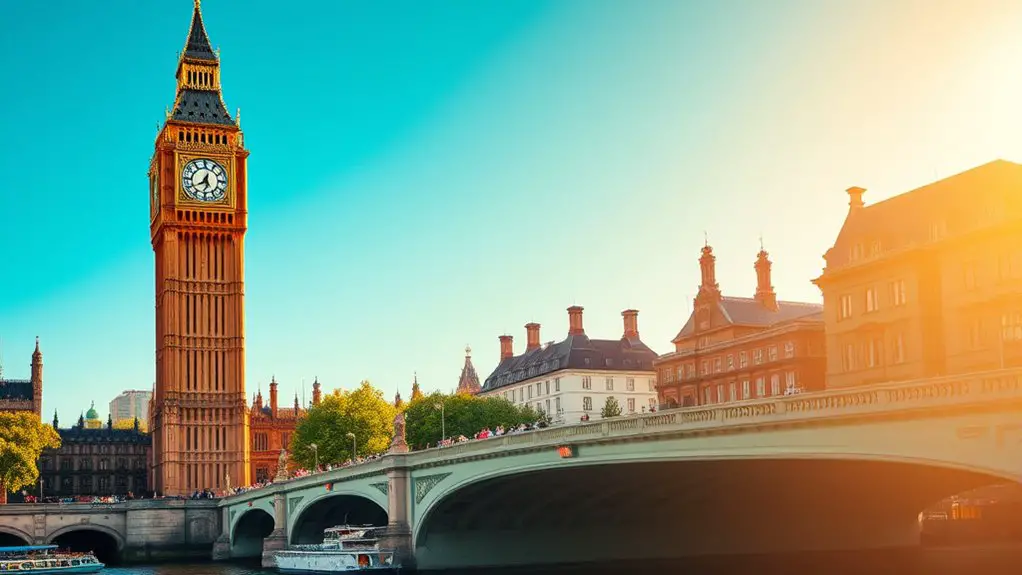
July’s longer days make it easier to combine several landmarks without rushing. A walk along the Thames can connect the Tower of London, Tower Bridge, the South Bank, Westminster and riverside viewpoints.
If you want to go inside Elizabeth Tower, the official Big Ben tour is a specific guided experience rather than a casual viewpoint. The standard visit requires climbing 334 steps on a narrow spiral staircase, lasts up to 90 minutes and is available to visitors aged 11 and over who can manage the physical demands.
Westminster Abbey is a separate historic attraction and should be planned as its own visit. For broad skyline views, the London Eye is a more straightforward sightseeing option.
Buckingham Palace becomes especially relevant during its annual summer opening. In 2026, the State Rooms opened to visitors on July 9, giving July travelers access to spaces that are not open year-round. Check the Royal Collection Trust before visiting because opening arrangements can change each year.
Indoor attractions are also valuable on hot or rainy afternoons. The British Museum’s Great Court is covered, while museums and galleries throughout the city give you an easy weather backup without abandoning your sightseeing plans.
Warning: Do not schedule a strenuous attraction such as the Big Ben climb immediately after hours of walking in hot weather. Check the tour’s accessibility and fitness requirements before buying tickets.
Enjoying the Vibrant Markets and Street Fairs
London’s markets are good places to combine lunch, shopping and neighborhood sightseeing, but they have different schedules and personalities.
Borough Market is particularly strong for produce, specialty foods and prepared dishes. Its regular schedule currently runs Tuesday through Sunday, with Monday normally closed.
Camden Market operates seven days a week and mixes street food, independent shops, fashion and souvenirs. Individual businesses can keep slightly different hours.
Portobello Road Market changes character during the week. Friday and especially Saturday bring the broadest market activity, including antiques, vintage goods, fashion and food. Visiting earlier in the day usually makes browsing easier before the busiest crowds arrive.
Pro Tip: Pair markets with nearby attractions instead of crossing London only for lunch. Borough Market works naturally with the South Bank and Tower Bridge, while Camden pairs well with Regent’s Park.
Discovering Beautiful Parks and Gardens
July is an ideal month to build green space into your itinerary. Parks give you somewhere to slow down between crowded attractions, while London’s larger gardens can easily fill half a day.
Serene Green Spaces
Hyde Park, Regent’s Park, St James’s Park, Hampstead Heath and Kew Gardens offer very different experiences, from central lawns and formal flower beds to woodland, viewpoints and botanical collections.
| Space | Atmosphere | Good For |
|---|---|---|
| Hyde Park | Large and lively | Walking, picnics and boating |
| Regent’s Park | Formal and scenic | Rose gardens, walking and open-air theatre |
| Kew Gardens | Botanical and expansive | Plant collections, exhibitions and family activities |
| St James’s Park | Central and historic | Short walks near Westminster and Buckingham Palace |
| Hampstead Heath | Wild and spacious | Longer walks, viewpoints and a break from central London |
Kew is especially strong for a longer summer visit. Its 2026 July programme includes outdoor art, family programming and extended seasonal opening hours. Check Kew’s official July listings before travelling.
Hidden Garden Gems
Smaller gardens can provide a quieter alternative when central parks feel busy. Kyoto Garden in Holland Park is a compact Japanese-style garden with carefully landscaped planting, water features and shaded areas.
Queen Mary’s Gardens in Regent’s Park is another good choice when you want formal planting without spending a full day at a botanical garden. These spaces work best as short pauses between larger attractions rather than destinations that require an entire itinerary block.
Participating in Outdoor Sports and Activities
July makes it easy to stay active without leaving central London. Walking and cycling are often the simplest options, especially when two attractions are close enough that taking the Tube would save little time.
For an activity on the water, choose an established recreational venue rather than treating the tidal Thames as a casual paddleboarding area. The Royal Parks offers summer boating at several parks, including rowboats and pedalos on the Serpentine in Hyde Park.
You can also find tennis, running routes and other organised activities in the Royal Parks. If swimming is part of your plan, use a designated facility and check its current status before entering the water.
The Royal Parks’ boating information is a useful place to check current availability.
Attending Cultural Events and Parades
For July 2026, Pride in London is the major parade date to know. The event takes place on Saturday, July 4, with the parade travelling through central London and associated stages and celebrations drawing large crowds.
Because central streets and bus routes can be affected, plan the day around the event rather than expecting to cross the parade route quickly. The official Pride in London information includes current route and participation details.
Southbank Centre also has a strong summer cultural programme. In late July 2026, its programme includes free installations and Riverside Terrace events, giving you options that do not require committing to an all-day festival.
Note: Travelers specifically hoping to see Notting Hill Carnival should plan an August visit. The main 2026 carnival falls on August 30 and 31, not in July.
Savoring Seasonal Food and Drink Offerings
July suits relaxed meals, market lunches and picnics because you can spend more of the day outdoors. Fresh fruit, salads, cold drinks and lighter dishes are easy to find, but London’s food scene is international enough that you do not need to limit yourself to stereotypical “summer” food.
| Food or Drink | Where to Look | Why It Works in July |
|---|---|---|
| Seasonal berries and fruit | Food markets and greengrocers | Easy snack for parks and warm sightseeing days |
| Market lunch or street food | Borough and Camden | Lets everyone choose a different cuisine |
| Iced coffee or cold soft drinks | Cafés, markets and riverside areas | Convenient break during a warm afternoon |
For a picnic, buy food shortly before entering a park rather than carrying it through several attractions. Many museums and historic sites restrict where food can be eaten.
Making the Most of Longer Daylight Hours
London stays light well into the evening in July, giving you more flexibility than a winter visit. Use the morning for attractions that become crowded, then slow the pace later with parks, riverside walks or an outdoor performance.
The South Bank is particularly good in the early evening because you can walk beside the Thames while passing restaurants, cultural venues and views toward Westminster and the City.
Hyde Park and Regent’s Park also work well as late-day stops. If your evening includes a ticketed performance, leave enough time to eat beforehand rather than depending on finding a table beside the venue immediately before showtime.
London July Weather and What to Pack
London is usually mild to warm in July rather than consistently hot. At Heathrow, the Met Office’s 1991–2020 climate averages show a July maximum of about 23.9°C (75°F) and a minimum of about 14.2°C (58°F). Average July rainfall is about 45.8 mm, spread across roughly 7.9 days with at least 1 mm of rain.
London’s long-term July average is close to 24°C (75°F) by day, but rain remains normal enough that a light waterproof layer belongs in your bag.
You do not need heavy winter clothing, but you should not pack as though every day will be hot and dry. Useful items include:
- Comfortable walking shoes.
- Lightweight tops and breathable clothing.
- A thin sweater or light layer for evenings.
- A compact rain jacket or umbrella.
- Sunglasses, sunscreen and a reusable water bottle.
- A small day bag that is comfortable on public transport.
Check the short-range forecast shortly before your trip rather than relying only on climate averages. Heatwaves and cool, wet spells can both occur.
See the Met Office Heathrow climate averages for the underlying long-term data.
Crowds, Booking and Transport Tips
July is peak season, and major events can make specific neighborhoods far busier than normal. Wimbledon affects southwest London early in the month, BST draws large crowds to Hyde Park, and Pride can change road and bus access across central London.
Reserve attractions with limited capacity before arriving, especially Buckingham Palace, popular theatre performances, Big Ben tours and other timed-entry experiences. For museums with free admission, going near opening time can still reduce queues.
Use Transport for London’s official journey-planning tools on the day you travel. The TfL travel tools provide current network status, planned closures, live information and access to the TfL Go app.
Pro Tip: Do not overfill every day. In July, two major timed attractions plus one flexible neighborhood, park or market often makes a better day than trying to cross London for five headline sights.
Frequently Asked Questions
What are the best hidden spots to enjoy London in July?
Try smaller green spaces such as Kyoto Garden in Holland Park, Queen Mary’s Gardens in Regent’s Park or quieter sections of Hampstead Heath. Riverside walks early in the morning can also feel much calmer than the main tourist areas later in the day.
How do I avoid crowds at popular July attractions?
Book timed tickets before your trip, visit major sights close to opening time and avoid crossing areas affected by large events at their busiest periods. Weekday mornings are often easier than weekend afternoons, although July is busy throughout the month.
Are there specific family activities in London in July?
Yes. Parks, boating, museums and open-air attractions are strong choices. Kew Gardens also runs seasonal family programming; in 2026, Tom Gates EPIC Adventure runs from July 18 through August 31 and is included with standard garden admission.
What is the weather usually like in London during July?
Met Office 1991–2020 averages for Heathrow show a July average maximum near 23.9°C (75°F) and an average minimum near 14.2°C (58°F). Rain is still possible, so bring light layers and a compact waterproof jacket.
How can I experience local culture in July?
Combine major events with neighborhood experiences. Pride, Southbank programming, markets, open-air theatre and local food areas give you a broader picture of London than spending every day only at famous landmarks.
Is Notting Hill Carnival in July?
No. Notting Hill Carnival takes place over the late-August bank-holiday period. In 2026, the main carnival is on August 30 and 31, with the Panorama steel-band competition on August 29.
Is July a good time to visit London?
Yes, especially if you value long evenings, outdoor events and parks. The trade-off is heavier crowds and higher demand for popular attractions, so July works best when you book important tickets early and leave some flexible time in your schedule.
Conclusion
July gives you London at its most active: major sports, concerts, Pride, open-air theatre, busy markets, green parks and long evenings all compete for space in the same trip. The month is also popular, so the best approach is to book your must-see attractions first and keep the rest of each day flexible. Pack for both sunshine and rain, check event-day transport, and balance famous landmarks with parks and neighborhoods for a more enjoyable summer visit.
Sources
- Met Office — Heathrow climate averages — July temperature, rainfall and sunshine climate normals.
- Visit London — London in July 2026 — current July event dates and seasonal highlights.
- Pride in London — official 2026 Pride parade information.
- Somerset House Summer Series — official July 2026 concert dates.
- Royal Collection Trust — Buckingham Palace 2026 summer opening.
- UK Parliament — Big Ben Tours — official tour format, stair count, age requirement and booking information.