
Last Updated on July 27, 2026 by Daniel Globe
January in London is quieter than the festive weeks that come before it, but the city is far from dormant. Cold weather, short daylight hours, winter sales, major museums and a changing calendar of January events can make it a rewarding time to visit. The key is to plan for rain, mix outdoor sightseeing with indoor stops and check seasonal opening dates before you go.
Quick Answer
January is one of London’s quieter, colder months, with typical temperatures around 2°C to 7°C (36°F to 45°F), short daylight hours, winter sales, free museums and major events such as the New Year’s Day Parade. Pack waterproof layers, schedule outdoor sightseeing during daylight and keep indoor attractions ready for wet periods.
Key Takeaways
- Typical January temperatures are around 2°C to 7°C (36°F to 45°F), so layers and a waterproof outer layer are useful.
- January is generally quieter than the festive period and can offer better-value accommodation and attraction deals.
- Many leading museums have free general admission, although special exhibitions and some experiences cost extra.
- Many winter sales begin just after Christmas and continue into roughly the middle of January.
- Event dates change yearly, so check the official organizer before planning a trip around a festival, ice rink or seasonal attraction.
Disclosure: As an Amazon Associate I earn from qualifying purchases. Some links on this page are affiliate links, at no extra cost to you.
London Weather in January: Temperature, Rain and Snow
London in January is cold, damp and changeable rather than reliably snowy. According to Visit London’s January guide, typical temperatures range from about 2°C to 7°C (36°F to 45°F). Rain is common enough that a waterproof coat is more useful than planning primarily for snow.
Snow can fall in London, but it is not a normal daily feature of winter. Visit London’s weather guidance notes that temperatures do not often stay below freezing and snow is uncommon, although heavier snowfall occasionally occurs.
Typical January temperatures in London are around 2°C to 7°C (36°F to 45°F), so rain protection and flexible layers usually matter more than heavy snow gear.
What to Pack for London in January
London’s winter weather can change during the day, so flexible clothing works better than one very heavy layer. A practical packing list includes:
- A waterproof or water-resistant coat.
- A sweater, fleece or other warm mid-layer.
- Comfortable water-resistant walking shoes with decent grip.
- A hat, scarf and gloves for colder mornings and evenings.
- A compact umbrella if you do not mind using one in busy streets.
- A small day bag for storing layers when you move indoors.
Warning: Wet leaves, rain and occasional frost can make pavements and station steps slippery. Wear shoes with reasonable traction and take extra care on stairs and escalators in bad weather.
January Daylight and Sightseeing
Daylight is limited in early January. Around the beginning of the month, London receives roughly eight hours of daylight, with sunrise shortly after 8 a.m. and sunset near 4 p.m. Days gradually lengthen as the month continues.
Use the brightest part of the day for parks, river walks, viewpoints and outdoor landmarks. Save museums, galleries, shopping, restaurants and theatre for late afternoon and evening.
Pro Tip: Pair one outdoor area with a nearby indoor attraction. For example, combine a Westminster walk with a museum or gallery later in the day instead of crossing London repeatedly in cold or wet weather.
Embracing the Winter Atmosphere
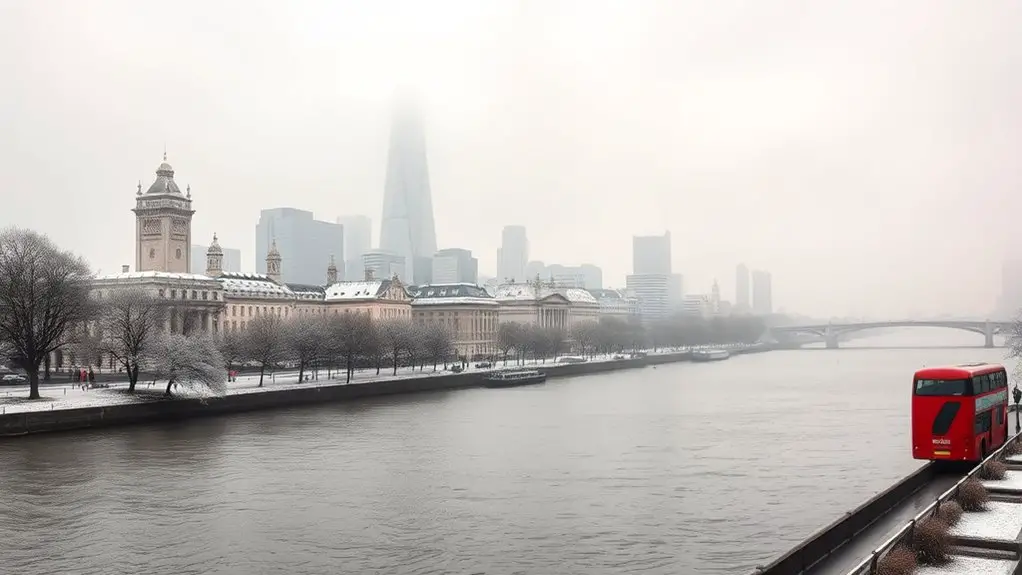
While January in London can be cold and gray, it also offers a different pace from the busiest travel seasons. Bundle up in warm layers and take brisk walks through historic streets, parks and riverside areas.
The crisp air can make an outdoor walk refreshing, especially when rain holds off. Mist or fog can occasionally settle over parts of the city, and frost is possible on colder mornings, but neither should be treated as guaranteed January weather.
Winter light also changes the look of London’s architecture. Low afternoon sun can create long shadows, while early sunsets allow you to see illuminated streets and landmarks without staying out particularly late.
When the cold starts to bite, warm up in a cafe, pub, museum or covered market before continuing. This indoor-outdoor rhythm is one of the easiest ways to enjoy London comfortably in January.
Must-Visit Museums and Galleries
London’s museums and galleries are particularly useful in January because they give you hours of sightseeing without depending on the weather.
At the British Museum, you can see the Rosetta Stone, Egyptian mummies and objects spanning thousands of years of world history. General admission to the permanent collection is free, although advance booking is recommended and special exhibitions may require paid tickets.
Tate Modern is a strong choice for modern and contemporary art and gives you an easy indoor stop on the South Bank. Collection displays are generally free, while some exhibitions require tickets.
The National Gallery in Trafalgar Square has free general admission and works by artists including Botticelli and Van Gogh. Special exhibitions can carry a separate charge.
If science and technology interest you, the Science Museum offers free general admission and a mix of galleries, displays and interactive experiences. Some attractions inside the museum are separately ticketed.
Free admission does not always mean you can arrive at any time without planning. Timed tickets are recommended or required at some institutions, and holiday opening hours can differ around New Year’s Day.
Note: Check the museum’s own website before setting out. Temporary gallery closures, timed-entry rules and paid exhibition schedules can change even when general admission remains free.
Enjoying Seasonal Events and Festivals
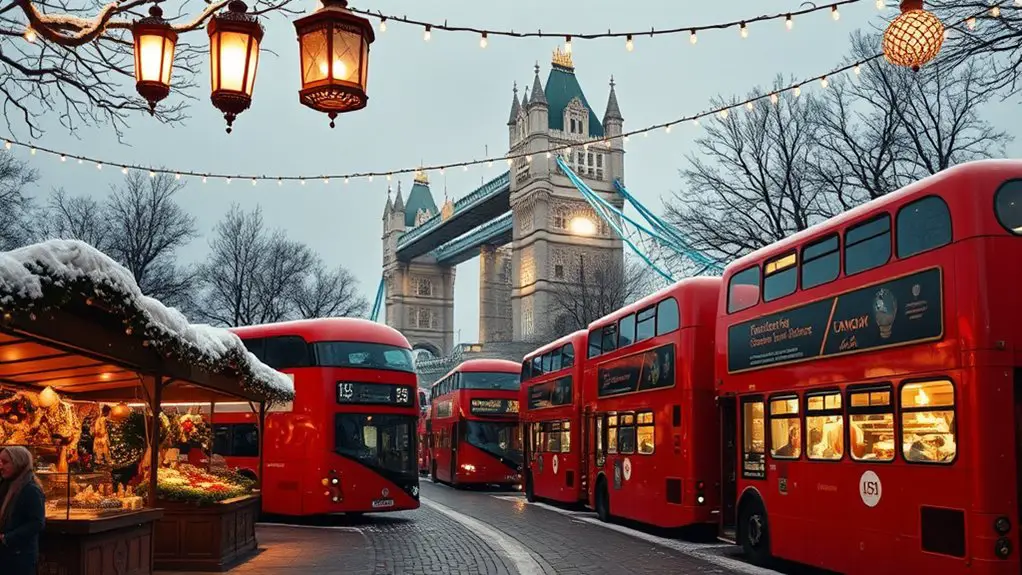
January has several strong annual events, but dates must be checked year by year. The table below uses confirmed or currently published information for the upcoming 2027 season where available.
| Event | Location | Date |
|---|---|---|
| London New Year’s Day Parade | Central London | 1 January 2027 |
| Twelfth Night Celebrations | Various venues | Early January; programming varies yearly |
| London Art Fair | Business Design Centre | 20–24 January 2027; preview 19 January |
| Burns Night | Venues across London | 25 January |
| London Short Film Festival | Various London venues | 22–31 January 2027 |
| Winter Wonderland | Hyde Park | November 2026–January 2027; exact 2026–27 dates to be confirmed |
| Chinese Lunar New Year celebrations and parade | Chinatown, Trafalgar Square and the West End | Not a January event in 2027; Lunar New Year falls on 6 February 2027 |
The New Year’s Day Parade is one of the clearest January-specific highlights, while Burns Night brings Scottish-themed dinners and events to venues across the city later in the month.
London Art Fair is another dependable January fixture. For 2027, the public fair runs from January 20 to 24 at the Business Design Centre, with its preview on January 19.
Winter Wonderland requires more caution when planning. The organizer currently confirms a November 2026 to January 2027 season, but the precise closing date has not yet been published. Do not assume it will operate throughout January.
Lunar New Year is another movable celebration. It sometimes falls in January, but in 2027 Lunar New Year is February 6, so travelers visiting only in January will miss London’s main Lunar New Year festivities that year.
Note: Seasonal dates can change from one year to the next. Recheck the official event website shortly before booking tickets or building an itinerary around a specific festival.
Discovering Cozy Cafes and Restaurants
As you move through London’s streets, cafes, pubs and restaurants make useful breaks from cold or wet weather.
Areas such as Soho, Covent Garden, Bloomsbury and Marylebone give you plenty of options within a compact walking area. Around Borough Market and the South Bank, you can also combine food stops with riverfront sightseeing and nearby cultural attractions.
A traditional British pub is a good place for hearty pies or other warm dishes. Cafes offer an easy break for coffee, tea, pastries or hot chocolate between attractions.
Many venues use seasonal menus during winter, but there is no need to limit yourself to traditional British food. London’s dining scene covers cuisines from across the world, from quick counter-service meals to long evening dinners.
Side streets can hold excellent independent cafes and restaurants, but check current opening hours before making a special journey. January is a quieter period for tourism, and some businesses adjust schedules after the Christmas season.
Shopping and Bargain Hunting in the Sales
January is one of London’s best-known sale periods, although many discounts actually begin before January starts.
According to Visit London’s winter sales guide, many high-street stores start their post-Christmas sales on Boxing Day, December 26, or the following day. Promotions commonly continue until around the middle of January.
Oxford Street, Regent Street, Covent Garden, Westfield London and Westfield Stratford City provide large concentrations of shops. Department stores such as Selfridges and Harrods also commonly run winter promotions, although individual sale dates and stock vary.
Shopping earlier in the sale period generally gives you a larger choice of sizes and products. Waiting until later can sometimes bring deeper reductions, but popular items may already be gone.
Store websites and apps are useful for checking current prices before you cross the city for one retailer. Avoid assuming a product is a bargain simply because it carries a sale label; compare the current price with the retailer’s normal price and other sellers.
Getting Around London in January
The Tube, buses and rail services make it practical to explore London without spending all day outdoors. Ordinary winter rain rarely stops the whole transport system, but severe weather, engineering work or holiday schedules can affect individual routes.
Use the Transport for London Journey Planner before longer journeys, especially around New Year’s Day or during unusually bad weather.
Build a little extra time into journeys when it is raining. Wet station floors and pavements can slow walking, and carrying winter clothing makes busy stations feel more crowded.
Pro Tip: Group attractions by neighborhood. A day centered on South Kensington, Westminster, the South Bank or the West End reduces unnecessary travel and gives you more indoor options if the weather changes.
Staying Safe During a January Visit
Winter itself does not make one London neighborhood automatically safer than another. When choosing accommodation, look for a well-reviewed property with sensible security, straightforward transport connections and a route you would feel comfortable walking after dark.
The Metropolitan Police visitor guidance recommends keeping phones, cameras and luggage secure, watching for pickpockets and choosing hotels carefully.
Busy tourist areas and transport hubs deserve extra attention because distractions make theft easier. Keep your phone away from the edge of the pavement when possible, close bags properly and never leave luggage unattended.
For nights out, use licensed transport and plan the journey back to your accommodation before the last train or Tube service you intend to use.
Frequently Asked Questions
What Are the Best Outdoor Activities to Try in London During January?
Walk along the Thames or South Bank, explore Hyde Park or Regent’s Park, see outdoor landmarks around Westminster, or browse an open-air market when the weather is dry. Schedule longer outdoor walks for the middle of the day, wear waterproof layers and keep a nearby indoor attraction as a backup.
How Does the Weather Typically Affect Travel Plans in January?
Cold temperatures and rain are more likely to affect comfort than major snowfall. Typical January temperatures are around 2°C to 7°C. Keep your schedule flexible, wear water-resistant shoes, allow extra walking time in wet weather and check Transport for London before longer journeys.
Are There Any Unique January-Only Events or Experiences in London?
Yes. The New Year’s Day Parade takes place on January 1, Burns Night is January 25, and events such as London Art Fair are regular January fixtures. Some festive ice rinks and attractions may continue into the first days of January, but their closing dates vary each season.
What Are the Safest Areas to Stay in During the Winter Months?
There is no reliable fixed list of London’s “safest” visitor neighborhoods, and winter does not change that ranking. Popular central areas such as Kensington, Chelsea and Westminster offer extensive visitor services, but choose a hotel based on current reviews, security, transport access and the immediate street environment rather than the neighborhood name alone.
How Can Visitors Make the Most of Shorter Daylight Hours?
Plan parks, river walks, viewpoints and outdoor landmarks between late morning and mid-afternoon. Move museums, galleries, shopping, dining and theatre to late afternoon or evening. Keeping each day’s attractions in the same part of London also reduces time lost traveling.
Does It Snow in London in January?
Snow is possible, but it is not something visitors should expect every January. London’s winter temperatures often stay above freezing during the day. Rain, damp conditions and cold wind are usually more useful to prepare for than deep snow.
Is January a Good Time to Visit London?
January can be an excellent choice if you prefer fewer visitors, museums, winter dining and post-Christmas sales over warm weather and long evenings. The trade-off is colder, wetter weather and shorter daylight, so a flexible indoor-outdoor itinerary works best.
Sources
- Visit London — London in January — January weather, quieter-season context and current January events.
- Visit London — Winter Sales — typical Boxing Day and January sale timing.
- British Museum — Plan Your Visit — free general admission, booking guidance and visitor information.
- Science Museum — Visit — free admission, booking requirements and opening information.
- Hyde Park Winter Wonderland — official 2026–27 seasonal scheduling information.
- Metropolitan Police — How to Stay Safe While Visiting London — hotel, luggage and personal-safety guidance.
Conclusion
Visiting London in January gives you a quieter version of the city, with world-class museums, winter dining, post-Christmas sales and several major seasonal events. The trade-off is cold, wet weather and limited daylight. Pack waterproof layers, plan outdoor sightseeing for the middle of the day and use museums, cafes, shops and evening entertainment when the weather turns. Check official event and transport information shortly before traveling, and January can be a comfortable, flexible and good-value time to experience London.
