
Last Updated on July 27, 2026 by Daniel Globe
A hiking backpack collects dust, mud, sweat, body oils, food crumbs, and trail debris every time you use it. Cleaning that buildup can keep zippers and buckles working smoothly, reduce odors, and help protect the pack’s fabric and coatings. The safest method is usually gentle hand cleaning, but always check your backpack manufacturer’s care instructions before soaking, scrubbing, or applying any cleaner.
Quick Answer
To clean a hiking backpack, empty it completely, shake or vacuum out loose debris, then spot clean it with lukewarm water and a mild soap or technical cleaner approved by the manufacturer. Deep-clean only when needed, rinse away all cleaner, and air-dry the pack completely away from direct heat and strong sunlight.
Key Takeaways
- Check the care label or manufacturer’s instructions before washing or submerging a hiking backpack.
- Use lukewarm water, a soft cloth or brush, and only a mild soap or technical cleaner approved for your pack.
- Avoid machine washing, dryers, bleach, harsh solvents, and aggressive scrubbing unless the pack maker specifically says otherwise.
- Empty and clean pockets, shoulder straps, hipbelts, zipper tracks, buckles, and the interior as well as the outer fabric.
- Let the backpack dry completely in a ventilated area before storing it to reduce odors and mildew risk.
At a Glance
| Time Required | About 15–40 minutes of cleaning, plus enough air-drying time for the pack to become completely dry |
| Difficulty | Easy |
| Tools Needed | Soft brush, sponge or microfiber cloth, vacuum with hose attachment, basin or bathtub if immersion is allowed, towel, and manufacturer-approved soap or technical cleaner |
| Cost | Low; most people already have the basic cleaning tools and only need an appropriate soap or technical pack cleaner |
Disclosure: As an Amazon Associate I earn from qualifying purchases. Some links on this page are affiliate links, at no extra cost to you.
Tips for Cleaning Your Hiking Backpack
The most important cleaning rule is to follow the backpack manufacturer’s instructions. Hiking packs use different fabrics, polyurethane coatings, water-repellent finishes, foams, frames, adhesives, and suspension systems, so a method that is safe for one pack may not be appropriate for another.
REI’s backpack-care guidance recommends checking the manufacturer’s directions first because some packs can be submerged while others should not be. Osprey, Gregory, and Deuter also publish pack-specific cleaning instructions that generally favor gentle hand cleaning instead of a washing machine.
Warning: Do not put a technical hiking backpack in a washing machine or dryer unless its manufacturer specifically says that method is safe. Agitation and heat can damage fabrics, coatings, padding, straps, or the pack’s structure.
After each hike, give the backpack a quick inspection rather than automatically giving it a full wash. Empty food and trash, shake out loose dirt, wipe off fresh mud, and let a damp or sweaty pack dry completely. Treating dirt while it is fresh is usually easier than waiting until it becomes embedded.
Deep cleaning is better reserved for packs with persistent dirt, sweat salts, food spills, stains, or odor, or for a pack that needs cleaning before long-term storage.
Pro Tip: Take a quick photo of the shoulder straps, compression straps, removable pockets, and other adjustable parts before taking anything off. It makes correct reassembly much easier.
Tools and Supplies Needed for Cleaning
You do not need an aggressive household cleaner to wash most hiking backpacks. In fact, simple tools are usually safer.
- Soft nylon-bristled brush or old soft toothbrush
- Clean sponge or microfiber cloth
- Vacuum cleaner with a hose or narrow attachment
- Bathtub, large sink, bucket, or basin if the manufacturer permits immersion
- Lukewarm and cool clean water
- Mild soap, pH-neutral soap, or technical pack cleaner approved by the manufacturer
- Clean towel for blotting excess water
Cleaner recommendations vary by brand. Gregory recommends a damp sponge and mild soap and specifically warns against detergents and solvents. Deuter recommends lukewarm water with pH-neutral soap, while Osprey describes hand washing with mild detergent and also recommends appropriate technical-care products.
Note: Vinegar is often suggested in generic household backpack-cleaning advice, but it should not be treated as a universal cleaner for technical hiking packs. Use the cleaner specified or approved by your backpack manufacturer instead.
How to Clean a Hiking Backpack Step by Step
1. Check the Care Instructions
Read the care label, owner’s manual, or manufacturer’s online cleaning instructions before adding water. Check whether the pack can be immersed and whether any rain cover, frame, hipbelt, harness, or accessory should be removed first.
Do not assume that an internal frame or suspension system should come out. Some manufacturers specifically advise owners not to remove their back systems.
2. Empty Every Compartment
Open every pocket and remove food, wrappers, hydration gear, maps, tools, and other equipment. Turn the pack upside down and gently shake out sand, leaves, and loose dirt.
Check small hipbelt pockets, lid compartments, hydration sleeves, and security pockets. Forgotten crumbs and damp items are common sources of odor.
3. Vacuum Loose Dirt
Use a vacuum hose on low or moderate suction to clean seams, pocket corners, and the bottom of the main compartment. REI specifically recommends vacuuming these hard-to-reach areas during a deeper cleaning.
4. Remove Only Manufacturer-Approved Detachable Parts
If the manufacturer says the hipbelt, shoulder straps, rain cover, frame, or other components are removable for cleaning, take them off and clean them as directed.
Do not force out stays, frames, or suspension parts simply because they appear removable. For example, Deuter advises against removing its back systems without professional assistance.
5. Spot Clean First
Before soaking the whole backpack, use lukewarm water and a small amount of the approved soap or cleaner on dirty spots. Gently work the area with a sponge or soft brush.
Avoid aggressive scrubbing. Gregory notes that excessive brushing can damage protective coatings.
6. Deep Clean Only if Needed and Allowed
If the manufacturer permits immersion, fill a large sink, basin, or bathtub with lukewarm water and the recommended amount of cleaner. Gently work water through the pack, paying particular attention to sweaty shoulder straps, the hipbelt, back panel, pockets, and heavily soiled areas.
Some products should not be submerged. Osprey, for example, says wheeled travel packs with its High Road chassis should be wiped and spot cleaned instead. That is why the manufacturer’s directions take priority over any general method.
7. Rinse Thoroughly
Drain the dirty water and rinse the pack with clean water until no cleaner remains. Pay attention to foam padding, webbing, pockets, and seams because these areas can retain soap.
Do not wring or sharply twist the backpack. Instead, gently press out excess water and blot the surface with a clean towel.
8. Air-Dry Completely
Open all compartments and zippers and let the backpack air-dry in a shaded, well-ventilated place. Keep it away from dryers, radiators, heaters, hair dryers, fires, and other direct heat sources.
Do not store the backpack until the padding, seams, pockets, and interior are completely dry.
Cleaning the Exterior of Your Hiking Backpack
| Maintenance Step | When to Do It |
| Brush or shake off loose dirt and debris | After muddy, sandy, or dusty hikes |
| Spot clean stains with an approved mild soap or cleaner | As needed, preferably while the stain is fresh |
| Deep hand clean | When persistent dirt, sweat salts, odor, or spills remain, or before long-term storage |
| Dry thoroughly before storing | After every cleaning and any wet hike |
The exterior takes most of the direct abuse from mud, dust, vegetation, rain, and contact with the ground. Begin with dry cleaning whenever possible. Brush away loose dirt with a soft brush before introducing water.
Next, wipe dirty areas with lukewarm water and the cleaner approved for your pack. Let moisture soften dried mud rather than attacking it with hard scrubbing. Use the brush gently around seams and textured areas.
After cleaning, rinse thoroughly. Cleaner left behind in webbing or fabric can leave residue and may interfere with the way the material performs.
How to Clean Shoulder Straps and the Hipbelt
Shoulder straps, hipbelts, and the back panel deserve extra attention because they collect sweat, skin oils, sunscreen, and salt.
If these parts are removable according to the manufacturer, wash them separately as directed. Otherwise, work a small amount of approved cleaner and water into the surface with a sponge. Gently squeeze padded areas by hand to move clean water through them, then rinse thoroughly.
Do not twist or wring padded straps because that can stress foam, stitching, and internal structure.
How to Clean Zippers and Buckles
Fine sand and grit can make zippers harder to operate. Use a soft brush to remove debris from zipper teeth and tracks. Rinse dirty buckles and zipper areas with clean water where the manufacturer permits it.
Do not aggressively scrub coated or water-resistant zippers. If a clean zipper still sticks, use only a zipper lubricant designed for outdoor gear and compatible with the zipper.
Cleaning the Interior of Your Hiking Backpack
The inside of a hiking backpack can collect crumbs, dust, leaked drink residue, and moisture. Begin by emptying all compartments and pockets and checking every corner for hidden debris.
Turn the pack upside down and shake it, then use a vacuum hose to remove loose particles from seams, corners, and the bottom of the main compartment.
For light cleaning, a clean damp sponge may be all you need. For stains or spills, use a small amount of manufacturer-approved mild soap or cleaner and gently wipe the affected area.
Pay close attention to spots that have held food, drink bottles, or wet equipment. Rinse away all soap residue with a clean damp cloth or with clean water if the manufacturer allows the interior to be rinsed.
If the pack includes removable pockets, organizers, or liners, wash them separately only when their individual care instructions permit it.
How to Deal With Backpack Odors and Stains
Start with the least aggressive method. Remove all debris, wash the affected area with the manufacturer’s approved cleaner, rinse thoroughly, and let the pack dry completely with every pocket open.
For a stubborn stain, repeat gentle spot cleaning instead of immediately switching to bleach, stain remover, solvents, or acidic household cleaners.
Warning: If a pack has extensive mold, a fuel or chemical spill, damaged waterproof coating, deteriorating foam, or contamination you cannot safely identify, contact the manufacturer before using stronger cleaners or putting the pack back into service.
Storing Your Hiking Backpack Properly
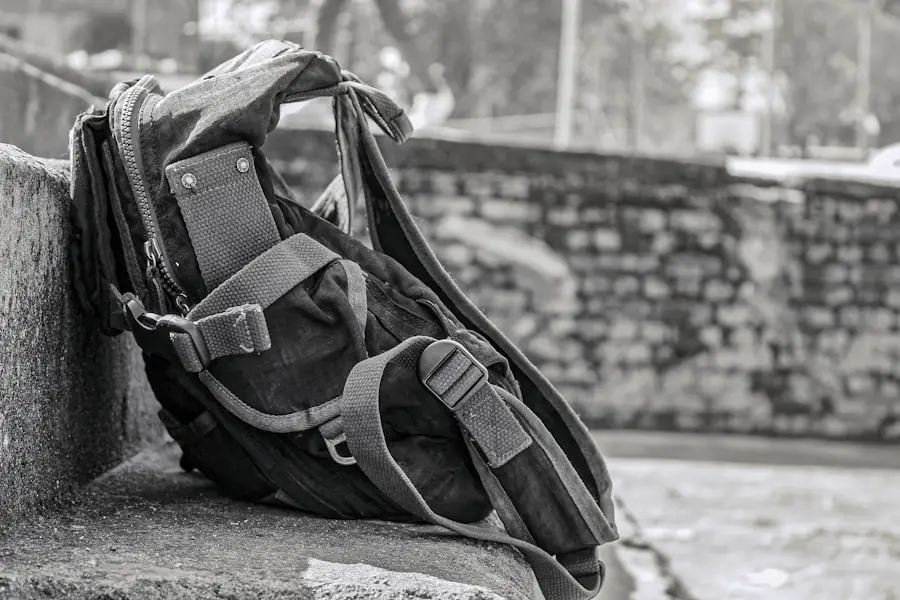
Proper storage helps preserve a hiking backpack after cleaning. Make sure the backpack is completely dry before putting it away because trapped moisture can encourage mildew and odors.
Open the pockets and inspect the shoulder straps, hipbelt, back panel, and bottom of the pack before storage. Thick padding can remain damp longer than the outer fabric.
Store the pack in a cool, dry, ventilated location away from prolonged direct sunlight and strong heat. A closet or gear room is usually better than a damp basement, hot vehicle, or wet garage.
Avoid crushing the pack under heavy objects. It can be hung or stored loosely in a way that does not permanently deform its frame, padding, or harness.
If the backpack has a rain cover, check its care instructions separately. Deuter, for example, recommends removing its rain cover, wiping it with a damp cloth rather than submerging it with the backpack, and allowing it to dry completely before storage.
Regular Maintenance to Keep Your Backpack Clean
Regular maintenance is easier on a backpack than waiting until dirt, sweat, and food residue become severe. After a trip, empty the pack, remove crumbs, inspect high-contact areas, and let damp fabric air out.
Look for frayed straps, damaged seams, cracked buckles, zipper problems, peeling coatings, or other wear before it becomes worse. Cleaning is a good opportunity to identify repairs before your next hike.
There is no universal rule that every hiking backpack needs a deep wash every three or six months. Frequency depends on how often you hike, how much you sweat, trail conditions, spills, and the manufacturer’s recommendations.
The best cleaning schedule is condition-based: remove fresh dirt after trips and deep-clean when sweat, salt, stains, spills, or persistent odors make it necessary.
Should You Reapply Water-Repellent Treatment?
Some hiking packs have a durable water-repellent treatment or coated fabric that may eventually need maintenance. Do not automatically spray every cleaned backpack with a waterproofing product.
First check the manufacturer’s instructions. Deuter recommends considering re-impregnation when water stops beading on compatible pack fabric, while Osprey recommends compatible technical care and proofing products for appropriate models.
Even a treated backpack should not automatically be considered fully waterproof. Zippers, seams, openings, and prolonged rain can still allow water inside. For critical electronics, clothing, or sleeping gear, use appropriate internal dry bags or another dependable waterproof barrier.
Benefits of a Clean Hiking Backpack
Keeping a hiking backpack clean is about more than appearance. Sweat, body oils, fine grit, and food residue can build up in the areas you handle and wear most often. Removing that buildup helps the pack stay more comfortable and easier to use.
Clean zipper tracks are less likely to be obstructed by grit, clean buckles are easier to inspect, and clean straps make it easier to spot fraying or damaged stitching before a trip.
Regular care also protects your investment. Dirt and grit can abrade fabrics over time, while storing a damp pack can contribute to unpleasant odors, mildew, and deterioration of some coatings.
A simple habit works well: empty it after hiking, remove fresh dirt, dry it fully, and give it a deeper clean only when the pack’s condition calls for it.
If you’re looking to keep your hiking backpack clean and organized, you may also be interested in learning about the best travel toothbrush. Having a compact and efficient toothbrush can be useful for maintaining hygiene while traveling or camping. Check out this article on the best travel toothbrush for options to consider for your next adventure.
Love travel? Join Our Facebook Community For More Tips.
Frequently Asked Questions
What is the best way to clean a hiking backpack?
Start by checking the manufacturer’s instructions. Empty every pocket, shake or vacuum out loose dirt, and spot clean with lukewarm water and an approved mild soap or technical cleaner. If the manufacturer permits a deeper hand wash, clean the pack gently, rinse it thoroughly, and air-dry it completely.
Can I put my hiking backpack in the washing machine?
Usually not. Major technical-pack brands including Osprey, Gregory, and Deuter advise against machine washing their backpacks because agitation can damage fabrics, coatings, padding, or structure. Follow your specific pack’s care label because manufacturer instructions always take priority.
How often should I clean my hiking backpack?
There is no single schedule for every backpack. Empty it and remove fresh dirt after hikes, especially after muddy, sandy, sweaty, or wet trips. Deep-clean it when persistent dirt, sweat salts, food spills, stains, or odor remain, or before long-term storage when needed.
Can I use bleach to clean my hiking backpack?
Do not use bleach unless the backpack manufacturer explicitly says it is safe for that exact product and material. Technical backpacks can contain coatings, foams, webbing, adhesives, and colored fabrics that may be damaged by aggressive chemicals. A manufacturer-approved mild cleaner is the safer default.
Should I use a brush to clean my hiking backpack?
Yes, a soft-bristled nylon brush can help remove dried dirt and stubborn spots. Use light pressure and avoid aggressive scrubbing, especially on coated fabric, mesh, logos, and water-resistant zippers. Gregory specifically warns that excessive brushing can damage protective coatings.
Can I soak a hiking backpack in a bathtub?
Only if the manufacturer allows immersion. Some hiking packs can be hand washed in a bathtub or large sink, while other packs or components should only be wiped or spot cleaned. Check the care instructions before soaking the backpack.
How should I dry a hiking backpack after washing it?
Open all pockets and zippers and air-dry the backpack in a well-ventilated area away from direct heat and prolonged strong sunlight. Do not store it until the fabric, padding, seams, straps, and interior are completely dry.
Sources
- REI Co-op — How to Clean a Backpack — general backpack cleaning, rinsing, zipper care, vacuuming, drying, and manufacturer-care precautions.
- Gregory — Care & Cleaning — mild-soap cleaning, brushing precautions, machine-washing warning, rinsing, and air-drying guidance.
- Deuter — How to Clean a Backpack — pH-neutral soap, machine-washing warning, back-system precautions, rain-cover care, drying, storage, and reproofing guidance.
- Osprey — How to Clean Your Osprey Backpack — hand-washing, drying, machine-washing warning, special pack exceptions, and compatible technical-care guidance.

