
Last Updated on July 27, 2026 by Daniel Globe
Exploring Istanbul on a budget is possible without turning the trip into a checklist of things you cannot afford. The biggest savings usually come from choosing accommodation near useful transit, grouping sights by neighborhood, using public transportation instead of taxis, eating beyond the most tourist-heavy streets, and deciding carefully which paid attractions are worth your money.
Quick Answer
To visit Istanbul on a budget, use an Istanbulkart for most city transit, group attractions by neighborhood, mix paid landmarks with free mosques and public spaces, eat at bakeries and casual local spots, compare MuseumPass costs before buying, and use rail rather than private transfers when the route works for you.
Key Takeaways
- Use Istanbulkart and public rail, tram, bus, and ferry services instead of relying on taxis for routine sightseeing.
- Treat Hagia Sophia differently from genuinely free sights: foreign tourists visiting for cultural purposes use a paid gallery route, while the Blue Mosque and many public spaces can be enjoyed without a sightseeing ticket.
- Do the math before buying MuseumPass İstanbul; it currently costs €105 and is worthwhile only when your planned included admissions justify the price.
- Eat simit, döner, soups, pide, and other casual foods away from the most tourist-heavy blocks when possible, and check menu prices before ordering.
- Group each day by neighborhood so you spend less time and money crossing a city that is much larger than it appears on a tourist map.
At a Glance
| Planning Time | About 30–60 minutes to group sights, compare admission costs, and check transport |
| Difficulty | Easy once you organize the city by neighborhood |
| Useful Tools | Istanbulkart, transit map, offline map, official museum pages, and a daily spending limit |
| Cost | Highly variable; walking, public squares, parks, markets, and several mosques can fill much of a day for $0 in admission fees |
Disclosure: As an Amazon Associate I earn from qualifying purchases. Some links on this page are affiliate links, at no extra cost to you.
Plan Your Days by Neighborhood
Istanbul stretches across two continents, so a cheap trip can become surprisingly expensive if you repeatedly cross the city for individual sights. A better strategy is to build each day around one area.
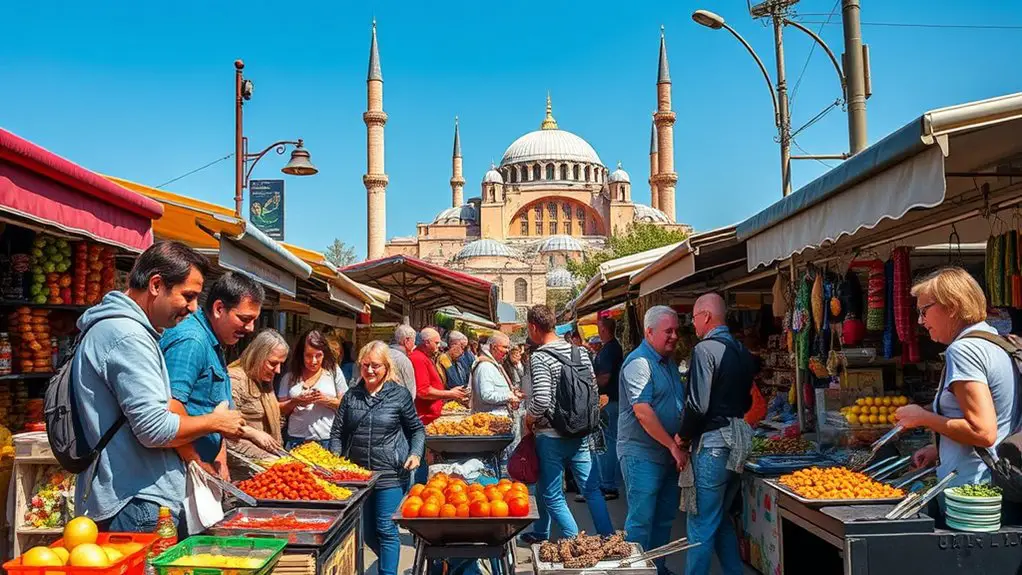
In Sultanahmet, combine the Blue Mosque, Sultanahmet Square, Hagia Sophia, Gülhane Park, Topkapı Palace, and nearby historic streets. Around Eminönü, Karaköy, and Galata, you can combine the Spice Bazaar, Galata Bridge, waterfront walks, Karaköy, and the Galata area. Save Kadıköy and nearby Asian-side neighborhoods for another block of time.
Pro Tip: A regular public ferry can double as sightseeing. Instead of paying for every panoramic experience, use a ferry when it already fits your route and enjoy Bosphorus views as part of your transportation.
Explore the Free Attractions
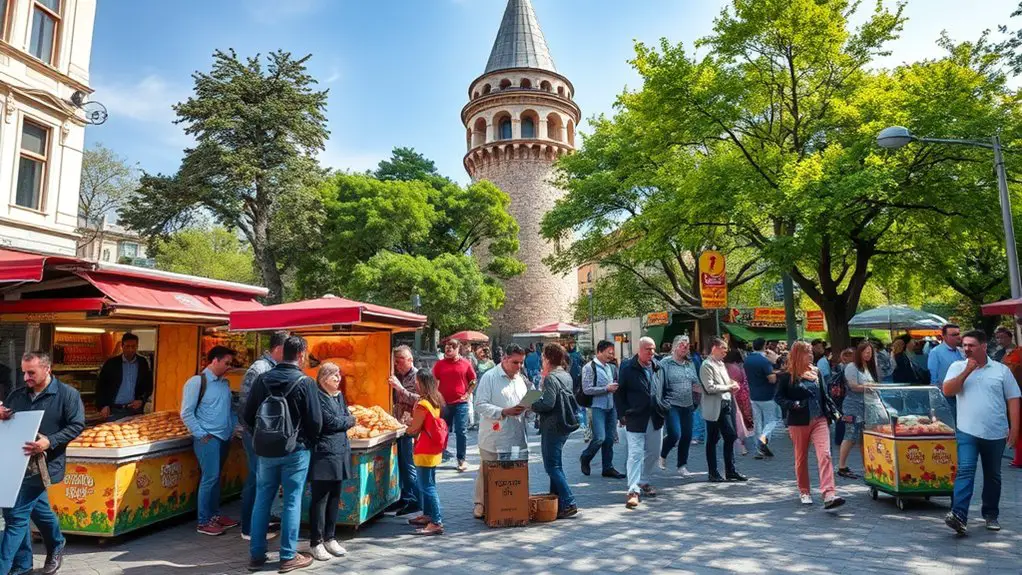
When you visit Istanbul, some of the best budget experiences require no admission ticket at all. Sultanahmet Square, the Hippodrome monuments, Galata Bridge, waterfront promenades, neighborhood streets, public parks, and market areas give you hours of sightseeing without an entrance charge.
The Blue Mosque, or Sultanahmet Mosque, is also an active place of worship rather than a conventional ticketed museum. Visitors should plan around prayer periods, dress modestly, follow staff instructions, and avoid disturbing or photographing people while they pray. You can read more about the mosque on the official GoTürkiye Blue Mosque guide.
Hagia Sophia requires an important distinction. Looking at its exterior from Sultanahmet Square costs nothing, but it should not be described as a completely free tourist attraction. Türkiye’s Ministry of Culture and Tourism introduced a separate visitor route for foreign tourists visiting for cultural purposes, with access through the gallery level and a €25 admission fee. Worship access is handled separately. See the Ministry’s Hagia Sophia visitor-system announcement.
Note: Mosque visiting arrangements can change around prayers, religious events, maintenance, or restoration. Check current access before making a tight itinerary.
For more free views, walk across Galata Bridge, where you can watch anglers above the Golden Horn and look toward the historic skyline. Nearby Karaköy is easy to explore on foot, while parks such as Gülhane provide a useful break from ticketed attractions.
Use Public Transportation
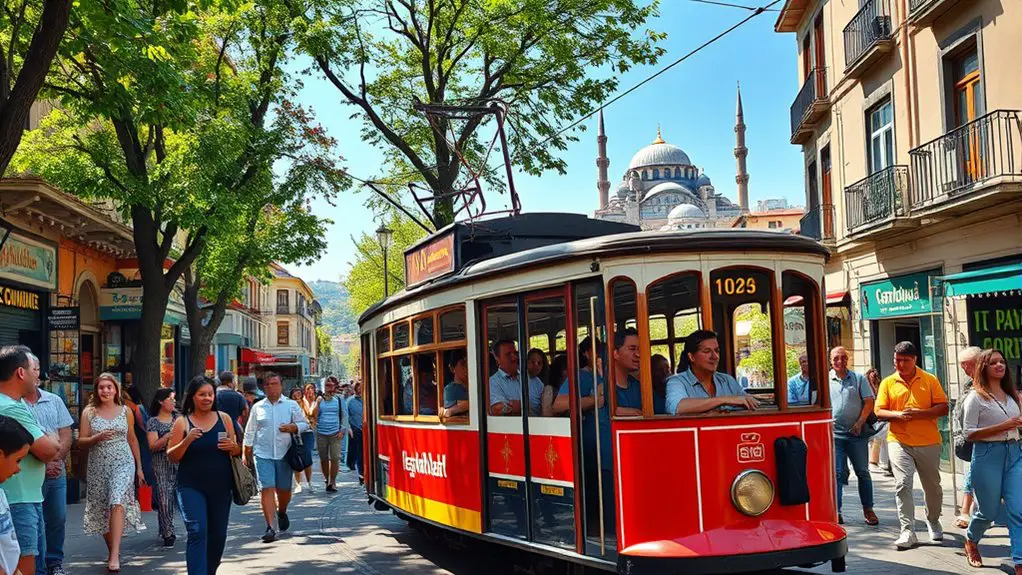
Istanbul has an extensive network of metros, trams, buses, ferries, funiculars, and other rail services. For most budget travelers, public transportation is far less expensive than using taxis for every trip.
An Istanbulkart is especially useful for repeated travel. At the time this article was checked in July 2026, Metro Istanbul listed a standard full fare of ₺46.20 for its Anonymous Istanbulkart fare category, compared with ₺65 for a one-pass electronic ticket. Fares can change, so confirm the current tariff on Metro Istanbul’s official fares page before budgeting.
At the July 2026 fare level, Metro Istanbul lists ₺46.20 for the standard full Anonymous Istanbulkart fare and ₺65 for a one-pass electronic ticket.
The T1 tram is useful for major historic areas including Sultanahmet and Eminönü, while Metro Istanbul’s T5 follows part of the Golden Horn. Metro and ferry connections make it possible to reach districts on both the European and Asian sides without paying for a private ride.
Do not assume every service runs all night. Metro Istanbul currently provides Night Metro on seven lines on the nights connecting Friday to Saturday and Saturday to Sunday. The night tariff is double the normal applicable fare. Check the official Night Metro information and your specific line before staying out late.
Use Rail for Airport Transfers When It Fits
Airport transfers can consume a large part of a tight budget, especially if you automatically choose a private car.
For Istanbul Airport (IST), the Gayrettepe–Istanbul Airport–Halkalı rail corridor became fully connected in June 2026 after the final Halkalı–Arnavutköy section opened. The Ministry of Transport and Infrastructure provides the latest official development information.
For Sabiha Gökçen Airport (SAW), Metro Istanbul’s M4 line connects the airport with Kadıköy and other Asian-side stops. Check the official M4 page for current operating information.
Rail is not automatically best for every hotel, especially with several travelers or heavy luggage, so compare the total cost and travel time against airport buses and taxis before deciding.
Savor Street Food
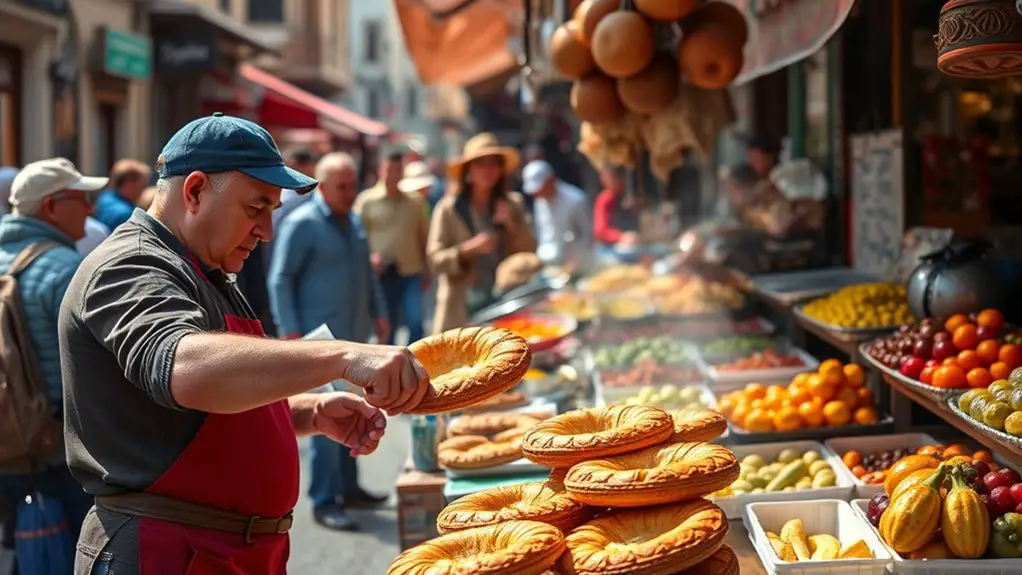
Istanbul’s casual food scene makes it easier to control meal costs without living on convenience-store snacks. Simit, soups, döner, pide, börek, sandwiches, and other quick meals can be much easier on the budget than sitting down for every meal in the busiest tourist zones.
Eminönü, Kadıköy, Karaköy, and many residential neighborhoods have abundant casual options. Compare posted menus instead of assuming every street stall is cheap simply because it is informal.
Must-Try Local Delicacies
Simit, the sesame-coated bread ring sold at bakeries and carts, is convenient for breakfast or a snack. Döner is another easy meal, served on a plate, in bread, or as a wrap depending on the shop.
Midye dolma consists of mussels filled with seasoned rice, while balık ekmek is closely associated with Istanbul’s waterfront areas. For dessert, a small portion of baklava lets you sample one of Türkiye’s best-known sweets without committing to a restaurant dessert.
Roasted chestnuts, corn, ayran, Turkish tea, and bakery items can also fill the gaps between larger meals.
Best Street Food Areas
Eminönü is an obvious stop for waterfront food and balık ekmek. Around Karaköy, bakeries, takeaway shops, and cafés make it easy to assemble a casual meal while sightseeing.
Kadıköy is another strong food area, especially if you are already spending time on the Asian side. Taksim and İstiklal have plenty of quick food as well, although prominent tourist locations are not automatically the cheapest places to eat.
Warning: Cheap food is not a bargain if the price is unclear or the vendor appears careless about storage and cleanliness. Check posted prices before ordering, favor busy established sellers, and use extra judgment with highly perishable foods such as shellfish.
Visit Local Markets
Istanbul’s markets are worth visiting even when you buy nothing. Browsing costs nothing, and the Grand Bazaar, Spice Bazaar, and Kadıköy market areas offer very different views of the city.
Three well-known options are:
- Grand Bazaar: A historic covered shopping district packed with jewelry, textiles, carpets, ceramics, leather goods, and souvenirs.
- Spice Bazaar: Best known for spices, sweets, dried fruit, nuts, tea, and food-related gifts.
- Kadıköy Market: A neighborhood-oriented food and shopping area with produce, fishmongers, bakeries, restaurants, cafés, and specialist shops.
Bargaining is common in some souvenir, carpet, leather, and similar shops, but it is not appropriate everywhere. Fixed-price stores, restaurants, supermarkets, and many food stalls simply charge the displayed price.
When bargaining is expected, stay friendly, decide your maximum price in advance, and walk away politely when the deal does not make sense. A souvenir is not a saving simply because the seller lowered the first quoted price.
Choose Budget Accommodations
Istanbul offers hostels, guesthouses, apartments, and small hotels across a wide price range. The cheapest nightly rate, however, is not always the cheapest overall trip.
A property that is slightly more expensive but within walking distance of a metro, tram, or ferry connection can reduce both transportation spending and wasted travel time. For a first visit, compare accommodations in or near Sultanahmet, Sirkeci, Karaköy, Galata, Taksim, and Kadıköy according to the sights you actually plan to visit.
Hostels can reduce lodging costs and are useful for solo travelers. Budget hotels and guesthouses provide more privacy, while properties that include breakfast can remove one daily meal expense.
Before booking, compare the final price, not just the first nightly rate displayed. Check taxes, cleaning charges, cancellation terms, breakfast, airport-transfer charges, and whether the property requires a long commute.
Pro Tip: Plot the accommodation and your five most important sights on a map before booking. Paying a little more to stay near the places you will visit most can cost less than commuting across Istanbul every day.
Take Advantage of Discounts Carefully
Passes and discounts can reduce sightseeing costs, but only when you qualify for them and would have paid for the included attractions anyway.
Check Whether MuseumPass İstanbul Actually Saves You Money
The official MuseumPass İstanbul currently costs €105 and is valid for five days from the first museum or archaeological-site entry. The official page lists access to 13 participating museums associated with the Ministry of Culture and Tourism and National Palaces.
Do not buy it simply because the word “pass” sounds cheaper. Write down the included attractions you genuinely plan to visit, add their individual prices, and compare that total with €105. Also check current closures and exclusions before paying.
Warning: MuseumPass İstanbul is not a blanket ticket for every famous attraction in Istanbul. Hagia Sophia’s foreign-tourist visitor route is separate, and the MuseumPass page also states that the pass is not valid for the Night Museum program.
Verify Student and Group Discounts
If you are a student, bring valid identification, but do not build your budget around a discount until the attraction confirms you qualify. Eligibility rules vary.
The same caution applies to Istanbul public transportation. Discounted transit cards are personalized cards issued to people who meet the relevant eligibility requirements; showing an overseas student ID at a turnstile does not automatically produce the student fare.
Group admission can occasionally help, particularly for organized visits or guided activities, but compare the final per-person price rather than assuming a group package is cheaper.
Use Tip-Based Walking Tours Wisely
Walking tours marketed as “free” can be a useful introduction to Istanbul, but most operate on a tip-based or pay-what-you-wish model. That means you should include an appropriate gratuity in your budget rather than assuming the tour costs nothing.
Different tours focus on different parts of the city:
| Tour Style | Common Focus | Budget Check |
| Historic Istanbul | Sultanahmet, Hippodrome, exterior landmarks | Ask whether admission tickets are extra |
| Neighborhood / Street Art | Karaköy, Galata, Balat, or similar districts | Allow for transit to the start or finish |
| Food Walk | Markets and local specialties | Confirm whether food is included or purchased separately |
| Evening Walk | Waterfront views and nightlife districts | Check your transport home before the tour begins |
Compare reviews, group size, route, accessibility, expected tip, and what is actually included before reserving a place.
Compare Off-Peak and Shoulder-Season Dates
Traveling outside the busiest summer and major holiday periods can sometimes lower airfare and accommodation costs, but there is no single set of months that is always cheapest.
Spring and autumn can offer a useful balance of sightseeing weather and demand, while colder winter dates may produce better lodging deals in some periods. June and September can still be busy, so do not assume that every date labeled “shoulder season” will be inexpensive.
Compare several sets of dates before booking and look at the total trip cost rather than airfare alone. A slightly more expensive flight can still produce a cheaper trip if hotel rates are substantially lower.
- Compare lodging first: Accommodation is usually one of the largest parts of a city-trip budget.
- Check attraction schedules: Seasonal hours, religious holidays, maintenance, and closure days can affect what you can see.
- Keep some flexibility: A neighborhood-based itinerary makes it easier to move outdoor activities to the best-weather day.
Pay Smart and Avoid Unnecessary Fees
The Turkish lira is Türkiye’s official currency. Cards are widely accepted in Istanbul, but carrying some cash remains useful for markets, small shops, tips, and businesses whose card systems are unavailable.
Do not assume one type of currency exchange is automatically cheapest. Compare the displayed buying/selling rate and any commission before changing money. The Central Bank publishes indicative rates, but businesses determine the transaction rate they actually offer customers.
ATMs are widely available, although machine operators or your home bank may charge withdrawal and foreign-transaction fees. The U.S. Department of State’s Türkiye information notes that cards are widely used but some establishments still prefer cash and ATM fees can be high.
Pro Tip: Before leaving home, check your bank’s foreign transaction and ATM policies. Avoid making many tiny withdrawals if your bank charges a fixed fee each time.
Avoid Tourist Markups and Common Money Traps
Budget travel is not only about finding lower advertised prices. Avoiding one overpriced meal, unnecessary transfer, or confusing ticket package can save more than chasing small discounts all day.
At restaurants, look at the menu and prices before ordering. Ask questions when a cover charge, service charge, bottled water, or other item is unclear. For attraction tickets, start with the attraction’s official government or operator website so you know the official admission structure before comparing third-party tours.
Be cautious when someone offers an unsolicited “free” service or product and later demands payment. The U.S. State Department specifically warns travelers in Türkiye about confidence schemes and overcharging, and recommends extra awareness in crowded places such as markets, transport hubs, tourist locations, and nightlife areas.
Warning: Saving money should never come before basic safety. Keep valuables secure in crowded areas, use established transportation, avoid isolated shortcuts late at night, and review current official travel advice before departure.
Sources
- Metro Istanbul — Tickets and Fares — current Istanbulkart and limited-use ticket fares.
- Metro Istanbul — Night Metro — overnight operating days, participating lines, and double-fare policy.
- Türkiye Ministry of Transport and Infrastructure — June 2026 completion and operation of the Gayrettepe–Istanbul Airport–Halkalı rail corridor.
- Türkiye Ministry of Culture and Tourism — MuseumPass İstanbul — current price, five-day validity, participating museums, and limitations.
- Türkiye Ministry of Culture and Tourism — Hagia Sophia Visitor System — separate foreign-tourist gallery route and €25 admission.
- U.S. Department of State — Türkiye Travel Information — current safety, currency, payment, ATM, and scam guidance.
Frequently Asked Questions
What Is the Best Time of Year for Budget Travelers in Istanbul?
There is no guaranteed cheapest month. Spring and autumn can offer comfortable sightseeing weather, while some winter dates may have lower accommodation demand. June and September can still be busy. Compare airfare and hotel prices across several date combinations rather than assuming an entire season is cheap.
Are There Any Local Customs to Be Aware of While Saving Money?
Yes. Bargaining is normal in some souvenir, carpet, textile, and similar shops, but not everywhere. Be polite rather than aggressive. When visiting a mosque, dress modestly, follow signs and staff instructions, remove shoes where required, keep noise down, and respect people who are praying. Simple Turkish greetings such as “merhaba” and “teşekkürler” are also appreciated.
How Can I Stay Safe While Exploring Istanbul on a Budget?
Choose accommodation with good recent reviews and convenient transport, secure your phone and wallet in crowded places, check menu prices before ordering, and use established transportation rather than accepting unsolicited rides. The U.S. State Department currently advises travelers to exercise increased caution in Türkiye and to stay particularly alert in crowded public and tourist areas.
What Currency Is Used in Istanbul, and Where Should I Exchange Money?
Istanbul uses the Turkish lira. Banks, ATMs, and licensed currency-exchange offices are widely available, while cards are accepted at many businesses. Compare the actual exchange rate and fees before completing a transaction instead of assuming every airport or city-center counter has the same value. Keep some cash for small businesses and markets.
Are There Hidden Fees to Consider When Visiting Attractions?
There can be extra costs for optional tours, audio services, special areas, evening programs, or third-party booking packages. Check the official attraction page first and compare exactly what each ticket includes. MuseumPass İstanbul also has exclusions, and Hagia Sophia’s tourist visitor route is not covered by the pass.
Is Istanbulkart Worth Buying for Tourists?
For visitors making repeated public-transport trips, it is generally practical. Metro Istanbul’s July 2026 fare table lists a ₺46.20 standard full Anonymous Istanbulkart fare compared with ₺65 for a one-pass electronic ticket. Exact charges vary by service and fares can change, so check the current official tariff before traveling.
Is MuseumPass İstanbul Worth the Price?
It depends on your itinerary. The pass currently costs €105, covers 13 participating museums, and lasts five days from first use. Add up the individual admission prices for the included places you genuinely plan to visit. Buy the pass only when that total and the convenience make sense for your trip.
Conclusion
Exploring Istanbul on a budget works best when you spend deliberately rather than simply choosing the cheapest option every time. Use public transportation, organize sightseeing by neighborhood, enjoy free public spaces and mosques respectfully, and spend your attraction budget on the places that matter most to you.
Street food, markets, ferries, neighborhood walks, and carefully chosen accommodation can keep everyday costs under control. Most importantly, verify current fares and admission rules before your trip: Istanbul changes quickly, and a money-saving tip only works when the information behind it is still current.

