
Last Updated on August 26, 2026 by Daniel Globe
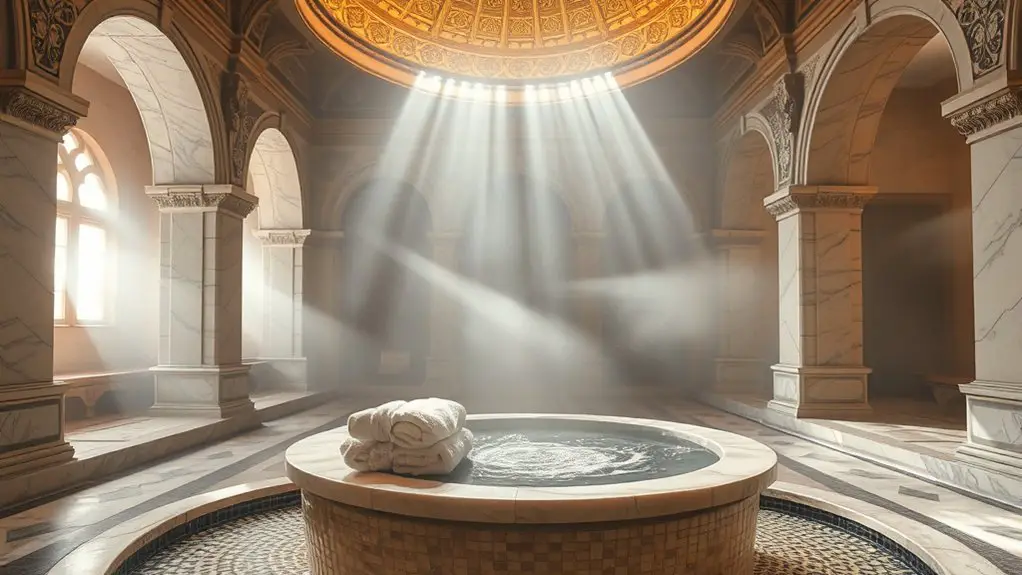
Stepping into a historic hammam in Istanbul is one of the most immersive cultural and wellness traditions in the world. Inherited from ancient Roman thermae and refined during the Ottoman Empire, the Turkish bath is an architectural sanctuary designed for physical purification, social connection, and profound stress relief. For first-time visitors, navigating the unwritten rules of heat, modesty, exfoliation, and tipping can feel daunting. Understanding how a traditional bathhouse operates ensures you experience this centuries-old ritual with complete comfort and confidence.
Quick Answer
A traditional Istanbul hammam visit involves sweating on a heated central marble slab (göbektaşı), receiving a vigorous full-body scrub with an abrasive mitt (kese), and enjoying a cloud-like bubble wash (köpük) by a dedicated attendant. Sessions are strictly segregated by gender or hosted in separate architectural wings. Expect to spend 60 to 90 minutes inside and bring cash for a 10% to 20% attendant tip.
Key Takeaways
- Segregated Bathing: Historic hammams operate either with separate architectural wings for men and women or designated time schedules for each gender.
- Modesty Norms: Men remain wrapped in a cotton peştemal around the waist at all times; women wrap the peştemal under the arms and may wear disposable or swimwear bottoms.
- The Core Treatment: The standard package includes self-heating, vigorous kese exfoliation, and an olive-oil bubble foam massage.
- All-Inclusive Amenities: Historic hammams provide the wrap, slippers (takunya), bowls (tas), and soap; avoid bringing books, oils, or electronics into wet areas.
- Cash Tipping: Attendant gratuities (10% to 20%) must be handed directly to your masseur in cash after changing back into your street clothes.
At a Glance
| Time Required | 60 to 90 minutes (plus 30 minutes for post-bath relaxation) |
| Difficulty Level | Easy (Passive relaxation and assisted body cleansing) |
| What to Bring | Fresh dry underwear, personal skincare/moisturizer, cash for tips |
| Typical Cost | Local neighborhood baths: €25–€45; Restored historic monuments: €60–€160+ |
Disclosure: As an Amazon Associate I earn from qualifying purchases. Some links on this page are affiliate links, at no extra cost to you.
Understanding the History of Hammams
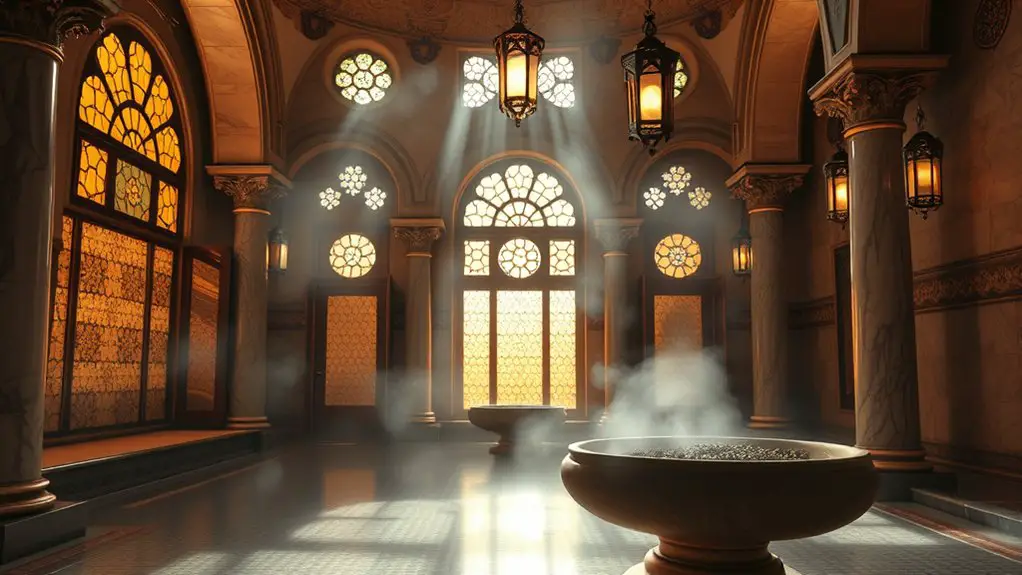
When you cross the threshold of an Ottoman-era bathhouse, you enter an architectural continuum spanning over a thousand years. Following the conquest of Constantinople in 1453, Ottoman architects synthesized Greco-Roman thermal bath engineering with Islamic wash rituals and ablution requirements (*wudu*). Master imperial architects like Mimar Sinan elevated hammams into monumental public works, constructing elaborate multi-domed structures characterized by perforated glass skylights (*filgözü*) that filter sunlight through rising steam.
In Ottoman civic life, hammams served as essential democratic social epicenters. Neighborhood residents across every socioeconomic background met weekly to debate politics, arrange marriages, celebrate bridal preparations (*gelin hamamı*), and mark circumcision rites. Because private domestic running water was rare until the mid-20th century, the public bathhouse remained the focal point of community hygiene and connection.
“The Ottoman hammam was never simply a space to wash; it served as a civic sanctuary where marble, thermal steam, and communal ritual dissolved social boundaries.”
Today, Istanbul’s preserved baths continue this legacy. The sensory experience of lying atop a heated marble slab beneath towering masonry arches offers a direct tactile connection to Turkey’s living cultural heritage.
Types of Hammams to Choose From
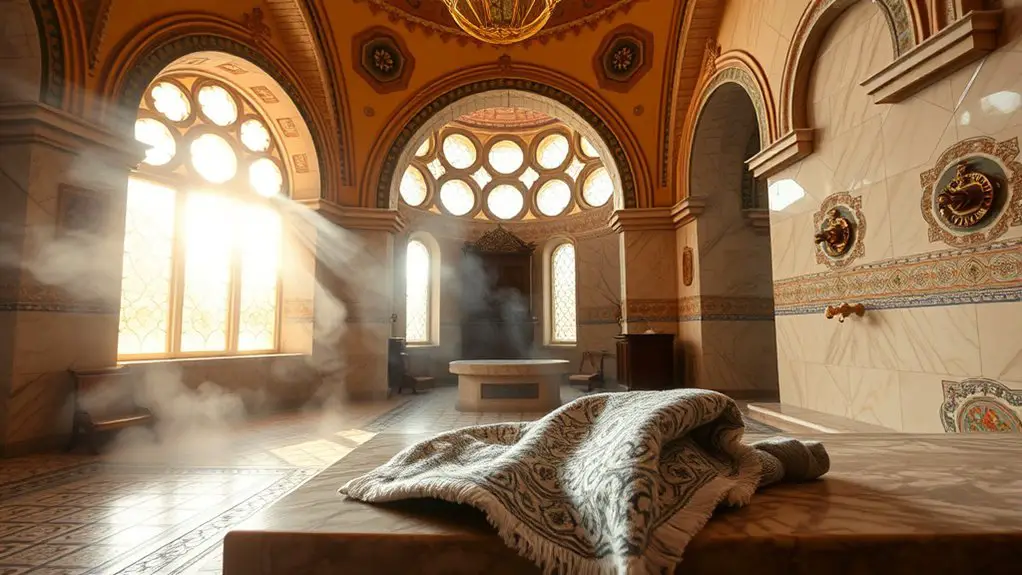
Istanbul offers a spectrum of bathing venues, ranging from multi-century-old imperial monuments to unpretentious residential bathhouses and luxury modern hotel spas. Choosing the right establishment depends on your budget, preferred level of English communication, and desire for historic authenticity.
Traditional Turkish Hammams
Traditional hammams are housed in historic stone masonry structures featuring classic hypocaust heating systems underneath marble floors. These bathhouses focus squarely on standard authentic rituals with no modern spa gimmicks.
| Hammam Category | Key Features | Best Suited For |
|---|---|---|
| Imperial Historic Hammams | Architectural masterpieces, English-fluent staff, luxury amenities, high historic preservation. | First-time travelers seeking grandeur and seamless communication. |
| Local Neighborhood Baths | Modest facilities, minimal English, deeply authentic community atmosphere, budget rates. | Experienced travelers seeking raw authenticity and cultural immersion. |
| Mixed-Gender Historic Baths | Select historic venues permitting couples and families to experience the hot room together in swimwear. | Couples and mixed-gender tour groups wanting shared sessions. |
Modern Spa Experiences
Modern 5-star hotel spas across Istanbul integrate Ottoman bath chambers alongside Swedish massages, aromatherapy, facials, and Finnish saunas. While these facilities deliver exceptional privacy, temperature adjustments, and luxury personal products, they lack the soaring domes, antique marble patina, and acoustic acoustics of genuine 16th-century structures.
What to Expect During Your Visit
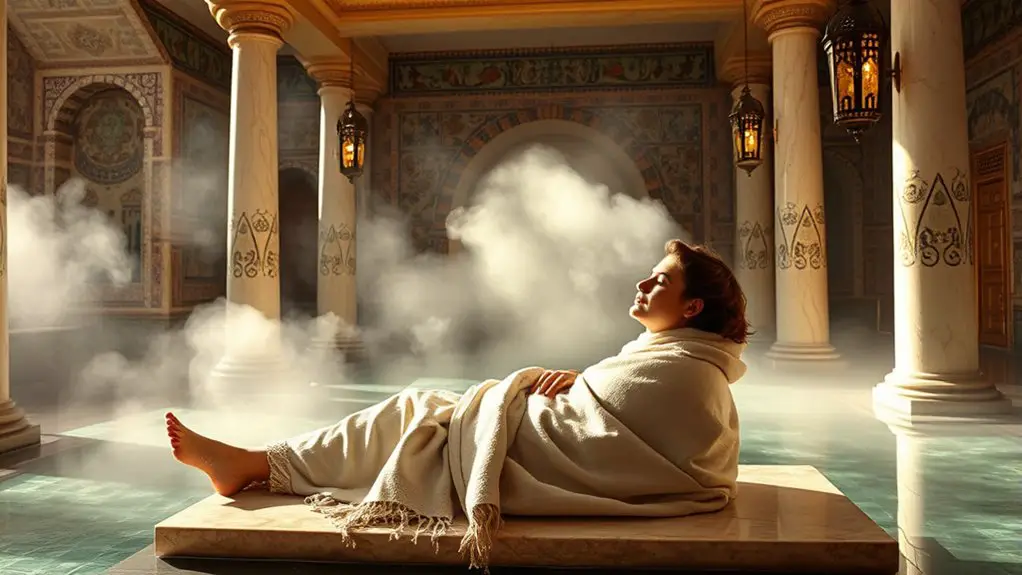
A traditional hammam follows an architectural and physiological progression through four distinct environments. Understanding the layout allows you to move naturally through each stage of the experience.
| Architectural Zone | Function & Activity |
|---|---|
| 1. Camekân (Entrance Hall) | A grand wooden atrium where you check in, lock valuables in a private changing cabin, wrap yourself in a peştemal, and put on bath slippers. |
| 2. Soğukluk (Warm Transition Room) | A moderately warm intermediate room with washbasins and toilets that acclimates your body to rising humidity before full steam exposure. |
| 3. Hararet (Hot Steam Room) | The central domed chamber housing marble wall basins (kurna) and the raised, heated octagonal marble platform (göbektaşı). |
| 4. Dinlenme (Cooling Lounge) | The post-treatment recovery lounge where you rest wrapped in dry cotton towels, rehydrate with Turkish tea, and restore normal body temperature. |
Once inside the hot room (*hararet*), your session unfolds across specific treatment steps:
- Thermal Warming (15–20 min): You lie flat on the heated *göbektaşı* marble. The radiant heat softens muscle tissue and opens skin pores to prepare dead epidermis for exfoliation.
- The Kese Exfoliation (15 min): Your attendant—a *tellak* (for men) or a *natır* (for women)—uses a coarse mitt made of woven silk or goat hair (*kese*) to vigorously scrub your skin. Long, rhythmic strokes roll away layers of dead skin and impurities without soap.
- Köpük (Foam Massage) & Wash (15 min): The attendant submerges a perforated cloth sack in soapy olive oil water, inflates it with a sweeping motion, and squeezes an enormous mountain of warm bubbles over your body. They perform a relaxing foam wash, shampoo your hair, and douse you with warm water using a copper bowl (*tas*).
- Cold Rinse & Cool Down: A refreshing final rinse closes the pores before you are wrapped in fresh dry towels for the transition back to the lounge.
Pro Tip: Avoid applying sunscreen, body lotion, or perfume on the day of your hammam visit. Residual oils form a slick barrier that prevents the kese mitt from effectively grabbing and peeling dead skin.
Essential Etiquette Tips
Respecting traditional bathhouse customs guarantees a smooth visit and ensures mutual comfort among guests and attendants.
- Modesty Boundaries: Complete communal nudity is not standard practice. Men must keep their *peştemal* securely tied around their waist at all times (wearing underwear underneath is optional but common). Women wear the *peştemal* sarong-style under the armpits; wearing disposable underwear or bikini bottoms during the scrub is standard.
- Noise Discipline: Hammam domes produce intense acoustic reverberation. Speak in quiet, hushed tones and refrain from splashing water unnecessarily.
- Water Conservation: Never let water run continuously down the floor drains. Fill your individual marble basin (*kurna*), blend hot and cold water to your desired temperature, and scoop it over yourself using the *tas*.
- Tipping Customs: Tipping is expected in all Turkish bathhouses. Budget 10% to 20% of your total bill in cash (Turkish Lira, Euros, or USD). Hand the tip directly to your *tellak* or *natır* in the changing area before you leave, as card tips rarely reach individual workers.
- Attendant Allocations: In traditional single-sex operations, male staff serve male bathers and female staff serve female bathers exclusively.
Warning: Hammam hot rooms operate at temperatures between 40°C and 50°C (104°F to 122°F) with near 100% humidity. If you have cardiovascular conditions, unmanaged hypertension, or are pregnant, consult a medical professional before booking. Exit the hot room immediately if you experience dizziness.
Recommended Hammams in Istanbul
Istanbul houses dozens of operational baths. The following verified historic establishments represent the pinnacle of architectural heritage and professional service:
- Kılıç Ali Paşa Hamamı (Tophane): Commissioned in 1580 by Ottoman Grand Admiral Kılıç Ali Paşa and designed by Mimar Sinan. Features one of the largest single domes in Istanbul. Operates separate daily hours for women (morning/afternoon) and men (evening). Advance online booking is mandatory.
- Ayasofya Hürrem Sultan Hamamı (Sultanahmet): Built in 1556 for Roxelana (Hürrem Sultan), wife of Suleiman the Magnificent. Positioned directly between the Hagia Sophia and the Blue Mosque, this luxury bath features separate, symmetrical twin wings for men and women.
- Çemberlitaş Hamamı (Fatih): Operating continuously since 1584 along the historic Divanyolu tram line. Offers double wings and an authentic, traditional scrubbing experience beneath striking dome skylights.
- Cağaloğlu Hamamı (Sultanahmet): Constructed in 1741 during the reign of Sultan Mahmud I. Renowned for its Baroque-Ottoman hybrid architecture, ornamental fountain halls, and ornate marble carvings.
- Süleymaniye Hamamı (Fatih): Built in 1557 as part of the imperial Süleymaniye Mosque complex. Operates as a mixed-gender bathhouse catering specifically to couples and families with shared hot room access.
Popular Treatments and Services
Most Turkish baths provide standardized service tiers designed to accommodate different levels of relaxation and skincare needs:
- Self-Service (*Kendi Kendine*): You receive access to the bathhouse, a *peştemal*, soap, and a basin to bathe yourself without attendant services. (Available mainly in local neighborhood baths).
- Traditional Hammam Ritual (*Geleneksel Paket*): The signature service, including 15 minutes of warming, complete *kese* body exfoliation, and a full foam wash and shampoo.
- Aromatherapy & Oil Massage: Administered after your foam wash in a separate dry treatment room. Relieves muscular tension following the heat-induced muscle softening.
- Clay / Mud Body Masks: Mineral-rich Anatolian clay applied to the body after exfoliation to draw out impurities and nourish skin before the final rinse.
Note: A traditional *kese* scrub is rigorous and designed for deep dermal exfoliation. If you have sensitive skin, rosacea, or sunburn, instruct your attendant (*”Lütfen yavaş”* — please be gentle) before they begin.
Preparing for Your Hammam Experience
Proper preparation ensures you stay hydrated and comfortable throughout the intense thermal cycles of the bathhouse:
- Hydrate in Advance: Drink at least 500 ml of water prior to your appointment. Profuse sweating in the *hararet* rapidly depletes body fluids.
- Time Your Meals: Avoid eating large meals within 90 minutes of your session, as high heat combined with abdominal massage can cause digestive discomfort.
- Remove Jewelry & Contact Lenses: High steam and mineral moisture can tarnish metals, trap steam behind contact lenses, and cause heat conduction on metal rings and necklaces.
- Shaving Precautions: Do not shave or wax your legs or face immediately before a hammam visit. The coarse *kese* glove will irritate freshly sensitized skin.
What to Bring and Wear
Historic and luxury bathhouses provide nearly everything you need on-site. Packing properly avoids carrying unnecessary clutter into wet areas.
| What the Hammam Provides | What You Should Bring | What to Leave Behind |
|---|---|---|
| • Cotton *peştemal* wrap • Bath slippers (*takunya*) • Copper water bowl (*tas*) • Natural olive oil soap • Fresh drying towels |
• Clean change of dry underwear • Hairbrush / comb • Face/body moisturizer for post-scrub • Cash for attendant tips |
• Valuable jewelry and watches • Books, magazines, or e-readers • Outside body oils or perfumes • Wet electronics / phones |
Making the Most of Your Visit
To maximize the restorative benefits of your bath, allocate ample time after your treatment rather than rushing back out into Istanbul’s bustling streets.
- Rest in the Cooling Lounge: Spend at least 20 to 30 minutes reclining in the *camekân* or relaxation salon while your heart rate and body temperature normalize.
- Drink Turkish Tea & Mineral Water: Sip hot apple or black tea alongside sparkling mineral water (*maden suyu*) to restore lost electrolytes.
- Moisturize Your Skin: After a deep *kese* scrub, your skin’s protective lipid barrier is fresh and receptive. Apply a rich, unscented moisturizer to lock in hydration.
- Schedule for Afternoon or Evening: The deep muscle relaxation and heat therapy often induce drowsiness. Plan your visit toward the end of your sightseeing day.
Frequently Asked Questions
Can I visit a hammam if I have sensitive skin?
Yes. However, inform your attendant beforehand by requesting a gentle scrub (*”Hafif kese lütfen”*). If you have active eczema, psoriasis flare-ups, or open wounds, skip the exfoliating scrub and opt exclusively for a gentle foam wash and rinse.
Are hammams co-ed or gender-separated?
Traditional Turkish hammams are strictly gender-segregated, operating either via twin architectural sections (such as Ayasofya Hürrem Sultan) or alternating time slots for men and women (such as Kılıç Ali Paşa). A limited number of historic baths, such as Süleymaniye Hamamı, operate mixed-gender sessions specifically for couples and families.
How long does a typical hammam visit last?
The core cleansing and massage treatment takes approximately 45 to 60 minutes. However, including pre-warming on the marble slab and post-bath cooling with tea, plan to spend a total of 1.5 to 2 hours at the bathhouse.
Is tipping expected in Turkish hammams?
Yes. Tipping your bath attendant is an integral cultural norm. It is standard practice to leave a cash tip of 10% to 20% of your total service cost, handed directly to your attendant (*tellak* or *natır*) in the changing area.
Can children accompany adults to the hammam?
Yes. Children are welcome at most hammams. Young boys typically accompany their mothers to the women’s section up to age 5 or 6, after which they use the men’s section. Many high-end historic hammams offer specialized, gentler bath packages tailored for kids aged 6 to 12.
Conclusion
Visiting an authentic hammam in Istanbul is an unforgettable blend of historical immersion, architectural grandeur, and physical rejuvenation. By understanding the multi-room layout, respecting modesty norms, communicating your scrub preferences, and pacing your post-bath recovery, you can partake in this centuries-old Ottoman tradition with absolute ease. Whether you choose the imperial arches of a 16th-century Mimar Sinan masterpiece or a quiet neighborhood bathhouse, the hammam remains one of Istanbul’s most genuine gifts to the senses.
Sources
- GoTürkiye Official Tourism Portal — Guidelines on Turkish bathing culture, historical bathhouses, and etiquette.
- UNESCO World Heritage Centre — Historic Areas of Istanbul and Mimar Sinan’s architectural monuments.
- Kılıç Ali Paşa Hamamı Official Documentation — Historic preservation details, bath ritual steps, and scheduling policies.
- Cağaloğlu Hamamı Heritage Archives — Architectural history and traditional 18th-century Ottoman hammam service tiers.
