
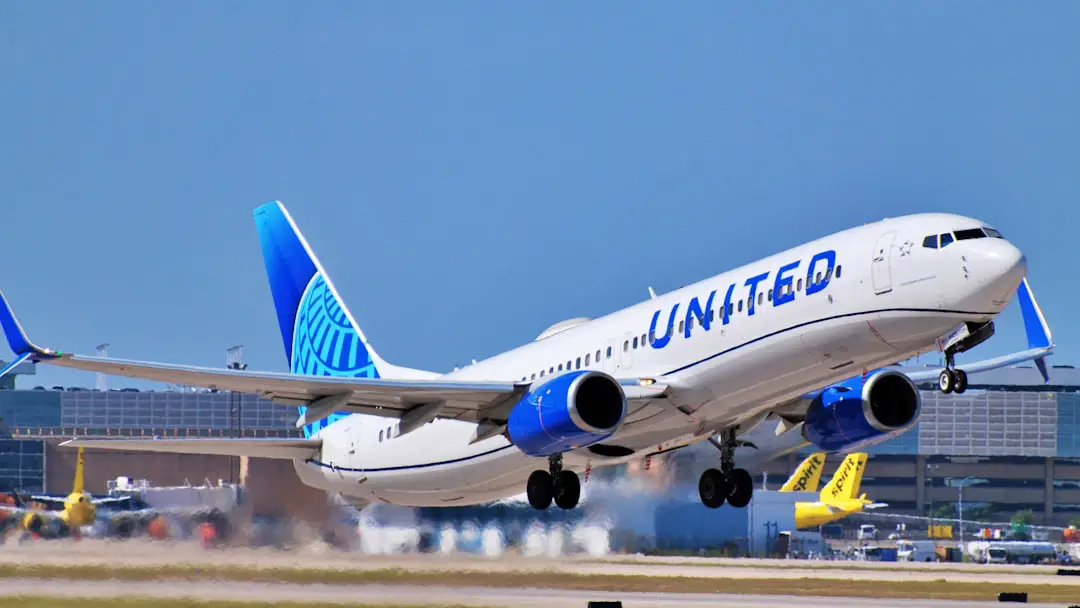
Last Updated on September 10, 2026 by Daniel Globe
United Airlines’ safety measures extend far beyond cabin cleaning. Like other large U.S. scheduled airlines, United operates under Federal Aviation Administration rules covering aircraft maintenance, flight operations, employee training, emergency procedures, and risk management. Its current safety program also uses reporting, audits, data analysis, and corrective action to identify hazards before they lead to more serious problems.
Quick Answer
United Airlines operates under FAA Part 121 rules and uses an FAA-approved Safety Management System to identify hazards, track corrective actions, train employees, and audit operations. Passengers can reduce their own risk by following crew instructions, keeping their seat belt fastened, packing batteries correctly, and checking current destination requirements.
Key Takeaways
- United’s core safety framework is its FAA-approved Safety Management System, not its temporary pandemic-era precautions.
- Aircraft maintenance, operating procedures, crew training, internal audits, and voluntary reporting all support flight safety.
- Most large commercial aircraft use HEPA filtration, but filters and cleaning cannot remove every health risk.
- Face masks are generally a personal choice unless a destination or local authority requires them.
- Passengers should keep their seat belt fastened while seated, listen to safety briefings, and leave all bags behind during an evacuation.
Disclosure: As an Amazon Associate I earn from qualifying purchases. Some links on this page are affiliate links, at no extra cost to you.
Is United Airlines Safe?
United Airlines is a major U.S. air carrier operating under FAA Part 121 certification and oversight. This means its aircraft, crews, maintenance programs, operating procedures, training, dispatch functions, and safety systems must comply with federal aviation requirements. The FAA’s certification process is designed to confirm that an airline can follow applicable regulations, maintain safety-critical processes, and manage operational hazards.
No airline can promise that every flight will be free from turbulence, mechanical problems, medical events, weather disruptions, or human error. A responsible safety assessment should therefore examine the systems used to detect and control risk rather than rely only on marketing claims or isolated customer reviews.
United states that safety is its first operating priority. Its current corporate reporting describes an FAA-approved Safety Management System that covers flight operations, inflight service, airport operations, dispatch, technical operations, emergency preparation, and other areas of the business.
Aviation safety depends on layers of protection, including regulation, maintenance, training, reporting, risk analysis, standard procedures, and passenger cooperation.
How United Airlines Manages Operational Safety
Safety Management System
United uses a formal Safety Management System, commonly called an SMS, to organize how the company identifies hazards and controls risk. The FAA requires Part 121 airlines to maintain an SMS under federal regulations.
An SMS has four main components:
- Safety policy: Defines responsibilities, procedures, leadership commitments, and measurable safety goals.
- Safety risk management: Identifies hazards, estimates risk, and establishes controls.
- Safety assurance: Uses reports, audits, performance data, investigations, and corrective actions to determine whether controls work.
- Safety promotion: Supports training, communication, competency, and a workplace culture in which employees understand their safety duties.
United reports that its system uses predictive, proactive, and reactive assessments. It also maintains operation-specific reporting programs for dispatch, flight, ground, inflight, and technical-operations safety.
Aircraft maintenance and airworthiness
United Technical Operations includes aircraft maintenance technicians, engineers, planners, inspectors, supply-chain teams, and safety and compliance personnel. Their work includes scheduled inspections, repairs, troubleshooting, component replacement, reliability monitoring, and compliance with approved maintenance requirements.
An aircraft may be returned to service only when required work is completed and properly documented by authorized personnel. Maintenance programs are also subject to FAA oversight and internal evaluation. A delayed flight caused by a maintenance inspection can be frustrating, but the delay may be necessary to verify that the aircraft meets release requirements.
Standard operating procedures and internal audits
Standard operating procedures help crews and ground teams handle routine and abnormal events consistently. United says its internal evaluation team uses continuous, risk-based audits to check whether operating divisions are following policies designed to protect customers, employees, equipment, and aircraft.
When a report or audit identifies a problem, the purpose is not only to correct the immediate issue. A mature safety system also examines contributing factors, determines the root cause, and tracks whether the corrective action prevents recurrence.
Passenger Safety Procedures Before and During a Flight
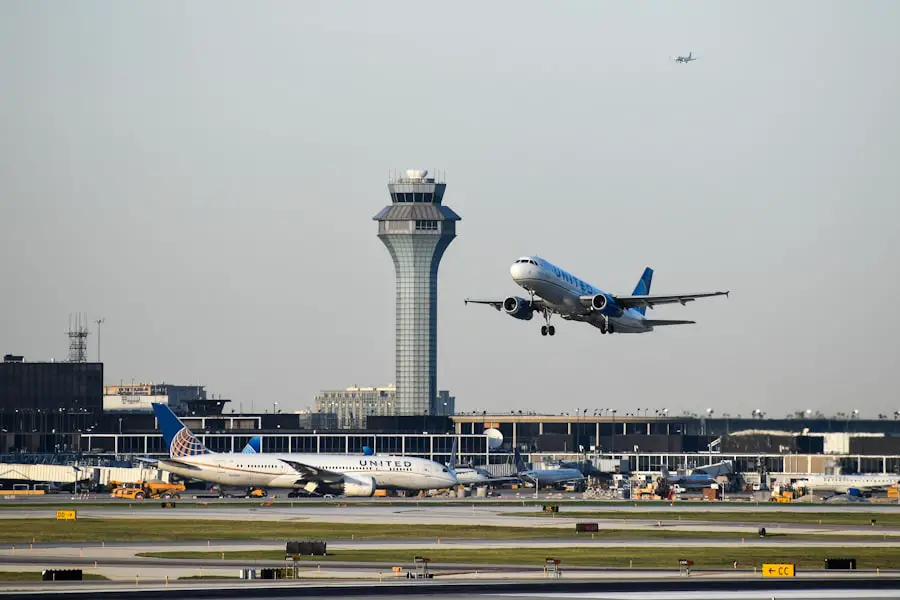
Passengers are not responsible for operating the aircraft, but their actions can affect cabin safety. Preparing correctly and following crew instructions can reduce the chance of injury during turbulence, an evacuation, or another unexpected event.
- Review travel requirements: Check identification, visa, vaccination, health, and entry rules for every destination and transit point.
- Pack batteries safely: Follow United and FAA rules for spare lithium batteries, power banks, electronic cigarettes, and damaged devices.
- Listen to the briefing: Safety equipment and exit locations differ between aircraft.
- Locate two exits: Count the rows to the nearest usable exit in front of and behind your seat.
- Keep the seat belt fastened: Unexpected turbulence can occur even when the sky looks clear and the seat-belt sign is off.
- Secure carry-on items: Loose or oversized items can injure passengers or obstruct an aisle.
- Use an approved child restraint: The FAA recommends an approved child-restraint system for young children rather than holding a child on an adult’s lap.
- Tell the airline about assistance needs: Request mobility, medical, cognitive, or other accommodations early enough for the airline to prepare.
Warning: If the crew orders an evacuation, leave every carry-on bag behind. Stopping for luggage can block aisles, damage an evacuation slide, and delay other passengers from leaving the aircraft.
Pro Tip: Keep your seat belt low and snug across your hips whenever you are seated. This is one of the simplest ways to reduce the risk of injury from unexpected turbulence.
Cabin Air, Cleaning, and Respiratory Health
| Safety Area | What Travelers Should Know |
|---|---|
| Cabin ventilation | Large commercial aircraft normally mix outside air with filtered recirculated air while the ventilation system is operating. |
| HEPA filtration | The FAA says most large U.S. commercial aircraft use HEPA filters that remove 99.97% of particulate material from recirculated airflow. |
| Routine cleaning | Cleaning high-touch surfaces supports hygiene but does not replace handwashing, respiratory etiquette, or staying home when seriously ill. |
| Face coverings | Masks are generally optional unless required by a destination or authority. A well-fitting respirator can provide additional personal protection. |
| Travel while sick | Travelers with a suspected contagious respiratory illness should review current public-health guidance and consider delaying travel. |
The FAA states that most large commercial aircraft use HEPA filtration in their recirculated airflow. These filters remove 99.97% of particulate material. Airflow and filtration reduce exposure, but they do not guarantee that a passenger cannot catch a respiratory illness.
The CDC’s air-travel guidance notes that respiratory pathogens can spread through close contact, droplets, aerosols, and contaminated surfaces. Airports, boarding lines, jet bridges, and deplaning may also involve close contact before or after the aircraft ventilation system is fully effective.
Note: A mask is not a blanket United requirement on most flights, but a well-fitting N95, KN95, or similar respirator may be useful for passengers who want added protection in crowded areas or during periods of high respiratory illness.
United Airlines’ COVID-19 Response in Historical Context
The COVID-19 pandemic led United and other airlines to introduce temporary health measures beginning in 2020. United launched the CleanPlus program with Clorox and Cleveland Clinic and announced expanded cleaning, electrostatic spraying, health acknowledgments, touchless processes, altered boarding procedures, and mandatory face coverings.
These measures are important historical context, but they should not be presented as a complete description of United’s current passenger requirements.
Some pandemic-era changes, such as greater use of mobile boarding passes and attention to high-touch surfaces, continue to influence the travel experience. Other requirements, including universal face coverings, health declarations, strict distancing, and special boarding systems, were tied to particular stages of the pandemic and are not universal current procedures.
The documented CleanPlus partnership involved Clorox and Cleveland Clinic. The CDC remains an important source of public-health guidance, but the availability of CDC guidance should not be described as evidence of a formal United partnership.
Employee Training, Reporting, and Emergency Preparedness
Safety depends on employees understanding both normal procedures and emergency responsibilities. United says operations employees receive training covering safety, regulatory compliance, standard operating procedures, and company policies. Training can include classroom instruction, simulations, supervised practice, virtual-reality exercises, on-the-job work, and skills assessments.
United’s current flight-attendant information describes an initial training program of about six and a half weeks. Topics include emergency procedures, CPR, safety, security, service, and the company’s aircraft fleet. Flight attendants also complete recurrent training to maintain required skills and qualifications.
The airline’s safety system includes voluntary, non-punitive reporting. Employees can report hazards, mistakes, procedural concerns, or unsafe conditions so that safety teams can investigate patterns and recommend corrective action. United says these programs cover dispatch, flight, ground, inflight, and technical operations.
Emergency preparation is another part of the system. United reports conducting exercises for aircraft accidents, natural disasters, technology failures, cyberattacks, security events, and other disruptions. Formal debriefs are used to document what worked, identify weaknesses, and improve future responses.
Partnerships, Regulators, and Independent Oversight
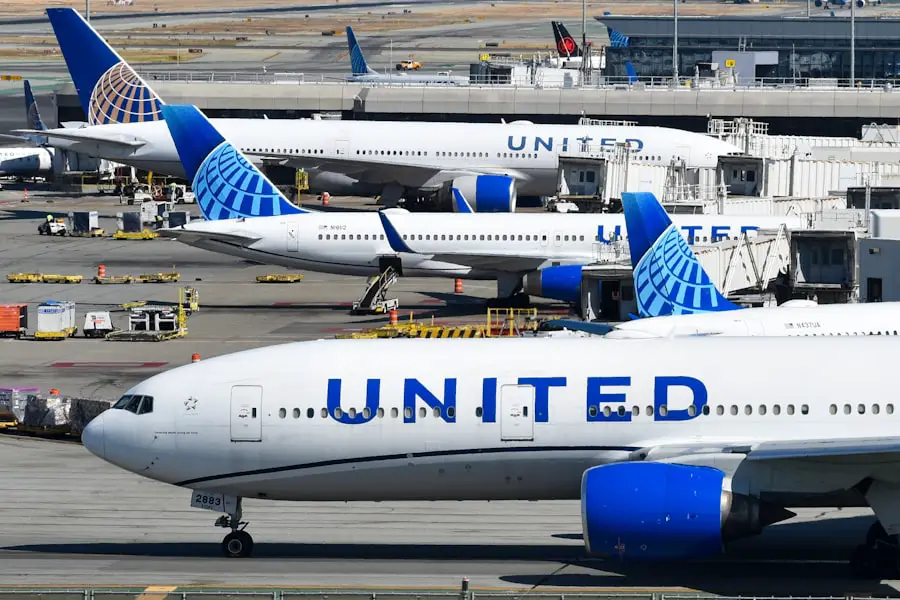
United does not manage aviation safety alone. Its operations interact with the FAA, aircraft and engine manufacturers, airports, maintenance providers, air traffic services, industry organizations, and government investigators.
The FAA certifies and oversees U.S. airlines, aircraft, pilots, flight attendants, dispatchers, maintenance organizations, and many safety-related processes. FAA aviation safety inspectors work in specialties that include operations, maintenance, avionics, and manufacturing.
The National Transportation Safety Board investigates qualifying transportation accidents and serious incidents and may issue recommendations. Aircraft manufacturers publish technical instructions, service information, and maintenance requirements. Airlines must evaluate relevant information and take required action under their approved programs and federal rules.
United also works with airports, original equipment manufacturers, maintenance and repair stations, business partners, and industry groups through its Safety Management System. During the pandemic, its publicly documented health partners included Cleveland Clinic and Clorox.
Recent Safety Improvements Reported by United
United’s 2025 Corporate Impact Report describes several current safety initiatives. The airline reported using expanded data analysis, a new Safety Hub, internal surveillance, mobile reporting tools, and risk-based audits to identify patterns and evaluate safety controls.
United also reported an 18.9% decrease from 2024 to 2025 in its rate of turbulence-related injuries and 50% fewer serious NTSB injury incidents year over year. The company attributed part of the improvement to an earlier-seating policy for flight attendants during descent.
These numbers are company-reported results rather than an independent airline ranking. They are still useful because they identify a specific hazard, a policy response, and a measured outcome. United says it continues to monitor turbulence observations and use operational data to improve routing and cabin procedures.
What Passengers Can Do to Reduce Travel Risks
Passengers cannot control weather, aircraft maintenance, or air traffic, but they can take several practical precautions:
- Keep your seat belt fastened while seated. Turbulence can occur without enough warning to turn on the sign first.
- Follow all crew instructions. Flight attendants are safety professionals, and their directions take priority during an abnormal event.
- Read the safety card. Door operation, brace positions, flotation equipment, and exit arrangements vary by aircraft.
- Do not block aisles or exits. Place bags only in approved storage areas.
- Pack power banks in carry-on baggage. Protect spare battery terminals and never travel with a swollen, damaged, or recalled battery.
- Use an approved child-restraint system. A separate seat with an approved restraint is safer for a small child than an adult’s lap.
- Carry essential medicine correctly. Keep necessary medication accessible and follow security rules for liquids and medical devices.
- Avoid flying while contagious when possible. Review medical and public-health guidance if you have a fever or significant respiratory symptoms.
- Prepare for an evacuation. Know the closest exits and leave every possession behind if instructed to evacuate.
How to Check Current United Safety and Travel Requirements
Airline and destination rules can change because of public-health developments, security conditions, weather, government entry policies, or operational needs. Check requirements again shortly before departure rather than relying on an old article or social-media post.
The policy that applies to your trip may depend on the operating carrier, destination, transit airport, aircraft type, and local government requirements.
United’s Travel-Ready Center allows travelers to review destination requirements and manage travel documents. Passengers should also check United’s dangerous-items information, the destination government’s official website, and any relevant CDC or public-health notices.
Future Safety Priorities
United’s recent reporting points to continued investment in safety analytics, employee reporting, maintenance facilities, training, emergency exercises, turbulence mitigation, and technology-resilience planning. Data tools may help safety teams identify repeated hazards or weak controls earlier, but technology still depends on reliable information, employee judgment, clear procedures, and proper follow-up.
Future improvements are likely to focus on reducing procedural errors, strengthening root-cause analysis, integrating safety data across operating groups, improving turbulence awareness, and preparing for disruptions involving weather, airport infrastructure, aircraft systems, and information technology.
United’s safety program is broader than its pandemic-era cleaning measures. Its current approach combines FAA oversight, aircraft maintenance, crew training, standard operating procedures, voluntary reporting, internal audits, emergency preparation, and passenger cooperation. Travelers should use current official sources, follow crew directions, and take simple precautions such as keeping the seat belt fastened whenever they are seated.
Sources
- United Airlines Safety Management System — United’s current SMS, reporting programs, risk controls, and emergency preparations.
- United Airlines Safety Performance — current company-reported audit, injury, turbulence, and safety-analytics information.
- FAA Safety Management System Requirements for Part 121 Operators — federal SMS requirements for scheduled airlines.
- FAA Cabin Air Quality — aircraft ventilation standards and HEPA-filtration information.
- FAA Turbulence Safety Guidance — seat-belt, child-restraint, and passenger injury-prevention recommendations.
- CDC Yellow Book: Air Travel — respiratory transmission, cabin filtration, hygiene, and travel-health guidance.
Frequently Asked Questions
Is United Airlines considered safe?
United is a certificated U.S. Part 121 airline subject to FAA requirements and oversight. It maintains an FAA-approved Safety Management System covering risk identification, training, reporting, audits, and corrective action. No airline can guarantee risk-free travel, so safety should be assessed through its systems and regulatory compliance rather than promotional claims alone.
Does United Airlines require passengers to wear masks?
United does not generally impose a blanket mask requirement on most flights. A destination, airport, government, or public-health authority may impose a specific rule. Passengers may also choose to wear a well-fitting mask or respirator for additional protection.
Do United Airlines aircraft use HEPA filters?
United has documented HEPA filtration on its mainline aircraft, and the FAA says most large U.S. commercial airplanes use HEPA filters in recirculated airflow. Equipment can differ by aircraft and operating carrier, so passengers should avoid assuming every aircraft has an identical ventilation system.
What is United’s Safety Management System?
It is a structured system for managing aviation risk. It includes safety policy, hazard identification, risk controls, performance monitoring, audits, corrective action, employee reporting, training, and communication.
What is the most important passenger safety precaution?
Keep your seat belt fastened whenever you are seated. Unexpected turbulence is a common cause of inflight injuries, and it can occur before the crew has enough warning to illuminate the seat-belt sign.
Should passengers take their bags during an evacuation?
No. Leave every bag and personal item behind. Carry-on luggage can block the aisle, injure another passenger, puncture an evacuation slide, and delay people who are trying to exit.
How can I check the latest requirements for my United flight?
Use United’s Travel-Ready Center, review your reservation, check the operating carrier, and consult official destination-government guidance. Recheck the information shortly before departure because entry and health requirements can change.
