
Last Updated on July 25, 2026 by Daniel Globe
Japanese airlines are often praised for organized boarding, attentive service, clean cabins, and thoughtful food and entertainment choices. However, the experience is not identical on every flight. The operating airline, aircraft, route, cabin class, airport, and codeshare arrangement can all affect what passengers receive.
Quick Answer
ANA and Japan Airlines are both strong full-service choices for travel to, from, and within Japan. Neither airline is automatically better for every trip. Compare the operating carrier, nonstop schedule, aircraft, seat map, baggage allowance, Wi-Fi terms, meal service, and total fare before booking.
Key Takeaways
- ANA and Japan Airlines, commonly called JAL, are the main full-service airlines covered in this guide.
- Seats, meals, Wi-Fi, entertainment, and amenities vary by route, aircraft, cabin, and operating carrier.
- In Cirium’s 2025 Asia-Pacific ranking, ANA placed third with 78.88% on-time arrivals and JAL placed fifth with 78.25%.
- Both airline groups publish safety reports, but no airline should be treated as accident-proof or delay-proof.
- The best choice is usually the flight with the right schedule, airport, aircraft, baggage allowance, and price for your trip.
Disclosure: As an Amazon Associate I earn from qualifying purchases. Some links on this page are affiliate links, at no extra cost to you.
Which Japanese Airlines Does This Guide Cover?
This review focuses mainly on All Nippon Airways, or ANA, and Japan Airlines, or JAL. Both operate extensive domestic networks and international services with multiple cabin classes.
Japan also has regional airlines and low-cost carriers. Their fares, baggage rules, seat designs, change policies, meals, and entertainment may be very different from the full-service experience described here. A ticket sold under an ANA or JAL flight number may also be operated by a partner airline.
Note: Check the words “operated by” on the booking page. The operating carrier normally determines the aircraft, cabin crew, onboard service, and many baggage procedures.
ANA vs. JAL: What Should You Compare?
| Category | ANA | JAL |
|---|---|---|
| Route and schedule | Compare nonstop options, connection times, and the departure airport. | Compare nonstop options, connection times, and the departure airport. |
| Seats | Layouts vary by aircraft and configuration. Review the seat map for the exact flight. | Layouts vary by aircraft and configuration. Review the seat map for the exact flight. |
| International Wi-Fi | Availability, price, and free access vary by aircraft, installed system, and cabin. | On eligible JAL-operated international flights, Economy and Premium Economy receive one free hour; Business and First receive unlimited access. |
| Meals | Menus depend on route, departure point, flight time, and cabin. | Menus depend on route, departure point, flight time, and cabin. |
| Baggage | Check the allowance shown on the ticket, especially when another airline operates a segment. | Check the allowance shown on the ticket, especially when another airline operates a segment. |
| Best choice | The better option when its schedule, airport, aircraft, fare, and inclusions suit your trip. | The better option when its schedule, airport, aircraft, fare, and inclusions suit your trip. |
In-Flight Experience
ANA and JAL generally provide a polished full-service experience, but passengers should not expect every flight to have the same seat, screen, meal, or amenity kit. A long-haul international aircraft may offer a very different cabin from a short domestic flight.
Economy seats commonly include an adjustable headrest, tray table, and personal storage. Seat pitch, seat width, recline, power access, and entertainment equipment depend on the aircraft configuration. Premium cabins may include larger seats, enhanced dining, lounge access, priority services, or lie-flat beds on selected long-haul aircraft.
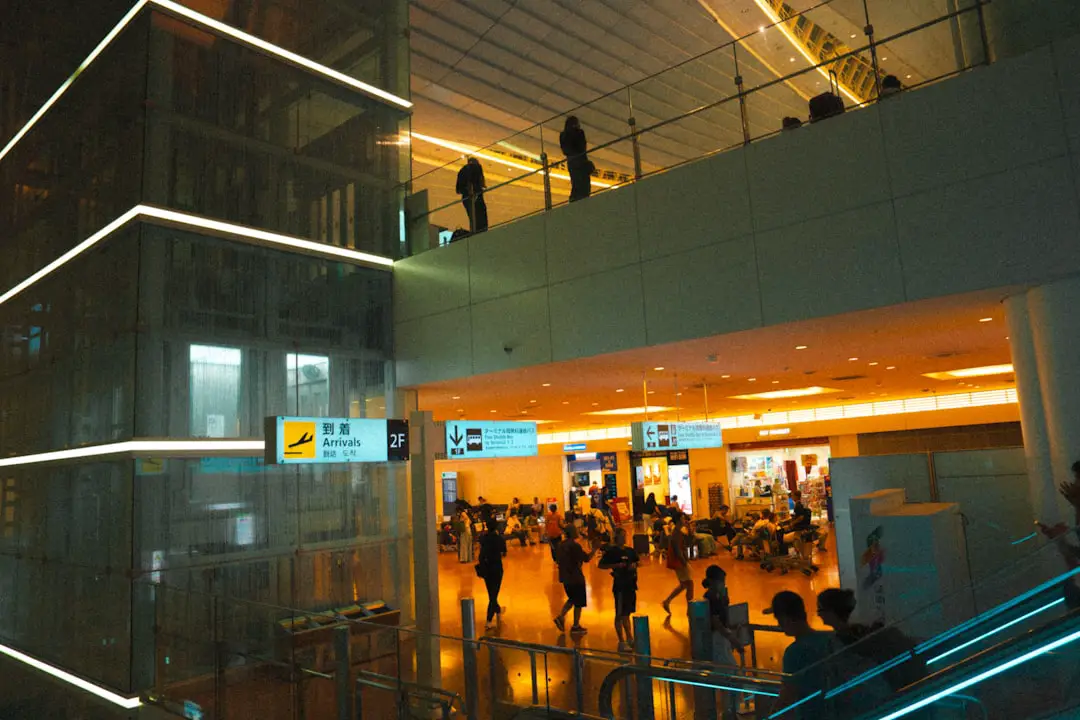
The boarding process at Japanese airports is often orderly, with clear announcements and organized queues. Actual boarding speed can still be affected by passenger volume, security procedures, weather, aircraft changes, or late inbound flights.
Pro Tip: Do not judge a flight from the airline name alone. Open the seat map, note the aircraft type, confirm who operates the flight, and check whether the seat includes power, a personal screen, or extra-legroom pricing.
Customer Service and Omotenashi
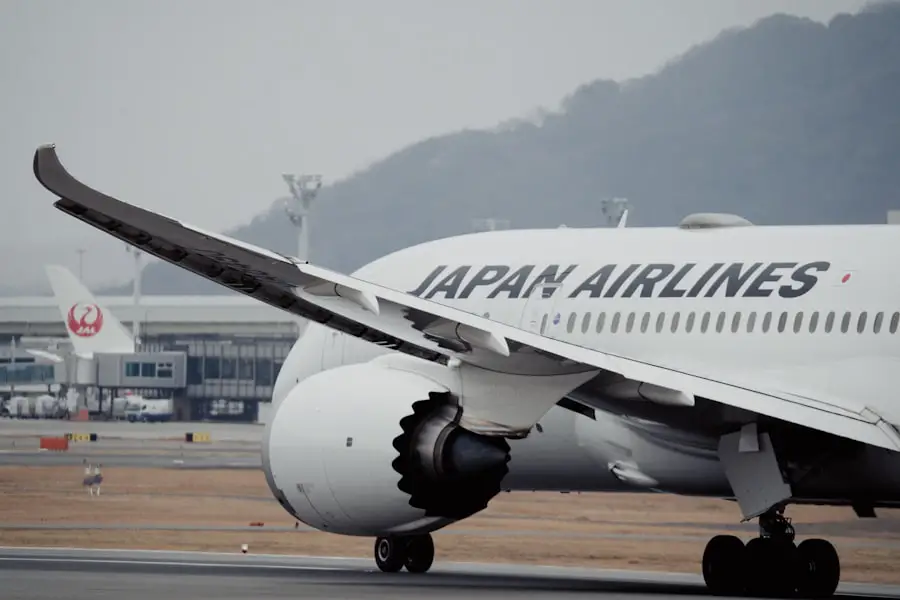
Customer service is an important part of the ANA and JAL experience. It is often associated with omotenashi, a Japanese approach to hospitality centered on looking after guests with care and consideration.
Passengers may notice polite greetings, careful presentation, clear boarding procedures, and attentive cabin service. However, service style can differ by crew, route, language, cabin, and operational conditions. Courtesy should not be interpreted as a guarantee that every request can be fulfilled.
English-language assistance is available on many international journeys and at major airports. Language coverage can be more limited at smaller domestic airports or during disruptions, so keeping the airline app, booking number, destination address, and essential instructions on your phone can help.
Safety and Reliability
Safety should be assessed through regulatory oversight, airline safety-management systems, published reports, and transparent investigation of accidents and serious incidents. ANA and JAL both publish group safety reports, while Japan’s Ministry of Land, Infrastructure, Transport and Tourism provides aviation-safety information and technical standards.
| Category | Verified Measure | Current Context |
|---|---|---|
| Punctuality | ANA 2025 on-time arrivals | 78.88%; third among qualifying Asia-Pacific airlines in Cirium’s 2025 review |
| Punctuality | JAL 2025 on-time arrivals | 78.25%; fifth among qualifying Asia-Pacific airlines in Cirium’s 2025 review |
| Safety transparency | ANA Group safety reporting | ANA publishes safety reports and information about reportable accidents and serious incidents. |
| Safety transparency | JAL Group safety reporting | JAL publishes reports describing its safety systems, risks, training, and initiatives. |
Cirium counts an airline arrival as on time when the aircraft reaches the gate within 14 minutes and 59 seconds of the scheduled arrival. These figures are useful for broad comparison, but they cannot predict a specific flight. Weather, congestion, maintenance, air-traffic restrictions, and late inbound aircraft can still cause delays or cancellations.
Warning: Do not rely on an unsourced “safety score,” accident-rate number, or punctuality claim when choosing a flight. Review the reporting period, methodology, operating carrier, and official travel notices.
In Cirium’s 2025 review, ANA ranked third and JAL ranked fifth for on-time arrivals among qualifying Asia-Pacific airlines.
Entertainment Options and Wi-Fi
Entertainment depends on the aircraft and route. Long-haul international flights may provide personal screens with movies, television programs, audio, games, and flight maps. Some domestic aircraft use wireless entertainment that passengers watch on their own phones or tablets.
JAL currently offers limited complimentary Wi-Fi on eligible JAL-operated international flights. Economy and Premium Economy passengers receive one complimentary hour, while Business and First Class passengers receive unlimited access. Additional plans may be sold, and codeshare flights can follow different rules.
ANA’s international Wi-Fi service varies by aircraft and installed system. Some systems provide complimentary internet to all cabins, while others provide free text messaging in Economy and Premium Economy with separate internet plans or benefits. Availability can change when the airline substitutes an aircraft.
Neither airline guarantees uninterrupted connectivity. Satellite coverage, regulations, maintenance, congestion, and technical problems can affect speed or availability. Voice and video calls may also be restricted to avoid disturbing other passengers.
Note: Download the airline app, entertainment app, books, podcasts, and important documents before leaving the ground. Do not depend on in-flight Wi-Fi for urgent work or time-sensitive transactions.
Food and Beverage
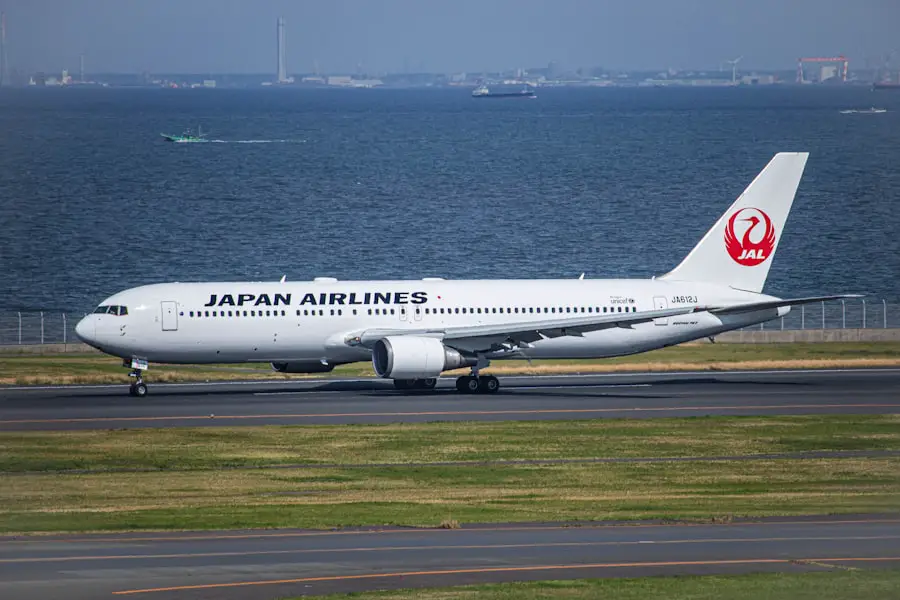
Food is one of the most noticeable parts of the long-haul ANA and JAL experience. Depending on the route and cabin, passengers may be offered Japanese-style or Western meals, snacks, soft drinks, tea, coffee, beer, wine, sake, or other beverages.
Menus change according to the departure airport, route, season, flight time, catering facilities, and cabin class. A traveler should not assume that sushi, sashimi, tempura, or any other specific dish will be served. The airlines’ official menu pages provide a more reliable preview for eligible flights.
Premium cabins may offer multi-course meals, upgraded tableware, a wider beverage list, and advance meal selection on eligible routes. Economy service is simpler but can still include a choice of main dish on longer flights.
Special meals may be available for dietary, religious, medical, child, or allergy-related needs. These usually require advance requests and remain subject to availability. Passengers with severe allergies should contact the airline directly because an aircraft cannot be guaranteed to be free of a particular allergen.
Comfort and Amenities
Comfort depends heavily on the exact seat and flight duration. Economy passengers may receive a pillow, blanket, headphones, or small amenity items on selected international routes. Short domestic flights may provide fewer items because of the shorter journey.
Premium Economy can add space, priority services, improved meals, and enhanced amenities, although the product varies. Business and First Class may include lounge access, larger entertainment screens, privacy features, premium bedding, and lie-flat seating on selected long-haul aircraft.
Travelers should confirm whether a seat is fully flat, angled, or recliner-style rather than relying only on the cabin name. The same airline can operate several seat generations at the same time.
Baggage, Check-In, and Connections
ANA and JAL generally permit one carry-on bag plus one personal item on their international flights, subject to size, weight, safety, and storage limits. Checked-baggage allowances depend on the fare, cabin, route, frequent-flyer status, and ticket conditions.
Always use the allowance printed in the reservation or e-ticket as the starting point. A codeshare itinerary, separate ticket, partner flight, or low-cost segment may follow a different rule. Oversized sports equipment, musical instruments, strollers, mobility devices, pets, and restricted items require additional checks.
Power banks and spare lithium batteries are subject to aviation-safety restrictions and should not be packed without checking the current airline rules. Restrictions can change, so review the airline’s official baggage page shortly before departure.
- Confirm whether checked baggage is transferred to the final destination.
- Allow extra time when changing between Haneda and Narita or between separate tickets.
- Keep medicine, documents, valuables, batteries, and essential overnight items in permitted carry-on baggage.
- Check the operating carrier’s rules for every segment.
Accessibility and Special Assistance
ANA and JAL provide assistance for passengers with disabilities, injuries, illnesses, mobility needs, pregnancy-related needs, young children, and other circumstances. Available support may include wheelchair assistance, boarding help, seating guidance, medical-device coordination, and airport support.
Some requests require advance notice, documentation, or approval. Contact the airline as early as possible when traveling with medical oxygen, a battery-powered mobility device, an assistance dog, a recent medical condition, or equipment that must be used during the flight.
Explain what assistance is needed rather than providing only the name of a diagnosis. Confirm arrangements again after any flight, aircraft, or itinerary change.
How to Choose Between ANA and JAL
- Start with the operating carrier. Confirm whether ANA, JAL, or a partner airline will operate each flight.
- Compare nonstop schedules. A convenient departure time or shorter connection may matter more than small service differences.
- Check the airport. Tokyo-area flights may use Haneda or Narita, which have different access times and connection needs.
- Review the aircraft and seat map. Look for seat layout, power, entertainment, lavatory location, and extra-legroom options.
- Compare the complete fare. Include seat-selection fees, baggage, change rules, refundability, meals, and Wi-Fi.
- Check special requirements. Review dietary meals, child services, accessibility assistance, or equipment policies before paying.
- Consider disruption options. More daily flights on the same route may provide additional rebooking possibilities.
Pro Tip: When two flights have similar prices, choose based on the operating aircraft, airport, schedule, baggage allowance, and connection risk instead of relying on a general ANA-versus-JAL ranking.
Overall Impression and Conclusion
ANA and JAL both offer competitive full-service travel experiences, with organized operations, Japanese and international meal choices, multiple cabin classes, entertainment, and passenger-assistance services. Their current punctuality results also place both among the stronger qualifying airlines in the Asia-Pacific region, although delays remain possible.
Neither airline wins every category on every route. A newer aircraft, better departure time, nonstop itinerary, preferred airport, useful baggage allowance, or lower total fare can make one flight clearly better for a particular traveler.
Before booking, verify the operating carrier, aircraft, seat map, baggage allowance, meal availability, Wi-Fi terms, connection airport, and change conditions. That flight-specific comparison will be more useful than treating all Japanese airlines as identical.
Small packing choices can also make a long trip more comfortable. For compact dental-care options, see this guide to the best travel toothbrushes.
Frequently Asked Questions
Are Japanese airlines good?
ANA and JAL are well-established full-service airlines with extensive domestic and international operations. Many passengers value their organized service, food, cabin cleanliness, and punctuality. The exact experience still depends on the aircraft, route, cabin, crew, and operating conditions.
Is ANA or JAL better?
Neither is better for every trip. Compare the nonstop schedule, airport, aircraft, seat map, total fare, baggage allowance, meal service, Wi-Fi, and change rules for the exact flights you are considering.
Are ANA and JAL safe?
Both airlines operate under Japan’s aviation regulatory system and publish safety reports describing their safety programs and reportable events. No airline is risk-free, so avoid relying on promotional labels or unsourced accident-rate claims.
Are Japanese airlines punctual?
ANA and JAL performed well in Cirium’s 2025 Asia-Pacific comparison. ANA recorded 78.88% on-time arrivals and ranked third, while JAL recorded 78.25% and ranked fifth. Weather, congestion, maintenance, and air-traffic restrictions can still disrupt individual flights.
Do ANA and JAL provide free Wi-Fi?
JAL provides one complimentary hour for Economy and Premium Economy and unlimited access for Business and First Class on eligible JAL-operated international flights. ANA’s international terms vary by aircraft, installed system, and cabin. Always check the flight-specific page.
Are meals included on Japanese airlines?
Meals are commonly included on longer ANA and JAL international flights, but the service depends on the route, flight time, cabin, and fare. Short domestic flights may provide drinks or limited food service instead of a full meal.
Can I request a special meal?
Special meals are available on eligible flights for certain dietary, religious, medical, child, or allergy-related needs. They normally must be requested before the airline’s deadline and cannot be guaranteed after a late booking or flight change.
Do codeshare flights have the same service?
Not necessarily. A ticket may carry an ANA or JAL flight number but be operated by another airline. The operating carrier may determine the aircraft, crew, meals, seats, Wi-Fi, baggage handling, and onboard amenities.
Sources
- Cirium 2025 On-Time Performance Review — ANA and JAL punctuality figures and ranking methodology
- ANA Group Safety Reports — ANA safety policies and reporting
- JAL Group Safety Reports — JAL safety policies and reporting
- ANA International In-Flight Service Guide — seats, meals, amenities, and cabin services
- JAL International In-Flight Service Guide — seats, dining, Wi-Fi, entertainment, and amenities
- Japan Civil Aviation Bureau Safety Information — national aviation-safety oversight and reporting
