
Last Updated on July 27, 2026 by Daniel Globe
Azores Airlines is a Portuguese airline based in Ponta Delgada that connects the Azores with mainland Portugal and international destinations in Europe and North America. One important point is often missed: Azores Airlines is not the same airline as SATA Air Açores. Azores Airlines is the brand used by SATA Internacional, while SATA Air Açores is its sister airline and operates most inter-island flights within the Azores.
Quick Answer
Yes. Based on current regulatory status and independent safety indicators, Azores Airlines is a reasonable airline to fly. It is a Portuguese operator under ANAC oversight, remains IOSA-registered, has a current 7/7 AirlineRatings safety score, and operates an all-Airbus A320-family fleet. Its notable 2009 A320 hard-landing accident caused no injuries.
Key Takeaways
- Azores Airlines is the commercial brand of SATA Internacional. It is separate from SATA Air Açores, the SATA Group airline responsible for most inter-island flying.
- Portugal’s ANAC is the national aviation authority overseeing the operator under European Union aviation rules developed within the EASA framework.
- Azores Airlines currently holds a 7/7 safety score from AirlineRatings.com and remains registered under IATA’s IOSA operational-safety audit program.
- Its current scheduled fleet is made up of Airbus A320, A320neo, A321neo, and A321LR aircraft.
- SATA Internacional, now branded Azores Airlines, had a serious A320 hard-landing accident in 2009. No passengers or crew were injured.
- Historical fatal crashes involving SATA Air Açores should not be described as Azores Airlines accidents because the two are separate operating airlines.
- Service problems such as delays, baggage issues, or an inconvenient diversion can affect a trip without being evidence that an airline is unsafe.
Disclosure: As an Amazon Associate I earn from qualifying purchases. Some links on this page are affiliate links, at no extra cost to you.
Safety Record and Regulations
Azores Airlines vs. SATA Air Açores
Understanding the two SATA airlines is essential before looking at their safety histories. The SATA organization traces its roots to 1941, but the company that now flies as Azores Airlines is SATA Internacional. According to the official SATA history, SATA Internacional received its Air Operator Certificate in 1998 and began using the Azores Airlines brand in 2015.
SATA Air Açores is a separate sister airline within the SATA Group. It operates the core inter-island network using regional turboprop aircraft. Azores Airlines, identified by the IATA code S4, focuses on services linking the Azores with mainland Portugal, Madeira, Europe, North America, and other external destinations. SATA Air Açores uses the code SP.
Note: This distinction matters when researching accidents. Fatal accidents in the older history of SATA Air Açores are not accidents involving SATA Internacional/Azores Airlines, and the records should not be combined as though they were one operating airline.
Regulatory Oversight
Azores Airlines is a Portuguese commercial air-transport operator. Portugal’s Autoridade Nacional da Aviação Civil (ANAC) lists SATA Internacional – Azores Airlines among operators holding a valid air-transport licence.
Like other European Union airlines, it operates within the EU aviation-safety framework. The European Union Aviation Safety Agency establishes common European rules and conducts standardization work, while national aviation authorities normally carry out certification and continuing oversight of airlines based in their countries. Therefore, it is more precise to say that Azores Airlines is overseen by ANAC under EU/EASA aviation rules than to describe EASA as its sole direct regulator.
IOSA Registration and Independent Safety Rating
Azores Airlines and SATA Air Açores have both undergone the IATA Operational Safety Audit (IOSA). IOSA is an internationally recognized system used to evaluate an airline’s operational management and control systems. SATA Group has also publicly confirmed renewal of IOSA certification for both airlines.
AirlineRatings.com currently gives Azores Airlines its maximum 7/7 safety score. Its current assessment credits IOSA registration, the absence of a fatal accident within its rating window, operating safety standards, and the airline’s status regarding European flight bans.
Warning: A 7/7 commercial safety rating is useful supporting evidence, but it is not a guarantee that an accident can never occur and it does not mean an airline is automatically safer than every carrier with the same score.
Azores Airlines Accident and Incident History
The statement that Azores Airlines has had no fatal passenger accident needs one important qualification: it applies specifically to SATA Internacional/Azores Airlines rather than the entire SATA aviation history.
Azores Airlines’ predecessor, SATA Internacional, did have a significant non-fatal accident on August 4, 2009. An Airbus A320 operating from Lisbon to Ponta Delgada made a hard landing, bounced, and then experienced a severe second touchdown. The Portuguese accident investigation found that all 166 passengers and seven crew members escaped injury, but the aircraft sustained damage. The aircraft subsequently operated additional sectors before the full extent of the event was assessed. The investigation examined flight-crew actions, ground-spoiler operation, reporting, and maintenance response.
The event is important because an honest safety review should not treat “no fatalities” as meaning “no accidents.” It also shows why modern aviation safety depends on incident investigation, corrective training, manufacturer changes, maintenance procedures, and recurrent crew training.
There is also a separate historical record involving SATA Air Açores. The SATA Group’s own history records fatal crashes involving that airline, including a 1947 accident and the 1999 Flight 530M accident. Those events belong to SATA Air Açores, not SATA Internacional/Azores Airlines.
More recently, in July 2025, Azores Airlines flight S4 504 from Ponta Delgada to Bilbao diverted to Lisbon after a bomb threat was reported during the flight. Authorities inspected the aircraft and baggage and found no explosive device. Passengers disembarked safely. The event was a security incident rather than an aircraft-safety failure.
The strongest safety assessment is not “nothing has ever gone wrong.” It is whether an airline operates under credible oversight, learns from incidents, maintains its aircraft, trains crews recurrently, and continues to meet recognized operating standards.
Proactive Risk Management
The airline operates within a framework that requires formal safety-management processes for identifying hazards, assessing operational risk, reporting occurrences, and following corrective actions. Its safety management system is also within the scope of the operational-management systems examined through IOSA.
Regular oversight, internal monitoring, mandatory occurrence reporting, recurrent training, maintenance controls, and external audits are more meaningful indicators of day-to-day aviation safety than marketing claims alone.
Fleet and Maintenance
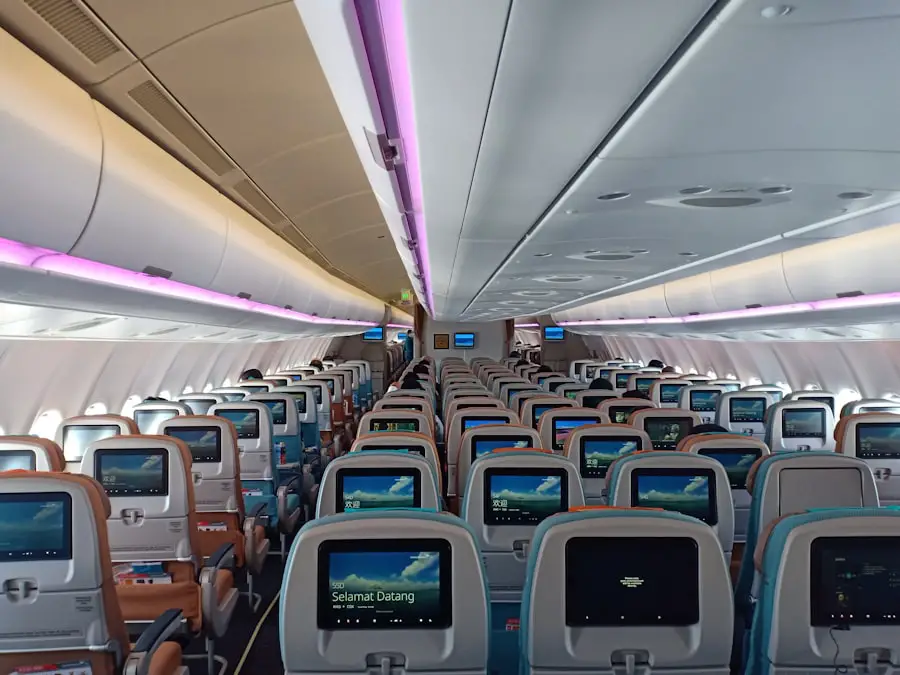
The current official SATA fleet page lists Azores Airlines aircraft from four Airbus A320-family variants:
| Aircraft | Current Listed Fleet | Typical Role |
|---|---|---|
| Airbus A320 | 2 | Mainland Portugal and shorter routes |
| Airbus A320neo | 2 | Short- and medium-haul routes |
| Airbus A321neo | 2 | Higher-capacity European and Atlantic flying |
| Airbus A321LR | 3 | Longer Atlantic routes including North America |
The Airbus A321neo family uses modern CFM LEAP engines, and the A321LR provides the extra range needed for many transatlantic services. The airline’s official fleet information lists the A321LR with a range of about 8,200 km.
The Bombardier Q200 and Q400 aircraft shown elsewhere on SATA’s fleet page belong to SATA Air Açores and support the specialized inter-island operation. They should not be described as part of the Azores Airlines Airbus fleet.
Maintenance for an EU commercial airline must comply with European airworthiness and continuing-airworthiness requirements. IOSA adds an independent operational audit layer, but it should not be described as a substitute for the legally required aircraft-maintenance and airworthiness system.
Pilot Training and Experience
Azores Airlines pilots operate under European flight-crew licensing and commercial-air-transport requirements. The original claim that every pilot must have “1,000+ flight hours” and “50+ simulator hours” is not a verified Azores Airlines standard, so the more useful comparison is the recurrent training that European commercial-airline crews are actually required to complete.
| Requirement | Current Standard |
|---|---|
| Operator Proficiency Check | Generally valid for 6 calendar months |
| Line Check | Validity period of 12 calendar months |
| Emergency and Safety Equipment Training | Recurrent training and checking every 12 calendar months |
| Ground and Aircraft/Simulator Training | At least every 12 calendar months |
The current EASA Easy Access Rules for Air Operations require recurrent training relevant to the aircraft type and equipment. Training covers aircraft systems, normal procedures, abnormal and emergency procedures, safety equipment, crew resource management, and proficiency checking.
That framework is particularly relevant for an airline operating across the North Atlantic and into airports where wind, low cloud, changing visibility, and oceanic weather can affect operations. A diversion or delayed approach in difficult weather is not evidence of poor safety; it can be the result of crews applying operating limits as intended.
Emergency Response and Preparedness
Commercial airlines operating under EU rules must train flight and cabin crews for abnormal and emergency situations. Recurrent programs cover aircraft emergencies, emergency equipment, evacuation procedures, crew coordination, and other situations defined in the operator’s approved training program.
Pro Tip: Check the operating carrier on your ticket rather than relying only on the SATA brand. Flight numbers beginning with S4 normally identify Azores Airlines, while SP identifies SATA Air Açores. That tells you which airline, fleet, and safety history actually apply to your flight.
The July 2025 diversion to Lisbon after a security threat is one example of emergency procedures being used conservatively. The threat was ultimately found to be false, but the flight diverted so authorities could inspect the aircraft and baggage before operations continued.
Airports serving SATA flights also maintain their own fire, rescue, medical, air-traffic-control, and security capabilities. These airport services operate alongside the airline’s onboard and operational emergency procedures.
Customer Reviews and Feedback

Passenger reviews can help evaluate comfort, communication, baggage delivery, boarding, food, and disruption handling, but they are a weak tool for judging technical flight safety.
Skytrax currently certifies SATA Azores Airlines as a 3-Star Airline. That rating evaluates airport and onboard product and staff service. Skytrax comments positively on some onboard standards while also identifying limitations such as product consistency and the suitability of the long-haul business-class product.
Those findings should not be confused with a safety rating. A passenger can reasonably criticize a delay, baggage problem, seat, meal, or customer-service experience while the flight itself remains compliant with required safety procedures.
Health and Hygiene Protocols
The strongest verifiable cabin-air claim comes from the aircraft manufacturer rather than from broad references to “enhanced cleaning.” Airbus states that its modern aircraft use a mixture of fresh outside air and recirculated air passed through High-Efficiency Particulate Air filters.
According to Airbus cabin-air information, HEPA filters remove more than 99.9% of particles from recirculated air, while cabin air is renewed approximately every two to three minutes. HEPA filtration is standard across the A320 family used by Azores Airlines.
Note: HEPA filtration supports cabin air quality, but it does not eliminate every possible health risk associated with travel or close contact with other passengers.
Safety Ratings, Certifications, and Group Recognition
Azores Airlines’ strongest current safety credentials are its regulated Portuguese operating status, IOSA registration, and 7/7 AirlineRatings safety score. These are more relevant to a present-day safety decision than historical awards.
The SATA Group also has older recognitions worth putting in the correct context. SATA Air Açores, rather than Azores Airlines, received an International Civil Aviation Organization Medal of Honor in 1994 for the quality of its services and operational procedures. SATA Air Açores also received the European Regions Airline Association’s 2011/12 Bronze Airline of the Year recognition.
Those achievements form part of SATA’s wider corporate history, but the ERA award should not be presented as a dedicated safety award, and neither recognition should be attributed directly to SATA Internacional/Azores Airlines.
Comparison with Other Airlines
Azores Airlines operates under the same broad European commercial-air-transport framework that applies to other Portuguese and EU carriers. Its current 7/7 AirlineRatings score and IOSA registration are positive indicators, but many established airlines meet similar standards.
That makes it more useful to compare airlines on several separate questions:
- Regulatory status: Does the airline hold the required operating approvals and remain under active aviation-authority oversight?
- Independent auditing: Is the airline IOSA-registered or subject to comparable recognized audits?
- Accident and incident history: Are serious events disclosed and investigated rather than ignored?
- Fleet and maintenance: Is the aircraft operated under current airworthiness and maintenance requirements?
- Operational reliability: How frequently do passengers encounter delays, cancellations, baggage problems, or poor disruption handling?
- Service quality: What are the seat, food, staff, and cabin experience like?
Azores Airlines compares positively on the first four safety-oriented factors reviewed here. Service quality and operational reliability can be more variable and should be evaluated separately from safety.
Safety Tips for Traveling with Azores Airlines
Passengers cannot control airline operations, but a few simple habits can make a trip safer and easier:
- Check the operating carrier. Confirm whether the flight is operated by Azores Airlines (S4), SATA Air Açores (SP), or a partner airline.
- Review flight status before leaving for the airport. Weather in the Azores can cause delays, diversions, or schedule changes.
- Keep your seat belt fastened while seated. Unexpected turbulence can occur even when the seat-belt sign is off.
- Listen to the safety briefing. Exit locations and emergency-equipment details can vary by aircraft.
- Keep essential medication and documents in your cabin bag. That reduces problems if checked baggage is delayed.
- Do not treat a weather diversion as a safety failure. Diverting, holding, delaying departure, or cancelling can be the safer operational decision.
If your Azores trip includes hiking, whale watching, or camping on the islands, packing suitable outdoor equipment also matters. A solar-powered camping lantern can provide useful backup lighting when spending evenings away from developed areas.
Travelers interested in aviation risk should also keep individual events in perspective. A dramatic diversion or news story does not by itself show that a carrier has become unsafe, just as a history without a fatal accident does not guarantee that future flights carry zero risk.
Is Azores Airlines Safe for Travelers?
Based on the evidence available in 2026, Azores Airlines has several strong safety indicators. It is a licensed Portuguese operator under ANAC oversight and EU aviation rules, remains IOSA-registered, holds a current 7/7 AirlineRatings safety score, and operates a modern Airbus A320-family fleet.
Its record is not literally incident-free. SATA Internacional experienced a serious but non-fatal A320 hard-landing accident in 2009, and Azores Airlines has dealt with later operational and security events such as the 2025 false bomb threat that led to a diversion to Lisbon. Those events deserve to be included rather than hidden behind a blanket claim of a “clean” history.
It is equally important not to transfer historical SATA Air Açores accidents to Azores Airlines simply because both use the SATA name. They are separate operating airlines with different fleets and operating histories.
For a traveler deciding whether to book an Azores Airlines flight, the current combination of regulatory oversight, IOSA auditing, recurrent EU crew-training requirements, independent safety ratings, and modern Airbus aircraft provides a reasonable basis for confidence.
Frequently Asked Questions
Is Azores Airlines a safe airline to fly with?
Current evidence supports that conclusion. Azores Airlines is a licensed Portuguese carrier operating under ANAC oversight and EU aviation rules, remains IOSA-registered, and currently holds a 7/7 safety score from AirlineRatings.com.
Are Azores Airlines and SATA Air Açores the same airline?
No. Azores Airlines is the brand used by SATA Internacional and normally uses the flight code S4. SATA Air Açores is a separate sister airline that operates most inter-island flights and uses the code SP.
Has Azores Airlines ever had a serious accident?
Yes. In August 2009, SATA Internacional, now branded Azores Airlines, had a severe A320 hard-landing accident at Ponta Delgada. The aircraft was damaged, but none of the 166 passengers or seven crew members was injured.
Has Azores Airlines had a fatal crash?
The operating history reviewed for SATA Internacional/Azores Airlines does not show a fatal passenger accident. However, separate historical fatal crashes occurred at SATA Air Açores, including the 1999 Flight 530M accident. The two airlines should not be treated as the same operator.
What does Azores Airlines’ 7/7 safety rating mean?
It is AirlineRatings.com’s highest current safety score. The methodology considers factors including IOSA registration, recent fatal-accident history, operating standards, and EU-ban status. It is an independent commercial rating rather than a government certification or guarantee of zero risk.
What aircraft does Azores Airlines fly?
Its current listed fleet consists of Airbus A320, A320neo, A321neo, and A321LR aircraft. SATA Air Açores operates the Bombardier regional turboprops used on most inter-island services.
How are Azores Airlines pilots trained?
Azores Airlines pilots operate under European licensing and commercial-air-transport rules. Those rules require recurrent aircraft-specific training, operator proficiency checks, line checks, emergency-equipment training, and recurring ground and simulator or aircraft training.
Sources
- Portugal ANAC — Valid Air Transport Licences — confirms SATA Internacional – Azores Airlines as a licensed Portuguese air-transport operator.
- Azores Airlines — Official SATA History — company timeline, SATA Internacional history, Azores Airlines branding, and historical SATA Air Açores events.
- Azores Airlines — Official Fleet — current Airbus A320, A320neo, A321neo, and A321LR fleet information.
- SATA Group — IOSA Certification Renewal — confirms renewed IOSA operational-safety certification for Azores Airlines and SATA Air Açores.
- European Union Aviation Safety Agency — Easy Access Rules for Air Operations — current EU commercial-air-transport and recurrent flight-crew requirements.
- GPIAA Final Accident Report 33/ACCID/2009 — official investigation report covering the August 2009 SATA Internacional Airbus A320 hard-landing accident.
