
Last Updated on July 31, 2026 by Daniel Globe
AirAsia can be a good airline when low fares and convenient routes matter more than bundled extras. Its large Asian network makes it useful for regional trips, and its base prices can be highly competitive. However, travelers need to pay close attention to baggage limits, seat selection, meals, connections, airport cutoffs, and the specific AirAsia carrier operating the flight.
Quick Answer
AirAsia is a good choice for price-conscious travelers who can pack light and manage a self-service trip. It offers a broad Asian network and often-low base fares. The trade-offs are strict baggage rules, paid extras, tighter economy seating, and support that may require patience. Compare the complete trip cost before booking.
Key Takeaways
- AirAsia is best for travelers who value price, route choice, and simple point-to-point travel.
- The free cabin allowance is normally one cabin bag and one personal item with a combined weight of 7 kg.
- Checked baggage, seat selection, meals, and other extras can materially increase the final price.
- AirAsia’s safety history includes the fatal 2014 crash of Indonesia AirAsia Flight QZ8501, so the brand should not be described as accident-free.
- Punctuality and customer-service results vary by operating carrier, airport, route, and month.
- AirAsia is often good value when its all-in fare remains lower after adding everything you need.
At a Glance
| Best For | Budget-conscious travelers, light packers, and regional trips in Asia |
| Main Trade-Off | Many services are optional and support is strongly self-service |
| Network | More than 150 destinations across the AirAsia network |
| Free Cabin Baggage | One cabin bag plus one personal item, combined maximum of 7 kg |
| Cabin Experience | Compact economy seating; food, preferred seats, Wi-Fi, and other facilities vary by aircraft and fare |
| Overall Verdict | Good value when the all-in price still beats competing airlines |
Disclosure: As an Amazon Associate I earn from qualifying purchases. Some links on this page are affiliate links, at no extra cost to you.
Is AirAsia a Good Airline?
AirAsia is a capable low-cost airline group rather than a full-service carrier. It can provide excellent value on a direct flight when you understand the fare conditions and buy any needed extras before reaching the airport. Its strongest advantages are price, network reach, and frequent regional service.
The airline is less suitable for travelers who expect free checked baggage, generous seat space, lounge access, flexible ticket changes, full-service disruption support, or complimentary meals on a standard fare.
AirAsia Is Usually a Good Fit If You:
- Can travel with little luggage or prepay for the exact baggage allowance you need.
- Are comfortable completing check-in, changes, and support requests online.
- Want a nonstop or simple regional route that another airline does not operate conveniently.
- Do not mind paying separately for a preferred seat, food, baggage, and other extras.
- Can leave extra time around an important appointment or separate connecting flight.
Another Airline May Be Better If You:
- Need a checked bag, seat selection, meals, and flexibility included in one fare.
- Require extensive live-agent support during a complicated disruption.
- Want a roomy economy cabin or full-service long-haul experience.
- Are booking a tight connection on separate tickets.
- Cannot stay within a combined 7 kg cabin-baggage limit.
What AirAsia Is in 2026
AirAsia is a group of low-cost airlines rather than one identical carrier operating every flight. Its current corporate profile says it holds airline licenses in Malaysia, Thailand, Indonesia, the Philippines, and Cambodia and connects more than 150 destinations. The group reports having served more than 900 million guests since its founding in 2001. See the current AirAsia corporate profile.
The corporate organization also changed in 2026. AirAsia X Berhad completed its name change to AirAsia Group Berhad effective July 2, 2026 following the consolidation of the airline businesses. This corporate change does not mean every flight has the same cabin, rules, staff, or performance. The operating carrier shown on your ticket remains important.
Common short-haul carrier codes include AK for Malaysia AirAsia, FD for Thai AirAsia, QZ for Indonesia AirAsia, Z2 for Philippines AirAsia, and KT for AirAsia Cambodia. Long-haul services may use codes such as D7 for AirAsia X or XJ for Thai AirAsia X.
Note: Check the two-character airline code, departure airport, terminal, baggage terms, and operating carrier on your itinerary. A rule or performance figure for one AirAsia airline may not apply to another.
AirAsia Safety Record and Regulatory Oversight
AirAsia should not be described as accident-free. The most serious accident associated with the group was Indonesia AirAsia Flight QZ8501, an Airbus A320 that crashed into the Java Sea on December 28, 2014, while flying from Surabaya to Singapore. All 162 people aboard died.
The official Indonesian investigation described a chain of events involving a recurring fault in the rudder travel limiter system, maintenance handling of repeated fault messages, an electrical interruption, disengagement of the autopilot, a major aircraft upset, and a prolonged stall from which the crew did not recover. The complete record is available through the BEA page hosting the KNKT investigation materials.
That accident is essential historical context, but it does not by itself determine the safety of every present-day AirAsia flight. Each AirAsia operator must maintain its own air operator certificate and comply with the aviation authority responsible for its country. Those requirements cover aircraft maintenance, crew qualification, operating procedures, safety management, and regulatory inspection.
Fleet age also should not be used as a shortcut for judging safety. A properly maintained older aircraft can be airworthy, while a newer aircraft still depends on correct maintenance, training, procedures, and oversight.
Warning: A passenger-service award, star rating, or low-cost-airline ranking is not a safety certificate and does not guarantee that an airline will never have an accident.
On-Time Performance and Reliability
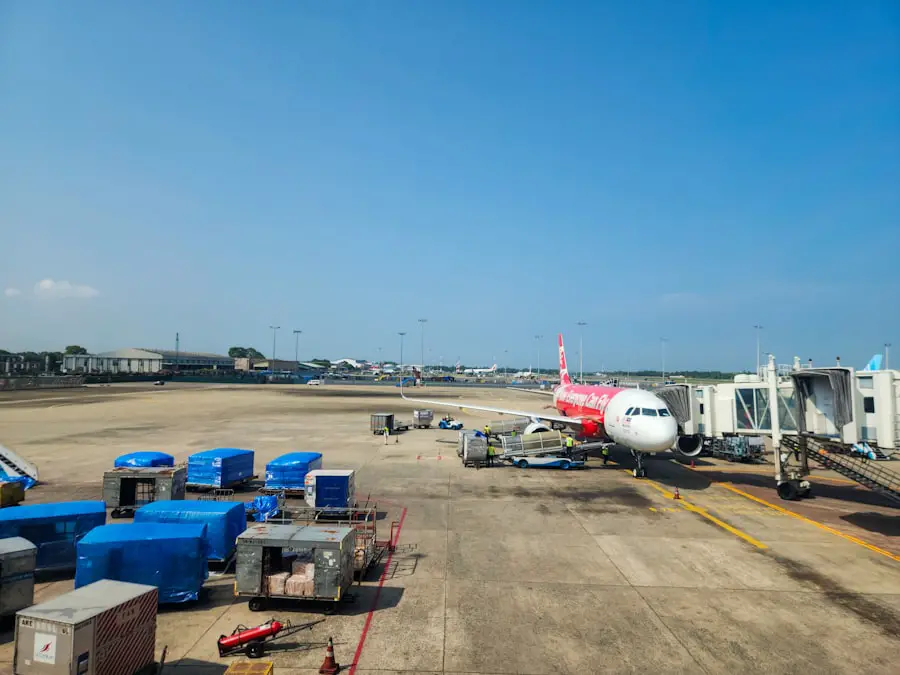
AirAsia’s reliability cannot be reduced to one permanent rating. Weather, congestion, airport infrastructure, aircraft rotations, crew availability, and the individual operating carrier can all affect whether a flight arrives on time.
OAG recorded AirAsia at 83.02% on-time performance across 14,502 flights in June 2026. Philippines AirAsia performed substantially better that month at 92.96%.
The June 2026 figures are encouraging, especially for Philippines AirAsia, but they represent one month. They should not be treated as a guarantee for every route. Current results can be checked through the OAG on-time performance database.
Longer-term evidence also shows why carrier and period matter. Malaysia’s aviation consumer report for July through December 2024 showed Malaysia AirAsia’s domestic monthly on-time performance between 63.1% and 70.8%, below the report’s 85% target in every month of that period. Conditions may have changed since then, but the figures show that a general statement such as “AirAsia is always punctual” would be unreliable.
Before booking an important trip, look for recent results for the operating carrier and airport rather than relying on a group-wide reputation. A morning flight may also provide more recovery options if a disruption occurs.
Customer Reviews, Complaints, and Satisfaction
Passenger reviews commonly differ because expectations differ. A traveler who paid a very low fare for a short nonstop flight may be highly satisfied. A traveler who bought several extras, experienced a delay, or needed urgent human support may judge the same airline much more harshly.
Regulator data provides more useful context than isolated online reviews. The Malaysian Aviation Commission’s consumer report recorded 611 complaints concerning AirAsia during the second half of 2024. The report showed that 92% had been closed within 30 days as of its reporting cutoff. Delay-related complaints were one of the main categories.
Those figures should be read carefully. They cover a particular operator, market, and six-month period rather than every AirAsia airline worldwide. They nevertheless support a balanced conclusion: AirAsia handles a large number of passengers and resolves many cases, but disruptions and communication remain meaningful sources of dissatisfaction.
AirAsia directs many support requests through its online support center and Chat with Bo service. This can work efficiently for routine tasks, but travelers who strongly prefer telephone or airport-agent support may find the self-service model less comfortable.
Fleet, Maintenance, and Cabin Comfort
AirAsia’s current group profile describes a fleet of more than 250 aircraft. Short- and medium-haul services are centered on Airbus A320-family aircraft, while AirAsia X and Thai AirAsia X use Airbus A330 aircraft for longer routes.
| Aircraft or Cabin | Typical Use | What Passengers Can Expect |
| Airbus A320 family | Most regional and short-haul routes | Single-aisle economy cabin with compact standard seats and paid preferred-seat options |
| Airbus A321neo | Higher-capacity regional services | Low-cost configuration; charging and connectivity depend on the individual aircraft |
| Airbus A330 | AirAsia X and Thai AirAsia X long-haul routes | Wider cabin, standard economy seating, and Premium Flatbed on eligible aircraft and routes |
Standard A320-family seats generally offer about 28 to 29 inches of pitch, depending on the aircraft and configuration. Seat width is commonly around 16 to 17 inches. Hot Seats may provide a preferred location, quicker exit, or slightly more room, but the exact benefit depends on the row.
AirAsia X’s A330 cabins generally provide more pitch in standard economy than the narrowbody fleet. Premium Flatbed offers substantially more space and recline, but it is not available on every flight. Review the seat map before paying because the same seat label can produce different experiences on different aircraft.
Maintenance costs cannot be estimated reliably from an invented per-aircraft table. Actual maintenance programs depend on aircraft utilization, age, engine type, scheduled checks, component condition, contracts, and regulator requirements. For passengers, the more relevant question is whether the aircraft is operated under a valid certificate and maintained according to its approved program.
Pilot Experience and Training
AirAsia pilots must hold the licenses and medical certificates required by the regulator overseeing their operating carrier. Airline pilots also complete aircraft-specific training, simulator checks, recurrent assessments, emergency-procedure training, and line checks.
It is not possible to judge the skill of an airline’s entire pilot workforce from a marketing claim or an average number of flight hours. Effective safety depends on initial selection, recurrent training, crew coordination, standard operating procedures, fatigue management, reporting culture, and the airline’s response to operational risks.
The QZ8501 investigation also demonstrates why training and maintenance cannot be evaluated separately. Technical faults, cockpit actions, automation behavior, and recovery skills can interact during an emergency. A credible safety review therefore considers the complete operating system rather than focusing only on fleet age or pilot seniority.
Route Network and Destinations
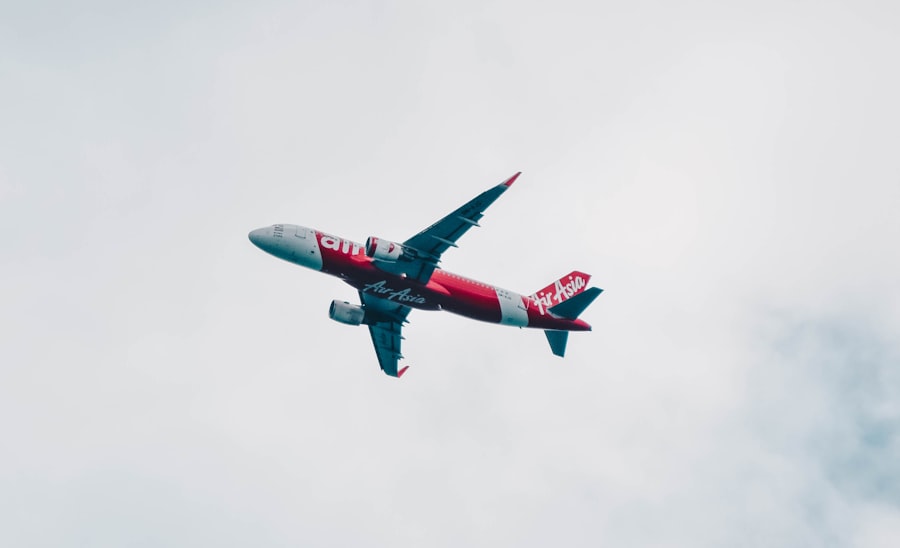
AirAsia’s broad network is one of its clearest strengths. The group currently describes a network of more than 150 destinations, with operating bases across several Southeast Asian countries. This can make AirAsia especially useful for direct regional flights and routes that would otherwise require a connection.
Schedules change by season, demand, aircraft availability, and operating carrier. Always confirm that a destination shown in an older article or route map is still available on your intended date.
Fly-Thru Connections
Eligible AirAsia connections may be sold as Fly-Thru itineraries. On these bookings, the flights are combined into one itinerary and checked baggage can normally be tagged through to the final destination at participating hubs, subject to local immigration and customs procedures.
AirAsia publishes airport-specific instructions because transfer steps differ at Kuala Lumpur, Bangkok Don Mueang, Manila, Jakarta, Bali, and other locations. Review the current AirAsia Fly-Thru instructions before travel.
Warning: Two AirAsia flights bought as separate tickets are not automatically a protected connection. A delay on the first ticket may cause you to miss the second without free rebooking. Leave a generous buffer or book an eligible through itinerary.
In-Flight Amenities and Services
AirAsia provides a no-frills experience on standard fares. The basic seat and transportation are the core product; many comfort and convenience features are sold separately.
Seats
Standard economy seats are best suited to short and medium journeys. Taller travelers may prefer a Hot Seat, an exit-row seat where eligible, or another extra-legroom option. Prices vary by route and demand. The current choices can be reviewed on the official AirAsia seat-options page.
Meals and Drinks
Meals and snacks are generally available for purchase, and preordering can provide a wider selection than waiting until the flight. Availability differs by carrier, route, flight length, and catering station. Do not assume that a free meal is included unless it appears in your fare bundle or itinerary.
Wi-Fi, Entertainment, and Power
Some AirAsia aircraft offer Wi-Fi or entertainment streamed to a passenger’s own device, but these facilities are not universal. Charging ports also vary by aircraft. Download essential files and entertainment before departure and carry a charged device and headphones.
Long-Haul Comfort
AirAsia X is still a low-cost product, even on a long flight. Standard economy can feel compact over many hours, while Quiet Zone, preferred seating, and Premium Flatbed may offer more comfort for an added charge. Compare the upgraded AirAsia price with a full-service airline before paying.
Pro Tip: Open the seat map and add every needed extra before comparing airlines. A low base fare can remain an excellent deal, but only the final checkout price shows the true value.
AirAsia Baggage Policies and Fees
AirAsia applies its cabin-baggage allowance strictly, particularly on busy flights. The standard published allowance is:
- One cabin bag: Maximum 56 cm × 36 cm × 23 cm, stored in the overhead compartment.
- One small personal item: Maximum 40 cm × 30 cm × 10 cm, stored under the seat where permitted.
- Combined weight: No more than 7 kg for both items together.
Strapping or tying several bags together does not turn them into one item. Infants under two generally do not receive a separate cabin-baggage allowance, while children aged two or older normally receive the adult allowance. The official dimensions are listed in AirAsia’s cabin-baggage advisory.
Checked baggage is usually optional on the lowest fares, although some bundles include an allowance. The available weight bands and prices depend on the operating carrier and route. As one current example, AirAsia Philippines sells allowances from 20 kg to 60 kg and limits each individual bag to 32 kg. The total purchased allowance can be divided among multiple bags under that carrier’s stated rules.
Prepaying online is normally less expensive than paying an excess-baggage charge at the airport. Check your itinerary rather than assuming that one carrier’s allowance applies across the group.
Warning: Weigh both cabin items together before leaving home. A bag that meets the size limit can still be rejected or charged if the combined weight exceeds 7 kg.
Pricing and Value for Money
AirAsia’s base fares can be very attractive, but the cheapest advertised number is not always the amount you will pay. Value should be judged by comparing complete trip costs on the same dates and with the same services.
Include These Items in Your Comparison
- Base fare and mandatory taxes
- Cabin or checked baggage needed for the trip
- Seat selection
- Meals and drinks
- Priority or expedited services
- Change flexibility or travel protection
- Payment or processing charges shown at checkout
- Transport to and from the airports used
- Hotel or meal costs created by a long connection
AirAsia can still be the lowest-priced option after these additions, particularly for a traveler with a small bag who accepts a standard seat. The value becomes less clear when a passenger needs several bags, extra-legroom seating, meals, flexible changes, and a protected complex itinerary.
A full-service airline may charge more upfront but include baggage, food, entertainment, and better connection handling. Compare like with like rather than comparing AirAsia’s base fare with another airline’s bundled fare.
Check-In, Boarding, Delays, and Refunds
For many AirAsia flights, online self-check-in opens 14 days before departure and closes one hour before departure. Exceptions can apply to certain airports, passenger types, document checks, and routes. Use the cutoff displayed in your booking as the controlling rule.
AirAsia commonly requires checked baggage to be dropped at least 60 minutes before departure and closes the boarding gate around 20 minutes before departure. Airport-specific deadlines may be earlier. Arriving two hours before a domestic flight and three hours before an international flight is a sensible starting point during busy periods.
When a Flight Is Delayed or Canceled
Watch the AirAsia MOVE app, email, SMS messages, airport screens, and the support center. Available options can depend on the cause of the disruption, operating carrier, route, local law, and fare terms. These may include a replacement flight, account credit, or refund, but eligibility is not identical in every country.
Keep screenshots of the disruption notice, boarding pass, receipts, and support reference number. If a refund is approved, track its status through the same account used for the booking.
Passenger rights are jurisdiction-specific. The original article linked to the U.S. Department of Transportation’s delay and cancellation guidance, but those rules apply only when an itinerary falls within U.S. jurisdiction. They should not be assumed to govern an AirAsia flight within Asia.
Communication, Customer Service, and Special Assistance
AirAsia relies heavily on app-based and online support. This keeps operating costs down, but it can frustrate passengers who want immediate access to a person. Routine changes, refund checks, baggage purchases, and booking questions are usually best handled through the support center while logged into the correct AirAsia account.
When contacting support, provide the booking number, passenger name, flight number, date, operating carrier, and a short statement of the resolution you need. Avoid opening several duplicate cases because this can make the record harder to follow.
Passengers who need wheelchair service or other special assistance should submit the request as early as possible. AirAsia advises arranging many assistance services at least 48 hours before departure. Airport check-in may be required even when online check-in is available to other passengers.
Note: Save confirmation of any purchased baggage, seat, meal, connection, or assistance request. Having the receipt available can make an airport problem easier to resolve.
Partnerships, Connections, and AirAsia Rewards
AirAsia’s most useful passenger connection feature is Fly-Thru, which combines eligible flights in one itinerary and can simplify baggage transfer. This is different from buying two unrelated tickets, even when both flights display the AirAsia brand.
AirAsia MOVE also sells flights from many other airlines. A carrier appearing in the app does not automatically mean AirAsia provides alliance-style status recognition, through-checking, lounge access, or protection between separate reservations. Read the ticket details and identify who issued and operates each segment.
AirAsia rewards allows members to earn and redeem points across AirAsia and participating partners. Redemption options can include flights and selected extras such as baggage, meals, and seats. Eligibility, earning rates, minimum redemptions, and participating carriers can change, so confirm the terms during booking.
Awards and Recognitions
AirAsia has strong recognition within the low-cost-airline category. The Skytrax World Airline Awards named AirAsia the World’s Best Low-Cost Airline for the 16th consecutive year in 2025. Skytrax also lists AirAsia as a 3-Star Low-Cost Airline for its airport product, onboard product, and staff service.
These awards indicate substantial passenger recognition and a well-established low-cost product. They do not mean every passenger will receive the same service, and they should not be presented as proof of accident-free operation or regulatory compliance.
How to Decide Whether to Book AirAsia
- Identify the operating carrier. Check the airline code and do not assume every AirAsia operator has identical performance or policies.
- Calculate the all-in fare. Add baggage, seats, food, flexibility, and airport transport before comparing alternatives.
- Measure and weigh your bags. The two cabin items must normally remain within the combined 7 kg limit.
- Review the aircraft and seat map. Cabin comfort differs between an A320-family regional flight and an A330 long-haul flight.
- Check current punctuality. Use recent carrier- and airport-specific information where available.
- Protect connections. Prefer an eligible Fly-Thru itinerary or allow a large buffer between separate tickets.
- Check airport deadlines. Confirm the terminal, baggage-drop cutoff, gate-closing time, and document requirements.
- Save your records. Keep receipts and screenshots for all purchased extras and support requests.
Overall, AirAsia is a good airline for travelers who understand the low-cost model and value its fare or route advantage. It is not automatically the best choice for every passenger. The smartest decision comes from comparing the complete price, operating carrier, recent performance, schedule, baggage needs, and connection risk.
Optional Travel Comfort Extras
Travel accessories do not change AirAsia’s service quality, but a few items may make the journey more comfortable. A rechargeable hand warmer for travel can help in cold airports or destinations, while one of these portable phone chargers may be useful when boarding passes and support messages are stored on your phone. Comfortable merino wool travel socks can also help on a longer AirAsia X flight.
Frequently Asked Questions
Is AirAsia a budget airline?
Yes. AirAsia is a low-cost airline group. Its base fares generally include transportation and a limited cabin-baggage allowance, while checked baggage, preferred seats, meals, and other services may cost extra.
Is AirAsia a good airline for short trips?
AirAsia can be very good for a short direct trip when its schedule and all-in price are competitive. It is particularly suitable for light packers who do not need bundled meals, checked baggage, or a flexible ticket.
What destinations does AirAsia fly to?
AirAsia’s current corporate profile says the network connects more than 150 destinations. Available cities change by operating carrier, season, and travel date, so confirm the live schedule rather than relying on an older route list.
What is AirAsia’s safety record?
AirAsia is not accident-free. Indonesia AirAsia Flight QZ8501 crashed in December 2014, killing all 162 people aboard. Present-day AirAsia operators remain subject to their national aviation authorities, approved maintenance programs, crew-training requirements, and operating certificates.
How much cabin baggage can I bring on AirAsia?
The standard allowance is one cabin bag measuring no more than 56 cm × 36 cm × 23 cm and one personal item measuring no more than 40 cm × 30 cm × 10 cm. Both items together must normally weigh no more than 7 kg.
Is checked baggage included with AirAsia?
Checked baggage is usually not included with the lowest fare, although certain bundles may include an allowance. Weight options, prices, and per-bag rules vary by carrier and route. Buying baggage before arriving at the airport is normally less expensive.
What is the in-flight experience like with AirAsia?
The standard product is no-frills, with compact economy seats and optional food, preferred seating, and baggage. Wi-Fi, streaming entertainment, charging, and other facilities depend on the aircraft. AirAsia X offers additional long-haul seating choices on eligible flights.
Does AirAsia offer good customer service?
Experiences vary. AirAsia uses a heavily self-service support model, which is convenient for routine online tasks but may feel limiting during a complicated disruption. Malaysia’s regulator recorded 611 AirAsia complaints in the second half of 2024, with 92% closed within 30 days in its report.
Is AirAsia a reliable airline?
Reliability varies by carrier and month. OAG recorded 83.02% on-time performance for AirAsia in June 2026, while Philippines AirAsia reached 92.96%. Older Malaysian domestic data was weaker, so travelers should check recent results for their specific carrier and airport.
Does AirAsia protect connecting flights?
Eligible Fly-Thru itineraries provide coordinated connections and may include through-checked baggage. Flights purchased as separate tickets are not automatically protected, even when both are operated under the AirAsia brand.
Sources
- AirAsia About Us — current group structure, operating markets, network size, and corporate background
- BEA and KNKT QZ8501 investigation record — official accident history and final investigation materials
- OAG On-Time Performance Data — June 2026 AirAsia and Philippines AirAsia punctuality figures
- MAVCOM Consumer Report, July–December 2024 — complaints, resolution rate, and Malaysian punctuality data
- AirAsia Cabin Baggage Advisory — current cabin-bag quantity, dimensions, and combined weight
- Skytrax World’s Best Low-Cost Airlines 2025 — AirAsia’s latest completed World Airline Awards recognition
