

Last Updated on September 10, 2026 by Daniel Globe
Aer Lingus, the flag carrier of Ireland, has maintained a premier reputation in global aviation since its founding in 1936. Operating out of its primary hub at Dublin Airport, the airline connects Europe and North America with a modern fleet featuring Airbus A320, A320neo, and A330 aircraft. For travelers evaluating airline reliability, safety protocols and operational history are top priorities. Aer Lingus consistently ranks among the world’s safest carriers due to strict regulatory oversight, rigorous pilot training, and modern engineering standards.
Quick Answer
Yes, Aer Lingus is an exceptionally safe airline. It holds a top 7-star safety rating from AirlineRatings.com and has maintained a fatal-free operational record for over 55 years (since 1968). Overseen by the European Union Aviation Safety Agency (EASA) and the Irish Aviation Authority (IAA), the carrier complies with the highest international safety and maintenance standards.
Key Takeaways
- Spotless Modern Safety Record: Aer Lingus has operated without a fatal accident since 1968, making it one of the safest airlines in the world.
- Top Industry Ratings: Holds the maximum 7-star safety rating from AirlineRatings.com and full IATA Operational Safety Audit (IOSA) certification.
- Rigorous Oversight: Fully compliant with strict European Union Aviation Safety Agency (EASA) and Irish Aviation Authority (IAA) regulations.
- Advanced Fleet & Training: Employs state-of-the-art aircraft like the Airbus A321LR with ETOPS certification, backed by continuous flight simulator testing for all pilots.
Safety Record of Aer Lingus
Aer Lingus boasts a commendable safety record that reflects its commitment to maintaining high operational standards. Throughout its history, the airline has experienced very few major incidents relative to the millions of passengers it transports annually across transcontinental and European routes.
A central pillar of the airline’s reputation is its long-standing fatal-free record in modern commercial aviation. The airline has not suffered a fatal crash since 1968—a period spanning over five decades of continuous operations. This achievement is supported by adherence to strict regulatory requirements enforced by European and international aviation authorities.
“Aer Lingus has maintained a continuous fatal-free record for over 55 years, placing it among the top tier of international carriers in operational reliability.”
Aer Lingus operates under the direct oversight of the Irish Aviation Authority (IAA) and the European Union Aviation Safety Agency (EASA). These regulatory bodies conduct frequent unannounced audits, site inspections, and operational reviews to verify that safety protocols meet European standards.
Maintenance and Safety Protocols
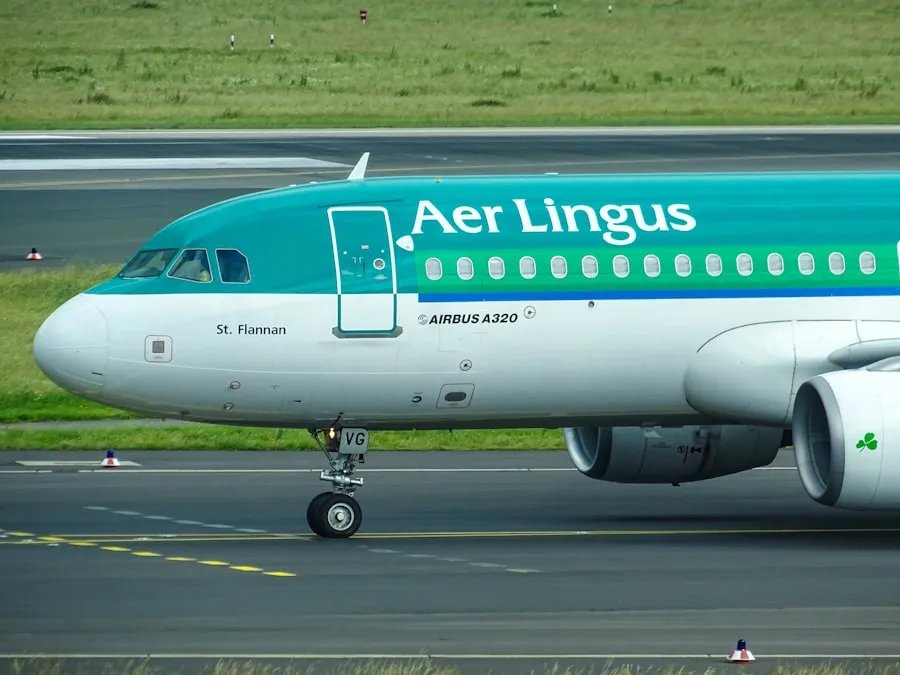
Aer Lingus employs a comprehensive continuing airworthiness management program designed to maintain fleet reliability. The maintenance schedule incorporates routine line inspections, periodic deep-maintenance checks (A, C, and D checks), and preventative part replacements executed by certified avionics engineers.
Maintenance procedures strictly align with specifications established by aircraft manufacturers like Airbus and European regulatory mandates. Flight crews perform mandatory pre-flight walkarounds and electronic system checks prior to every departure. Advanced telemetry systems stream real-time engine and system data directly to ground engineering teams during flight, allowing technical crews to resolve minor issues before they impact flight schedules.
Pro Tip: You can review real-time safety scores, fleet age, and audit histories for international carriers on official portals such as AirlineRatings.com prior to booking long-haul flights.
Training and Qualifications of Aer Lingus Pilots and Crew
The qualification standards for Aer Lingus flight crews represent a primary line of defense in operational safety. Pilots undergo initial training programs incorporating full-flight simulator (FFS) sessions, emergency scenario modeling, and rigorous written evaluations before earning type ratings on aircraft like the Airbus A320 or A330 family.
| Training Category | Pilot Requirements | Cabin Crew Requirements |
|---|---|---|
| Initial Qualification | Commercial Pilot License (CPL/ATPL), multi-engine instrument rating, type-specific simulator exams. | Safety procedures training, aircraft evacuation drills, aviation medicine, and customer service. |
| Recurrent Training | Bi-annual simulator checks, line checks, adverse weather training, and medical re-certifications. | Annual safety recurrent training, emergency equipment drills, first aid re-certification. |
| Regulatory Licensing | Full EASA Airline Transport Pilot License (ATPL) and Class 1 Medical Clearance. | EASA Attestation of Cabin Crew training and periodic medical fitness certifications. |
Recurrent training is mandatory. Pilots complete bi-annual simulator evaluations testing their response to severe weather, system failures, and complex instrument approaches. Flight attendants complete extensive instruction covering cabin safety, emergency evacuations, first aid response, and Crew Resource Management (CRM) to ensure seamless coordination with the flight deck.
Compliance with International Aviation Safety Standards
Aer Lingus maintains full alignment with international safety frameworks governed by the International Air Transport Association (IATA) and the International Civil Aviation Organization (ICAO).
The airline is IOSA (IATA Operational Safety Audit) registered. The IOSA standard is an internationally recognized evaluation system designed to assess the operational management and control systems of an airline. Compliance requires meeting hundreds of strict operational standards across flight operations, operational control, aircraft maintenance, cabin operations, and ground handling.
Emergency Response and Preparedness
Aer Lingus maintains robust emergency response plans designed for a wide array of operational contingencies. These frameworks dictate clear protocols for managing medical emergencies on board, technical diversions, adverse atmospheric conditions, and airport ground incidents.
Note: Transatlantic Aer Lingus aircraft operate under strict ETOPS (Extended-range Twin-engine Operational Performance Standards) regulations, ensuring aircraft can safely reach diversion airports in the event of an engine shutdown over ocean routes.
Simulated drills are conducted regularly in coordination with airport emergency management teams, air traffic controllers, and medical response partners across transatlantic destinations. This proactive preparedness ensures swift action to protect passengers and crew whenever unexpected conditions arise.
Safety Measures and Hygiene Standards
Modern cabin air safety on Aer Lingus aircraft is maintained through High-Efficiency Particulate Air (HEPA) filtration systems. These hospital-grade filters refresh cabin air every 2 to 3 minutes, removing 99.97% of airborne particles, viruses, and bacteria.
The airline maintains high cabin hygiene protocols, including routine surface sanitization, deep cleaning procedures between turnarounds, and compliance with global public health directives issued by European aviation health authorities.
Incident and Accident History of Aer Lingus
Evaluating an airline’s safety record requires reviewing its historical operations. Aer Lingus has maintained a clean record in modern commercial aviation history, with its last fatal accident occurring in March 1968 (Flight 712). In January 1986, an Aer Lingus Short 360 (Flight 552) experienced an emergency landing due to severe icing conditions near East Midlands Airport; thanks to effective crew handling, all 36 passengers and crew survived without fatalities.
Over the subsequent decades, continuous investments in flight deck automation, advanced weather radar technology, and enhanced pilot training protocols have reinforced the airline’s safety infrastructure.
Safety Ratings and Certifications
Aer Lingus consistently receives high ratings from independent aviation safety organizations. The carrier holds a top 7-star safety rating from AirlineRatings.com. This rating evaluates key safety parameters, including:
- Absence of fatal accidents over multi-decade thresholds.
- Passing official governmental and EASA safety audits.
- Pilot training standards and operational history.
- Fleet age and maintenance compliance.
Customer Reviews and Feedback on Safety
Passenger reviews routinely highlight the professional demeanor and visible safety competence of Aer Lingus cabin crews. Travelers frequently commend clear pre-flight safety briefings, attentive cabin monitoring during turbulence, and well-managed boarding and deplaning processes.
Passengers report high confidence when flying with the carrier, particularly on long-haul transatlantic routes where modern aircraft equipment and experienced flight crews provide peace of mind.
Is Aer Lingus a Safe Airline?
Aer Lingus is a safe airline with an outstanding operational track record. The combination of comprehensive maintenance schedules, rigorous pilot qualifications, full EASA and IOSA compliance, and over 55 years without a fatal incident makes the Irish flag carrier a reliable option for global travelers.
Continuous investment in modern Airbus aircraft, coupled with strong regulatory oversight from Irish and European authorities, ensures that Aer Lingus maintains high standards of aviation safety.
Frequently Asked Questions
Is Aer Lingus a safe airline to fly with?
Yes, Aer Lingus is considered one of the safest airlines globally. It holds a top 7-star safety rating from AirlineRatings.com, holds full IOSA accreditation, and has operated without a fatal accident since 1968.
What safety measures does Aer Lingus have in place?
Aer Lingus enforces strict maintenance protocols governed by EASA, bi-annual pilot simulator testing, ETOPS certifications for transatlantic flights, and hospital-grade HEPA air filtration systems on all operational aircraft.
Has Aer Lingus had any recent major safety incidents?
Aer Lingus has a clean modern safety record with zero fatal accidents in over 55 years. Minor non-fatal operational incidents are handled in strict adherence to international safety standard procedures.
How can I stay informed about Aer Lingus safety updates?
You can review official safety statistics and operational updates directly on the Aer Lingus website, or consult aviation safety databases maintained by the Irish Aviation Authority (IAA) and EASA.
Sources
- European Union Aviation Safety Agency (EASA) — Continuing Airworthiness & Safety Regulations
- Irish Aviation Authority (IAA) — National Aviation Safety Oversight & Licensing
- IATA Operational Safety Audit (IOSA) — Global Airline Safety Registry
- AirlineRatings.com — Independent Airline Safety & Product Ratings
