Last Updated on September 11, 2026 by Ethan Caldwell
Quick Answer
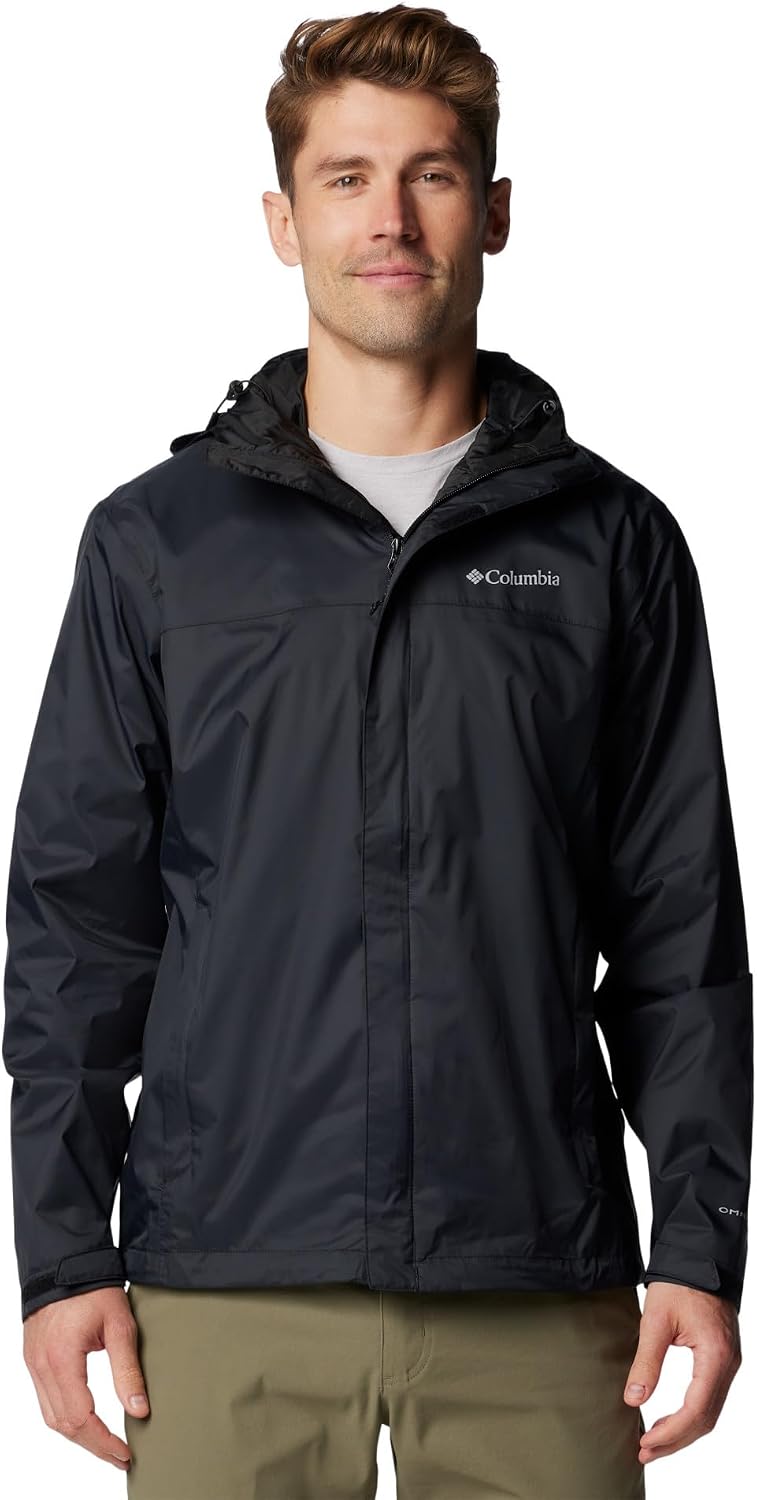
Pack breathable layers, a warm jumper, and a waterproof jacket year-round, since Ireland’s weather shifts fast. Add sturdy waterproof shoes with non-slip treads for cobblestones and rain, plus one smart-casual outfit for evening dinners. Skip heavy winter coats in summer, but always keep a quality hooded rain jacket nearby.
What to Wear in Ireland
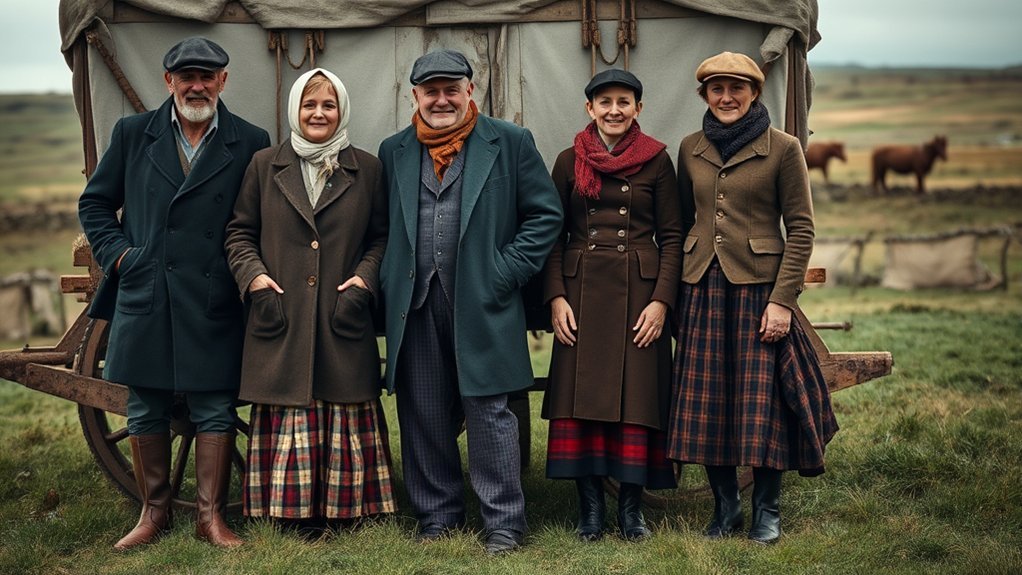
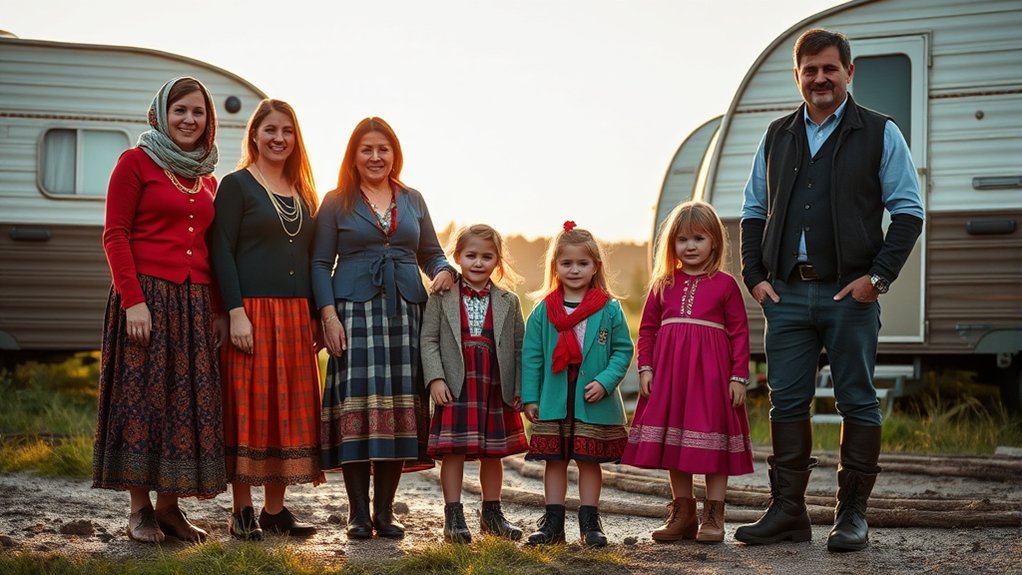
In Ireland, you’ll want to dress for changeable weather, because conditions can shift quickly from mild to wet and windy. You’ll stay comfortable if you build outfits in layers, since even summer days can call for a warm jumper. In Irish fashion, practicality often meets style, shaped by cultural influences, and you can mirror that balance with casual looks that still feel deliberate. For dinners and pub visits, choose smart casual pieces; some upscale restaurants expect more formal clothing. You’ll want sturdy walking shoes for cobblestones and outdoor exploring, and waterproof options make sense when rain arrives without warning. A lightweight, packable rain jacket gives you freedom to keep moving. Scarves and other light accessories can sharpen simple outfits while adding warmth against the wind. When you dress with intention, you adapt easily and move through Ireland with ease.
Key Takeaways
- Layer everything: Ireland’s weather can swing from sun to rain within an hour, in any season.
- Prioritize waterproofing: A breathable waterproof jacket and sturdy waterproof shoes matter more than any single heavy winter coat.
- Pack smart-casual basics: Bring one versatile outfit suitable for upscale restaurants, historic churches, and pub visits.
- Stick to neutrals: Neutral, mix-and-match items help you blend in locally and pack lighter.
Ireland Packing Essentials
When you pack for Ireland, build in seasonal layers so you can adjust fast as the weather shifts from mild to chilly, wet, and back again. You’ll want weatherproof staples like a warm waterproof jacket, a lightweight raincoat, and comfortable waterproof shoes that can handle rain and cobblestones. For travel days, keep it practical with long- and short-sleeved tops, versatile bottoms, a lightweight scarf, and compact weather gear.
At a Glance: What to Pack
| Outerwear | Waterproof jacket, warm jumper, lightweight cardigan |
| Footwear | Waterproof walking shoes or boots, one dressier pair |
| Tops/Bottoms | Long-sleeved tops, jeans or neutral trousers, one smart-casual outfit |
| Accessories | Wind-resistant umbrella, wool scarf, gloves (autumn–winter) |
Seasonal Layering Basics
Because Ireland’s weather can turn quickly, layering has to be your packing priority: start with light tops or moisture-wicking shirts, add a warm wool or fleece jumper even in summer, and keep a lightweight waterproof jacket close at hand for sudden rain. You’ll move more freely when you use smart layering techniques and make deliberate fabric choices that dry fast and breathe well.
| Season | Core Layer Recommendation |
|---|---|
| May–August | Breathable cotton/linen tops, light jumpers, summer dresses |
| November–February | Thermal base layers, heavy knit sweaters, insulated winter boots |
This approach lets you shift from day to evening without overpacking. Denim, versatile dresses, and easy shirts work as flexible anchors, while you adjust warmth as needed. In practice, you’re not dressing for one forecast; you’re preparing for change. That freedom keeps your bag lighter and your plans open.
Weatherproof Wardrobe Picks
Once you’ve got layering sorted, the next step is choosing pieces that can handle Ireland’s mix of wind, rain, and cool air without slowing you down. Start with breathable fabrics like merino wool or synthetic blends that move moisture off your skin, then add a waterproof jacket that seals out showers without trapping body heat. A warm winter coat earns its place when temperatures drop, and gloves, scarves, and weather-resistant accessories keep you steady in wet streets and open countryside. Choose waterproof walking shoes or boots so cobblestones and muddy trails don’t dictate your pace.
Pro Tip: Check the waterproof rating on your rain jacket before traveling. Look for at least a 10,000mm hydrostatic head rating if you plan to hike along coastal cliffs or spend extended time outdoors in Irish rain.
Travel Day Essentials
For a travel day in Ireland, you’ll want a packing list that keeps pace with shifting weather and a full itinerary. Start with layers: a long-sleeved top, a lightweight jacket, and pieces you can add or shed as the day changes. Pack a lightweight rain jacket and waterproof footwear, because drizzle and wet streets can appear without warning. Choose casual, mix-and-match clothing in neutral tones so you can move from walking tours to dinner without fuss. Keep your travel bag practical: include essential documents, a power adapter, and compact rain protection that keeps you dry on the go.
Why Layers Matter in Ireland
In Ireland, layers matter because the weather can shift quickly, so you need clothing that adapts as temperatures rise and fall throughout the day. When you use smart layering techniques, you can respond to temperature fluctuations without feeling trapped by one outfit. A light base layer gives you comfort, while a jumper or cardigan adds warmth when the air turns cool. You can peel pieces off when the sun appears, then add them back when clouds roll in. A waterproof outer layer also keeps you prepared, since rain can show up in any season. Because even summer evenings may feel sharp, you’ll want options that balance warmth and breathability. Layering also frees your style, letting you mix pieces for different settings while staying practical and comfortable.
What to Wear in Ireland in Summer

Summer in Ireland is generally mild, with average daytime temperatures typically running from around 13°C to 18°C (55°F to 64°F) according to Met Éireann climate data, so light layers work best when planning your outfit. You can move freely in short-sleeved tops, summer dresses, or shorts, then add a warm jumper when evening cools. Choose breathable summer fabrics like cotton or linen so you stay comfortable without feeling restricted. A light waterproof jacket matters too, because showers can appear fast. For exploring streets, cliffs, or parks, wear comfortable walking shoes, prioritizing waterproof or fast-drying options for wet paths. If you want to blend in, notice local fashion trends: relaxed, practical, and understated.
What to Wear in Ireland in Spring and Fall
Spring and fall in Ireland call for a adaptable approach, since the weather swings from cool mornings to milder afternoons and back again. You’ll want layers you can add or shed as conditions change, especially when daily temperatures typically hover between 8°C and 13°C (46°F to 55°F). A lightweight waterproof jacket keeps you ready for rain without weighing you down.
| Item | Why It Works | Best Use |
|---|---|---|
| Layered Tops | Adjusts easily to changing temps | Daytime outings and walking tours |
| Waterproof Jacket | Blocks sudden rain showers and wind | Outdoor sightseeing & travel days |
| Waterproof Shoes | Handles wet cobblestones and trails | City exploring and rural walks |
Bring scarves and lightweight gloves for breezy moments, then choose comfortable footwear built for uneven ground. Casual looks feel natural across Ireland, but pack one smart-casual outfit for dinners or cultural events.
What to Wear in Ireland in Winter
In Ireland’s winter, you’ll want to build your outfit around warm layers, since temperatures stay cool and damp wind makes evenings feel colder. A waterproof coat, long sleeves, a warm fleece or sweater, and a soft scarf and gloves help you handle rain, gusty winds, and heat loss. For your feet, thick wool socks and sturdy winter boots matter most because wet ground makes cold weather feel much colder fast.
Winter Layering Essentials
When winter settles over Ireland, expect temperatures that typically hover between roughly 4°C and 8°C (39°F to 46°F). Start with thermal base layers and long-sleeved tops, then add mid-layers so you can adapt as you move indoors and outdoors. A warm waterproof jacket or insulated raincoat blocks sudden showers and cold coastal gusts. Choose winter accessories like fleece-lined gloves and wool scarves to trap body heat effectively.
Note: Coastal areas and western counties like Galway or Kerry tend to stay slightly milder but significantly wetter and windier than inland regions. Prioritize windproofing and waterproofing over bulky insulation when visiting the west coast.
Cold-Weather Footwear
Cold weather in Ireland puts your footwear to the test. Insulated, waterproof boots are the safest choice to stay warm and dry when temperatures hover in the single digits Celsius. You’ll encounter wet cobblestones, mud, and occasional icy patches, so select footwear with deep rubber treads.
| Footwear Feature | Why It Matters | Your Payoff |
|---|---|---|
| Waterproof Membrane | Seals out damp drizzle and puddles | Warm, dry feet all day |
| Rubber Grip Treads | Handles slick cobblestones and paths | Steady traction and confidence |
| Ankle Height | Prevents water splashes and slush entry | Cleaner, drier trousers and socks |
Leather ankle boots work nicely for city walking, but ensure they are waterproofed. When exploring countryside trails or historic castle ruins, dedicated waterproof hiking boots give you the freedom to walk farther in comfort.
Best Shoes for Ireland
Footwear choices can make or break your time in Ireland, where historic cobblestones, damp pavements, and sudden rain tests every step. Choose waterproof sneakers or sturdy boots for daily wandering; they cushion your stride and hold up on uneven terrain.
Waterproof sneakers or sturdy boots with deep rubber treads keep you steady, comfortable, and dry on Ireland’s wet, historic streets.
- Deep rubber grip: Essential for slick cobblestones in Dublin or Galway.
- Waterproofing: Sealed membranes prevent damp socks during rain showers.
- Wool socks: Moisture-wicking merino wool socks cushion feet and prevent blisters.
- Arch support: Quality insoles support long days of walking.
- Fast-drying uppers: Synthetic hiking shoes dry quickly if soaked.
For evening dining, smart leather sneakers, loafers, or ankle boots transition effortlessly from afternoon sightseeing to a cozy pub dinner.
What to Pack for Irish Nights Out

For an Irish night out, pack smart casual pieces that look polished without feeling overly formal. You’ll fit right in at pubs and local restaurants with outfits that balance comfort and neatness. Women can wear a dark pair of jeans with a stylish blouse or a mid-length dress paired with boots; men can rely on dark denim or chinos paired with a dark button-down shirt or tailored sweater.
Because pub interiors are warm while outdoor streets stay chilly, layer with a stylish coat or jacket. Comfortable leather boots, dressy flats, or clean smart sneakers complement nightwear while keeping your feet comfortable on wet pavement.
How to Dress Respectfully in Ireland
Dressing respectfully in Ireland means matching the environment rather than dressing up formally. Casual attire works perfectly in pubs, cafés, and local shops, where clean jeans, sweaters, and neat trainers are standard.
For upscale dining, shift to smart casual attire to look intentional. When visiting historic churches or religious sites, modest clothing—such as covered shoulders and knee-length bottoms—shows cultural respect.
- Jeans and sweaters for daily travel and city tours
- Tailored trousers, dark denim, or simple dresses for evening dining
- Versatile layers easily added or removed indoors
- Waterproof footwear with non-slip soles
- Modest coverage for visiting cathedrals and religious monuments
What NOT to Wear in Ireland
Avoiding a few common packing mistakes will keep you drier, safer, and far more comfortable during your journey:
- 100% Cotton Outerwear or Heavy Sweatshirts: Cotton absorbs water and dries very slowly, leaving you cold in wet weather. Pick synthetic or merino wool layers instead.
- High Heels or Smooth-Soles: Narrow heels get trapped in cobblestone gaps, while slick soles slip easily on wet pavement.
- Flimsy Plastic Ponchos: Cheap ponchos rip easily in strong winds and trap heat, making you sweat. A proper breathable rain jacket with a hood is vastly superior.
- Heavy Winter Down Coats in Summer: Mid-summer temperatures rarely call for heavy arctic parkas. Lightweight layered fleeces under a rain shell are much more adaptable.
Warning: Compact travel umbrellas often turn inside-out or break during high winds along Ireland’s coastal cliffs (such as the Cliffs of Moher or Giant’s Causeway). Always rely on a high-quality windproof rain jacket with an adjustable hood rather than an umbrella for coastal sightseeing.
Frequently Asked Questions
What Is the 5-4-3-2-1 Packing Rule?
The 5-4-3-2-1 rule is a minimalist packing method where you pack 5 tops, 4 bottoms, 3 pairs of shoes, 2 outer layers, and 1 hat or accessory set. For an Ireland trip, adapt this rule by choosing 1 waterproof jacket as an outer layer and making sure at least 2 pairs of shoes are water-resistant.
How to Dress as a Tourist in Ireland?
Dress in practical layers, wear comfortable waterproof shoes, and carry a hooded waterproof jacket. Choose neat, casual clothing without large logos to fit in smoothly with local street style.
What Is Considered Impolite in Ireland?
Impolite behavior in Ireland includes boasting about money, speaking loudly in public spaces, failing to take your turn buying a round of drinks at a pub, and pushing intense political discussions with strangers.
How to Not Stand Out as an American in Ireland?
Avoid wearing bright athletic wear or gym clothes outside of workout settings. Stick to muted or neutral tone layers, well-fitted jeans, low-profile sneakers, and keep your speaking volume moderate in public settings.
Conclusion
When you pack for Ireland, you pack for change: bright sun one moment, mist or rain the next; historic city streets, windy coastal paths, and pub nights all asking for something slightly different. You’ll do best with breathable layers, sturdy waterproof shoes with good tread, and clothes that adapt as easily as the weather does. Dress for practical comfort and respectful settings, and you will enjoy every moment of your Irish journey.
Sources
- Nordic Visitor — Weather & Climate in Ireland — Seasonal average temperature ranges and regional weather insights.
- Met Éireann — Monthly Climate Data — Official Irish meteorological service historical averages and rain statistics.
- Discover Ireland (Tourism Ireland) — Official national tourism advice on cultural expectations and regional travel planning.