
Last Updated on September 11, 2026 by Daniel Globe
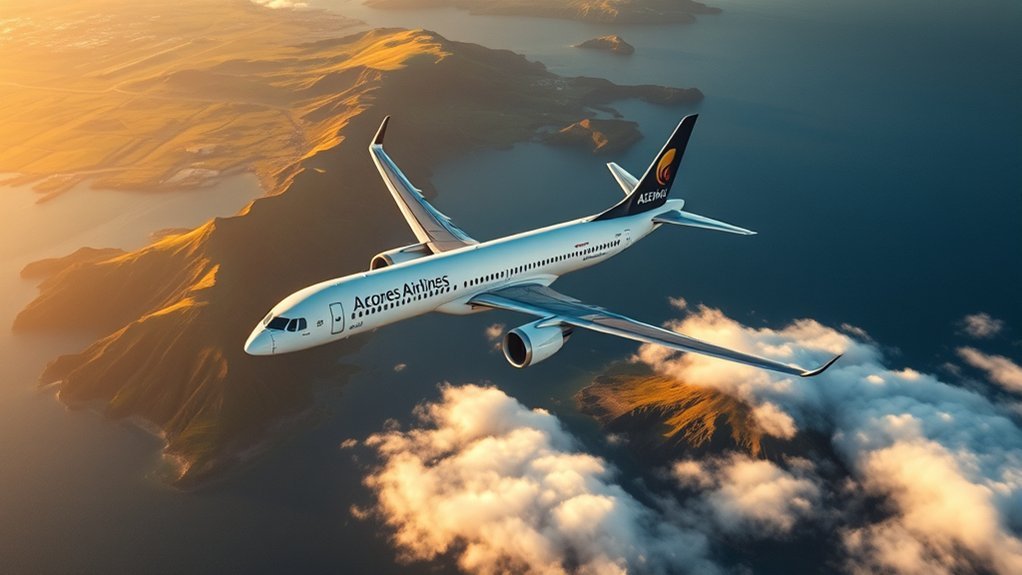
Azores Airlines is a reasonable option for flights between the Azores, mainland Europe, and North America, but its safety should not be judged by customer reviews or its Skytrax star rating. The airline operates within the European aviation system and reports renewed IOSA operational-safety certification. Its onboard experience is functional rather than luxurious, with narrow-body Airbus aircraft, strict baggage limits, buy-on-board economy meals, and amenities that vary by aircraft.
Quick Answer
Yes—Azores Airlines is a reasonable airline to fly based on its European regulatory oversight and renewed IOSA operational-safety certification. Its Skytrax 3-star score measures product and service, not safety. Expect a functional narrow-body experience, strict baggage limits, buy-on-board economy meals, and possible disruption risk on weather-sensitive island routes.
Key Takeaways
- Azores Airlines operates under European commercial-aviation oversight and states that its IOSA certification has been renewed.
- The airline’s Skytrax 3-star rating covers its product and staff service; it is not an operational-safety score.
- The fleet includes A320neo, A320ceo, A321neo, and A321LR aircraft, with economy pitch varying by aircraft.
- Economy food is generally buy-on-board, while entertainment and power availability depend on the aircraft.
- Compare the total fare after baggage, seat, meal, and disruption costs rather than looking only at the advertised ticket price.
Disclosure: As an Amazon Associate I earn from qualifying purchases. Some links on this page are affiliate links, at no extra cost to you.
Is Azores Airlines Safe to Fly?

There is no public evidence that passengers should avoid Azores Airlines on safety grounds. Like other commercial airlines based in the European Union, it must hold an Air Operator Certificate authorizing its commercial operations. European aviation requirements cover areas such as aircraft operation, crew qualifications, maintenance systems, and safety management.
Azores Airlines also states that its IOSA operational-safety certification has been renewed and that SATA Group airlines have undergone IOSA auditing since 2007. The IATA Operational Safety Audit assesses an airline’s operational management and control systems.
These are more useful safety signals than online reviews or cabin-service ratings. However, no certificate, aircraft type, rating, or accident-history summary can guarantee that a future flight will be risk-free.
Skytrax stars describe an airline’s product and service quality. They should not be treated as an operational flight-safety score.
What the Skytrax Rating Really Means
Azores Airlines is currently listed as a Skytrax 3-Star Airline. Skytrax bases that rating on areas such as seating, amenities, food, entertainment, cleanliness, airport service, and cabin-staff service.
A 3-star rating generally means the airline provides an acceptable but inconsistent or average product. It can help set expectations for comfort and service, but it does not show how well the airline performs in regulatory inspections, maintenance, pilot training, or operational risk management.
Note: Safety and reliability are different. An airline can meet aviation-safety requirements while still receiving complaints about delays, communication, baggage handling, refunds, or customer service.
What Aircraft Does Azores Airlines Use?
As of July 28, 2026, the airline’s published Airbus fleet includes A320neo, A320ceo, A321neo, and A321LR aircraft. The exact plane assigned to your route can change for operational reasons, so check the operating carrier and aircraft again before departure.
- Airbus A321LR: The airline lists three aircraft with 190 total seats. A separate fleet description identifies a two-class layout with 16 Comfort seats and 174 economy seats.
- Airbus A321neo: The airline lists two aircraft with 186 total seats and a published economy pitch of 31 inches.
- Airbus A320neo: The airline lists two aircraft with 168 total seats and a published pitch of 75 centimeters, or about 29.5 inches.
- Airbus A320ceo: The airline lists two aircraft with 165 total seats and a published economy pitch of 31 inches.
The A321neo and A321LR are commonly used for medium- and longer-haul flights. On these aircraft, Azores Airlines publishes an average economy pitch of about 31 inches and a Comfort Class pitch of about 40 inches. That is more space than the article’s original economy description suggested, but it is still a single-aisle aircraft rather than a wide-body jet.
Pro Tip: Aircraft substitutions are possible. Check the seat map shortly before departure, especially when paying for Comfort Class, extra legroom, or a preferred seat.
What to Expect in Azores Airlines Economy
Azores Airlines economy is a practical narrow-body experience. Most passengers should expect a 3-3 seating layout, limited personal space, and a cabin designed for efficient service rather than luxury. Published seat pitch varies from about 29.5 to 31 inches on the aircraft for which the airline provides figures.
On the A321neo and A321LR, the airline offers streaming entertainment through an onboard network. You connect your phone, tablet, or laptop and view the content in a browser. This is not the same as having a seatback screen.
USB or power outlets are available on parts of the medium- and long-haul fleet, but availability can differ by aircraft and seat. Selected A321LR aircraft also offer onboard connectivity services. Download important entertainment before boarding in case your aircraft or seat does not have the feature you expected.
The current economy meal service is buy-on-board on Azores Airlines domestic, European, African, and North American routes. Food and drinks are subject to availability. Payment is made by accepted card or digital-payment method in euros; cash is not accepted.
- Download movies, books, or podcasts before leaving home.
- Bring a charged power bank that meets airline battery rules.
- Choose an aisle seat if you expect to move around frequently.
- Bring an appropriate snack if you have dietary needs or do not want to depend on onboard stock.
- Pack a light layer because cabin temperature can vary.
Azores Airlines Baggage Rules and Check-In
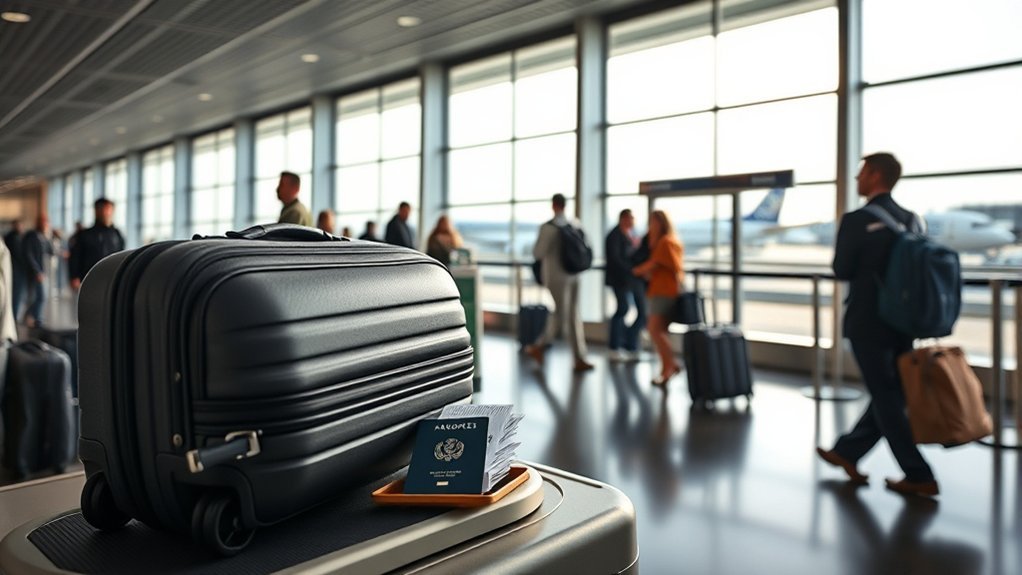
Azores Airlines publishes specific carry-on baggage dimensions and weights. Your main cabin bag can measure up to 55 × 40 × 20 centimeters, including wheels and handles. A personal item can measure up to 40 × 30 × 15 centimeters.
- Economy and Comfort Light: One cabin bag and one personal item with a combined maximum weight of 8 kilograms, or 17 pounds.
- Comfort Plus: One cabin bag and one personal item with a combined maximum weight of 15 kilograms, or 33 pounds.
The weight applies to the combined cabin bag and personal item, not to the main bag alone. Checked-baggage allowances depend on the fare, route, and operating carrier. Economy Simple may have fewer inclusions than Basic, Flex, or Top, so review the fare conditions shown in your booking before paying.
Warning: Weigh your cabin bag and personal item together. A laptop bag, purse, or small backpack counts toward the published combined weight, even when it fits under the seat.
Online Check-In and Airport Arrival
Online check-in is normally available from 48 hours until 1 hour and 15 minutes before departure. A digital boarding pass can be saved to a phone or tablet when the process is completed successfully.
Additional restrictions apply to flights involving the United States, Canada, Frankfurt, and Cape Verde, as well as passengers who need document verification or special services. You may be able to enter information online but still need to visit the airport counter before boarding.
The airline’s airport check-in guidance generally opens counters two hours before domestic and European departures from Portugal and three hours before international departures. Some airports, including Toronto and Oakland, have earlier opening times. Check the airport-specific table because passengers and bags are not accepted after the published cutoff.
Self-service kiosks are available at Ponta Delgada and several other Portuguese airports, but a kiosk does not remove document or baggage-drop requirements.
Reliability, Weather, and Passenger Rights
Complaints about delays or communication should be considered separately from flight safety. The Azores are exposed to Atlantic weather, and some routes operate less frequently than major mainland routes. When a flight is canceled, the next available seat may therefore be later than it would be on a high-frequency route.
Build extra time into the itinerary when you have a cruise departure, separate ticket, wedding, tour, or other event that cannot be missed. Avoid scheduling an unprotected connection immediately after an Azores Airlines flight unless you are prepared to buy a replacement ticket.
Because Azores Airlines is an EU carrier, many itineraries fall under European passenger-protection rules. Its official passenger-rights page explains assistance, rerouting, refunds, and possible compensation for qualifying delays, cancellations, or denied boarding. Compensation can be limited when extraordinary circumstances, such as severe weather, are responsible.
Note: Keep your booking confirmation, boarding pass, delay notices, receipts, and screenshots of flight-status messages. These records can be important when requesting reimbursement or compensation.
When Azores Airlines Is Worth Booking
Azores Airlines makes the most sense when its route, schedule, or total price is better than the alternatives. It can be especially useful for travelers who want direct access to the Azores or who want to include an island stay between North America and Europe.
The airline’s official Azores Stopover program allows eligible passengers to spend up to seven nights on São Miguel or Terceira. Check the current program terms and fare before assuming every itinerary qualifies.
Azores Airlines May Suit You If
- You value a direct or conveniently timed route to the Azores.
- The total fare remains competitive after adding baggage, seats, and meals.
- You are comfortable flying a single-aisle aircraft on a transatlantic route.
- You can leave a buffer before an important event or separate connection.
- You want to add a stopover in São Miguel or Terceira.
- You prefer Comfort Class with a published 40-inch pitch on eligible A321neo or A321LR flights.
Another Airline May Suit You Better If
- You expect a wide-body aircraft, seatback screen, or premium long-haul economy product.
- You need several backup flights on the same day if your original flight is disrupted.
- You are traveling on separate tickets with a short connection.
- You need generous cabin baggage without purchasing a higher fare.
- Consistent premium service matters more than route convenience or price.
Do not rely on a promised fixed saving. Compare the complete cost of each itinerary, including bags, seat selection, food, airport transfers, overnight stops, and the financial effect of a missed separate connection.
Azores Airlines Booking Checklist
- Confirm that Azores Airlines is the operating carrier, not only the marketing carrier.
- Check the aircraft and seat map, while remembering that substitutions can occur.
- Review what your exact Economy or Comfort fare includes.
- Add the combined weight of your cabin bag and personal item.
- Check whether your route has online check-in restrictions.
- Review the airport-specific check-in opening and closing times.
- Download entertainment and essential travel documents before departure.
- Leave a time buffer before cruises, tours, events, and separate-ticket flights.
- Save the airline’s passenger-rights and contact pages.
Frequently Asked Questions
Is Azores Airlines a good airline?
Azores Airlines can be a good choice when it offers the best direct route, stopover, or total fare. Its product is functional rather than luxurious, and Skytrax currently rates it three stars for product and service. Compare baggage, meals, seat comfort, route frequency, and connection risk before booking.
Is it safe for Americans to travel to the Azores?
The U.S. State Department currently places Portugal, including the Azores, at Level 1: Exercise Normal Precautions. Travelers should still protect valuables, watch for petty theft, monitor local conditions, and carry suitable travel and medical insurance.
What is the safety record of Azores Airlines?
A single accident-history sentence does not provide a complete safety assessment. More useful current indicators are the airline’s European operating authorization, safety-management requirements, operational audits, and response to investigated events. Azores Airlines states that its IOSA certification has been renewed.
What is the safest airline in Portugal?
No Portuguese or European regulator publishes one universal official winner called Portugal’s safest airline. Different commercial rankings use different criteria. Passengers should instead check whether an airline is currently authorized, properly regulated, operationally audited, and transparent about its policies.
Does Azores Airlines serve free meals in economy?
Economy food and drinks are generally sold through the airline’s buy-on-board service on domestic, European, African, and North American Azores Airlines flights. Complimentary meal service is offered in Comfort Class on eligible medium- and long-haul flights.
How strict is Azores Airlines with carry-on baggage?
The airline publishes both weight and size limits and may require an oversized or overweight item to be checked. Economy and Comfort Light passengers receive a combined 8-kilogram limit for the cabin bag and personal item. Comfort Plus permits a combined 15 kilograms.
Does Azores Airlines have Wi-Fi or entertainment?
A321neo and A321LR passengers can access streaming entertainment on their own devices. Internet connectivity is available on selected A321LR aircraft. Aircraft assignments and onboard systems can change, so download offline entertainment before departure.
Conclusion
Azores Airlines is generally a reasonable airline to fly when its route, stopover option, or total price meets your needs. Its strongest safety signals are its European operating oversight and renewed IOSA auditing—not its Skytrax stars or customer reviews. Expect a basic narrow-body experience, carefully enforced baggage rules, buy-on-board economy meals, and amenities that vary by aircraft.
Before booking, compare the complete fare, confirm the baggage allowance, review the aircraft and check-in restrictions, and leave extra time before an important connection or event. That approach gives you a more useful picture than either overly positive marketing claims or isolated negative reviews.
Sources
- European Union Aviation Safety Agency: Air Operator Certificates — explains the operating authorization required for European commercial airlines.
- IATA Operational Safety Audit — explains what the IOSA program evaluates.
- Azores Airlines IOSA Certification Renewal — confirms the airline’s stated audit status and history.
- Skytrax Azores Airlines Rating — confirms that the three-star score covers product and staff service rather than operational safety.
- Azores Airlines Fleet — provides current aircraft types, capacities, and published seat-pitch figures.
- U.S. State Department Portugal Travel Advisory — provides current guidance for Americans traveling to Portugal and the Azores.
