
Last Updated on July 25, 2026 by Daniel Globe
Visiting a natural history museum can feel overwhelming due to the sheer size of the galleries and thousands of specimens on display. Whether you are viewing massive dinosaur fossils, rare minerals, or ancient human artifacts, thorough preparation ensures you maximize your time without exhibit fatigue. By securing timed-entry tickets in advance, understanding floor plans, and pacing your route, you can turn a crowded museum outing into an engaging and educational experience.
Quick Answer
To visit a natural history museum effectively, book timed-entry tickets online in advance, arrive early during weekday off-peak hours, prioritize 3–4 core exhibit halls (such as dinosaurs or biodiversity), wear cushioned walking shoes, and use the museum’s digital map or audio guide to navigate efficiently.
Key Takeaways
- Reserve digital tickets or timed-entry passes online prior to arrival to guarantee entry and bypass long main-gate queues.
- Target off-peak hours—specifically weekday mornings right at opening or late afternoons—for smaller crowds and better photo opportunities.
- Focus on a few must-see anchor exhibits first, reserving secondary galleries and hidden gems for later in your visit.
- Prepare for security checkpoints by reviewing bag size limits, coat check rules, and food/drink restrictions before leaving home.
- Enhance your exploration by taking advantage of docent-led tours, interactive display kiosks, and sensory-friendly accessibility resources.
At a Glance
| Time Required | 3 to 4 hours for a comprehensive visit |
| Difficulty | Easy (Requires moderate walking and standing) |
| Tools Needed | Museum map app, comfortable shoes, headphones for audio guide |
| Cost | Free to $35+ (Varies by institution and special exhibitions) |
Disclosure: As an Amazon Associate I earn from qualifying purchases. Some links on this page are affiliate links, at no extra cost to you.
Research the Museum’s Layout and Exhibits
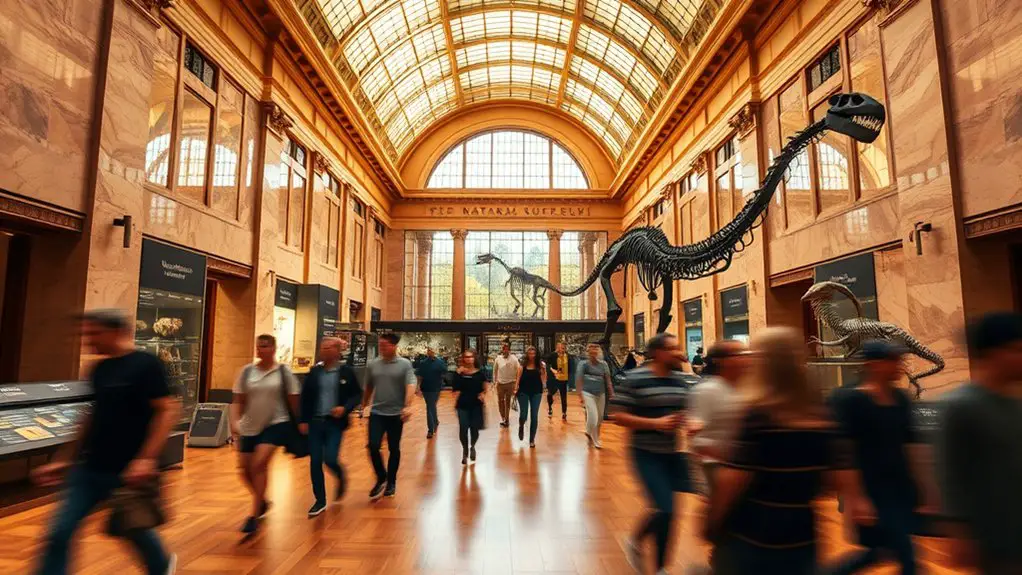
Before stepping inside, familiarizing yourself with the museum’s layout and major exhibit wings is crucial for an efficient trip. Most major facilities span multiple levels and cover acres of floor space. Reviewing a digital floor plan beforehand lets you pinpoint core halls—such as vertebrate paleontology, human origins, or ocean life—and plot a logical path from floor to floor.
Pay close attention to key exhibit highlights, including famous dinosaur skeletons, rare gem collections, and prehistoric fossils. Knowing the exact wing locations helps prevent unnecessary backtracking, saving physical energy and allowing you to see high-priority displays before crowds peak.
Check if the institution offers a downloadable smartphone app or interactive floor map on its website prior to your arrival. Pre-planning your route ensures you manage your time effectively while leaving space for spontaneous discovery.
Pro Tip: Download the museum’s official mobile app before leaving home. Apps often include live indoor turn-by-turn navigation, interactive exhibit info, and real-time alerts for pop-up scientist talks.
Check the Museum’s Schedule and Special Events
Checking operating hours, temporary exhibit schedules, and special event programming in advance guarantees a seamless visit. Many world-class natural history centers regularly update their hours for maintenance, holiday periods, or evening events.
Look out for temporary or traveling exhibitions that require separate timed tickets, as well as scheduled expert lectures or live specimen demonstrations. Planning around these events ensures your itinerary aligns directly with your personal interests.
Verify Opening Hours & Timed Tickets
Always verify operating hours on the official museum website on the day of your visit. Many prominent facilities, such as the Smithsonian National Museum of Natural History, now utilize free timed-entry passes or digital ticketing systems to manage daily visitor volume.
Operating hours often vary on weekends, public holidays, or during peak tourist seasons. Additionally, extended evening hours during specific weekdays offer a fantastic opportunity to explore quietly after large school groups have departed.
Explore Special Exhibits
Temporary and special exhibitions frequently showcase rare specimens, delicate ancient artifacts, or immersive installations not visible in permanent collections. Because space in these galleries is restricted, institutions usually issue separate, timed-entry passes.
These temporary spaces often incorporate cutting-edge virtual reality, touchable specimens, or interactive digital displays. Booking these special passes online weeks ahead guarantees entry to high-demand feature exhibits.
Attend Scheduled Programs
Participating in scheduled educational workshops and daily public talks offers deep insight into scientific discoveries. Check the daily calendar upon arrival or online for docent-led tours, fossil preparation lab viewings, and family-friendly science demonstrations. The table below outlines typical daily program options available across major institutions:
| Program Category | Typical Session Focus | Target Audience |
|---|---|---|
| Fossil Lab Demonstration | Live paleontology unboxing & bone cleaning | Families, Students, & Adults |
| Docent Highlight Tour | Guided walk-through of top 10 iconic exhibits | First-time Visitors & Enthusiasts |
| Spotlight Science Talks | Curator presentation on biodiversity & earth history | Teens, Adults, & Researchers |
| Hands-On Discovery Labs | Interactive tactile station with skulls, rocks & insect models | Children & Youth Groups |
Plan Your Visit During Off-Peak Hours
Timing your arrival strategically makes a dramatic difference in overall visit quality. Navigating quieter galleries allows you to take photos cleanly, view small display labels without queuing, and process information without distraction.
Weekday Visits Best
Visiting on mid-week days (Tuesday through Thursday) consistently offers the smallest crowds. With fewer tour groups and tourist surges, you can spend as much time as you like examining fine details on specimens or reading informative panels.
Moreover, visiting on weekdays often yields quieter dining spaces in museum cafes, shorter lines at coat checks, and easier access to parking facilities or public transit hubs.
Avoid Peak Times
Peak museum attendance usually occurs between 10:30 AM and 2:30 PM on weekends, school holidays, and summer vacation periods. To skip the dense crowds, plan to arrive right as doors open in the morning, or schedule your visit for late afternoon when morning school groups have departed.
Many institutions also feature late-night openings on select weekdays. Taking advantage of extended evening hours provides an intimate, relaxed setting to explore at your own pace.
Prioritize Must-See Exhibits and Hidden Gems
Because major natural history museums contain millions of items, attempting to view every display in a single day leads to physical and mental burnout. Prioritize well-known anchor exhibits first, then allocate remaining time to specialized, lesser-known galleries. Use the reference matrix below to balance your schedule:
| Must-See Exhibits (High Priority) | Hidden Gems (Secondary Focus) |
|---|---|
| Complete Dinosaur Skeleton Mounts (e.g., T-Rex, Diplodocus) | Rare Fluorescent Mineral Displays & Meteorites |
| Hall of Human Origins & Prehistoric Hominid Fossils | Historical Insect & Butterfly Micro-Collections |
| Ocean Life Halls & Full-Scale Whale Models | Historic Victorian Taxidermy Dioramas |
| Hall of Biodiversity & Global Ecosystems | Active Fossil Preparation Glass Laboratories |
Structuring your route around these priority tiers ensures you experience iconic historical specimens while uncovering unique collection items that elevate your visit.
Wear Comfortable Clothing and Footwear
Proper attire is vital when visiting expansive museum complexes where you will spend several hours walking across marble and concrete floors.
Comfortable clothing and supportive, cushioned shoes ensure an enjoyable, fatigue-free exploration of vast natural history galleries.
Select breathable clothing that allows easy movement, and dress in light layers. Indoor exhibit halls often fluctuate in temperature—ranging from cool fossil preservation vaults to warmer upper-level galleries. Layering helps you stay comfortable in all zones.
Footwear is your most important consideration. Wear sturdy, broken-in sneakers or cushioned walking shoes with ample arch support. Avoid high heels, flip-flops, or stiff dress shoes, as they quickly lead to foot fatigue and back strain on unpadded museum floors.
Bring a Museum Map and Audio Guide
Utilizing navigation maps and audio guides dramatically improves your ability to move through galleries efficiently while absorbing complex scientific concepts.
Physical or digital maps show essential amenities, including restrooms, elevators, cafes, coat checks, and emergency exits. Meanwhile, audio guides offer rich storytelling, expert curator commentary, and background history that simple display labels cannot fit.
Combining visual navigation with tailored audio commentary provides a structured, highly informative visit, allowing you to appreciate the scientific significance behind every fossil and artifact.
Take Advantage of Guided Tours and Interactive Displays
Participating in guided tours and engaging with tactile displays turns passive viewing into an active learning adventure.
Enhance your museum visit by exploring docent-led guided tours and interactive touch stations for a deeper, more memorable scientific experience.
Experienced docents share fascinating stories, historical context, and scientific answers that bring static specimens to life. Furthermore, hands-on stations allow visitors to handle real fossil casts, examine minerals under microscopes, or test digital touchscreens.
To get the most out of interactive options:
- Join scheduled docent-led spotlight tours upon entering the museum.
- Explore 3D digital skull scans and virtual reality habitat stations.
- Engage with touch-screen kiosks to view detailed specimen catalog data.
- Ask docents and staff questions about current scientific field discoveries.
- Visit dedicated discovery rooms designed for tactile, hands-on learning.
Respect Museum Rules and Be Mindful of Other Visitors
Adhering to museum guidelines protects sensitive historical artifacts while ensuring a safe, pleasant environment for all guests. Professional visitor standards according to the American Alliance of Museums emphasize courteous behavior and specimen safety.
Warning: Large backpacks, umbrellas, and luggage are strictly prohibited inside gallery spaces at most institutions. Security checkpoints will require you to check oversized bags at the coat room before entry.
Keep your voice at a moderate volume, avoid running through corridors, and never touch glass cases or exposed specimens unless explicitly marked as tactile. Give other visitors room to view exhibits, and disable camera flashes when taking photographs near light-sensitive biological specimens.
Note: Outside food and unsealed beverage containers are banned inside exhibit halls to protect collections from pests and accidental spills. Eat meals strictly inside designated museum cafeterias or outdoor plazas.
Frequently Asked Questions
Are there any discounted or free admission days?
Yes, many natural history museums offer designated free admission days, discounted resident tickets, or reduced entry for students, seniors, and military personnel. Major national museums (like the Smithsonian institutions in Washington, D.C., or the Natural History Museum in London) offer free general admission daily, though special temporary exhibitions may require a paid ticket. Always check the official website’s ticketing page before your trip.
Can I bring food or beverages inside the museum?
Outside food and open beverages are strictly prohibited inside exhibit galleries to prevent pest attraction and safeguard specimens. However, sealed plastic water bottles are generally allowed. Visitors who pack their own food can utilize designated dining areas, outdoor picnic zones, or courtyard spaces provided by the museum.
Is photography allowed inside the exhibits?
Still photography for personal, non-commercial use is permitted in most permanent galleries. However, flash photography, tripods, monopods, and selfie sticks are universally prohibited to prevent light damage to specimens and preserve pedestrian flow. Certain special traveling exhibitions may have strict copyright restrictions banning photography entirely.
Are there facilities for visitors with disabilities?
Yes, modern museum complexes comply fully with accessibility standards. Facilities offer wheelchair-accessible ramps, elevators, accessible restrooms, tactile exhibits, assistive listening devices, and complimentary manual wheelchair rentals at coat checks. Many institutions also host scheduled sensory-friendly mornings with lowered light and noise levels for neurodivergent visitors.
How long should I allocate for a full visit?
Plan to spend at least 3 to 4 hours for a full visit to a major national or regional natural history museum. This timeframe allows you to explore major permanent halls, view a special feature exhibit, and take a brief break without feeling rushed. Science enthusiasts and families with children may want to budget 5 hours or more.
Conclusion
Planning your natural history museum visit in advance transforms a potentially tiring outing into a smooth, enriching journey through time. By reserving digital tickets early, studying floor plans, pacing your route around priority halls, and visiting during off-peak hours, you maximize learning while avoiding heavy crowds. Wearing supportive footwear, respecting security and gallery rules, and utilizing interactive digital guides ensure you leave with a deeper appreciation for Earth’s scientific heritage.
Sources
- Smithsonian National Museum of Natural History — Visitor guidelines, timed-entry ticketing, and security policies.
- Natural History Museum London — Floor plans, gallery access rules, and admission standards.
- American Alliance of Museums — Museum ethics, collection preservation, and visitor safety standards.
