
Last Updated on July 25, 2026 by Caleb Warren
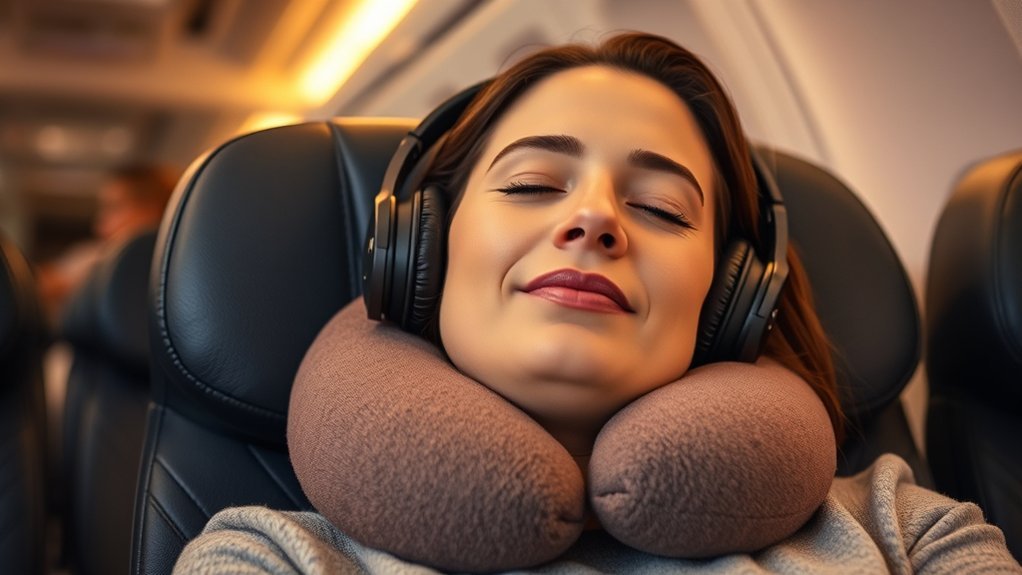
Using a travel pillow with over-ear headphones can greatly boost your travel comfort, but combining bulky earcups with a neck cushion often leads to painful ear pressure, aching jaw joints, or broken noise-cancellation seals. By selecting low-profile memory foam or wrap-style neck supports and adjusting headband clamping force, you can enjoy rich audio and restful sleep on long flights or road trips.
Quick Answer
To comfortably use a travel pillow with over-ear headphones, opt for a low-profile memory foam cushion or an asymmetric neck wrap with ear clearance. Position the pillow lower on your nape, expand your headband by 1–2 notches to relieve clamping pressure, and align the earcups into pillow contours to maintain your noise-cancellation seal.
Key Takeaways
- Pillow Choice Matters: Low-profile foam, ear-cutout pillows, or internal-frame neck wraps like the Trtl Pillow minimize earcup displacement.
- Relieve Clamping Force: Lengthen your headphone headband slightly to balance temporal pressure against the pillow surface.
- Protect the Acoustic Seal: Prevent travel pillow cushions from pushing earcups off your head, which destroys Active Noise Cancellation (ANC).
- Optimize Alignment: Sit tilt-forward or side-resting to align head and spinal posture according to CDC sleep hygiene principles.
At a Glance: Headphone & Pillow Comfort Setup
| Time Required | 2–3 minutes before flight takeoff or transit departure |
| Difficulty | Beginner (simple adjustment of straps, headband, and posture) |
| Tools Needed | Over-ear headphones, travel neck pillow (cutout or low-profile) |
| Expected Result | Zero ear cartilage pain, fully sealed ANC, and stable neck support |
Disclosure: As an Amazon Associate I earn from qualifying purchases. Some links on this page are affiliate links, at no extra cost to you.
Why Use a Travel Pillow With Over-Ear Headphones?

When you combine a travel pillow with over-ear headphones, you’re not just enhancing comfort; you’re revolutionizing your travel experience. Over-ear headphones offer superior passive noise isolation and Active Noise Cancellation (ANC) compared to in-ear earbuds. However, without adequate neck support, your head drops sideways, pressing headphone earcups directly into airplane window frames or seat headrests.
A proper travel pillow supports your cervical spine, promoting proper alignment of your head and neck. This prevents muscle strain while cradling your head in a stable position that holds your headphones securely without shifting. By eliminating neck stiffness and pressure points around your ears, you can enjoy uninterrupted audio and drift into a peaceful slumber during long journeys.
Preparing Your Travel Pillow for Comfort
To get the most comfort from your travel pillow while wearing over-ear headphones, start by choosing a pillow that cradles your neck without pushing against the bottom rim of your headphone earcups. Adjust the pillow for ideal neck support, ensuring it fits your unique shape and size before putting on your audio gear.
Choose The Right Pillow
Choosing the right travel pillow makes all the difference when pairing it with large over-ear headphones. Traditional bulky horseshoe pillows press upward into the earcups, driving the cushion into your cartilage. Look for low-profile memory foam, asymmetric neck wraps, or designs featuring specialized ear cutouts.
| Pillow Type | Headphone Compatibility | Key Features |
|---|---|---|
| Memory Foam | High | Molds around neck; absorbs earcup pressure points |
| Internal Frame (Trtl) | Very High | Holds head on one side; completely leaves ears uncovered |
| Ear Cutout Pillow | Maximum | Recessed side cavities specifically designed for earcups |
| Standard Inflatable | Low | Firm surfaces push earcups upward, disrupting ANC seals |
Adjust For Neck Support
Adjusting your travel pillow for optimal neck support is essential when wearing headgear. Start by securing the pillow snugly around your lower neck, using any chin straps or toggles to hold it low on your chest. Position the highest support bulk away from your ears to create a clear resting clearance for the earcups.
If your pillow features an adjustable internal frame or moldable core, align it along your jawline rather than against your temporal bones. This maintains proper spinal alignment without adding lateral pressure to your headphones.
Pro Tip: Wear your travel pillow slightly lower than usual—resting on your collarbones rather than high under your jaw—to create a 1-inch buffer zone below your headphone earcups.
Position Headphones Correctly
Positioning your headphones correctly prevents physical sore spots and preserves acoustic performance. Put your travel pillow on first, settle its position, and then slip your headphones over your head. Ensure the earcup cushions enclose your ears completely without resting on top of the pillow fabric.
Adjust Your Travel Headphones for Optimal Comfort
Achieving maximum comfort requires fine-tuning your headphones to work alongside your pillow. Adjusting headband extension, headband tilt, and ear pad positioning prevents discomfort on long travel days.
Choose Low-Profile Headphones
When selecting travel headphones, low-profile over-ear designs make a substantial difference. Headphones with deep memory foam ear pads and slim outer cup housings—such as premium noise-canceling travel models—distribute force evenly across your skull.
Look for models with 90-degree swiveling earcups and flexible headband hinges. Swivel mechanisms allow the earcups to adapt dynamically to the contours of your travel pillow when you lean your head sideways.
Adjust Pillow Positioning
To balance pillow support and headphone position, align the ear cups with the natural contour of the pillow notch. Adjust the pillow height so the bottom cushion stabilizes your neck while leaving the ears free. Leaning your head back slightly into the seat headrest helps keep both accessories in harmonious alignment.
Managing Headphone Clamping Force and ANC Seal
A primary challenge of wearing over-ear headphones with travel pillows is headband clamping force. When a travel pillow presses against the bottom of an earcup, it tilts the cup outward at the top. This breaks the acoustic seal required for Active Noise Cancellation, allowing jet engine drone to leak in.
Warning: Never force an over-ear earcup over a thick pillow edge. Unnatural bending can crack headband joints or cause acute pain along the temporomandibular joint (TMJ).
To prevent seal disruption:
- Extend your headphone headband by 1 or 2 extra clicks to lower clamping pressure on your temples.
- Select plush memory foam replacement ear pads (e.g., velour or cooling gel memory foam) to absorb pillow friction.
- Ensure compliance with FAA passenger guidelines regarding safe stowage of cords during taxi, takeoff, and landing.
Position Your Head and Neck Comfortably
To guarantee a comfortable experience, tilt your head slightly forward or to the side where your pillow offers dedicated support. The travel pillow should carry your head’s weight without pushing upward into the headphone earcups.
“Proper ergonomic alignment during transit reduces cervical spine pressure by up to 30 pounds, preventing both muscle strain and ear cartilage compression.”
How to Keep Your Ears Comfortable While Using Headphones?
Long flights subject your ears to physical pressure and thermal buildup. Keep your ears comfortable during extended listening with these practical steps:
- Choose Breathable Ear Pads: Use headphones with soft, breathable ear cushioning (such as perforated protein leather or memory foam) to minimize heat buildup.
- Take Regular Micro-Breaks: Remove your headphones for 2–3 minutes every hour to relieve cartilage compression and equalize ear pressure.
- Go Wireless: Bluetooth headphones eliminate dangling cords that snag on pillow toggles, seatbelts, or armrests.
Best Travel Pillows With Ear Cutouts for Comfort
Travel pillows with engineered ear cutouts offer specialized cavities for headphone earcups. These cutouts allow the pillow to support your jaw and neck fully while leaving space around your ears and headphones. Memory foam options with adjustable chin straps remain the top choice for side sleepers who wear bulky over-ear audio gear.
Fixing Common Headphone Problems While Traveling
Overcome common travel audio frustrations with these straightforward solutions:
- Broken ANC Seal: If ambient engine noise leaks in, loosen the headband slider slightly and rotate the pillow 180 degrees so the thickest foam sits under your chin.
- Ear Cartilage Pain: Shift the pillow down toward your shoulders to prevent upward pressure on the earcups.
- Headphone Slippage: Use a travel pillow with an adjustable front strap or toggle to lock your head support in place before putting on your headphones.
Note: Bluetooth audio transmitters can connect your wireless over-ear headphones directly to inflight entertainment screens, keeping your setup tangle-free.
Enhancing Your Travel Experience With Sound and Comfort
Combining a supportive travel pillow with high-quality over-ear headphones turns noisy flight cabins into relaxing sanctuaries. By choosing compatible gear, fine-tuning headband adjustments, and maintaining proper neck alignment, you can enjoy immersive sound and restful sleep wherever your travels take you.
Frequently Asked Questions
Can I Use a Travel Pillow With In-Ear Headphones?
Yes, in-ear headphones (earbuds) work seamlessly with almost all travel pillows because they fit entirely inside the ear canal. However, if you rest your head directly against a firm pillow, hard earbud stems can still cause pressure point discomfort. Low-profile memory foam pillows remain the best choice.
How Do I Clean My Travel Pillow?
Unzip and remove the fabric cover, then machine wash it on a gentle cycle using cold water and mild detergent. Air-dry the cover completely to preserve its shape. Never submerge memory foam cores in water; spot clean foam cores with a damp cloth instead.
Are Travel Pillows Suitable for Long Flights?
Yes, travel pillows are essential for long-haul flights. They maintain cervical alignment, prevent lateral head drop during REM sleep, and reduce upright neck muscle strain when sitting in economy aircraft seats.
What Materials Are Best for Travel Pillows?
High-density memory foam provides optimal pressure relief and ergonomic support for over-ear headphone users. Inflatable options offer compact storage, while fleece-wrapped internal support structures (like the Trtl Pillow) offer lightweight, low-bulk lateral support.
Can I Fold My Travel Pillow for Storage?
Yes, most memory foam and inflatable travel pillows compress into compact carry pouches. Memory foam pillows can typically be rolled down to 33% of their expanded size without damaging their structural integrity.
Conclusion
Using a travel pillow with over-ear headphones can transform a noisy journey into a cozy retreat. By selecting a pillow with ear cutouts or low-profile memory foam, adjusting your headband clamping force, and positioning your neck support correctly, you can prevent neck strain and enjoy your favorite audio in complete comfort. Pack your headphones and travel pillow together on your next adventure for a relaxing, sound-filled flight!
Sources
- Trtl Travel — Ergonomic neck wrap specifications and internal support frame guidance.
- CDC Sleep Hygiene Guidelines — Principles of spinal alignment and restorative rest during travel.
- Federal Aviation Administration (FAA) — Passenger safety and cabin equipment stowage guidelines.
- Bose Corporation — Over-ear headphone clamping pressure and acoustic seal maintenance standards.

