

Last Updated on July 25, 2026 by Caleb Warren
Combining a neck support cushion with a hooded sweatshirt is one of the most effective ways to build a personal sleep sanctuary on long-haul flights, train journeys, or road trips. By using the structured support of a travel pillow alongside the light-blocking and insulating properties of a hoodie, you can eliminate neck strain, reduce cabin glare, and sleep comfortably in an upright seat.
Quick Answer
To wear a travel pillow with a hoodie effectively, put on your hoodie first, position your travel pillow around your neck (or turn traditional U-shaped foam backward to support your chin), and pull the hood up over the top of the pillow. Cinch the hood’s drawstrings loosely to secure the pillow in place, block ambient light, and stabilize your head against lateral tipping.
Key Takeaways
- Prevent Chin Slump: Reverse traditional U-shaped memory foam pillows so the thickest cushion rests beneath your chin, then secure it with your hood.
- Microclimate Control: Choose breathable cotton-poly or Merino wool hoodies to avoid overheating in pressurized aircraft cabins.
- Noise & Light Isolation: Pulling the hood over your ears and forehead creates a physical barrier that muffles cabin noise and blocks overhead lights.
- Pillow Care: Spot-clean memory foam cores and wash hoodie fabrics regularly to prevent oil buildup and dust mite accumulation.
At a Glance
| Time Required | 2–3 minutes setup |
| Difficulty | Very Easy |
| Tools Needed | Travel neck pillow (Memory Foam/Inflatable), Mid-weight Hoodie |
| Primary Benefit | Cervical spine alignment, light/noise reduction, ambient warmth |
Disclosure: As an Amazon Associate I earn from qualifying purchases. Some links on this page are affiliate links, at no extra cost to you.
Top Reasons to Combine a Travel Pillow With a Hoodie for Comfort
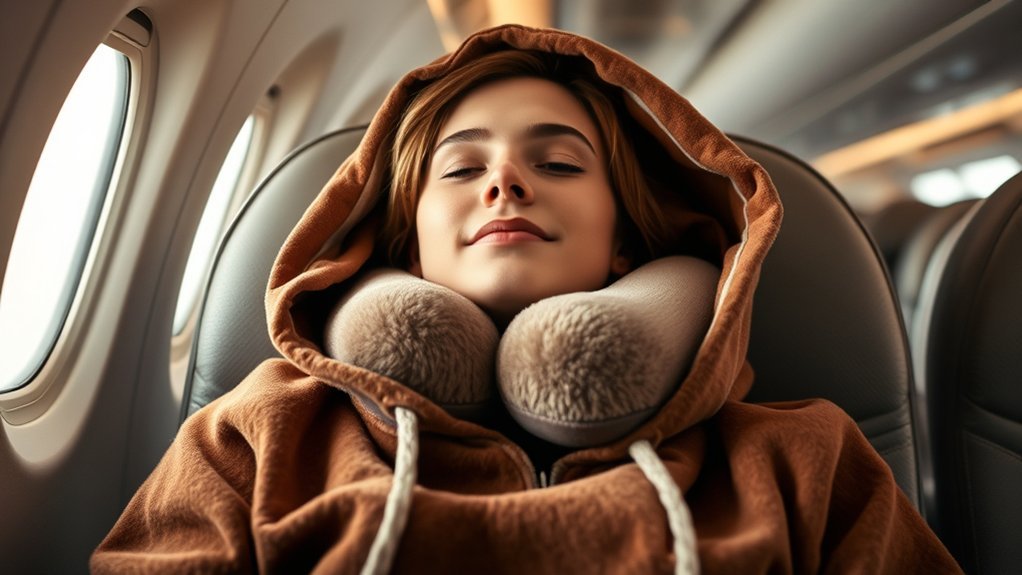
Sleeping upright in an airplane seat or passenger car puts strain on the cervical spine. When your head tilts unnaturally during sleep, the neck muscles overcompensate, causing stiffness and fatigue upon waking. Pairing a dedicated neck support pillow with a hoodie resolves these ergonomic challenges through several complementary mechanisms:
- Enhanced Head & Neck Alignment: The structured core of a memory foam or microbead pillow cradles the neck, maintaining neutral spine alignment. According to ergonomic guidance from the American Chiropractic Association, proper cervical neck support while resting prevents acute muscle spasms and long-term vertebral strain.
- Light and Visual Distraction Blocking: Pulling a hood over your brow restricts peripheral sightlines and shades your eyes from cabin lights or passing street lamps, encouraging natural melatonin production.
- Acoustic Dampening: Extra fabric layered over your ears softens high-frequency background noise, such as engine hums or passenger chatter.
- Thermal Regulation: Commercial airplane cabins are typically maintained at cool temperatures ranging between 18°C and 22°C (64°F–71°F). A hoodie provides immediate insulation against cold draft vents without taking up valuable carry-on luggage space.
Choosing the Right Hoodie for Travel Comfort
Not all hoodies perform equally in transit. To maximize comfort when pairing your sweatshirt with a travel pillow, consider fabric properties, construction, and overall fit:
Selecting a hoodie crafted from breathable, moisture-wicking natural blends ensures you remain warm without trapping excess humidity against your skin during long transit times.
- Fabric Types: Opt for breathable mid-weight cotton blends, French terry, or Merino wool. Synthetic heavy fleece can trap sweat and lead to overheating in pressurized cabins.
- Travel Features: Select hoodies with deep front kangaroo pockets or zippered security pockets to keep travel documents, earplugs, and phone accessories accessible.
- Fit and Weight: Choose a slightly oversized or relaxed fit. A tight hood will pull down on your crown when stretched over a neck pillow, creating uncomfortable tension across your scalp and neck.
Which Travel Pillow With a Hoodie Should You Choose?
Matching the right type of travel pillow to your hoodie setup depends on your primary sleeping position and travel habits:
- Memory Foam Pillows: Offer high-density support and slow-rebound cushioning. They excel at holding your neck stable, though they are heavier to carry. Look for models with cooling gel inserts to offset heat trapped by your hoodie.
- Inflatable Pillows: Ideal for ultralight packing and adjustable firmness. You can inflate them slightly less than full capacity so they mold easily inside your hoodie without pushing your neck forward.
- Wrap-Around / Scarf Pillows: Utilize internal plastic ribs to hold the neck upright. These pair seamlessly inside an oversized hoodie, keeping the internal support mechanism completely hidden and padded.
- Built-in Hooded Travel Pillows: Integrate a lightweight fabric hood directly onto the pillow casing. While convenient, using a standalone quality hoodie gives you thicker fabric, better warmth, and superior noise isolation.
Pro Tip: Ensure any travel pillow you select includes a removable, machine-washable outer cover to maintain proper skin hygiene after long journeys.
How to Get Your Hoodie On Just Right for Comfort
Executing a smooth setup prevents fabric bunching and ensures your pillow sits firmly against your neck:
- Put on your hoodie first: Slip into your hoodie before putting on your travel pillow. Leave the hood down initially.
- Position the travel pillow: Place the cushion around your neck, adjusting any front toggles or Velcro straps so it sits snug against your jawline.
- Raise the hood: Pull the hood up and over both your head and the back cushion of the pillow.
- Adjust drawstrings: Gently pull the hood drawstrings to cinch the fabric around the perimeter of the pillow. This locks the cushion in place and prevents your head from slipping sideways.
Positioning Your Travel Pillow for Best Support
Standard U-shaped pillows are often worn incorrectly. When worn with the opening at the front, your chin can still drop forward, causing sharp neck pain upon waking.
Warning: Letting your head drop forward during sleep strainfully overextends the cervical ligaments. If your pillow does not feature a raised front chin bridge, rotate the pillow backward so the thick cushion sits under your chin.
Aligning the pillow height with your jawline ensures neutral spine positioning. When you raise your hoodie over a reversed U-shaped pillow, the hood fabric applies light backward tension, supporting your chin and keeping your airway open for unobstructed breathing.
Adjust Your Hoodie to Block Light and Noise
Once your pillow is positioned, refine your hoodie adjustments to create a quiet sleeping environment:
- Cinch for Light Reduction: Pull the drawstrings until the opening narrowed down to cover your forehead and temples, shading your eyes from overhead lights.
- Layer Over Noise-Canceling Earbuds: Insert earplugs or active noise-canceling earbuds first, then pull the hood fabric down over your ears to secure the wires or stems in place.
- Optimize Headrest Angle: Tilt your head slightly backward against the seat rest. The extra hoodie fabric creates a soft buffer between your head and sanitized airplane leather or plastic.
Best Practices for Staying Cozy on Long Trips
Combining comfort gear is only one part of surviving a long-haul flight or road trip. Follow these established practices for extended journeys.
Choose The Right Pillow
Select a cushion based on how you naturally sleep. Lateral sleepers need thicker side bolsters, while forward sleepers require chin support. Look for travel pillows that meet safety standards and use non-toxic materials tested under standard safety guidelines like OEKO-TEX Standard 100.
Layer Your Clothing Wisely
Maintain thermal balance by layering a moisture-wicking base layer beneath your hoodie. Avoid wearing tight belts or restrictive jeans; pair your hoodie with stretch trousers or breathable joggers to maintain peripheral blood circulation while seated.
Utilize Hoodie Pockets Effectively
Keep essential items within easy reach so you do not have to disrupt your sleep routine:
- Stow eye masks, lip balm, and earplugs in your main kangaroo pocket.
- Use zippered inner compartments for high-value items like passports and smartphones.
- Route headphone cables beneath your hoodie fabric to avoid snagging on seat armrests.
Maintaining Your Travel Pillow and Hoodie in Top Shape
Regular maintenance ensures your travel gear stays fresh, hygienic, and structurally sound across multiple trips.
Proper Cleaning Techniques
Travel gear accumulates sweat, facial oils, and airport surface bacteria during transit. Clean your equipment thoroughly after every trip:
- Spot Clean Memory Foam: Never submerge memory foam cores in water, as moisture breaks down the viscoelastic cell structure. Spot-clean with mild detergent and a damp cloth.
- Machine Wash Hoodie & Covers: Remove the fabric cover from your travel pillow. Wash both the cover and your hoodie in cold water on a gentle cycle.
- Air Dry Completely: Line-dry the pillow cover and hoodie to prevent fabric shrinkage and preserve elasticity in the drawstrings.
Storage Recommendations
Proper storage prevents mold formation and preserves foam resilience:
| Item | Storage Recommendation |
|---|---|
| Travel Pillow | Uncompress memory foam and store in a breathable cotton bag to retain shape. |
| Hoodie | Store in a dry closet on a wide hanger to avoid fabric creasing and seam stress. |
| Travel Pillow Cover | Wash and dry completely before storing inside the pillow pouch to avoid mildew. |
| Inflatable Bladder | Deflate fully, fold loosely, and keep away from sharp zip teeth or direct heat. |
Avoid These Common Mistakes With Your Travel Pillow and Hoodie
Prevent discomfort by avoiding these frequent setup errors:
- Improper Positioning: Leaving a gap between your neck and the pillow cushion leads to sudden lateral head jerks during deep sleep stages.
- Over-tightening Hood Drawstrings: Pulling drawstrings too tight places excessive pressure across the bridge of your nose or forehead, causing compression headaches.
- Ignoring Fabric Friction: Pairing a slippery nylon hoodie with a smooth synthetic pillow cover causes the pillow to slide out of position whenever you move. Choose fleece or cotton pillow covers for better surface grip.
Enhance Your Travel Experience With the Right Accessories
Complete your personal sleep setup with lightweight accessories designed for transit:
- Contoured 3D Eye Masks: Feature recessed eye cavities that allow full REM eye movement without pressing against your eyelids beneath your hoodie.
- Silicone or Foam Earplugs: Provide high noise reduction ratings (NRR 25–33 dB) to muffle low-frequency aircraft jet engine rumble.
- Compression Socks: As recommended by the Centers for Disease Control and Prevention (CDC), wearing graduated compression socks on flights longer than 4 hours promotes venous blood flow and reduces the risk of deep vein thrombosis (DVT).
Frequently Asked Questions
Can I Use Any Hoodie With My Travel Pillow?
Yes, virtually any hoodie works, but slightly oversized hoodies made of breathable fabrics like cotton or French terry perform best. Extremely fitted hoods may pull down tightly on your head when stretched over a thick travel pillow.
How Do I Clean My Travel Pillow and Hoodie?
Unzip and remove the travel pillow’s fabric cover. Machine wash the cover and your hoodie in cold water on a gentle cycle. Spot-clean memory foam cores using a damp cloth with mild soap, and air-dry all items completely.
Are Travel Pillows With Hoods Available in Different Sizes?
Yes, integrated hooded travel pillows come in small, medium, and large sizing variations, as well as adjustable wrap styles. Checking neck circumference measurements before buying ensures an optimal ergonomic fit.
Will Wearing a Hoodie Make Me Too Hot While Traveling?
It can if you wear heavy synthetic fleece in warm environments. Choosing breathable natural fibers like combed cotton or lightweight Merino wool ensures proper thermal regulation in fluctuating airplane cabin temperatures.
Can I Wear My Hoodie Without Using a Travel Pillow?
Absolute simplicity is fine! You can wear a hoodie by itself for warmth and light blockage, though it won’t offer the structural cervical neck support provided by a dedicated travel pillow.
Conclusion
Combining a travel pillow with a hoodie turns a basic flight or commute into a comfortable, restful experience. By selecting breathable fabrics, placing your neck support correctly to avoid forward chin slump, and adjusting your drawstrings to block light and sound, you turn your seat into a cozy sanctuary. Keep your gear clean and properly stored between trips so it stays ready for every journey. Safe travels!
Sources
- American Chiropractic Association — Cervical spine alignment guidelines and sitting posture ergonomics
- Centers for Disease Control and Prevention — Travel health and DVT prevention during long-haul transit
- OEKO-TEX Association — Textile safety and ecological testing standards

