
Last Updated on July 30, 2026 by Caleb Warren
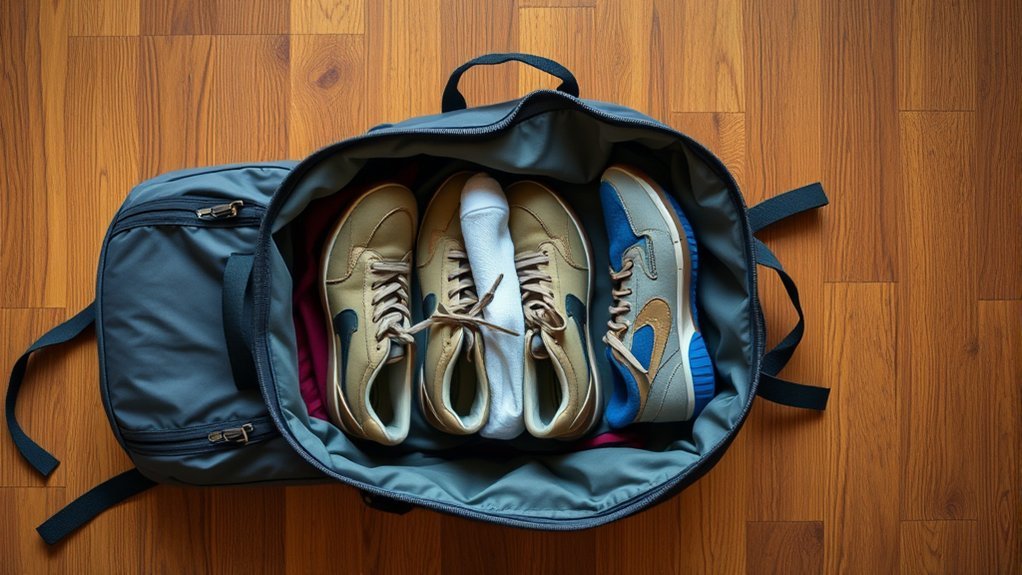
Packing an extra pair of shoes can take up a surprising amount of room in a backpack. The best approach is to bring only footwear that serves a clear purpose, clean and dry each pair, protect your clothes from the soles, and place the shoes where they will not upset the backpack’s balance.
Quick Answer
Pack one clean, dry pair heel-to-toe in a lightweight shoe bag. Fill only the empty toe area with soft, clean items such as socks. Place the pair near the middle of the backpack and close to your back, not loose at the bottom. Wear the bulkiest comfortable pair during transit.
Key Takeaways
- Choose shoes by activity, weather, fit, and versatility rather than packing several “just in case” pairs.
- Clean and fully dry footwear before enclosing it in a shoe bag or plastic cover.
- Use shoe interiors only for soft, clean, non-fragile items.
- Keep dense shoes near the middle of the backpack and close to the back panel.
- When flying, keep liquid toiletries in an accessible, rules-compliant liquids bag instead of hiding them inside shoes.
At a Glance
| Time Required | About 5–10 minutes once the shoes are clean and dry |
| Difficulty | Easy |
| Tools Needed | Reusable shoe bag or clean sole covers, soft cloth or brush, and clean socks or packing paper |
| Cost | Usually $0 when using clean bags and soft items you already own |
Disclosure: As an Amazon Associate I earn from qualifying purchases. Some links on this page are affiliate links, at no extra cost to you.
Choosing the Right Footwear for Your Trip
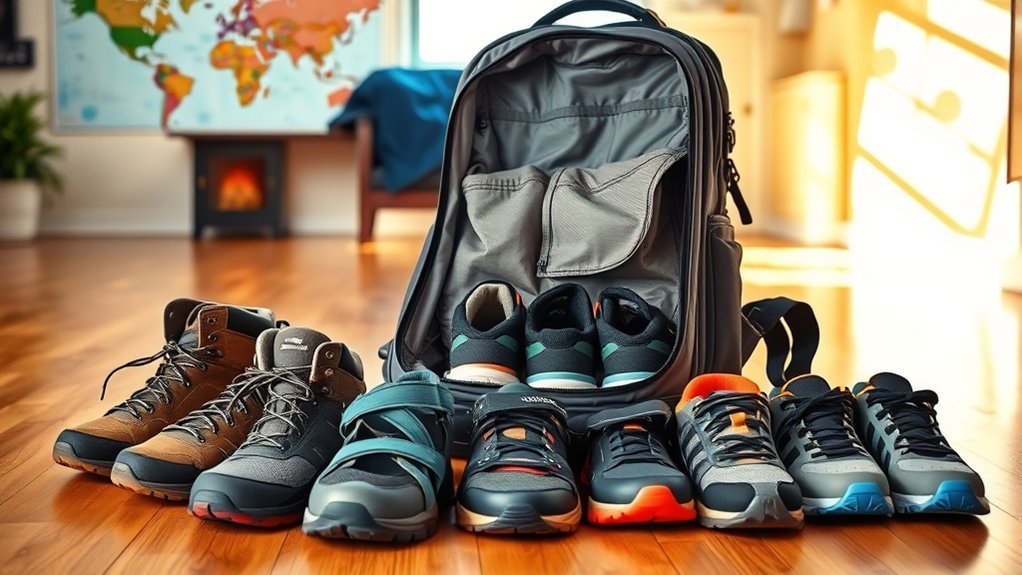
Start with the trip rather than the shoe rack. List the activities you expect, the weather, the surfaces you will walk on, and any dress requirements. Each pair should handle more than one part of the trip whenever possible.
- For city travel: Choose a comfortable walking shoe that also works for casual meals and everyday sightseeing.
- For trails: Match the footwear to the terrain, weather, load, and trip length. Current REI hiking-footwear guidance explains that hiking shoes and boots differ in weight, breathability, support, and intended use.
- For wet weather: Consider water-resistant or quick-drying footwear and pack extra dry socks.
- For formal plans: Bring the lightest structured pair that meets the dress requirement and protect it from crushing.
One pair worn and one pair packed is a useful target for many trips, but it is not a strict rule. A winter trip, a technical hike, a formal event, or a medical footwear need may justify another pair. Remove any option that duplicates the purpose of a shoe you already selected.
Comfort matters more than appearance during long walking days. Shoes should already fit well and should not need a difficult break-in period after you arrive.
Space-Saving Packing Techniques
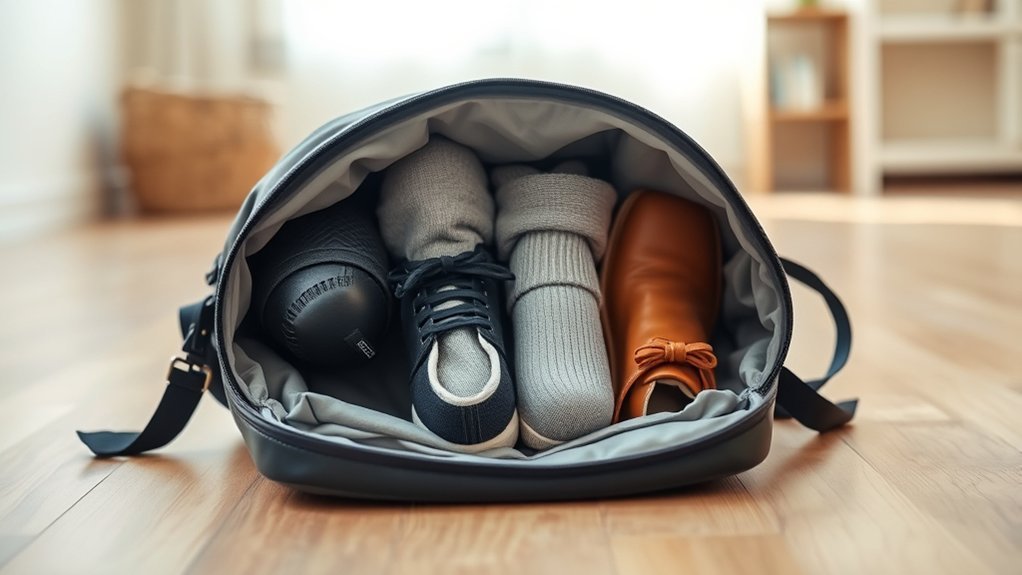
Use the following sequence to pack shoes without wasting space or dirtying the rest of your gear:
- Remove unnecessary pairs. Confirm that every packed shoe has a specific use.
- Clean the soles and uppers. Brush away loose dirt, mud, seeds, and debris.
- Dry the shoes completely. Remove damp insoles when possible and allow air to circulate before packing.
- Fill only useful empty space. Place clean socks, underwear in a small pouch, or soft packing paper in the toe box.
- Pair the shoes heel-to-toe. This reduces awkward gaps and creates a more compact shape.
- Contain the soles. Put the pair in a lightweight shoe bag, separate pouches, or clean sole covers.
- Place and test the load. Keep the shoes near the middle and close to the back panel, then lift the backpack to check its balance.
Warning: Do not place glass bottles, glasses, cameras, power banks, or other fragile items inside shoes. Footwear is not crushproof, and pressure from the rest of the backpack can damage the item or the shoe.
Soft sandals and flexible knit shoes may compress slightly, but do not sharply fold structured sneakers, leather shoes, hiking boots, or footwear with stiff heel counters. Forced compression can crease the upper, deform the sole, or weaken glued areas.
When flying from a U.S. airport, liquids, gels, aerosols, creams, and pastes in a carry-on must follow the TSA liquids rule. Keep the liquids bag together and easy to reach rather than packing individual liquid toiletries inside shoes.
Utilizing Shoes for Additional Storage
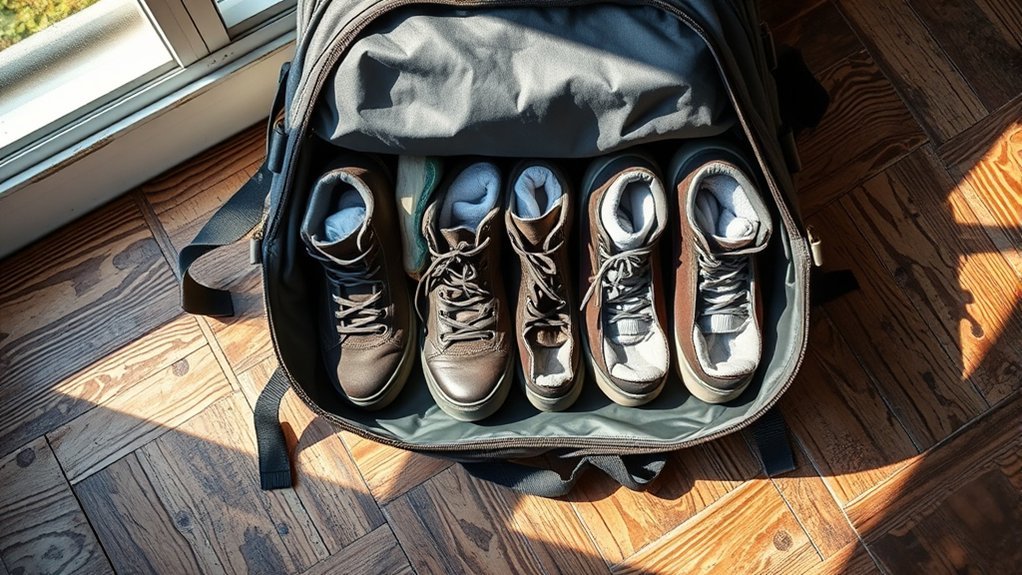
The empty space inside a shoe can hold a few small belongings, but choose those belongings carefully. Clean socks are usually the safest option because they are soft, light, and useful for supporting the toe box.
Other suitable items include a rolled belt, a fabric pouch of underwear, a soft scarf, or clean packing paper. Place personal items in a separate clean pouch before putting them in a shoe. This keeps them away from the insole and makes unpacking easier.
Avoid placing the following items inside footwear:
- Liquid toiletries that could leak
- Food, medicine, or unwrapped personal-care items
- Electronic devices, chargers with exposed prongs, or power banks
- Glasses, glass containers, jewelry, or other fragile belongings
- Anything you will need frequently during the journey
Pro Tip: Fill only the toe box and other natural cavities. Overstuffing a shoe can stretch the upper, press against seams, or change its shape.
Keeping Shoes Clean During Travel
Clean shoes before packing them, even when they do not look muddy. Wipe the upper, brush the tread, and remove stones or other debris caught in the sole. This protects clothing and keeps loose dirt from spreading through the backpack.
Pack shoes only after they are clean and dry. A bag can contain dirt, but it cannot solve trapped moisture.
Use a washable, lightweight shoe bag for routine travel. A clean shower cap can cover the soles for a short trip, but it does not protect the upper or maintain the shoe’s shape. A sealed plastic bag is best reserved for dry shoes or temporary emergency containment.
Do not seal damp footwear for an extended period. The CDC recommends keeping feet and footwear clean and dry because fungi that cause athlete’s foot thrive in warm, dark, moist conditions. Air out worn shoes when you reach your accommodation and rotate pairs when practical.
Note: After hiking or visiting natural areas, remove mud, seeds, and plant material from boots and gear. USDA APHIS guidance recommends cleaning outdoor equipment and boots between trips to reduce the spread of invasive pests.
Organizing Your Shoes in the Backpack
Shoes should form one stable package inside the backpack. Loose shoes can shift, press against other belongings, and make the bag harder to carry. Keep the pair together unless separating the shoes produces a clearly better fit and equal weight on both sides.
Products Worth Considering
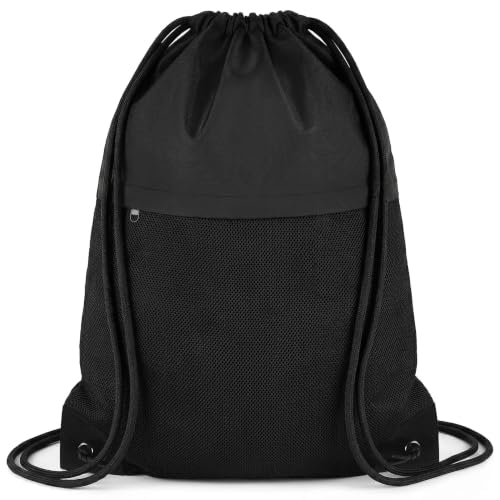
【Lightweight & Packable Backpack】With packable design, this drawstring backpack can be easily stored in your pocket as a spare bag when traveling. Also allows for easy storage and portability gym backpack

Adjustable size: This is an expansion hiking storage pouch for mountain climbing that can be rolled up and adjusted to fit the size of your shoes. Available in 2 sizes to accommodate a variety of shoes.

【Daily use and travel essentials】: When storing in the suite or at home, protect your shoes and bags from yellowing, abrasion, dust and debris, keep shoes and bags in order, and increase the use of shoes and bags life
Utilize Shoe Bags
A dedicated shoe bag contains dirt and makes the pair easier to remove without disturbing the rest of the load. Choose a bag that is:
- Lightweight and no larger than necessary
- Washable or easy to wipe clean
- Strong enough to resist tears from tread edges or heels
- Breathable when you expect to pack recently worn footwear
A separate shoe compartment can be convenient, but remember that a soft built-in compartment usually borrows space from the backpack’s main compartment. Test the bag fully packed rather than assuming the compartment adds capacity.
Maximize Packing Space
Place paired shoes heel-to-toe or sole-to-sole, depending on their shape. Pack soft clothing around the protected pair to fill small gaps and prevent movement.
Do not follow a blanket rule that every heavy item belongs at the bottom. REI’s backpack-loading guidance places dense items in the core of the pack and close to the back to create a more stable center of gravity. For most travel backpacks, this means placing packed shoes near the middle, against or close to the back panel, while balancing the left and right sides.
After packing, close every zipper and wear the backpack for several minutes. If one shoulder feels more loaded, move a shoe or another dense item until the pack feels even.
Protecting Clothes From Shoe Dirt
The goal is to create a reliable barrier between the soles and clean clothing. A shoe bag is usually the simplest option, but several methods can work when the footwear is dry.
Use Shoe Bags
Put each pair in a reusable bag before placing it beside clothing. If the shoes are especially dirty, wipe them first instead of relying on the bag to contain loose mud. Turn the bag inside out when washing it so dirt does not remain in the corners.
For structured or polished footwear, separate the shoes with a soft cloth or individual pouch so the soles and hardware cannot rub against the opposite upper.
Wrap in Plastic
A resealable plastic bag can provide a temporary dirt and water barrier, but use it only after the shoes are dry. Press out excess air without crushing the footwear, and remove the shoes soon after arrival so they can breathe.
For a lower-waste option, use washable fabric shoe bags or reusable waterproof pouches. A shower cap can cover a sole in an emergency, but it may slip off and leaves much of the shoe exposed.
Wearing Heavier Shoes for Travel
Wearing your bulkiest suitable pair can free space inside the backpack and reduce its packed weight. This works well for supportive sneakers, hiking shoes, or boots that remain comfortable during a long travel day.
Do not choose transit footwear based on weight alone. Avoid a heavy pair when it is painful, difficult to remove, unsafe for the weather, or unsuitable for long periods of sitting and walking. Keep socks and any required foot-care items accessible.
Wearing bulky footwear may help you stay within a bag’s size or weight allowance, but it does not guarantee that you will avoid a fee. Airlines set different carry-on and checked-bag policies. Review the carrier’s current allowance and displayed fees before leaving for the airport; the U.S. Department of Transportation’s baggage information explains the consumer rules surrounding airline baggage policies.
Selecting Versatile Styles for Different Occasions
Versatile shoes reduce the number of pairs you need. Neutral colors can make outfit planning easier, but fit, traction, support, weather protection, and the activities on your itinerary should come first.
| Style | Packing Characteristics | Ideal Use |
|---|---|---|
| Loafers | Structured; stuff the toe and protect the upper from pressure | Business meetings, dinners, and dressier city plans |
| Ankle Boots | Bulky; usually best worn during transit or packed upright with support | Cool weather, city walking, and evenings out |
| Slip-Ons | Often light and compact, though stiff heel counters should not be flattened | Casual days, transit, and relaxed evenings |
| Sneakers | Moderately bulky; pair heel-to-toe and fill the toe box lightly | Sightseeing, day trips, and everyday walking |
Before packing, try each planned outfit with the selected footwear. This quick check often reveals that one pair can cover several occasions or that a visually versatile shoe is not comfortable enough for the trip.
Tips for Easy Access to Shoes
Access matters when you expect to change footwear during the day. Use these placement rules:
- Near the opening: Place shoes close to the main zipper when you will need them during transit or immediately after arrival.
- Deeper in the bag: Pack rarely used formal shoes or backup footwear below items needed during the journey.
- In an external compartment: Use it only when the compartment closes securely and does not place excessive weight far from your back.
- Outside the backpack: Avoid dangling shoes from a loose carabiner. They can swing, collect rain and dirt, strike other people, or catch on doors and branches.
If you must attach footwear externally, secure both shoes tightly at two points, cover them from weather and dirt, and confirm that the arrangement does not interfere with straps or your movement.
Maintaining Shoe Shape and Condition
Space savings should not come at the cost of damaged footwear. Structured shoes need support, while soft shoes need only enough protection to prevent sharp creases and abrasion.
Shape Maintenance Techniques
- Use soft stuffing: Fill the toe box lightly with clean socks, a scarf, or packing paper.
- Protect the heel counter: Do not flatten or sharply bend the back of a structured shoe.
- Use shoe trees selectively: Lightweight travel shoe trees can help valuable dress shoes, but full wooden trees add considerable weight.
- Avoid top pressure: Do not place hard, dense objects directly on polished leather, heels, or delicate uppers.
Cleaning and Protection
Use a cleaning method suitable for the shoe material. Brush dry mud from hiking footwear, wipe synthetic uppers with a damp cloth, and follow the manufacturer’s care instructions for leather, suede, waterproof membranes, and glued components.
Allow cleaned shoes to dry naturally before packing. Avoid placing footwear next to intense heat unless the manufacturer specifically permits it, because high heat can affect adhesives and some synthetic materials.
Packing Efficient Strategies
- Loosen laces enough to reduce tension without letting the shoe collapse.
- Place shoes heel-to-toe to form a compact pair.
- Turn dirty soles away from clean or delicate uppers.
- Use soft clothing around the protected pair to stop movement.
- Keep pointed heels, buckles, and metal hardware away from thin fabric and electronics.
- Test the backpack while wearing it and adjust any item that creates a hard pressure point.
Packing Different Types of Shoes
Products Worth Considering

Package Included:You can get a full 50 pcs transparent shoe bags for travel in this kit.Each shoe bags measures about 11.8×15.7 in / 30×40 cm.These shoe bags of this size are large enough to hold various types of shoes or other items.
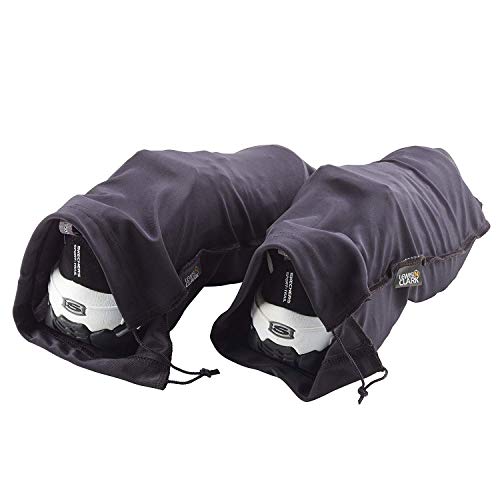
PROTECT YOUR FAVORITE FOOTWEAR: With our durable nylon drawstring shoe bags for travel, your footwear remain pristine. It covers your best sole and shields it from dust and scratches. It fits in any luggage, whether you're on a business trip, family vacation, or quick weekend getaway.

Perfect Fit: Sized 14"x12"x4", the shoe bags is deal size for women and men; Great for packing sneakers, high heels, slippers, leather shoes, boots and more
Sneakers and Trail Runners
Clean the tread, loosen the laces, and place a small bundle of socks in each toe box. Pair the shoes heel-to-toe and use one lightweight bag. Do not force the heel counters flat unless the manufacturer designed them to collapse.
Boots
Wear bulky boots during transit when they are comfortable and appropriate for the conditions. When packing them, support the shafts with soft clothing and place the boots near the center of the load. Do not fill them with heavy objects, which can make the backpack harder to balance.
Dress Shoes and Heels
Use separate soft covers so the soles, buckles, or heels cannot scratch the opposite shoe. Stuff the toe boxes lightly and surround the pair with clothing. Pointed heels should face away from thin backpack fabric, laptop sleeves, and other items they could puncture.
Sandals and Flip-Flops
Clean the soles and stack the pair sole-to-sole. Thin sandals can slide along the side of the main compartment, but avoid bending rigid footbeds or molded arch supports.
Airport and Airline Considerations
Before flying, check the airline’s current size and weight limits for your fare. A backpack accepted as a personal item by one airline may be treated as a carry-on by another.
Keep identification, medication, electronics, and any required liquids bag accessible. Do not bury these items inside packed shoes. TSA screening procedures can vary by traveler, airport, and security program, so follow the instructions given at the checkpoint.
If your backpack is close to its size limit, check the profile after adding shoes. A stiff sole pressed against the outer wall can create a bulge that prevents the bag from fitting a sizing frame or sliding beneath a seat.
Products Worth Considering

Extra Shoe Bag & Wet Pocket: Large carry on backpack for women includes a bonus shoe bag to keep shoes separate from clothes and prevent dirt from spreading in your bag. The wet pocket of suitcase school backpack for travel purse is ideal for storing swimsuits, toiletries, helping keep the rest of your items dry. The thoughtful design makes the travel laptop backpack for shcool women perfect for travel, everyday use. The travel backpack with water bottle pocket fits a Stanley 30 oz (900ml) cup
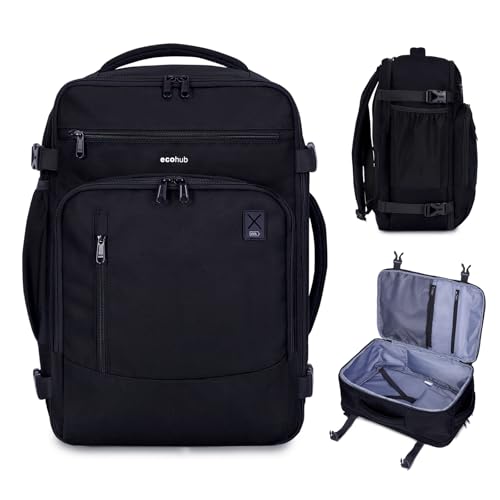
【SAY NO TO BAGGAGE FEES】: The ECOHUB 25L Carry On Bag is perfectly sized to meet United Airlines' personal item requirements. Measuring 17" x 10" x 9" and weighing just 1.6 lbs, it fits neatly under the seat. It’s also compatible with Spirit, Frontier, EasyJet and many other airlines. (Patent Pending)

Extra Shoe Bag & Wet Pocket: Travel laptop backpack includes a bonus shoe bag to keep shoes separate from clothes and prevent dirt from spreading in your bag. The wet pocket of personal item travel bag is ideal for storing swimsuits, toiletries, helping keep the rest of your items dry. The thoughtful design makes the womens travel backpack perfect for travel, everyday use
Common Shoe-Packing Mistakes and Fixes
- The shoes are still damp: Remove them, take out removable insoles, and allow both shoes and insoles to dry before repacking.
- The backpack pulls backward: Move the shoes closer to the back panel and reduce weight in outer pockets.
- One shoulder feels heavier: Rebalance shoes and other dense items from left to right.
- The uppers are crushed: Reduce stuffing, move hard items away, and support the toe and heel with soft material.
- Clothes smell like shoes: Clean and dry the footwear, wash the shoe bag, and air out both the shoes and backpack.
- The bag will not close: Remove a duplicate pair instead of forcing zippers or sharply folding structured shoes.
- Mud has entered the backpack: Empty the bag, brush away dry debris outdoors, and clean the lining according to the backpack manufacturer’s instructions.
Frequently Asked Questions
Can I pack more than two pairs of shoes?
Yes, but make each pair justify its space. Extra footwear may be reasonable for formal plans, technical activities, severe weather, or medical needs. For a simple leisure trip, one pair worn and one packed often covers the main activities with less bulk.
How do I choose shoes for different weather conditions?
Check the expected temperature, precipitation, and walking surfaces. Use breathable footwear in hot conditions, suitable traction for slippery ground, and water-resistant or quick-drying shoes for wet weather. Always bring dry socks and avoid assuming that one waterproof shoe is ideal for every climate.
What types of shoes are best for hiking?
Choose according to fit, terrain, weather, pack weight, and trip length. Trail runners and hiking shoes are often lighter and more breathable, while sturdier boots may suit rough terrain, colder conditions, or heavier loads. No single type is best for every hiker.
Are there special bags for packing shoes?
Yes. Travel shoe bags are lightweight pouches that contain dirt and keep a pair together. Choose a washable bag that fits the footwear without excessive unused space. Breathable fabric is helpful for recently worn shoes, while a water-resistant pouch is useful for dry shoes in wet luggage conditions.
How can I prevent shoe odor during travel?
Start with clean, completely dry shoes and socks. Air the shoes out after use, remove damp insoles when appropriate, rotate pairs, and wash the shoe bag as needed. Fragranced sheets may mask an odor, but they do not remove moisture or clean the footwear.
Where should shoes go inside a backpack?
Place dense footwear near the middle of the backpack and close to the back panel. Keep the pair stable and balance the left and right sides. Shoes needed during transit can sit closer to the opening as long as they do not make the load pull away from your body.
Can I clip shoes to the outside of my backpack?
It is possible, but inside storage is usually cleaner and more stable. Externally attached shoes can swing, get wet, collect dirt, or catch on objects. When outside attachment is necessary, secure both shoes tightly at two points and keep them clear of straps and walking movement.
Conclusion
To pack shoes efficiently, start with fewer, more versatile pairs. Clean and dry them, support their shape with soft items, contain the soles, and place the footwear near the middle of the backpack and close to your back. A final test carry will reveal shifting, hard pressure points, or uneven weight before they become problems during the trip.
Sources
- Transportation Security Administration — Liquids, Aerosols, and Gels Rule — carry-on restrictions for liquid toiletries.
- REI Co-op — How to Pack a Backpack — backpack load placement and weight balance.
- REI Co-op — How to Choose Hiking Boots and Shoes — choosing footwear by terrain, load, weather, and fit.
- Centers for Disease Control and Prevention — Healthy Habits: Foot Hygiene — keeping feet, socks, and footwear clean and dry.
- USDA Animal and Plant Health Inspection Service — How To Stop Invasive Pests — cleaning boots and outdoor equipment between trips.
- U.S. Department of Transportation — Baggage Information — airline baggage policies and passenger protections.
