
Last Updated on July 30, 2026 by Mason Reed
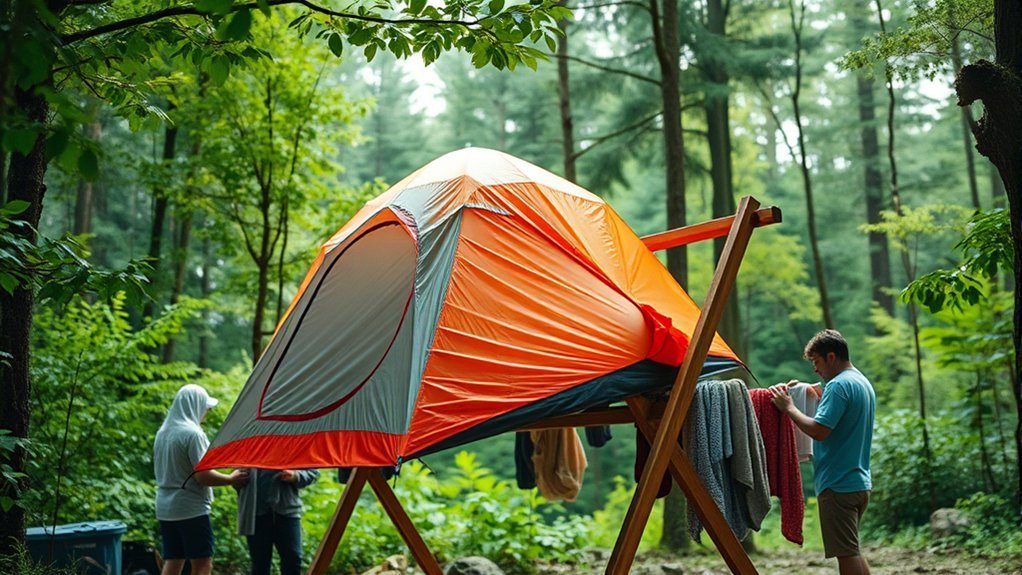
A wet tent is not ruined, but it should not stay packed. The safest approach is to remove surface water, separate the wet layers, and air-dry every panel, seam, and corner with plenty of ventilation. Brief sunlight can help in the field, but prolonged UV exposure and direct heat can damage tent fabric and waterproof coatings.
Quick Answer
Shake or towel off as much water as possible, separate the rainfly, tent body, and footprint, then pitch or drape them in a breezy, shaded place. Open every door and vent. Use a fan indoors if needed, avoid dryers and heaters, and store the tent only after all seams and coated surfaces feel completely dry.
Key Takeaways
- Remove surface water first so air drying takes less time.
- Dry the rainfly, inner tent, footprint, seams, corners, and underside separately when possible.
- Choose airflow and shade for extended drying; use direct sun only briefly and watch the fabric.
- Never use a tumble dryer, hair dryer, space heater, or other concentrated heat source.
- Store the tent loosely in a cool, dry, dark place only after it is fully dry.
At a Glance
| Time Required | A few minutes to remove surface water; several hours or longer for complete drying, depending on airflow, humidity, temperature, and tent size |
| Difficulty | Easy |
| Tools Needed | Absorbent towel or microfiber cloth, sturdy drying line or rack, and an optional fan or dehumidifier |
| Cost | $0 with supplies you already own; only a small electricity cost if you use a fan or dehumidifier |
Disclosure: As an Amazon Associate I earn from qualifying purchases. Some links on this page are affiliate links, at no extra cost to you.
Shake or Wipe Off Excess Moisture
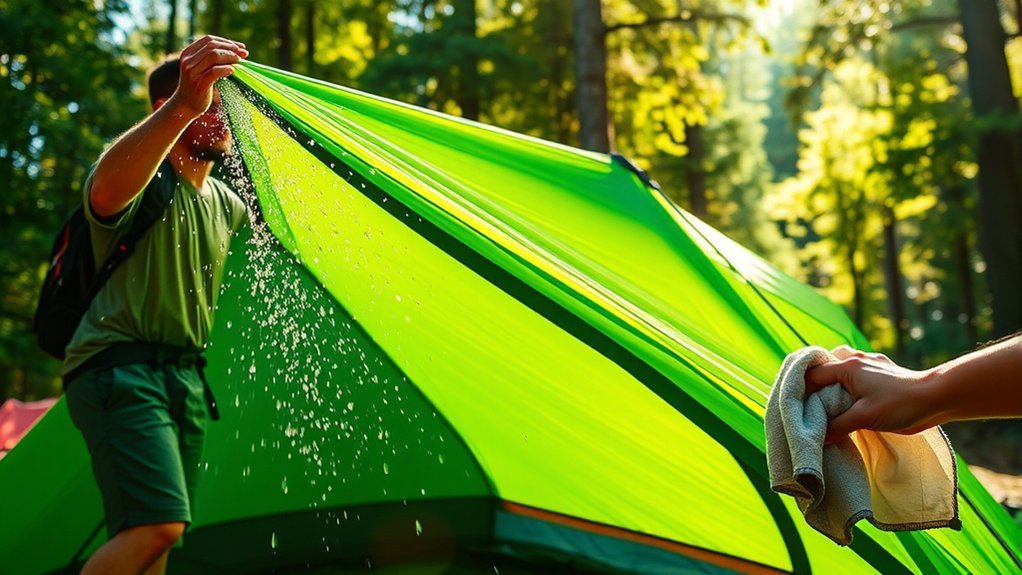
Start by removing as much loose water as you can. If the tent is freestanding and the weather is calm, lift it with a partner and gently tip or shake out pooled water. Remove the rainfly and footprint first when possible, then shake each piece separately. Avoid snapping or whipping wet fabric because soaked material is heavier and easier to strain.
Use an absorbent towel or microfiber cloth to blot the rainfly, tent floor, vestibules, and inner walls. Wipe the underside of the floor and the top of the footprint, where water often stays hidden. Pay extra attention to:
- Seams and seam tape
- Webbing, guyout points, and pole sleeves
- Door hems, zipper flaps, and vestibule corners
- Floor corners and areas beneath sleeping pads
Blot rather than scrub. Hard rubbing can grind dirt into the fabric or stress a coated surface.
Pro Tip: Carry a small quick-dry towel in an outside pocket. Removing surface water before packing can keep the inner tent, sleeping gear, and the rest of your backpack from becoming wetter.
Use Sunlight Briefly and Carefully
Sunlight can speed evaporation when you are breaking camp, but it should not be the main method for long, unattended drying. Airflow and low humidity matter more, and a shaded outdoor spot is safer for extended drying. REI’s tent-care guidance recommends limiting direct UV exposure because it gradually degrades canopy and rainfly fabrics.
When Sunlight Helps
A short period of sun can warm wet fabric and help remove surface moisture after a storm. Spread the tent components so both sides receive air, and rotate them as damp areas become visible. Do not rely on sunlight to disinfect the tent or remove established mold. A dirty or mildewed tent needs cleaning that follows the manufacturer’s care instructions.
Choose Dry, Breezy Conditions
There is no universal clock window that is best for every tent. Choose the driest, breeziest part of the day and monitor the fabric. Once visible water has evaporated, move the tent to shade or finish drying it indoors. Do not place reflective sheets beneath or around the tent to intensify sunlight; extra reflected UV and heat provide little practical benefit and can increase material stress.
Protect Tent Fabric From UV
Keep the tent supervised and avoid leaving it in direct sun for hours. Nylon fabrics are generally more vulnerable to UV degradation than polyester, but every tent should be treated according to its own care label. Big Agnes care instructions also warn against prolonged direct sunlight because UV exposure can compromise waterproofing.
Use Wind or Moving Air
Air movement is the safest way to speed drying without adding damaging heat. Pitch the tent where clean air can move around it, or drape the separate components over a sturdy rack or line. Keep fabric off wet grass, muddy ground, and abrasive surfaces.
Open Doors, Windows, and Vents
Unzip doors, roll back vestibules, and open every roof or side vent. On a double-wall tent, create space between the inner body and rainfly so wet surfaces do not touch. If the wind is light, point a large door toward the breeze and leave another opening on the opposite side to create cross-ventilation.
Leave the Tent Pitched Safely
A fully pitched tent exposes more fabric than a folded or collapsed one. Keep it pitched only when the ground is secure and the weather is stable. Stake it properly, use guylines when needed, and do not leave it unattended in strong wind. At home, a room fan aimed across—not directly into—the tent can keep air moving through the doors and vents.
Leave Your Tent Pitched When Conditions Are Safe
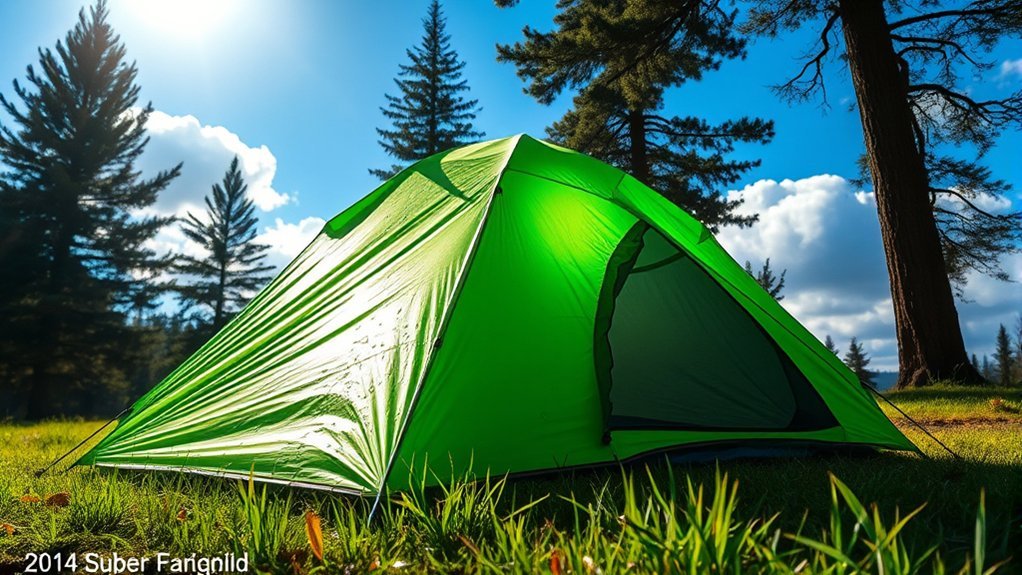
When your schedule and the weather allow, leave the tent standing until the rainfly, body, and floor are no longer wet. Remove the fly and spread it separately once the inner tent can stay protected. Turn the footprint over, lift damp corners, and rotate any fabric that is lying against another surface.
- Keep openings wide: Open doors, windows, vestibules, and vents.
- Separate layers: Prevent the rainfly, mesh, and floor from touching while they dry.
- Check hidden areas: Feel beneath pole sleeves, seam folds, and floor corners.
- Use favorable weather: Take advantage of a dry breeze, but move the tent if rain, strong wind, or prolonged sun becomes a concern.
- Pack at the last practical moment: Give the tent as much safe drying time as your departure allows.
What to Do If You Must Pack a Wet Tent
Sometimes you have to leave while the tent is still damp. Shake and towel it first, then separate the wet rainfly from the drier inner tent if your packing system allows. Sea to Summit recommends separating the rainfly and inner tent so the wetter fly does not soak the rest of the shelter.
- Pack the rainfly, tent body, and footprint separately when practical.
- Keep wet tent fabric away from sleeping bags, insulated clothing, and electronics.
- At the next dry stop, unpack and drape the components during a break.
- As soon as you reach home or a sheltered location, pitch or hang everything until fully dry.
Note: Temporary wet packing may be unavoidable during travel. It becomes damaging when the tent stays compressed and damp. Unpack it at the first safe opportunity instead of waiting until the next trip.
MSR warns that a wet tent stored for as little as 24 hours in warm weather may begin developing mildew.
Drying a Tent at Home
If the campsite is wet or you had to pack in a hurry, finish the job at home. Choose a covered, well-ventilated place where the tent will not sit on carpet or finished wood. Pitch it if you have room, or drape the components loosely over a sturdy drying rack, chairs, or a line with broad support.
| Method | How to Use It Safely |
|---|---|
| Pitching Indoors | Set up the tent in a non-carpeted room with doors and vents open. |
| Hanging or Draping | Support the fabric across several wide points so wet material is not pulling from one clip or corner. |
| Fan or Dehumidifier | Use room-temperature airflow and lower the room humidity. Keep electrical equipment away from dripping water. |
| Cleaning First | If mud or grime is present, spot-clean according to the tent maker’s directions, rinse the area well, and restart the drying process. |
| Final Storage Check | Turn each piece over and inspect seams, corners, coated surfaces, and the underside before storing. |
How to Tell When a Tent Is Fully Dry
Do not judge by the exposed roof panel alone. A tent is ready for storage only when every component feels dry and no cool, clammy patches remain. Check the following areas by hand:
- The underside of the rainfly and tent floor
- Folded seams, seam tape, and zipper flaps
- Webbing loops, guyout points, and pole sleeves
- The footprint, pole bag, stake bag, and repair sleeve
Turn the fabric inside out or reverse its position and give hidden surfaces more time. Dry poles and stakes before placing them beside the tent fabric.
Drying in a Garage or Shed
A garage or shed can work for short-term drying only if it is clean, dry, well ventilated, and free from vehicle exhaust, fuel fumes, sharp tools, and high heat. A fan or dehumidifier can help when humidity is high. For long-term storage, follow your tent manufacturer’s guidance; some brands discourage garages and attics because temperature and humidity swings can damage coatings.
What Not to Do When Drying a Tent
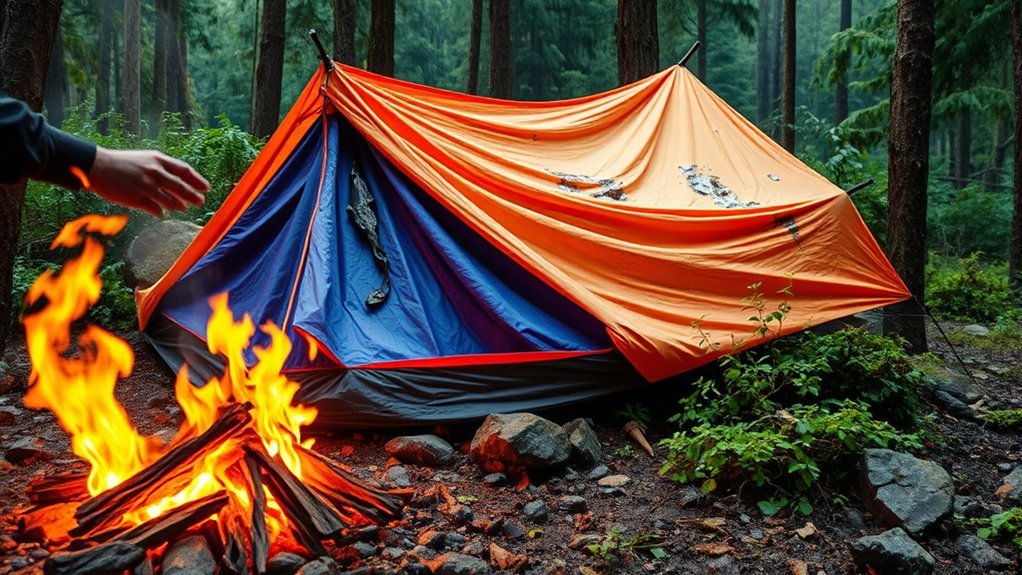
Avoid shortcuts that add concentrated heat, trap moisture, or stress coated fabric:
- Do not machine-dry the tent. Dryer heat and tumbling can damage fabric, mesh, seam tape, and waterproof coatings.
- Do not use a hair dryer, heat gun, space heater, radiator, or open flame. These create hot spots and may melt or deform synthetic material.
- Do not leave the tent packed wet. Compression traps moisture against coatings and seams.
- Do not leave it in direct sun for a long period. UV exposure gradually weakens fabrics and can compromise waterproofing.
- Do not wring or aggressively scrub wet fabric. Blot water and handle coated areas gently.
- Do not use laundry detergent, bleach, harsh dish soap, or household stain removers unless the manufacturer specifically allows them. Use a mild non-detergent soap or tent-specific cleaner when cleaning is necessary.
Warning: Never place a wet tent in a tumble dryer or aim concentrated hot air at it. REI and MSR both advise air drying because heat and mechanical action can damage tent materials.
How to Store Your Tent After Drying
Once every component is fully dry, remove dirt and make sure the zippers move freely. For long-term storage, place the tent loosely in a breathable sack, mesh bag, or clean pillowcase rather than compressing it tightly in its trail stuff sack. NEMO recommends loose storage in a breathable sack to protect tent materials and seam tape.
- Choose a cool, dry, dark location: A climate-controlled closet is usually better than a hot attic, damp basement, or car trunk.
- Keep the fabric relaxed: Avoid long-term compression and sharp repeated folds.
- Store clean poles and stakes carefully: Make sure they are dry and cannot rub against or puncture the tent fabric.
- Inspect before the next trip: Look for odor, mildew spots, peeling seam tape, sticky coatings, damaged mesh, and stiff zippers.
REI’s storage guide notes that damp storage can encourage mildew and damage polyurethane waterproof coatings, while loose storage gives the fabric room to breathe.
Tent Drying Troubleshooting
The Tent Still Feels Damp After Several Hours
Separate every layer, turn the floor and rainfly over, and increase room-temperature airflow. In humid weather, a dehumidifier may help more than a stronger fan. Check whether wet webbing, seams, or a damp footprint is transferring moisture back to the fabric.
Rain Starts Again Before the Tent Is Dry
Move the tent under a covered porch, open shelter, garage, or indoor drying area. Keep the components spread out and ventilated. Do not seal them in a waterproof container while waiting for better weather.
The Tent Smells Musty or Shows Mildew
Do not store it. Review the manufacturer’s cleaning directions before applying any product because tent coatings and fabrics vary. Gentle cleaning may reduce odor and surface contamination, but mildew staining or coating damage may be permanent. Contact the manufacturer if seam tape is peeling or a waterproof coating feels sticky, flaky, or unusually soft.
Frequently Asked Questions
Can I dry my tent indoors without causing damage?
Yes. Pitch it or drape the separate components in a well-ventilated, non-carpeted area. Open all doors and vents, use a room fan or dehumidifier if needed, and keep the tent away from heaters, radiators, and concentrated hot air.
How long does it take to dry a tent completely?
Drying may take several hours or longer. Tent size, fabric thickness, humidity, temperature, and airflow all affect the time. Check the underside, corners, webbing, seams, and rainfly by touch instead of relying on a fixed number of hours.
Should I use detergent when washing my tent?
Do not use ordinary laundry detergent unless the tent maker specifically permits it. Most manufacturers recommend cold or lukewarm water with a mild non-detergent soap or a cleaner made for waterproof outdoor fabric. Always follow the care label and rinse thoroughly.
Is it safe to use a hair dryer on my tent?
No. A hair dryer can create concentrated hot spots that may damage synthetic fabric, seam tape, or waterproof coatings. Use room-temperature moving air from a fan instead.
Can I dry a tent in a garage or shed?
Yes, for short-term drying, provided the space is clean, dry, ventilated, and temperature stable. Keep the tent away from exhaust, fuel, chemicals, sharp tools, and heaters. A garage or shed that stays damp or very hot is not suitable.
What should I do if I have to pack the tent wet?
Shake and towel off as much water as possible, separate the wet rainfly from the inner tent, and keep both away from insulated gear. Unpack and spread the components during the next dry break, then complete the drying process as soon as you reach shelter or home.
Can I store my tent in its stuff sack?
The compact stuff sack is fine for travel, but loose, breathable storage is better between trips. Use a mesh sack or clean pillowcase and keep the tent in a cool, dry, dark place.
Conclusion
Drying a tent after rain is mainly a matter of removing surface water, separating wet layers, and keeping air moving until every hidden area is dry. Use brief sun only when it helps, avoid concentrated heat, and never leave damp fabric compressed. A final seam-and-corner check before loose storage protects the tent’s coatings and keeps it ready for the next trip.
Sources
- REI Co-op: Tent Care Basics — drying, UV exposure, cleaning, heat avoidance, and storage guidance
- REI Co-op: How to Store a Tent — complete drying and loose, cool, dry storage
- MSR: Remote 2 Tent Care FAQ — mildew risk, air drying, and machine-drying warnings
- NEMO Equipment: Cleaning, Repairing, and Storing Your Tent — breathable storage and protection of waterproof finishes
- Big Agnes: Big House Tent Care Instructions — cleaning products, complete air drying, and UV precautions
- Sea to Summit: Managing Tent Condensation — wiping wet fabric and separating the rainfly from the inner tent
