Last Updated on October 27, 2026 by Mason Reed
Choosing the best camping shovel for backpacking starts with knowing what you actually need to dig. If you want a lightweight tool for catholes, small campsite tasks, or occasional tent anchoring, a compact camping trowel can save valuable pack weight without taking up much space.
This 2026 guide compares three practical camping trowels made from aluminum, titanium, and recycled polycarbonate. You’ll discover which option fits ultralight hiking, tougher ground, or budget-friendly camping. You’ll also learn what to check before buying so you can choose a dependable tool without carrying unnecessary weight.
Affiliate Disclosure: This article contains Amazon affiliate links. We may earn a commission from qualifying purchases at no additional cost to you.
Quick Answer: Which Camping Trowel Is Best?
TheTentLab Deuce of Spades is our best overall choice for ultralight backpacking because it combines low weight, a compact design, and durable aluminum construction.
Choose the Vargo Titanium Dig Dig Tool if you prefer a titanium trowel that also functions as a tent stake. For occasional camping trips and soft-to-moderate soil, the GSI Outdoors Cathole Trowel provides a practical, budget-friendly alternative.
Important: These are lightweight camping trowels, not full-size excavation or avalanche rescue shovels.
Key Takeaways
- Best overall for backpacking: TheTentLab Deuce of Spades offers an excellent balance of low weight and digging ability.
- Best titanium option: Vargo Dig Dig Tool combines a camping trowel and tent stake in one tool.
- Best budget choice: GSI Outdoors Cathole Trowel uses recycled polycarbonate and provides a comfortable handle.
- Best for frequent use: A metal trowel may be preferable when you regularly encounter compacted soil or small roots.
- Before buying: Check the selected size, blade design, weight, intended use, and current product details.
Top Picks
| Category | Product | Best For |
|---|---|---|
| 🏆 Best Overall | Deuce of Spades Trowel | Ultralight backpacking and thru-hiking |
| ⭐ Best Titanium | Vargo Titanium Dig Dig Tool | Durability and dual-purpose shelter anchoring |
| 💰 Best Budget | GSI Outdoors Cathole Trowel | Occasional camping and backcountry sanitation |
Selection Criteria
The most useful camping trowel is one that matches your typical terrain, carrying preferences, and digging needs. We focused on practical features rather than relying on unverified product scores or promotional claims.
Our comparison considers weight-to-strength ratio, material, blade shape, handle comfort, packability, versatility, and value. We also considered the limitations of different materials when used on rocky or compacted ground.
For accurate comparisons, we used available manufacturer specifications and published product information. This is a specification-based buying guide, not a claim of independent laboratory testing or personal hands-on evaluation. Product sizes, versions, and specifications may differ between listings.
What Matters Most?
- Weight: Lighter trowels are easier to justify carrying on long backpacking trips.
- Material: Titanium and aluminum offer metal construction, while polycarbonate can reduce cost and provide adequate strength for lighter tasks.
- Digging performance: Blade shape, edge design, and handle ergonomics influence how easily you can work through soil.
- Packability: A flat, lightweight tool is easier to place in a backpack or sanitation kit.
- Durability: Thin trowels should not be used as heavy pry bars, regardless of their material.
- Value: Choose the features you’ll actually use rather than paying extra for unnecessary versatility.
TheTentLab Deuce of Spades Trowel
Best For: Ultralight backpacking, thru-hiking, and weight-conscious campers.

If you’re trying to reduce backpack weight, the TheTentLab Deuce of Spades deserves a close look. Its simple aluminum design avoids bulky handles and folding mechanisms while providing a useful digging edge for backcountry sanitation.
The manufacturer offers three sizes, allowing you to balance weight against digging comfort. The smallest version favors hikers who count every gram. The middle size offers a practical compromise, while the larger version provides more material and a broader working surface for difficult soil.
Made from 7075-T6 aluminum, the Deuce has a strong construction relative to its low weight. However, its thin profile still requires sensible digging technique, especially around embedded rocks.
Why You’ll Like It
The biggest advantage is how little weight the Deuce adds to your gear. Even its largest version weighs less than one ounce, according to the manufacturer’s specifications.
Its minimalist design also makes packing straightforward. You can slip it into a dedicated sanitation pouch or backpack pocket without dealing with a bulky shaft or handle.
For hikers who need a trowel regularly but want to minimize unnecessary gear, this is a compelling combination.
What People Say
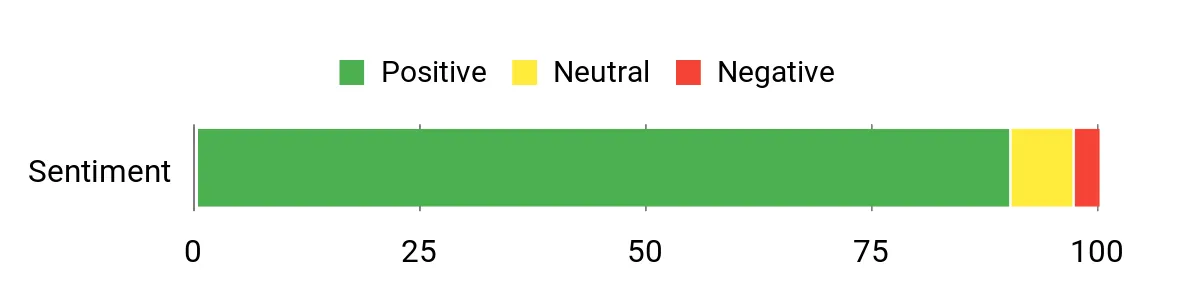
When evaluating buyer feedback, pay attention to comments about digging technique, hand comfort, and performance in compacted soil. Very thin trowels can require more patience than larger digging tools, especially when the ground contains roots or stones.
The original article included the following sentiment graphic. Its methodology and underlying review sample were not supplied, so it should not be interpreted as verified current Amazon review data.
Durability
7075-T6 aluminum offers a useful combination of low weight and strength. The Deuce is intended for digging small holes in backcountry soil, rather than moving large volumes of earth.
The manufacturer provides a lifetime warranty against breakage during intended cathole digging. Replacement conditions apply, including postage costs.
For longer service life, avoid applying excessive leverage against large rocks. A larger version may be more comfortable when difficult ground is common.
Use Cases
The Deuce is particularly suitable for:
- Digging catholes during backpacking trips
- Multi-day hikes where pack weight matters
- Thru-hiking and minimalist camping
- Small, permitted digging tasks around a campsite
- Light-duty gardening and container planting
Key Benefits
- Three size options for different weight and digging preferences
- 7075-T6 aluminum construction
- Extremely lightweight and easy to pack
- Simple design without moving parts
- Manufacturer warranty against breakage during intended use
Who Should Buy This?
Choose the Deuce if you backpack regularly, want a very lightweight sanitation tool, and are comfortable using a compact metal trowel.
Who Should Avoid This?
Consider another tool if you need a large, padded handle, regularly excavate heavy soil, or want a shovel for moving substantial amounts of dirt.
Before You Buy: Check which Deuce size and version the Amazon listing offers. The manufacturer’s product line includes updated designs, and specifications can vary by model.
Vargo Titanium Dig Dig Tool
Best For: Campers who want a durable titanium digging tool that can also help secure a shelter.

The Vargo Titanium Dig Dig Tool is a practical choice if you appreciate gear that serves more than one purpose. This compact tool combines a backcountry digging trowel with a tent-stake design.
Its titanium construction provides excellent corrosion resistance without adding much pack weight. The wide U-shaped profile also gives it a different feel from flat aluminum trowels.
According to Vargo, the rolled handle is designed to improve comfort when applying downward pressure. Serrated edges help work through small roots and resistant soil.
The manufacturer also designed the tool for use as a shelter anchor, including appropriate applications in sand and snow. Actual holding strength depends on the ground, installation, and conditions.
Why You’ll Like It
The main advantage is dual-purpose functionality. Instead of carrying a separate trowel and an additional shelter stake for some situations, you can use one tool for both purposes.
The rounded handle is another useful feature, particularly if you find thin metal trowel edges uncomfortable when applying pressure.
At approximately 1.25 ounces, the Dig Dig Tool remains a realistic option for backpackers who want lightweight metal construction without choosing the absolute lightest available design.
What People Say
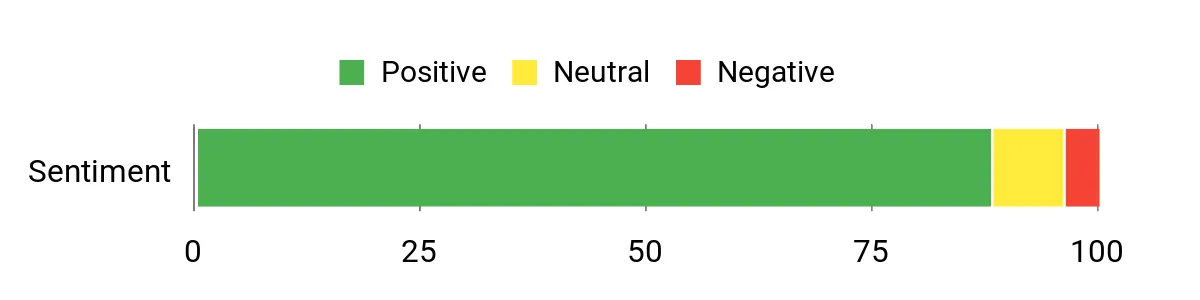
Important factors to look for in owner feedback include digging comfort, edge performance, and how well the tool works as a shelter stake in different ground conditions.
The original article’s sentiment graphic is retained below, but its underlying methodology and sample were not independently verified. It is not a live measure of customer satisfaction.
Durability
Titanium offers strong corrosion resistance and a useful strength-to-weight ratio. This makes the tool suitable for wet backpacking environments when it receives normal cleaning and care.
The blade is still compact and relatively thin. Avoid using it as a heavy lever to dislodge large rocks or perform excavation beyond its intended purpose.
Use Cases
The Vargo Dig Dig Tool works well for:
- Backcountry cathole digging
- Lightweight camping and backpacking
- Securing suitable tent guylines or shelter anchors
- Small campsite digging tasks where permitted
- Compact emergency camping kits for ordinary utility tasks
Key Benefits
- Strong, corrosion-resistant titanium construction
- Dual-use trowel and tent-stake design
- Serrated edges for working through small roots
- Rolled handle designed to improve digging comfort
- Compact dimensions for easy backpack storage
Who Should Buy This?
The Vargo is a good match if you want a metal camping trowel, value corrosion resistance, and regularly use lightweight shelters where the secondary anchoring function may be helpful.
Who Should Avoid This?
Skip it if your main goal is the lowest possible pack weight or if you only need an inexpensive trowel for occasional trips. Its extra versatility may not justify the additional expense for every camper.
Before You Buy: Confirm that the listing is for the titanium Dig Dig Tool, model T-471. It is different from Vargo’s conventional tent stakes.
GSI Outdoors Cathole Trowel
Best For: Budget-conscious campers, beginners, and occasional backpackers.

The GSI Outdoors Cathole Trowel is designed for campers who want a straightforward sanitation tool without paying extra for premium metal construction.
Made from recycled polycarbonate, it offers a lightweight alternative to traditional metal digging tools. Its molded handle provides a more familiar grip than many thin ultralight trowels.
The blade includes serrated edges and markings intended to support proper cathole digging. These details make it useful for campers who want a simple tool with a clear purpose.
Although the material is suitable for routine use, the GSI is not intended for heavy prying or demanding excavation in rocky soil.
Why You’ll Like It
The GSI’s main advantage is its combination of simplicity, comfortable handling, and budget-friendly positioning.
Its recycled-material construction may also appeal to buyers who prefer products made with repurposed materials. However, the material alone does not determine the overall environmental impact of a product.
The molded grip and relatively broad blade can be appealing to beginners who prefer a conventional trowel shape.
What People Say
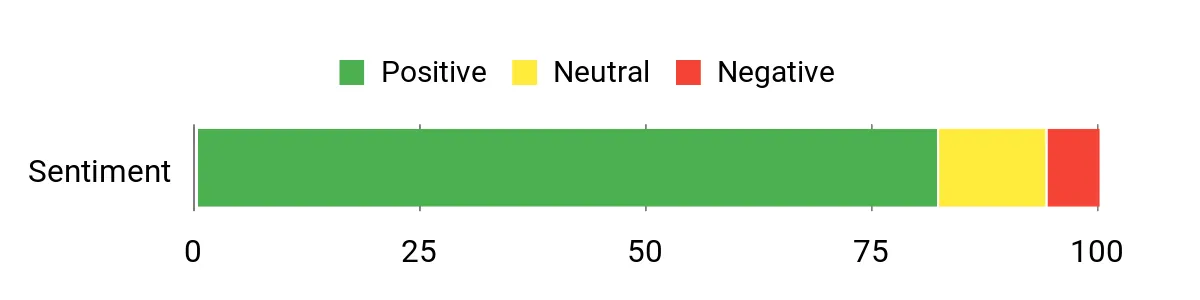
When reviewing customer experiences, focus on how the tool performs in different soil types and whether the handle provides enough leverage for routine digging.
The original article’s sentiment graphic appears below for continuity. Its data source and review methodology were not independently verified, so it should not be considered a current customer rating.
Durability
Recycled polycarbonate can provide adequate toughness for ordinary cathole digging in suitable soil. The GSI also avoids moving parts that could become clogged with dirt.
However, plastic-based materials can be less suitable than metal when repeated bending, abrasion, or high leverage is involved.
For longer service life, avoid twisting the blade against embedded rocks or forcing it through heavily compacted ground.
Use Cases
The GSI Cathole Trowel is particularly useful for:
- Weekend camping trips
- Backcountry sanitation and cathole digging
- Beginner backpacking kits
- Soft or moderately firm soil
- Small household planting tasks
Key Benefits
- Made from recycled polycarbonate
- Comfortable molded handle
- Serrated blade and root-cutting features
- Depth markings to help guide cathole digging
- Simple, lightweight construction
- Budget-friendly alternative to titanium and premium aluminum tools
Who Should Buy This?
Choose the GSI if you camp occasionally, want a comfortable and straightforward sanitation trowel, and usually encounter soil that does not require extensive digging force.
Who Should Avoid This?
Avoid this model if you frequently hike in rocky terrain, need the lowest possible pack weight, or regularly require substantial leverage when digging.
Before You Buy: Confirm that the product listing identifies the GSI Outdoors Cathole Trowel, model 2010, and check the selected color and current product details.
How to Choose the Right Camping Trowel
Before buying a camping shovel, consider how often you will use it and the type of ground you usually encounter. A tool that works well for soft forest soil may struggle in rocky or compacted terrain.
1. Choose the Right Material
Titanium: Offers excellent corrosion resistance and low weight. It is a strong choice for frequent backpacking when you value durable metal construction.
Aluminum: Provides an appealing balance of strength and weight. High-strength alloys can make it possible to create extremely light backpacking trowels.
Polycarbonate: Works well for lightweight, budget-oriented designs intended for ordinary digging. It is less suitable for heavy prying and demanding rocky ground.
2. Compare Weight and Pack Size
Every ounce matters on long hikes, but the lightest tool is not automatically the most comfortable.
The Deuce line offers extremely low carrying weight, while the Vargo adds a rounded handle and secondary shelter-stake function. The GSI is heavier than some metal ultralight options but provides a more conventional grip.
Think about whether you prefer minimum weight, easy handling, or additional versatility.
3. Consider the Soil You’ll Encounter
Soft soil is generally easier to work with than dense clay or ground filled with roots and stones.
If you regularly camp in more demanding terrain, consider a metal trowel with a useful edge profile and sufficient size for your hands.
Even a strong metal trowel can bend or become damaged when used as a heavy pry bar. For extensive excavation, a larger tool is more appropriate.
4. Check Handle Comfort
Handle design can make a noticeable difference when digging repeatedly.
A thin aluminum trowel saves weight but may concentrate pressure against your palm. A rolled or molded handle can improve comfort, although it may add weight or bulk.
If possible, review product dimensions and handle photos before choosing.
5. Think About Long-Term Value
The cheapest camping trowel is not necessarily the best value if it does not suit your terrain.
Frequent backpackers may appreciate lightweight metal construction and a manufacturer’s warranty. Occasional campers may prefer an economical option that performs ordinary sanitation tasks.
Choose the tool based on expected use rather than promotional rankings alone.
Pro Tip: Practice Before Your Trip
Try using your camping trowel in suitable soil before a longer backpacking trip. Familiarity with the grip and digging technique can make it easier to use when you’re tired or working in difficult conditions.
Camping Trowel Safety and Leave No Trace Practices
A good camping trowel helps you prepare for backcountry sanitation, but the tool itself does not guarantee responsible waste disposal.
Always follow local regulations and land-management instructions. Some parks and wilderness areas require visitors to pack out human waste instead of burying it.
Important Safety and Environmental Guidelines
- Use established toilet facilities whenever they are available and appropriate.
- Where catholes are permitted, the commonly recommended depth is 6 to 8 inches.
- Choose a location at least 200 feet from water sources, campsites, and trails.
- Cover the cathole completely and disguise the disturbed surface after use.
- Pack out toilet paper, wipes, and hygiene products according to local guidance.
- Use an approved waste-carrying system where human waste burial is prohibited.
- Avoid digging unnecessary trenches, disturbing vegetation, or altering established campsites.
- Never use a small camping trowel as a substitute for proper avalanche rescue equipment.
For further guidance, consult the Leave No Trace waste disposal guidelines and the National Park Service’s cathole guidance.
Before You Buy: Camping Trowel Checklist
Use this quick checklist before choosing a product:
- Does the trowel match your typical soil conditions?
- Is the weight suitable for your backpacking style?
- Will the handle be comfortable for your hands?
- Is the blade large enough for the digging tasks you expect?
- Do you need an additional feature, such as tent-stake functionality?
- Have you confirmed the selected product size and version?
- Does the manufacturer’s warranty cover your intended use?
- Have you checked the current Amazon listing for product details and seller information?
FAQ
How Do I Choose the Right Camping Shovel?
Start by identifying your primary use. If you need a small tool for backpacking sanitation, choose a lightweight camping trowel. If you need to move larger amounts of soil, a full-size folding shovel may be more appropriate.
For backpacking, focus on weight, material, blade shape, and handle comfort. Aluminum and titanium are strong options when low weight matters. Polycarbonate can work well for occasional use in suitable ground.
Are Ultralight Trowels Durable Enough?
Many ultralight trowels are durable enough for their intended tasks, especially when used with appropriate digging techniques.
However, durability depends on material, blade thickness, soil conditions, and the amount of force applied.
A lightweight aluminum or titanium trowel may be suitable for routine catholes but should not be treated like a heavy excavation tool.
Is Titanium Better Than Aluminum for Camping Trowels?
Neither material is automatically better for every camper.
Titanium offers excellent corrosion resistance and can support durable lightweight designs.
Aluminum can provide very low weight and useful strength, particularly with high-strength alloys such as 7075-T6.
Compare the actual product design and intended use instead of choosing by material alone.
How Deep Should I Dig a Cathole When Camping?
Where cathole burial is permitted, commonly recommended guidance is to dig approximately 6 to 8 inches deep and 4 to 6 inches in diameter, at least 200 feet away from water, campsites, and trails.
Check local rules first because some sensitive environments require all human waste to be packed out.
Can I Use a Camping Trowel for Tent Anchoring?
Some camping trowels are designed for secondary shelter-anchoring functions. The Vargo Titanium Dig Dig Tool is one example.
However, ordinary camping trowels are not necessarily suitable substitutes for tent stakes. Always consider the manufacturer’s intended use and the expected ground and weather conditions.
Can a Small Camping Trowel Replace a Full-Size Shovel?
Not for every task. Compact backpacking trowels are designed primarily for small holes and lightweight utility work.
They are not suitable replacements for tools used in major excavation, large-scale snow removal, or avalanche rescue.
How Should I Clean and Store My Camping Trowel?
Remove soil and grit after use, wash the tool according to the manufacturer’s recommendations, and dry it before long-term storage.
Check metal tools for damage or bent edges. Inspect polymer trowels for cracks or excessive wear.
Keep your sanitation trowel in a dedicated pouch or accessible section of your backpack, separate from food preparation equipment.
Which Camping Trowel Is Best for Beginners?
The GSI Outdoors Cathole Trowel is a practical starting point for beginners who want a simple handle and a budget-friendly option.
If you expect to backpack regularly and want to reduce weight, the Deuce of Spades may be a better long-term choice.
Customer Preferences: Which Trowel Fits Your Needs?
Your ideal camping trowel depends on how often you camp, your typical terrain, and how much weight you want to carry.
Choose the Deuce of Spades if your priority is minimizing backpack weight without giving up a metal digging tool.
Choose the Vargo Titanium Dig Dig Tool if you value corrosion resistance, a more rounded handle, and the additional tent-stake function.
Choose the GSI Outdoors Cathole Trowel if you want an economical, straightforward option for occasional camping and routine sanitation needs.
There is no single best choice for every environment. Matching the material and design to your intended use is more important than choosing the most expensive tool.
Detailed Camping Trowel Comparison
The table below summarizes manufacturer specifications for the three retained products. Measurements and available versions may vary, so confirm the selected configuration before ordering.
| Product Name | Image | Best For | Material | Weight | Dimensions |
|---|---|---|---|---|---|
| TheTentLab Deuce of Spades Ultralight Backpacking Camp Trowel |
|
Ultralight backpacking | 7075-T6 Aluminum | 0.45–0.97 oz (approximately 13–27.5 g), depending on size |
#1: 6.5 × 2.4 inches #2: 6.8 × 2.5 inches #3: approximately 7.7 × 2.7 inches |
| Vargo Titanium Dig Dig Tool |
|
Titanium durability and dual-purpose use | Titanium | 1.25 oz (36 g) | 8.1 × 1.7 inches (length × width) |
| GSI Outdoors Cathole Trowel |
|
Budget-friendly camping and sanitation | Recycled Polycarbonate | Approximately 3.2 oz (91 g) | 10.3 × 2.6 × 1 inches |
Note: Deuce dimensions and weights refer to the manufacturer’s size range. Exact specifications depend on the selected model or version. Other product specifications are based on available manufacturer and retailer information.
Wrapping Up
The best camping shovel for your trip is the one that handles your expected digging tasks without adding unnecessary weight or complexity.
For most weight-conscious backpackers, the TheTentLab Deuce of Spades is our top recommendation. It offers a remarkably lightweight design with durable aluminum construction and multiple size options.
If you want a titanium tool with a comfortable rolled handle and an additional shelter-anchoring function, the Vargo Titanium Dig Dig Tool is worth considering.
For occasional campers who prefer a simple and affordable sanitation tool, the GSI Outdoors Cathole Trowel provides a practical alternative made from recycled polycarbonate.
Whichever model you choose, remember that lightweight camping trowels have limits. Match the tool to your terrain, follow local land-management rules, and use appropriate equipment for demanding excavation or emergency conditions.
Final Recommendation
Best Overall: TheTentLab Deuce of Spades for ultralight backpackers.
Best Premium Material: Vargo Titanium Dig Dig Tool for titanium construction and dual-purpose functionality.
Best Budget Option: GSI Outdoors Cathole Trowel for simple, occasional camping use.
This roundup is reader-supported. When you click through qualifying affiliate links and make a purchase, we may earn a referral commission at no additional cost to you. Product specifications and available versions can change, so always review the current listing before buying.