
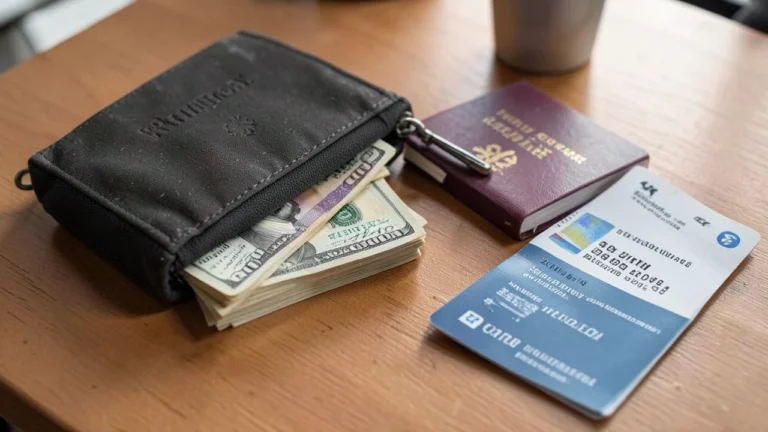
People carry cash for tours, tips, family gifts and places where cards are not accepted. If you are asking how much cash can you bring on a plane, the short answer is that there is no federal limit on how much money you can carry on a domestic flight. The rules that matter are the reporting requirements when you cross a border with $10,000 or more.
This guide explains what TSA does and does not care about, how customs declarations work and how to carry cash without trouble.
Quick Answer
There is no TSA limit on carrying cash on a domestic flight. When you enter or leave the United States with $10,000 or more in currency or monetary instruments, you must file a report with U.S. Customs and Border Protection. Carrying the money is legal if you declare it, and failing to declare it can lead to seizure.
Key Takeaways
- TSA does not limit how much cash you carry domestically, but officers may ask questions if they find a large amount.
- The $10,000 threshold applies to total currency and monetary instruments entering or leaving the United States.
- You must file a report with CBP before or at the border if you cross with $10,000 or more.
- Other countries have their own limits, often around 10,000 euros or similar.
- Carry documents that show the source and purpose of large sums.
What TSA Says About Cash
TSA’s job is to find threats to transportation, not to enforce currency rules. Officers do not count cash, but if they find large amounts during screening, they may notify law enforcement, and you may be asked about the source and purpose. Having the money is not illegal, but you should be ready to answer questions politely and consistently.
Crossing a Border With Cash
U.S. law requires anyone who transports, or causes to be transported, more than $10,000 in currency or monetary instruments into or out of the country to file a report with CBP. The amount is the total, not per person in a group, and includes checks, traveler’s checks and money orders. Declare it when you enter at customs or before you leave. The declaration is not a tax and does not mean you will lose the money. Failing to declare can lead to seizure and penalties.
| Situation | Rule | Action |
|---|---|---|
| Domestic flight, any amount | No federal limit | Carry safely, expect questions if large |
| Entering U.S. with $10,000 or more | Must declare | File CBP report |
| Leaving U.S. with $10,000 or more | Must declare | File CBP report before departure |
| Entering other countries | Local limits apply | Check customs site |
| Mailing cash | Also covered | Do not mail large amounts |
Check the official CBP page and the customs site for your destination, since rules and thresholds can change.
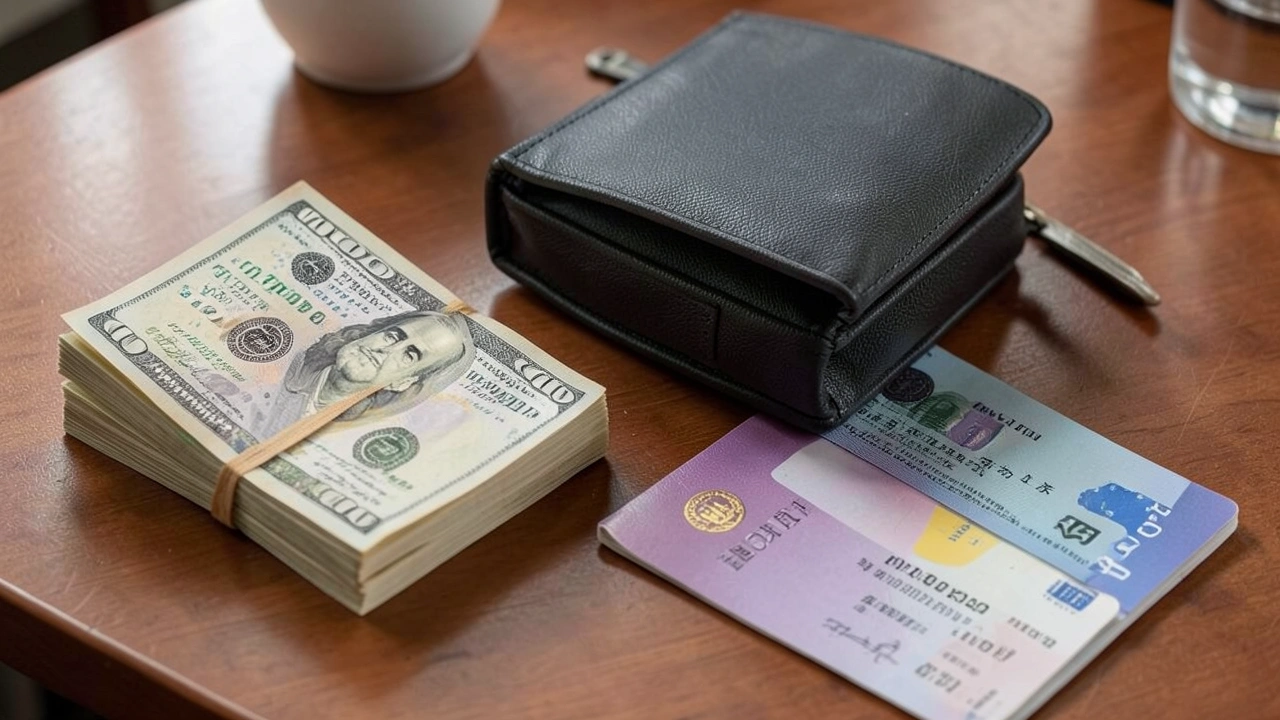
How to Carry Cash Safely
- Split cash between carry-on, personal items and a money belt, rather than in one place.
- Keep it in your carry-on, not in checked luggage, to reduce theft risk.
- Carry paperwork for large amounts, such as withdrawal slips or invoices.
- Use a bank wire or prepaid card for very large sums.
- Do not leave cash visible in the security bin.
Foreign Rules
Many countries require a declaration at a similar level to the United States, with thresholds such as 10,000 euros in the European Union. Some have lower limits, and others restrict importing or exporting local currency. Look up the customs site for your destination, and consider using cards and ATMs for part of your budget. For other airport rules, see our security tips and carry-on guide.
Frequently Asked Questions
Is there a limit to how much cash you can take on a plane?
No limit on a domestic flight. You must declare $10,000 or more when entering or leaving the United States.
Does TSA report cash?
TSA can notify law enforcement if they see a large amount, and you may be questioned, but carrying cash is not illegal.
Do you have to declare $10,000 in cash?
Yes, when crossing the border with $10,000 or more in total currency or monetary instruments.
Can you put cash in checked luggage?
It is allowed but not recommended because of theft and loss.
What happens if you do not declare cash?
It can be seized, and you may face penalties, even though the cash is legal to carry.
Conclusion
So, how much cash can you bring on a plane? As much as you like domestically, and any amount internationally as long as you declare $10,000 or more. Keep it in your carry-on and keep paperwork handy.
Keep Reading
- Speeding Through Airport Security: Tips for Faster Screening: Security tips
- TSA Rules for Backpacks: Quick Guide & Helpful Tips: Carry-on guide
- How Many Oz Can You Bring on a Plane? Liquid Limits: Liquid limits
- Can You Bring a Laptop on a Plane? Carry-On and Checked Rules: Valuables in your bag
