

Last Updated on July 28, 2026 by Daniel Globe
The journey between Canaan and Egypt covered roughly 200 to 250 miles depending on the specific starting points and trade paths used. In ancient times, this stretch of arid desert served as a crucial bridge connecting two major centers of the Near East. In the biblical narrative, it becomes the dramatic setting for patriarchs relocating during famines, the parting of the Red Sea, the giving of the Law at Mount Sinai, and a 40-year wilderness period that transformed a nomadic group into a nation.
Quick Answer
The straight-line distance from Egypt to Canaan is roughly 200–250 miles (320–400 km). Following the direct coastal trade route, ancient travelers could complete the walk in 10 to 14 days. However, the biblical Exodus account describes the Israelites taking a long, indirect wilderness route through the Sinai Peninsula, extending their journey to 40 years.
Key Takeaways
- Geographic Distance: As the crow flies, Canaan and the Egyptian delta are separated by only 200–250 miles.
- Direct Travel Time: Merchant caravans on the coastal road (Via Maris) traveled this distance in roughly 10–14 days.
- Two Directions: Genesis describes quick journeys south from Canaan to Egypt (Abraham, Joseph, Jacob), whereas Exodus describes an intentional multi-decade delay moving north.
- Route Choice: The Israelites avoided the fortified coastal highway to bypass early military conflict with Egyptian garrisons and Philistines.
- Archaeological Context: Most biblical scholars view the 40-year narrative as theological history and identity formation rather than a literal travel log.
Disclosure: As an Amazon Associate I earn from qualifying purchases. Some links on this page are affiliate links, at no extra cost to you.
Understanding the Biblical Distance From Canaan to Egypt
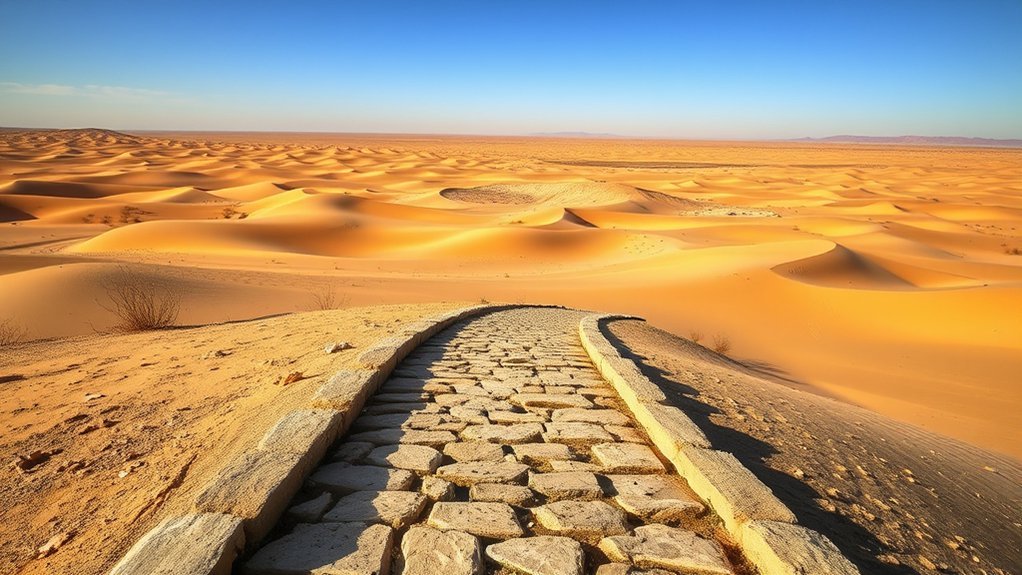
The straight-line distance between the eastern Egyptian Nile Delta (ancient Goshen or Rameses) and southern Canaan (Hebron or Beersheba) is approximately 200 to 250 miles. However, geographical distance alone does not account for the route chosen in the Exodus narrative. Rather than following the heavily traveled coastal road, the biblical text describes the Israelites heading south into the rugged Sinai Peninsula.
This detour bypassed Egyptian military outposts and border fortifications along the Mediterranean coast. As a result, what would otherwise have been a short walk of a few weeks turned into a multi-decade journey through mountain passes and arid wilderness.
Note: Geographic experts agree that any direct passage between Egypt and Canaan spanned only a few hundred miles. However, the majority of modern biblical archaeologists—including Israel Finkelstein—note that there is no independent archaeological evidence of a mass migration of hundreds of thousands of people across Sinai. Consequently, scholars treat the Exodus account as a core sacred narrative tradition rather than an empirically documented historical event.
The Three Ancient Routes Between Egypt and Canaan
Travelers moving between Egypt and the Levant in antiquity relied on three main overland paths. Each route offered distinct advantages and risks regarding water access, terrain difficulty, and security.
| Route Name | Biblical Name | Estimated Distance | Typical Travel Time |
|---|---|---|---|
| Coastal Highway (Via Maris) | “Way of the Land of the Philistines” | ~200–210 miles | 10–14 days |
| Inland Shur Highway | “Way of Shur” | ~220–240 miles | 2–3 weeks |
| Southern Wilderness Route | “Way of the Wilderness towards the Red Sea” | 350–450+ miles (loop) | 40 years (Biblical narrative) |
How Long Was the Journey From Canaan to Egypt?
The travel time between Canaan and Egypt depended heavily on whether one was traveling north or south, as well as the reason for the trip.
In the Book of Genesis, journeys from Canaan south into Egypt were straightforward and relatively quick:
- Abraham’s Journey (Genesis 12): Driven by famine, Abraham traveled south from Bethel into Egypt, a journey that likely took about two weeks.
- Jacob’s Relocation (Genesis 46): When Jacob moved his entire household, livestock, and wagons down to join Joseph in Goshen, the journey from Hebron covered roughly 200 miles and took approximately three to four weeks.
In contrast, the reverse journey in the Book of Exodus avoided the direct coastal highway—the Via Maris—for specific strategic reasons:
- Avoiding Guarded Fortresses: The coastal road was lined with Egyptian military garrisons and fortresses, making secret or unorganized passage impossible.
- Bypassing Philistine Resistance: Exodus 13:17 notes that God led the people away from the coastal path so they would not face immediate war and desire to return to Egypt.
- Challenging Terrain: Diverting into the Sinai Peninsula forced the group through dry riverbeds (wadis) and mountainous regions where water sources were rare.
- Narrative Purpose: In the biblical text, the extended 40-year duration was not caused by geographical miscalculation, but was assigned as a generational transition period following the report of the scouts at Kadesh-Barnea.
What You Need to Know About the Exodus Journey
The Exodus narrative bridges a geographical distance of a few hundred miles with a narrative span of four decades. According to the Biblical text, the journey was anchored by major spiritual and physical milestones, including the crossing of the sea, receiving the Law at Mount Sinai, and receiving daily food provisions like manna and quail.
Why the Distance Matters in Biblical Context
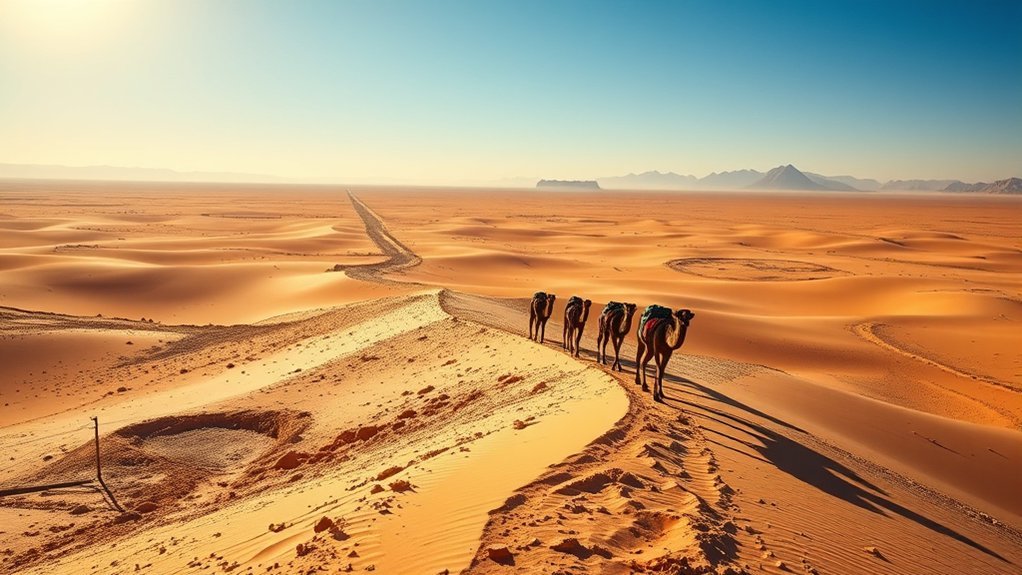
The dramatic contrast between the actual geographical distance (roughly 200 miles) and the length of the journey (40 years) serves a specific literary and spiritual function in the narrative. The physical delay highlights that the primary challenges facing the travelers were moral and organizational rather than spatial.
- Generational Change: The 40-year period allowed a new generation born in freedom to replace the generation that had grown up under Egyptian servitude.
- Identity Formation: The extended stay in the wilderness allowed laws, religious structures, and national identity to coalesce at Sinai before entering Canaan.
- Strategic Detour: Avoiding the heavily fortified northern road protected an inexperienced populace from immediate combat.
Travel Methods Used in Ancient Times
Overland travel across the Sinai land bridge required meticulous planning around water points and forage. Caravans moved at the pace of their slowest members, particularly when transporting children, elders, and livestock.
- Walking Speed: Unencumbered adult travelers could average 15 to 20 miles per day. Large family groups with herds moved much slower, covering 6 to 10 miles per day.
- Pack Animals: Donkeys and camels carried grain, tents, and household goods. Oxen were used to pull heavy supply carts when the terrain allowed.
- Water Waypoints: Routes were dictated by natural oases, such as Marah and Elim, where natural springs made group survival possible.
- Guiding Markers: The biblical narrative highlights divine direction using a pillar of cloud by day and a pillar of fire by night to mark daily travel intervals.
Challenges of Travel in the Exodus Narrative
The biblical text presents the journey as an endurance test against harsh natural elements and internal group friction. Key environmental and social difficulties included:
- Extreme desert temperatures and scarce water resources.
- The complex logistics of feeding and organizing a vast community in arid land.
- Internal dissent, fear, and desire to return to Egypt during times of crisis.
- Periodic external conflicts with local desert tribes, such as the Amalekites.
Divine Guidance and Delayed Timelines

The biblical narrative consistently attributes the indirect route to divine intervention aimed at protecting and instructing the travelers.
Pro Tip: When reading Exodus 13:17–18 in historical context, remember that “the way of the land of the Philistines” refers to the heavily fortified coastal trade road. Understanding ancient Near Eastern geopolitics makes it clear why an indirect route was chosen.
What Were the Key Events in the Exodus?
Several major milestones structure the biblical account of the journey from Egypt to Canaan.
Key Events
- The Sea Crossing: Escaping Pharaoh’s army through the parting of the waters (Exodus 14:21-22).
- Provisions in the Desert: Gathering manna and quail in the Wilderness of Sin (Exodus 16:4-15).
- Covenant at Sinai: Receiving the Ten Commandments and religious instructions (Exodus 20).
- The Report of the Scouts: The crisis at Kadesh-Barnea that led to the 40-year wandering sentence (Numbers 13–14).
Major Leadership Transitions
The leadership structure changed across the decades as the original leaders passed away prior to the entry into Canaan.
| Leadership Change | Key Location | Narrative Significance |
|---|---|---|
| Miriam’s Death | Kadesh | Signals the passing of the older generation of leaders. |
| Aaron’s Death | Mount Hor | Transfers high priestly duties to Eleazar. |
| Moses’ Death | Mount Nebo / Plains of Moab | Marks the conclusion of the Pentateuch and leadership transition to Joshua. |
| Joshua’s Commission | Banks of Jordan River | Leads the military crossing into the Promised Land. |
Significant Stops Along the Journey
Numbers 33 outlines dozens of encampments along the route. Key geographic stations include:
- Rameses / Succoth: The initial departure point in eastern Egypt.
- Marah & Elim: Early desert stops characterized by bitter water made drinkable and twelve water springs.
- Mount Sinai (Horeb): The extended encampment where the law was received and the Tabernacle was constructed.
- Kadesh-Barnea: The primary staging ground on the southern border of Canaan where the scouts were dispatched.
- Plains of Moab: The final encampment east of the Jordan River facing Jericho.
Implications of the Journey’s Duration
The underlying tension of the Exodus text relies on the vast disparity between geographical distance and chronological duration. A direct journey of 200 miles could easily be completed in under two weeks. By extending the narrative over 40 years, the text frames the wilderness experience as an educational process necessary to forge a cohesive society before entering Canaan.
Lessons From the Canaan to Egypt Journey
Examined as a narrative tradition, the story uses ancient geography to explore themes of resilience, preparation, and generational change. The physical distance between Egypt and Canaan remained fixed at roughly 200 miles, but the historical and spiritual journey transformed the identity of those who traveled it.
“A direct walk of ten days became a forty-year story of nation-building—demonstrating that in this narrative, physical distance was secondary to spiritual preparation.”
Frequently Asked Questions
How far is it from Egypt to Canaan according to the Bible?
The straight-line distance is roughly 200 to 250 miles (320 to 400 km), depending on the specific starting points in Egypt’s delta and destinations in southern Canaan. While the Bible does not state a total mileage, modern geographical mapping provides this range based on named ancient locations.
How far is it from Canaan to Egypt?
It is the exact same geographical distance in reverse—about 200 to 250 miles. In Genesis, travelers like Abraham and Jacob completed this journey south in roughly two to four weeks using standard caravan routes.
How long was the actual trip from Egypt to Canaan in the Exodus?
The biblical account states the journey took 40 years. Although a merchant on the direct coastal road could make the trip in 10 to 14 days, the Israelites took a circuitous route through the Sinai Peninsula and spent decades encamped in the wilderness.
How long did it take Jacob to travel from Canaan to Egypt?
Jacob’s relocation from Hebron to Goshen in Genesis 46 took roughly three to four weeks. Traveling with women, young children, livestock, and heavy wagons, his family moved at a typical ancient caravan pace along established trade routes.
Sources
- Bible Gateway — Exodus 13:17-18 — Biblical text explaining the strategic decision to avoid the coastal road.
- Encyclopaedia Britannica — Via Maris — Historical details on the ancient coastal highway connecting Egypt and Canaan.
- Wikipedia — The Bible Unearthed — Archaeological analysis by Israel Finkelstein regarding the historical context of the Exodus.

