
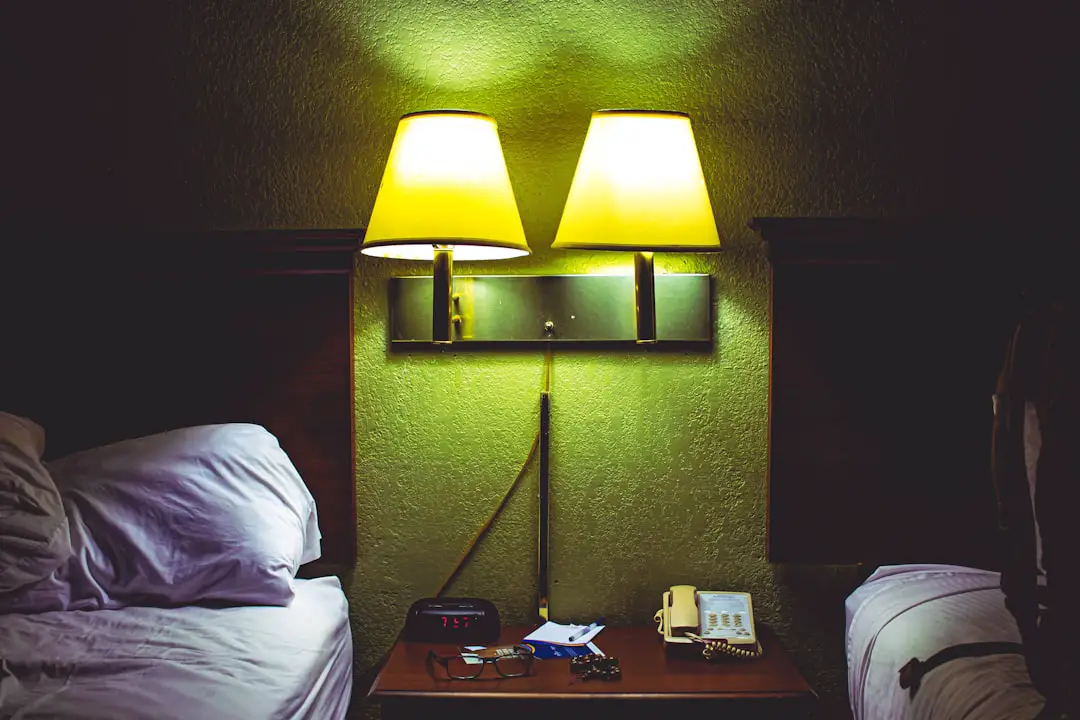
Last Updated on July 26, 2026 by Daniel Globe
There is no single amperage figure that applies to every hotel room. A guest room can contain several electrical circuits, and each circuit may serve different outlets, lights, bathroom equipment, HVAC equipment, or kitchenette appliances. For travelers, the useful question is usually how much current a particular appliance draws and whether several high-power devices may be sharing the same circuit.
Quick Answer
A hotel room does not have a universal “15-amp” or “20-amp” total. Those numbers usually describe individual branch circuits. A room may have several circuits, with HVAC or cooking equipment supplied separately. To estimate a device’s current, check its nameplate amperage or divide watts by volts for a simple resistive load.
Key Takeaways
- There is no reliable universal “average amperage” for an entire hotel room because rooms can be supplied by several electrical circuits.
- In the United States, 15-amp and 20-amp branch circuits are common electrical circuit categories, but that does not mean the whole guest room is limited to one 15- or 20-amp supply.
- High-wattage heating appliances such as hair dryers, kettles, coffee makers, and microwaves can draw much more current than televisions or phone chargers.
- A surge protector does not increase an outlet’s or circuit’s amp capacity. Avoid overloading or daisy-chaining power strips and extension cords.
- If an outlet becomes hot, smells burned, sparks, or repeatedly loses power, stop using it and notify hotel staff rather than attempting electrical repairs yourself.
Disclosure: As an Amazon Associate I earn from qualifying purchases. Some links on this page are affiliate links, at no extra cost to you.
What “hotel room amps” actually means
Electrical load can be described in several ways, and mixing the terms is one reason hotel-room amperage is often misunderstood.
- Amps (A) measure electrical current at a particular moment.
- Watts (W) measure electrical power at a particular moment.
- Kilowatt-hours (kWh) measure electricity used over time. The U.S. Energy Information Administration explains that watts measure power, while watt-hours and kilowatt-hours measure energy consumption over a period of time.
- Circuit rating tells you how much current a branch circuit and its protective equipment are designed to handle under the applicable electrical rules.
NFPA’s National Electrical Code includes requirements for multiple-outlet branch circuits, including 15-amp and 20-amp circuits, and has separate provisions for receptacles in hotel and motel guest rooms. That is an important distinction: a circuit rating is not the same thing as the average current used by the entire room. See NFPA 70, National Electrical Code for current code information.
A 15-amp or 20-amp rating usually describes one branch circuit—not the total electrical capacity or average electrical use of an entire hotel room.
A room may have one circuit supplying general receptacles, another serving bathroom equipment, and separate wiring for a packaged air-conditioning unit, heat pump, or kitchenette equipment. The actual arrangement depends on the building, its age, its equipment, and the electrical code adopted in that location.
Common electrical appliances found in hotel rooms
Hotel rooms are designed to provide a comfortable and convenient stay, so even a basic room can contain several electrical loads. Common examples include televisions, mini-fridges, coffee makers, hair dryers, lamps, USB chargers, alarm clocks, and heating or air-conditioning equipment.
Some rooms add microwaves, electric kettles, irons, heated towel racks, motorized shades, smart speakers, or kitchenette appliances. Luxury rooms and extended-stay suites can therefore have more connected equipment than a basic hotel room.
The appliances do not all have the same effect on a circuit. A phone charger or modern television usually presents a much smaller load than an appliance that deliberately creates heat. Hair dryers, kettles, coffee makers, microwaves, irons, and portable heaters can demand substantial current while operating.
Refrigerators and air-conditioning equipment are different again because they contain motors or compressors. Their current can vary while operating, and startup current may briefly be higher than normal running current. For that reason, the equipment nameplate or manufacturer specifications are more useful than guessing from a generic wattage chart.
Calculating amp usage in a hotel room
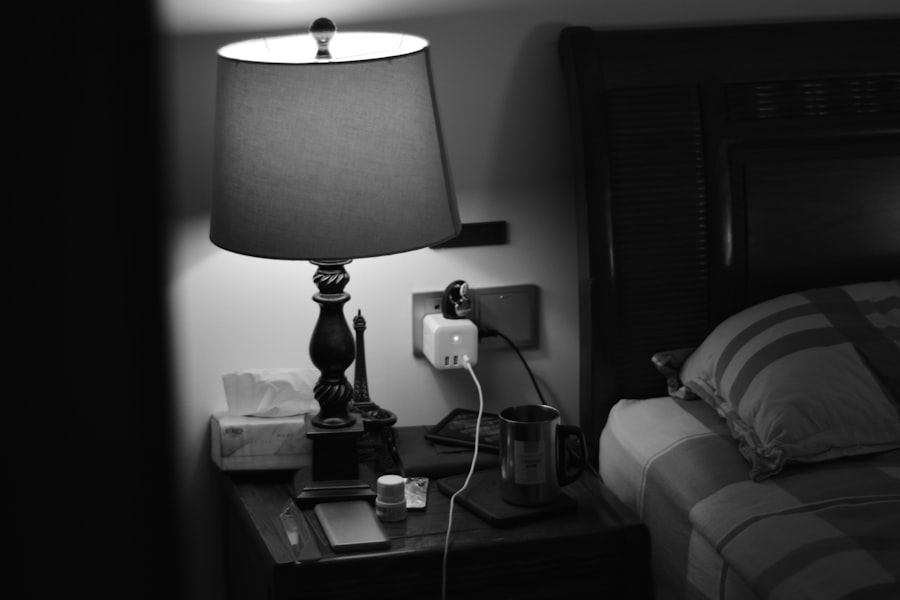
For a simple resistive electrical load, current can be estimated with this relationship:
Amps ≈ Watts ÷ Volts
This follows the basic relationship between volts, amps, and watts. However, alternating-current equipment with motors or electronic power supplies can involve power factor, startup current, and other characteristics. When a device already lists amperage on its nameplate, use that value rather than trying to reverse-calculate it from watts.
The United States normally uses about 110–120 volts at standard outlets, while many other countries use approximately 220–240 volts, according to the U.S. Department of Energy’s Electricity 101 guidance.
| Example load | Example rating | Approx. current at 120 V |
| Hair dryer | 1,500 W example | 12.5 A |
| Coffee maker | 900 W example | 7.5 A |
| Television | 100 W example | About 0.8 A |
These are calculation examples, not universal appliance specifications. Always check the actual product label.
Why simultaneous use matters
Suppose a 1,500-watt hair dryer and a 900-watt coffee maker were somehow connected to the same 120-volt branch circuit and operated together. Their simple calculated load would be about 20 amps:
(1,500 W + 900 W) ÷ 120 V = 20 A
That would clearly be too much for a 15-amp circuit, and it would be a mistake to assume that a 20-amp circuit can automatically support every 20-amp combination under every operating condition. Equipment characteristics, other loads already on the circuit, and applicable electrical rules also matter.
Note: Two outlets in the same room may be on the same branch circuit or on different circuits. A guest usually cannot determine the complete circuit layout simply by looking at the receptacles.
Why “average amps” is not the best energy-use measure
If the goal is to measure how much electricity a hotel room consumes over an hour, day, or month, amps alone are not the best unit. Electricity use over time is normally expressed in watt-hours or kilowatt-hours. The U.S. Energy Information Administration explains that watts describe power at a moment in time, while watt-hours measure energy used over time.
Energy-saving measures in hotel rooms
| Energy-saving measure | How it works | Main benefit |
| LED lighting | Uses efficient lighting in place of less-efficient lamps. | Reduces lighting electricity use and heat output. |
| Smart or occupancy-based thermostats | Adjust heating or cooling when a room is vacant while allowing comfortable settings during occupancy. | Reduces unnecessary HVAC operation. |
| Key-card or occupancy-based controls | Turns off or reduces selected lighting and equipment loads when the room is unoccupied. | Cuts avoidable energy use. |
| Low-flow fixtures | Reduces hot-water demand at faucets and showers. | Can reduce both water use and the energy needed to heat water. |
Energy-saving measures help hotels reduce operating costs without asking guests to sacrifice basic comfort. ENERGY STAR’s lodging guidance recommends strategies such as efficient lighting, occupancy-based guest-room controls, energy-efficient equipment, and better HVAC management.
LED lighting is particularly useful because it can provide the required light with less electrical power than older, less-efficient technologies. Occupancy sensors can also reduce unnecessary lighting use in appropriate areas.
Heating and cooling are another major opportunity. A hotel can use room-occupancy information, thermostats, and building controls to reduce heating or cooling when rooms are vacant while restoring comfortable conditions for arriving guests.
Guests can contribute as well by turning off unnecessary lights, avoiding extreme thermostat settings, and disconnecting equipment that does not need to remain powered. Some devices consume standby power even when they appear to be switched off.
Potential issues with electrical overload in hotel rooms
An overload occurs when equipment demands more current from a circuit than the circuit is intended to carry. Properly operating overcurrent protection is designed to disconnect a circuit when necessary, but an overload or electrical fault should still be treated as a warning rather than an inconvenience.
Possible warning signs include:
- a breaker that trips repeatedly;
- an outlet, plug, or power strip that feels unusually hot;
- a burning or melted-plastic smell;
- discoloration around an outlet;
- buzzing, crackling, or sparking; or
- a damaged plug, exposed conductor, or frayed cord.
Warning: If an outlet becomes hot, sparks, smells burned, or repeatedly loses power, stop using the affected equipment and contact hotel staff. Do not keep resetting a breaker or attempt to repair hotel wiring yourself.
The U.S. Consumer Product Safety Commission advises investigating why a breaker trips instead of simply resetting it repeatedly. Hotel maintenance personnel or a qualified electrical professional should handle building-side troubleshooting.
Tips for guests to minimize amp usage in hotel rooms

Guests can reduce unnecessary electrical demand without calculating every circuit in the room. Start by switching off equipment that is not needed and unplugging personal electronics that do not need to remain connected.
Standby power is real: some plugged-in devices continue consuming electricity even when they appear to be off. The amount varies by product, so unplugging one small charger may not transform a hotel’s energy use, but reducing unnecessary standby loads across many devices and rooms can still contribute to conservation.
High-wattage appliances deserve more attention. When possible, avoid operating several personal heating appliances at the same time, especially through the same portable power strip or extension cord. For example, staggering use of a high-powered hair dryer, kettle, or travel appliance can reduce simultaneous current demand.
Natural light can also reduce unnecessary lighting during the day, while reasonable thermostat settings can reduce heating and cooling demand.
Pro Tip: Check the electrical label on a personal appliance before plugging it in. The label may list watts, amps, voltage, or an input range such as 100–240 V. That information is more reliable than assuming every hotel outlet or appliance uses the same amount of current.
Safety precautions for using electrical appliances in hotel rooms
Basic electrical precautions are more important than trying to calculate the room’s theoretical maximum amperage.
- Inspect cords and plugs. Do not use an appliance with a frayed cable, cracked plug, bent pin, exposed conductor, or other visible damage.
- Keep plugs and electrical devices dry. Do not handle energized plugs with wet hands.
- Do not defeat the ground pin. A three-prong grounding connection is a safety feature.
- Do not daisy-chain power strips or extension cords. Plugging one strip into another does not create additional circuit capacity.
- Do not assume a surge protector increases amperage capacity. Surge protection is intended to address voltage surges; it does not give a branch circuit more current capacity.
- Follow the hotel’s rules. Some properties restrict portable cooking appliances, heaters, extension cords, or other high-load equipment.
- Report electrical problems. Guests should notify hotel staff rather than opening panels, replacing electrical components, or modifying the room’s wiring.
The Occupational Safety and Health Administration’s electrical equipment rules emphasize visual inspection of cord-connected equipment, removal of damaged items from service, proper grounding, and safe handling of electrical connections.
Be careful with power strips and extension cords
A power strip provides more connection points, but it does not increase the capacity of the branch circuit feeding the wall outlet. The total current still flows through the same upstream wiring.
The CPSC’s extension-cord guidance identifies electrical shock and fire risks associated with unsafe cords, and the agency has repeatedly warned about power strips that can overheat when overloaded.
In March 2026, for example, CPSC warned consumers about specific power strips that lacked supplementary overcurrent protection and could create a fire risk when overloaded. That recall does not mean every listed power strip is unsafe, but it illustrates why a strip should never be treated as a way to increase the electrical capacity of a hotel outlet.
Check voltage when traveling internationally
Voltage is another important consideration. The U.S. Department of Energy notes that the United States commonly uses 110–120 V at 60 Hz, while many other countries use 220–240 V at 50 Hz.
Before using a U.S. hair dryer, curling iron, travel kettle, or other appliance overseas, read its input label. A device marked for a broad input such as 100–240 V may accept both voltage systems, although the correct plug adapter may still be required. A device designed only for one voltage may require suitable voltage-conversion equipment or may not be appropriate to use at all.
Note: A plug adapter changes the physical plug connection. It should not be assumed to convert the supply voltage. Always check the appliance label and destination voltage before connecting the device.
The role of hotel management in managing electrical usage in hotel rooms
Hotel management plays an important role in both electrical safety and energy efficiency. The goal is not simply to reduce power use; it is to ensure that the installed wiring, protective devices, receptacles, fixed equipment, and guest-room appliances are appropriate for the loads they serve.
Good management practices include maintaining accurate circuit documentation, inspecting damaged receptacles and cords, responding to repeated breaker trips, maintaining HVAC equipment, replacing defective appliances, and having electrical work performed by qualified personnel.
Hotels can also reduce energy waste through lighting upgrades, occupancy controls, efficient appliances, and building energy-management systems. ENERGY STAR specifically identifies guest-room lighting, HVAC controls, occupancy-based controls, housekeeping practices, and efficient equipment as important lodging energy-management opportunities.
Electrical load studies for renovations or equipment upgrades should be based on the actual installed circuits and equipment rather than a generic “amps per room” assumption. Local electrical-code requirements, equipment nameplates, demand characteristics, and the building’s existing electrical infrastructure all affect the final design.
Understanding hotel-room electrical load therefore requires more than adding together a few appliance wattages. Guests mainly need to know how to use outlets and personal appliances safely, while hotel operators are responsible for maintaining properly designed circuits, protective devices, and equipment. Keeping those responsibilities separate improves guest safety, comfort, and energy efficiency.
For travelers interested in reducing reliance on wall outlets in a different setting, the existing guide to the best solar charger for backpacking covers portable solar charging away from conventional power sources. A solar charger does not change the safe capacity of a hotel electrical circuit, but it can provide another charging option when it is compatible with the device being powered.
Frequently Asked Questions
What is the average amperage used by a hotel room?
There is no universal average amperage for an entire hotel room. A guest room may be supplied by several branch circuits, and major equipment such as HVAC units or kitchenette appliances may have separate circuits. Figures such as 15 amps or 20 amps usually refer to an individual branch-circuit rating, not the whole room’s average electrical use.
What appliances and devices contribute to the amperage usage in a hotel room?
Lighting, televisions, mini-fridges, coffee makers, hair dryers, microwaves, kettles, irons, chargers, and heating or air-conditioning equipment can all draw electrical current. Appliances that produce heat are often among the highest-demand plug-in loads, while compressor and motor equipment can have changing current requirements.
Can a hotel room handle high-powered appliances that require more amperage?
It depends on the appliance, the circuit serving the outlet, other loads on that circuit, and hotel policy. Check the appliance’s voltage, wattage, and amperage label first. For unusually high-powered equipment, ask hotel staff whether its use is permitted rather than assuming that any available outlet can supply it safely.
What happens if the amperage usage on a hotel-room circuit exceeds its capacity?
Proper overcurrent protection may trip and disconnect the circuit. Overloading can also create excessive heating, so a tripped breaker should not simply be reset over and over. Stop using the affected appliance or outlet and contact hotel staff if the problem repeats or if you notice heat, odors, discoloration, buzzing, or sparking.
Does a 20-amp outlet mean the entire hotel room has 20 amps available?
No. A branch-circuit rating applies to that circuit, not automatically to every electrical load in the room. The room may contain several circuits, and different outlets or fixed appliances may be supplied separately.
Can I use a hair dryer and an electric kettle at the same time in a hotel room?
They may each be high-wattage appliances, so the answer depends on whether they are supplied by the same circuit and what other loads are operating. When the circuit arrangement is unknown, staggering high-power personal appliances is safer than assuming two nearby outlets provide separate capacity.
Sources
- NFPA 70, National Electrical Code — branch-circuit, receptacle, overcurrent, and electrical-installation requirements.
- U.S. Department of Energy — Electricity 101 — U.S. and international voltage differences and basic outlet information.
- U.S. Energy Information Administration — Measuring Electricity — watts, watt-hours, and kilowatt-hour terminology.
- U.S. Consumer Product Safety Commission — Extension Cords — cord safety and electrical shock/fire considerations.
- OSHA 1910.334 — Use of Electrical Equipment — inspection of damaged electrical equipment, grounding, handling, and protective-device operation.
- ENERGY STAR — Energy Savings Tips for Lodging — hotel lighting, occupancy controls, HVAC management, and energy-efficiency practices.
