
Last Updated on July 27, 2026 by Daniel Globe
Hiking boots take repeated impacts from rocks, roots, mud, water, and long days under load. A good pair can serve you for hundreds of trail miles and, in some cases, for years. But there is no single mileage number that tells every hiker when a boot is finished. Construction, terrain, care, storage, body mechanics, and the condition of the sole all matter.
Quick Answer
Many hiking boots last several hundred miles, while durable, resoleable models can remain useful much longer. Do not replace boots based on mileage alone. Check the tread, midsole cushioning, sole bond, upper, heel support, fit, and waterproof performance. Replace or repair them as soon as wear begins to compromise traction, structure, or comfort.
Key Takeaways
- Mileage is a useful inspection reminder, not an automatic expiration date for hiking boots.
- Worn tread, compressed or crumbling midsoles, sole separation, damaged uppers, and lost support are stronger replacement signs than age or mileage alone.
- Rough rock, mud, heavy loads, frequent use, poor drying, and improper storage can shorten boot life.
- Cleaning, slow air drying, correct conditioning, and timely repairs can extend the useful life of many boots.
- Some hiking boots can be resoled; others cannot, so check the manufacturer’s repair guidance before assuming worn tread means buying a new pair.
At a Glance
| Time Required | About 5 minutes for a pre-hike condition check; longer for cleaning and drying |
| Difficulty | Easy |
| Tools Needed | Soft brush, cloth, lukewarm water, and any manufacturer-approved care product your boot requires |
| Cost | $0 to inspect; cleaning, conditioning, waterproofing, or repair costs vary by boot and manufacturer |
Properly fitting hiking footwear supports your feet, provides traction, and protects them from rough terrain. The National Park Service recommends sturdy footwear with adequate tread for many hiking environments because smooth or badly worn soles can reduce grip on loose, wet, or uneven ground. NPS hiking-safety guidance also recommends checking equipment before setting out.
Boot maintenance matters for another reason as well. Mud lodged in tread can transport plant material and invasive seeds from one trail system to another. The National Park Service recommends cleaning soil and plant material from boots before and after hiking. Good trail behavior matters even more than sole design: staying on established trails and durable surfaces helps reduce trampling of fragile vegetation and soils.
Disclosure: As an Amazon Associate I earn from qualifying purchases. Some links on this page are affiliate links, at no extra cost to you.
Factors Affecting the Lifespan of Hiking Boots
How quickly hiking boots wear out depends first on how often and how hard they are used. A boot worn several times a week on sharp rock and scree normally experiences more abrasion than one used occasionally on smooth, maintained trails.
Terrain changes the type of wear, too. Jagged rock can round off outsole lugs and scrape the upper. Repeated mud and moisture can stress seams, leather, adhesives, and linings when boots are not cleaned and dried correctly. Pavement can also wear hiking tread quickly because it repeatedly rubs the same lug surfaces.
Total load and walking mechanics matter as well. The combined load of the hiker and pack repeatedly compresses the midsole, while an uneven gait can create noticeably heavier wear at the heel or one edge of the outsole. That is why two people using the same model may get very different service lives from it.
Construction is another major factor. A lightweight boot built with soft cushioning and bonded synthetic components may age differently from a heavier leather trekking boot designed for repair or resoling. Material quality matters, but material alone does not determine lifespan. Stitching, adhesive systems, midsole chemistry, outsole compound, storage, and repairability all contribute.
Note: Age matters even when mileage is low. Some polyurethane midsoles can deteriorate through hydrolysis while boots sit unused. Manufacturers such as HANWAG and SCARPA advise checking older boots for cracking, crumbling, or sole separation before taking them back onto the trail.
Signs That Your Hiking Boots Need to Be Replaced
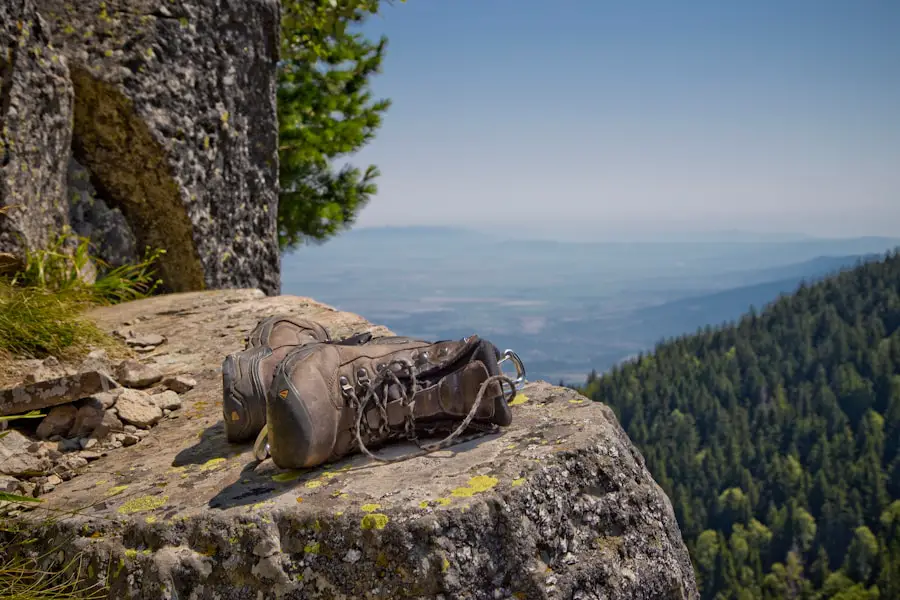
The most obvious warning sign is significant outsole wear. Look underneath both boots. If the lugs that once had sharp edges are rounded, smooth, or nearly flat in the areas you rely on for grip, traction may be compromised. HANWAG specifically advises considering resoling when the outsole pattern is worn down because reduced tread affects grip and stability.
Next, inspect the midsole, which sits between the outsole and your foot. A boot can look acceptable from above while its cushioning and structural support have degraded. Warning signs include deep compression lines, cracking, crumbling foam, a noticeably harsher feel underfoot, or one boot leaning more than the other when both are placed on a flat surface.
Check the upper for splits, holes, failing seams, damaged lace hardware, and areas where the material has pulled away from the sole. A small cosmetic scuff is not automatically a reason to retire a boot, but structural tears or extensive delamination deserve attention.
Pay attention to how the boots feel. New hotspots, heel movement, persistent rubbing, unusual foot fatigue, or noticeably reduced support can indicate that cushioning or structure has changed. Replacing an insole may restore comfort when the removable footbed is the only worn component, but a new insole cannot repair a failed midsole or badly worn outsole.
Water leakage also needs diagnosis rather than an automatic replacement. If the outer material simply stops beading water, the durable water-repellent treatment may need renewal. GORE-TEX footwear-care guidance recommends cleaning the footwear and restoring water repellency when water no longer beads and runs off. Persistent leakage through damaged seams, torn material, or a failed membrane is a different problem and may require professional repair or replacement.
Warning: Do not take questionable boots onto a remote or technical hike just to squeeze out a few more miles. A separating sole, badly worn tread, crumbling midsole, or unstable heel can become a safety problem far from the trailhead.
A Five-Minute Pre-Hike Boot Check
- Look at the tread: check for flat lugs, uneven wear, cuts, and exposed midsole material.
- Flex the boot: watch for cracking, crumbling, or separation where the upper and sole meet.
- Check the upper: inspect stitching, lace hooks, fabric panels, leather, rand, and toe area.
- Set both boots on a flat surface: look for leaning, twisting, or obvious deformation.
- Try them on: note new heel movement, pressure points, reduced cushioning, or loss of support.
Tips for Extending the Lifespan of Your Hiking Boots
| Tips for Extending the Lifespan of Your Hiking Boots |
|---|
| 1. Clean your boots regularly to remove dirt, grit, and debris that can collect around seams and tread. |
| 2. Allow boots to air dry after use so they are not stored wet or damp. |
| 3. Renew water repellency with a treatment approved for the boot’s materials when the manufacturer recommends it. |
| 4. Store boots in a cool, dry, ventilated place away from direct sunlight and strong heat. |
| 5. Replace worn laces and removable insoles when those components are the only parts that have reached the end of their useful life. |
| 6. If the tread is worn, ask the manufacturer or a qualified repair shop whether your specific boot model can be resoled. |
Cleaning is one of the simplest ways to prevent dirt and grit from remaining trapped around flex points, seams, and tread. After a muddy hike, remove the insoles and laces if practical, brush away loose dirt, and use lukewarm water with a soft brush or cloth. Follow the boot manufacturer’s instructions before using detergents, conditioners, waxes, or waterproofing products.
Drying technique is equally important. Do not put wet boots next to a campfire, heater, radiator, oven, or other intense heat source. LOWA, Salomon, SCARPA, and GORE-TEX all recommend natural drying away from excessive heat. Remove the insoles and open the boots so air can circulate. Absorbent paper can help draw moisture from very wet footwear, but it should be replaced as it becomes damp.
Pro Tip: Photograph the soles when your boots are new. Comparing a current photo with the original tread pattern later makes gradual lug wear and uneven heel wear much easier to spot.
How Often Should Hiking Boots Be Replaced?
There is no single replacement interval that applies to every hiking boot. Mileage estimates are best treated as reminders to inspect the footwear rather than deadlines. Lightweight, heavily cushioned hiking footwear may lose support sooner, while robust trekking boots with durable uppers and replaceable soles can remain serviceable much longer.
If you track hiking distance, start inspecting the boots more closely as the miles accumulate. The important question is not simply, “How many miles are on these boots?” It is, “Do these boots still provide the traction, structure, fit, and protection required for the terrain I am about to hike?”
Time matters as well. Boots that have spent years in a closet can develop age-related sole problems despite low mileage. Polyurethane-containing midsoles are especially worth checking for hydrolysis, which can cause hardening, cracking, crumbling, or separation. Do a short local test walk before trusting an older stored pair on a long trip.
The best replacement schedule is condition-based: inspect tread, midsole, sole attachment, upper integrity, and comfort instead of relying on mileage alone.
Repair, Resole, or Replace?
Repair a minor component when the main boot structure is sound but a lace, removable insole, small seam, hook, or similar serviceable part has failed.
Consider resoling when the outsole has worn down but the upper and structural parts remain in good condition and the model was built to accept a replacement sole. Several manufacturers offer resoling or recrafting on eligible models, including LOWA, HANWAG, and Zamberlan.
Replace the whole boot when the construction is not repairable or when major structural problems affect several areas at once, such as a failed midsole combined with upper damage, severe deformation, widespread delamination, or persistent loss of fit and support.
Proper Care and Maintenance of Hiking Boots
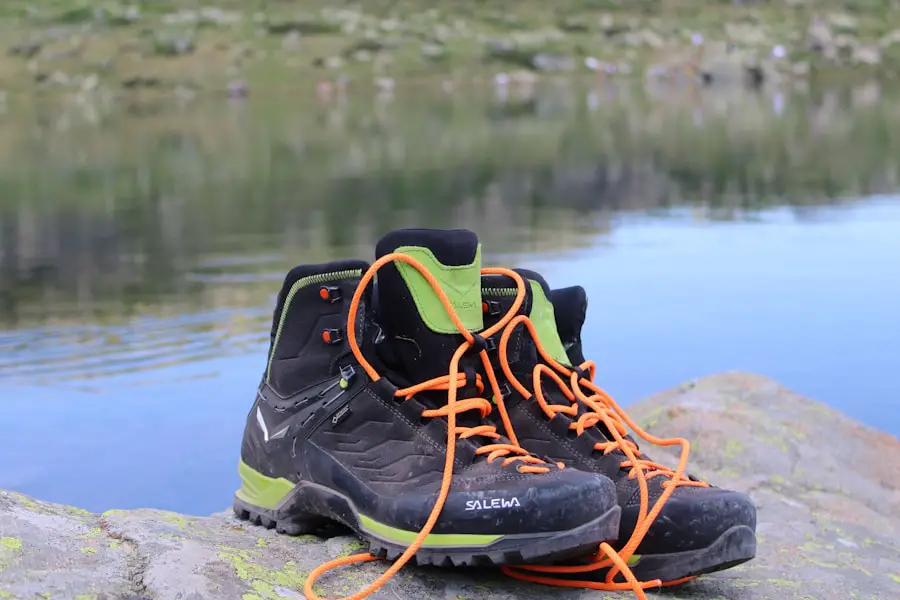
Inspecting boots regularly makes small problems easier to address before they become trip-ending failures. Before a hike, check the stitching, outsole, midsole, rand, toe area, lace hardware, and the bond where the sole meets the upper. After a long period in storage, flex the boots gently and inspect the sole carefully before wearing them outdoors.
Leather boots may need conditioning to remain supple, but the correct treatment depends on the leather and the manufacturer’s construction. Too much conditioner or the wrong wax, oil, or grease can change appearance, breathability, or material performance. LOWA, for example, publishes model-specific care guidance and warns against inappropriate oil- or fat-based products for its footwear.
Synthetic boots also need material-appropriate care. Use cleaning agents only when recommended by the manufacturer. For waterproof-breathable footwear, GORE-TEX advises using a brush or cloth, lukewarm water, and a small amount of liquid detergent when needed, while avoiding bleach and washing machines.
Storage should be cool, dry, and ventilated. Do not store dirty, damp boots in a sealed bag, hot vehicle, or humid basement. Removing the insoles after wet hikes helps the interior dry more thoroughly.
Choosing the Right Hiking Boots for Longevity
A longer-lasting boot starts with the right fit and the right construction for the job. A boot that slips at the heel, squeezes the toes, or does not match your foot shape can create discomfort long before the materials wear out. Try boots with the type of hiking socks you normally use and make sure your toes have room without allowing the heel to lift excessively.
Match the boot to your terrain and load. Lightweight hiking shoes can be comfortable and flexible for maintained trails and fast travel, while more substantial trekking boots may offer tougher uppers, firmer support, and repairable construction for demanding use. Neither category is automatically better; longevity depends on whether the footwear is being used for the conditions it was designed to handle.
Leather can be extremely durable when properly maintained, but modern synthetic boots can also perform well. Rather than choosing by upper material alone, examine the outsole compound, stitching, rand protection, midsole construction, repair program, and manufacturer support.
Vibram is one common outsole supplier, but performance varies among its compounds and designs. For example, Vibram Megagrip is specifically designed to balance durability with traction on wet and dry terrain. A Vibram logo by itself does not mean every outsole has identical wear life or grip characteristics.
Environmental Impact on the Lifespan of Hiking Boots
Weather and terrain can significantly affect how quickly boots age. Repeated wetting, abrasive mud, sharp rock, heat, and long exposure to sunlight all place stress on footwear materials. Poor drying after a wet trip can make matters worse by leaving moisture trapped in the boot.
Hot storage is another avoidable problem. Leaving boots for long periods in a hot vehicle or next to a heater can damage leather, adhesives, and other materials. Wet boots should instead dry slowly in a ventilated area at moderate temperature.
Environmental responsibility is not mainly about choosing a tread that supposedly prevents soil compaction. Leave No Trace guidance emphasizes traveling on established trails and durable surfaces because repeated trampling can damage vegetation and fragile living soils.
Clean footwear also helps protect the places you visit. The National Park Service explains that mud and dirt caught in boot tread can carry invasive plant seeds. Brushing soil and plant material from footwear before and after hiking can help reduce that spread.
If you are planning a demanding trip such as Machu Picchu, inspect your boots well before departure rather than discovering a problem on the trail. The existing guide to the best time to visit Machu Picchu can also help you plan around seasonal conditions. Whatever the destination, test older footwear on shorter local hikes before relying on it for a major trip.
Frequently Asked Questions
How long should hiking boots last?
Hiking boots commonly last for hundreds of trail miles, but there is no universal replacement number. Lightweight cushioned footwear may wear out sooner, while sturdy, repairable trekking boots can last much longer. Tread depth, midsole condition, sole attachment, upper integrity, fit, and comfort are better indicators than mileage alone.
What factors affect the lifespan of hiking boots?
Important factors include boot construction, frequency of use, terrain, total load, gait, moisture exposure, drying method, storage conditions, maintenance, and whether worn parts can be repaired or resoled.
How can I extend the lifespan of my hiking boots?
Brush off dirt and mud, clean the boots according to the manufacturer’s directions, remove insoles after wet hikes, air dry at moderate temperatures, avoid direct heat, store them somewhere cool and dry, and use only compatible conditioning or water-repellent treatments.
When should I replace my hiking boots?
Replace them when wear can no longer be safely or economically repaired. Major warning signs include severely worn tread, failed or crumbling midsoles, major sole separation, structural upper damage, persistent loss of fit or support, or leakage caused by damage that cannot be restored or repaired.
What are some signs that my hiking boots need to be replaced?
Look for flattened outsole lugs, deep or uneven wear, crumbling midsole material, cracks, sole separation, damaged stitching or uppers, deformation, reduced cushioning, new pressure points, and loss of reliable traction or support.
Can hiking boots be resoled instead of replaced?
Some can. Traditional cemented, stitched, or otherwise repairable trekking boots may be eligible for factory or professional resoling, while many lightweight or injection-molded models are not. Check the specific model with its manufacturer or a qualified boot repair service before deciding.
Does leaking mean waterproof hiking boots are worn out?
Not always. When water stops beading on the outer material, cleaning and renewing the durable water-repellent treatment may restore performance. Persistent leakage through torn material, failed seams, delamination, or a damaged membrane may require repair or replacement.
Sources
- National Park Service — Hike Smart — footwear, tread, equipment, and hiking-safety guidance.
- GORE-TEX — Footwear Care Instructions — cleaning, drying, direct-heat precautions, and renewing water repellency.
- LOWA — Boot Care Guide — cleaning, drying, leather care, waterproofing, and storage guidance.
- HANWAG — Resoling — worn tread, hydrolysis, aging, inspection, and resoling guidance.
- National Park Service — Boot Brushing — preventing invasive seeds from spreading in mud and boot tread.
- Leave No Trace — Travel and Camp on Durable Surfaces — reducing trampling and damage to fragile vegetation and soils.

