
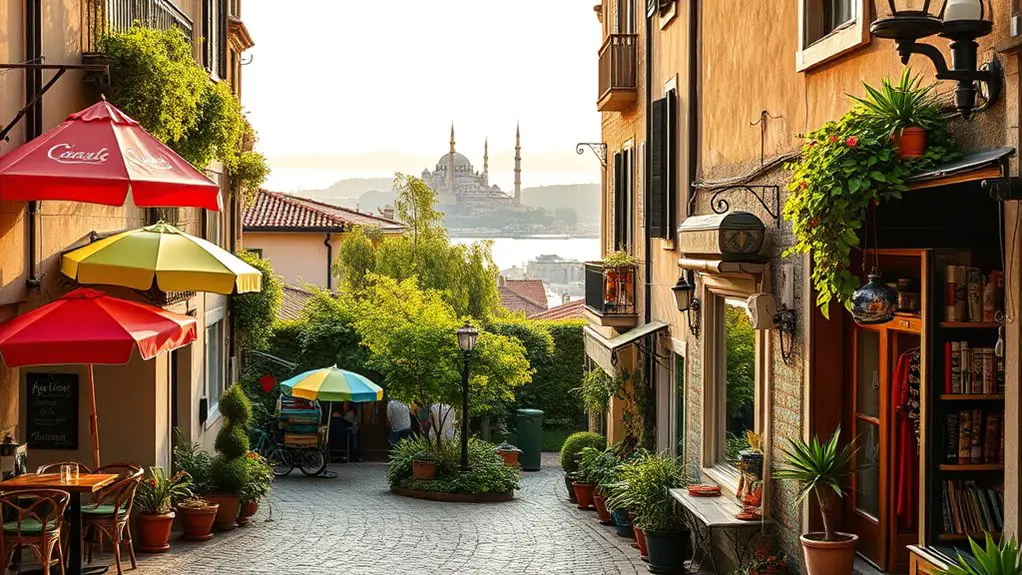
Last Updated on July 25, 2026 by Daniel Globe
Ortaköy is famous for its mosque-and-bridge view, but the neighborhood rewards visitors who look beyond the main photo spot. Around the waterfront and side streets, you can find a restored cultural center, weekend artist stalls, multi-faith landmarks, a historic Ottoman bath exterior, quieter benches by the water, and easy stops for local street food.
Quick Answer
The best hidden gems in Ortaköy include Hüsrev Kethüda Hamamı, Ortaköy Cultural Center, weekend artist stalls, Aya Fokas Church, Etz Ahayim Synagogue, and quieter viewpoints beside the main square. Pair them with Büyük Mecidiye Mosque, a waterfront coffee, and a short Bosphorus walk for a well-rounded visit.
Key Takeaways
- The present Ortaköy Mosque is a 19th-century imperial mosque, not an 18th-century building.
- Ortaköy Cultural Center is a reliable place to look for exhibitions, performances, classes, and local cultural programming.
- Artist and souvenir stalls often appear on weekends, but vendors, hours, and products vary.
- Churches, mosques, and the local synagogue are active religious sites, so access and photography may be restricted.
- Ferry and bus services change by day and season; check official timetables on the day of your visit.
Disclosure: As an Amazon Associate I earn from qualifying purchases. Some links on this page are affiliate links, at no extra cost to you.
The Enchanting Ortaköy Mosque at Dusk
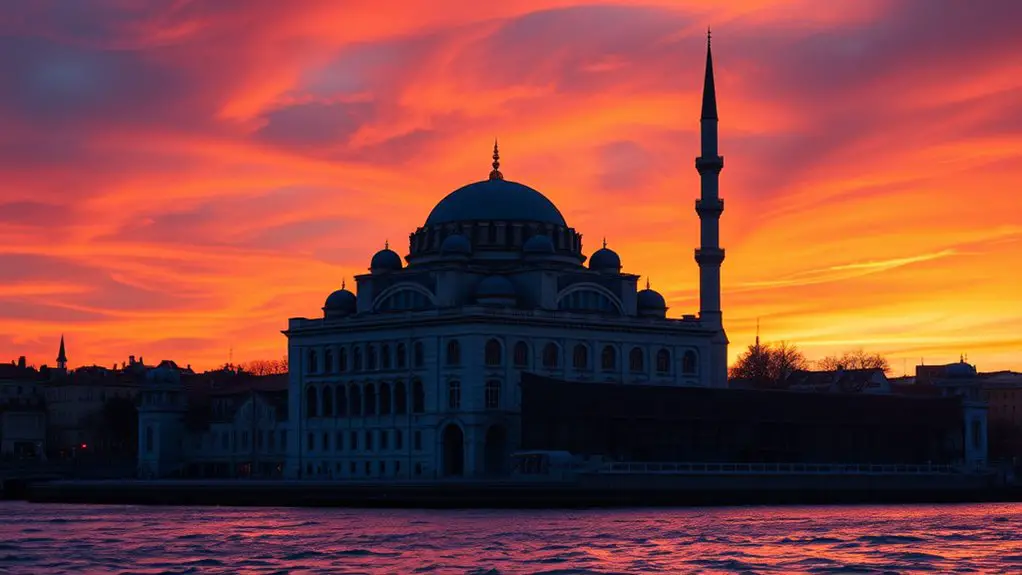
Ortaköy Mosque, formally known as Büyük Mecidiye Camii, stands at the water’s edge beside Ortaköy Square. The present building was commissioned by Sultan Abdülmecid I and completed in the mid-1850s. Members of the Balyan architectural family designed the mosque as part of Istanbul’s late Ottoman building boom.
The mosque is often described as neo-Baroque or late Ottoman eclectic architecture. Its carved stone façade, tall windows, twin minarets, marble details, and interior calligraphy give it a much lighter appearance than many larger imperial mosques. You can read a brief official history on the Beşiktaş Municipality Ortaköy Mosque page.
Dusk is one of the most attractive times to photograph the mosque. From the southern side of the square, you can frame its waterside façade with the Bosphorus and the July 15 Martyrs Bridge behind it. Arrive before sunset so you can photograph the scene in daylight, during blue hour, and after the waterfront lights appear.
Note: Büyük Mecidiye Mosque is an active place of worship. Visit outside prayer times when public entry is permitted, dress modestly, remove your shoes where instructed, keep voices low, and ask before photographing worshippers.
Ortaköy Cultural Center and Weekend Art Stalls
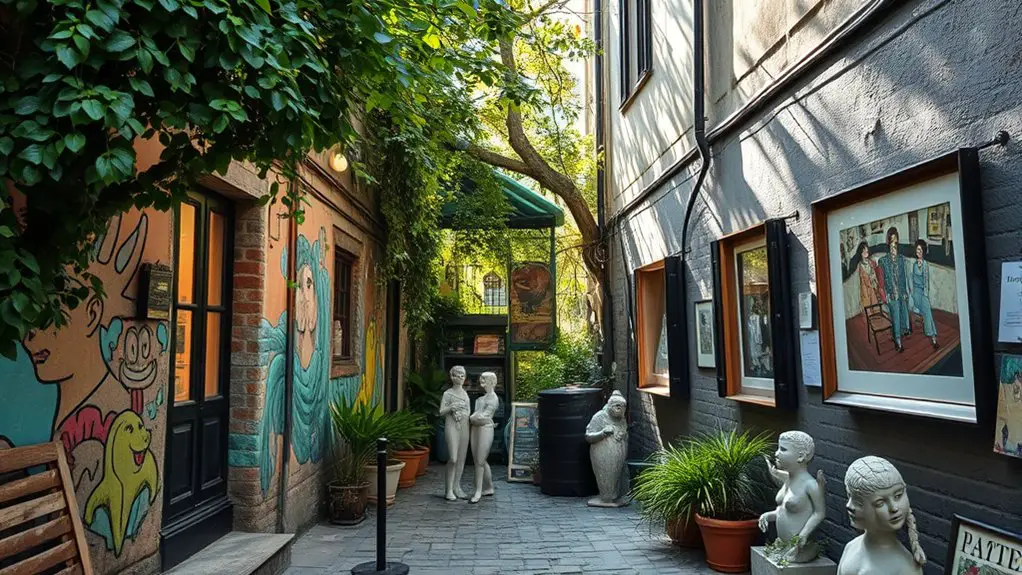
Ortaköy has a creative side, but it is better to look for named venues and current programs than to expect a permanent gallery behind every side street. The most dependable local arts stop is Ortaköy Cultural Center, while temporary artist and craft stalls often appear around the streets leading to the waterfront.
Local Artist Spotlights at the Weekend Market
Official tourism information notes that artists’ markets are often held in Ortaköy on weekends. Depending on the day, stalls may sell prints, jewelry, accessories, small paintings, photographs, textiles, and other handmade souvenirs.
The market is not a fixed museum exhibition, and the mix of vendors can change with the weather, season, local permissions, and special events. Treat it as a pleasant extra rather than the only reason for your visit.
Ask a vendor before taking a close-up photograph of a person, artwork, or stall. When buying handmade goods, check the price and materials first instead of assuming every item was produced locally.
A Real Exhibition Space: Ortaköy Cultural Center
Ortaköy Cultural Center is on Dereboyu Caddesi, a short walk inland from the waterfront. The renewed municipal complex includes the 169-seat Afife Jale Stage, an exhibition area, the Livaneli Museum, a library, classrooms, a foyer, and a café.
The center hosts performances, exhibitions, educational activities, talks, and community events on changing schedules. Some areas may be open only during an event, so check the municipality’s current program before making a special trip.
Workshops and Community Events
Classes and cultural programs at the center provide a more credible way to connect with Ortaköy’s creative community than relying on unnamed “hidden galleries.” Programming can include exhibitions, adult education, performances, meetings, and workshops, but it should not be assumed that every activity is available to walk-in visitors.
For the best experience, check the event listing, confirm whether registration or a ticket is required, and allow extra time to explore the residential streets between Dereboyu Caddesi and the waterfront.
Quaint Cafés With Bosphorus Views
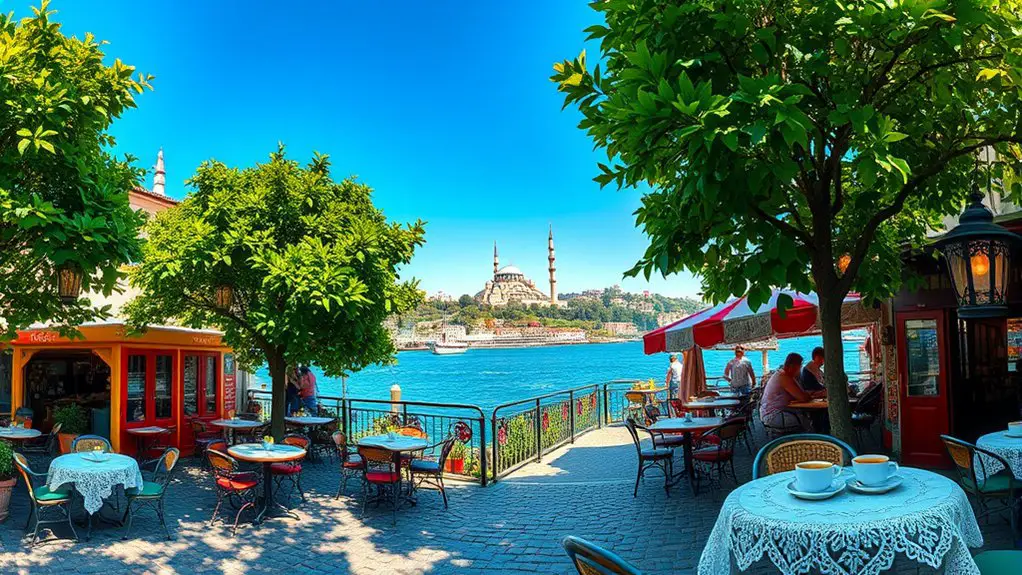
Ortaköy’s waterfront cafés offer close views of passing ferries, the mosque, and the bridge. A table directly beside the water is appealing, but the busiest venues can be crowded around sunset and on weekend afternoons.
Turkish coffee and tea are easy choices for a short break. Menus may also include börek, baklava, cakes, breakfast plates, and international dishes. Check the displayed menu and prices before ordering, especially at waterfront businesses where the view may be reflected in the price.
For a more casual meal, follow the streets behind the square to the kumpir counters. Kumpir is a large baked potato mixed with butter and cheese before you choose toppings. Ortaköy is also known for loaded waffles served with fruit, sauces, nuts, and sweets.
Not every café is quiet, and not every seat has a clear water view. Walk around the square first, compare menus, and choose the setting that suits your budget and the amount of time you have.
Pro Tip: Visit on a weekday morning for easier seating and softer light. For sunset, reserve extra time because road traffic, ferry crowds, and restaurant demand can all increase in the late afternoon.
The Serenity of Ortaköy’s Waterfront Park
The small park area beside Büyük Mecidiye Mosque offers benches, trees, and open views across the Bosphorus. It is useful for a short rest between the mosque, market streets, and ferry pier, but it should not be confused with one of Istanbul’s large landscaped parks.
From the benches, you can watch ferries and private boats pass beneath the bridge. The setting is especially pleasant early in the day, before tour groups and weekend visitors fill the square.
The amount of shade and available seating depends on the time and crowd level. Bring water in warm weather, and do not rely on finding a free bench during sunset or on a busy weekend.
Families can enjoy the open waterfront atmosphere, but the area is close to water, busy roads, food stalls, and dense pedestrian traffic. Keep young children close rather than expecting a large enclosed playground.
Local Markets for Authentic Souvenirs
The streets running down toward Ortaköy Square are known for small stalls and shops selling souvenirs, accessories, artwork, and handmade goods. Official tourism sources describe the area as a place to find colorful and distinctive products, especially when artist stalls gather on weekends.
Stock varies from day to day. You may see jewelry, printed art, small ceramics, scarves, photographs, decorative objects, and inexpensive tourist souvenirs, but no particular product is guaranteed.
Compare quality and prices before buying. Some sellers may accept cards, while small stalls may prefer cash. Ask whether fragile items can be wrapped securely if you plan to carry them during the rest of your trip.
A short conversation with a maker can tell you more about how an item was produced and whether it is genuinely handmade. Be polite when declining, and ask before photographing a stall or vendor.
Note: Weekend markets are weather- and event-dependent. If shopping is a priority, check current local listings and avoid assuming that the same vendors will be present every Saturday or Sunday.
Historic Buildings and Multi-Faith Heritage
Ortaköy’s history is broader than its famous mosque. Muslim, Greek Orthodox, Armenian, and Jewish communities all contributed to the neighborhood’s identity, and traces of that history remain in its side streets and places of worship.
- Büyük Mecidiye Mosque: The neighborhood’s main landmark is a 19th-century imperial mosque commissioned by Sultan Abdülmecid I. Look closely at the carved façade, large windows, marble details, and calligraphy rather than rushing away after taking the standard bridge photograph.
- Hüsrev Kethüda Hamamı: This 16th-century Ottoman bath is associated with architect Mimar Sinan. Public use and interior access can change, but the exterior is a worthwhile stop for visitors interested in the neighborhood’s earlier Ottoman history. GoTürkiye includes the bath among Ortaköy’s historical attractions in its official Ortaköy guide.
- Aya Fokas Church and Etz Ahayim Synagogue: These active religious sites reflect Ortaköy’s multi-faith past. Access may be limited to services, arranged visits, or specific hours. Respect security procedures, avoid photographing entrances or guards without permission, and never assume that tourist entry is available.
- Çırağan Palace: A walk south from Ortaköy leads toward the 19th-century Çırağan Palace complex, now associated with a luxury hotel. It is not a hidden attraction, but its Bosphorus façade and imperial history make it a worthwhile extension to an Ortaköy visit.
Some historic buildings are easier to appreciate from the street than from inside. Posted rules and instructions from staff or worshippers should always take priority over a travel itinerary.
Scenic Walks Along the Bosphorus
Start at the southern side of Ortaköy Square for the classic view of Büyük Mecidiye Mosque, the Bosphorus, and the bridge. Walk slowly around the square to see how the view changes as ferries approach the pier and light moves across the water.
For a longer walk, head south toward the Feriye buildings and Çırağan Palace. This is an urban Bosphorus route rather than an uninterrupted waterside promenade; some sections follow busy Çırağan Caddesi and can be noisy.
You can also walk north toward Kuruçeşme for a different angle beneath the bridge. Pavements may narrow, and traffic can be heavy, so stay on marked pedestrian routes and cross only at suitable crossings.
Sunset is the most dramatic time for photographs, but it is also one of the busiest. Morning offers clearer walking space, calmer cafés, and a better chance of photographing the mosque without a dense crowd in the foreground.
A Simple Two-to-Three-Hour Ortaköy Route
- Arrive at the waterfront: Begin at Ortaköy Pier or one of the nearby bus stops and walk into the square.
- Visit Büyük Mecidiye Mosque: Allow about 20 to 30 minutes for the exterior, interior when open, and waterfront photographs.
- Explore the market streets: Spend 30 to 45 minutes browsing shops and any artist stalls operating that day.
- Look for the neighborhood’s historic layers: Walk toward Hüsrev Kethüda Hamamı and view the nearby religious landmarks respectfully from public areas.
- Check Ortaköy Cultural Center: Visit if an exhibition, museum area, performance, or public program is open.
- Stop for food or coffee: Allow 30 to 60 minutes for kumpir, a waffle, Turkish coffee, or a waterfront café.
- Finish by the Bosphorus: Return to the square for sunset, or continue south toward Feriye and Çırağan Palace.
This route is flexible. A quick visit can take about 90 minutes, while a meal, cultural event, or longer Bosphorus walk can extend the outing to half a day.
Practical Tips Before You Go
Best Time to Visit Ortaköy
Spring and early autumn usually offer comfortable conditions for walking, while summer afternoons can feel hot and crowded. Winter can be quieter, but wind and rain beside the Bosphorus may make the waterfront feel much colder.
Weekday mornings are generally best for a relaxed visit. Late afternoon and sunset offer attractive light but draw larger crowds, especially when the weather is clear.
How to Get to Ortaköy
Ortaköy is served by IETT buses from areas such as Beşiktaş, Kabataş, and Taksim. Routes and temporary diversions change, so use the official IETT route and station search shortly before leaving.
Şehir Hatları also lists ferry services connecting Ortaköy with destinations including Üsküdar, Kadıköy, Beşiktaş, and Eminönü. Check the current Ortaköy–Üsküdar–Kadıköy timetable and Ortaköy–Beşiktaş–Eminönü timetable. Some sailings operate only on certain weekdays, weekends, or public holidays.
Accessibility and Mobility
The main square is relatively level, but cobbled surfaces, kerbs, crowds, café furniture, and narrow side streets can create obstacles for wheelchair users and anyone with limited mobility. Access to historic buildings may include thresholds, shoe-removal areas, or older entrances.
Ferry and bus accessibility can vary by vehicle, pier, and service. Check the operator’s current information and allow extra time during busy periods.
Visitor Safety
Warning: No busy tourist district can be guaranteed safe. Keep bags closed, protect phones and wallets in crowds, avoid demonstrations, use licensed transport, and stay aware around markets, nightlife venues, transport stops, parks, and places of worship. Review your government’s current Türkiye travel advice before departure.
The U.S. Department of State’s Türkiye travel advisory, issued June 9, 2026, lists Türkiye at Level 2 and advises increased caution. Travelers should pay particular attention in crowded public spaces and tourist areas.
Solo visitors can reduce risk by staying in populated, well-lit areas, arranging a reliable route back to their accommodation, sharing plans with someone they trust, and avoiding isolated walks late at night.
Frequently Asked Questions
What is the best time to visit Ortaköy?
Spring and early autumn are comfortable for walking, while weekday mornings usually have lighter crowds. Sunset offers the most dramatic mosque and Bosphorus views, but the square, cafés, roads, and ferry services can be much busier.
Are there public transportation options to Ortaköy?
Yes. IETT buses connect Ortaköy with districts including Beşiktaş, Kabataş, and Taksim. Şehir Hatları also operates selected ferry services involving Ortaköy, Üsküdar, Kadıköy, Beşiktaş, and Eminönü. Check official same-day timetables because routes and operating days can change.
What local specialties should I try in Ortaköy?
Kumpir is Ortaköy’s best-known street food. The baked potato is mixed with butter and cheese before toppings are added. Loaded waffles are another neighborhood favorite. Turkish coffee, tea, börek, and baklava are also widely available.
Is Ortaköy safe for solo travelers?
Many solo visitors explore Ortaköy, but safety cannot be guaranteed. Stay alert in crowds, secure valuables, avoid demonstrations and isolated late-night routes, use licensed transport, and review current government travel advice before your trip.
What cultural events are held in Ortaköy?
Ortaköy Cultural Center hosts changing exhibitions, performances, talks, classes, and community activities. Weekend artist stalls and temporary events may also appear near the square. Check the current Beşiktaş Municipality program rather than relying on a fixed annual schedule.
How long should I spend in Ortaköy?
Allow about two to three hours for the mosque, square, side streets, historic sites, and a food stop. A cultural event, full meal, or walk toward Feriye and Çırağan Palace can extend the visit to half a day.
Can visitors enter Ortaköy’s religious buildings?
Büyük Mecidiye Mosque may admit respectful visitors outside prayer times when open. Churches and the synagogue may have limited hours, service-only access, advance-arrangement requirements, or security restrictions. Follow posted instructions and never assume entry or photography is permitted.
Is Ortaköy accessible for visitors with limited mobility?
The waterfront square is mainly level, but cobbles, kerbs, crowds, narrow pavements, and historic entrances can be difficult. Bus and ferry accessibility varies, so check the operator’s current information and allow additional time.
Conclusion
Ortaköy’s main square may provide one of Istanbul’s most familiar views, but its side streets reveal a deeper story. The neighborhood’s real hidden gems include a Sinan-associated bath, a renewed cultural center, changing artist stalls, and religious landmarks that reflect its diverse history. Visit the mosque respectfully, check schedules before relying on a ferry or event, leave room for kumpir or coffee, and slow down long enough to notice the carved stone, calligraphy, markets, and everyday life around the Bosphorus.
Sources
- GoTürkiye: Ortaköy Visitor Guide — mosque history, historic bath, markets, galleries, cafés, and waterfront attractions.
- Beşiktaş Municipality: Ortaköy Mosque — official overview of the mosque’s commissioning, architect, and construction period.
- Beşiktaş Municipality: Ortaköy Cultural Center — current facilities, exhibition space, stage, museum, library, and programming.
- IETT Route and Station Search — current bus routes, stops, and service information for Ortaköy.
- Şehir Hatları Timetables — current ferry lines, operating days, and departure times.
- U.S. Department of State: Türkiye Travel Advisory — current national safety guidance and precautions for crowded public places.
