
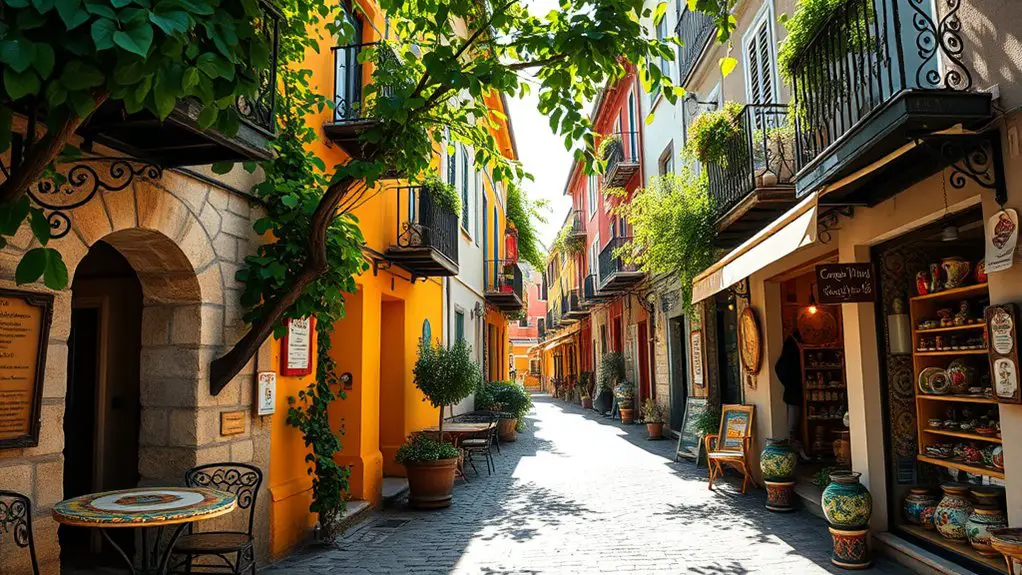
Last Updated on July 25, 2026 by Daniel Globe
Fener rewards travelers who slow down and look beyond Istanbul’s headline sights. This historic quarter sits on the Golden Horn beside Balat, with Greek Orthodox landmarks, steep lanes, old houses, neighborhood cafés, and religious sites packed into a surprisingly small area. Some attractions commonly associated with “Fener” are actually elsewhere in Istanbul, so knowing what is truly here makes exploring much easier.
Quick Answer
Fener’s best hidden gems include the Ecumenical Patriarchate and Church of St. George, the red-brick Phanar Greek Orthodox College, St. Mary of the Mongols, historic Golden Horn streets, and nearby Balat landmarks such as Ahrida Synagogue and the Bulgarian Iron Church. Allow time for steep lanes and changing access rules.
Key Takeaways
- Fener is a historic quarter on the Golden Horn in Fatih; neighboring Balat is separate but easy to explore on the same walk.
- The Ecumenical Patriarchate and Patriarchal Church of St. George are among Fener’s most important cultural and religious landmarks.
- The Phanar Greek Orthodox College is best treated as an exterior architectural sight unless a special public opening has been announced.
- Ahrida Synagogue and several other Jewish heritage sites are in neighboring Balat, and synagogue access may require advance arrangements.
- The Serpent Column, Fenerbahçe Museum, and Büyükada’s Aya Yorgi are worthwhile Istanbul attractions, but they are not in Fener.
- Use the T5 tram to reach Fener or Balat, then explore on foot while allowing extra time for hills, cobbles, and photography stops.
Note: Fener, Balat, and Fenerbahçe are not interchangeable names. Fener and Balat are adjoining historic quarters on the European side of the Golden Horn. Fenerbahçe is in Kadıköy on Istanbul’s Asian side.
Disclosure: As an Amazon Associate I earn from qualifying purchases. Some links on this page are affiliate links, at no extra cost to you.
The Historic Fener Greek Orthodox Patriarchate
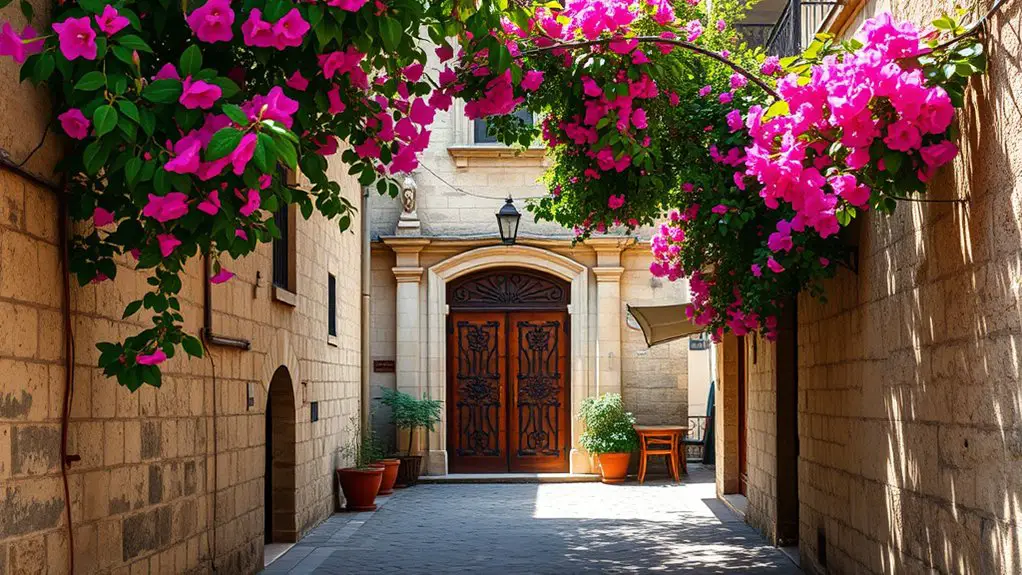
The Ecumenical Patriarchate is one of Fener’s defining landmarks. It stands on the Golden Horn side of Istanbul’s Fatih district, at a location used by the Patriarchate since around the beginning of the 17th century.
At the heart of the complex is the Patriarchal Church of St. George. The official Patriarchate describes the church as a traditional three-aisled basilica. It has undergone several major repairs and reconstructions, including work after a fire in 1720.
That history helps explain why visitors should not expect the vast domes or monumental exterior of Hagia Sophia. St. George is more restrained from the street. Much of its significance is inside, where icons, liturgical furnishings, relics, and the continuing life of the Ecumenical Patriarchate give the site its character.
Fener’s most important sights are not always the largest: much of the neighborhood’s value comes from living religious institutions tucked behind modest walls.
Remember that this is an active religious complex, not simply a museum. Services or religious events may affect visitor access. Check the Patriarchate’s current information before making a special trip.
The Serpent Column at the German Fountain: A Common Istanbul Mix-Up
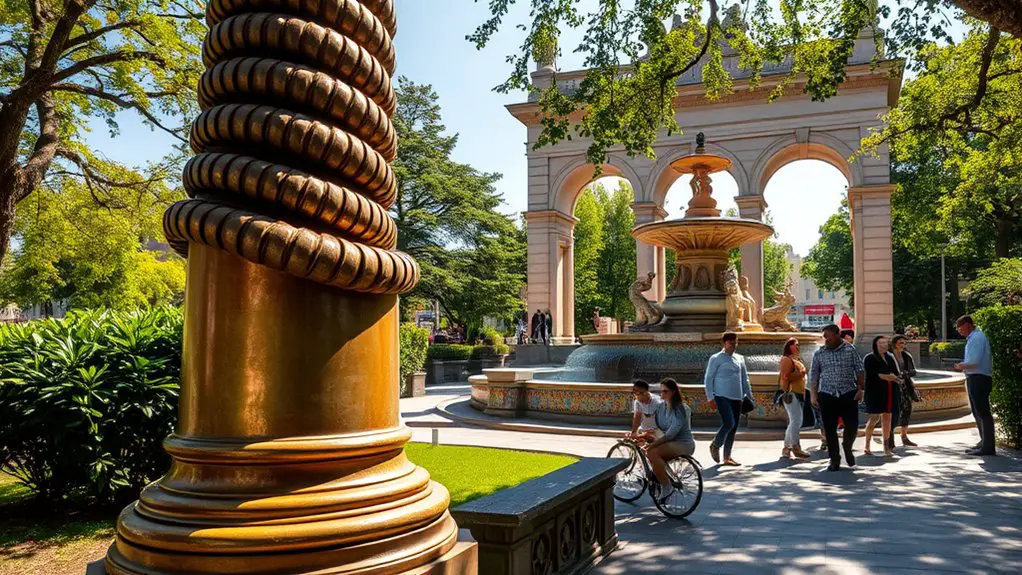
The Serpent Column is an extraordinary Istanbul monument, but it is not a hidden gem of Fener. It stands at the former Hippodrome in Sultanahmet, close to the German Fountain, several kilometers away from the Golden Horn neighborhood covered in this guide.
According to GoTürkiye’s guide to the Hippodrome, the monument commemorates the Greek victory over Persia at the Battle of Plataea in 479 BC and originally stood at Delphi.
One detail is often misunderstood. The twisting serpent column itself was bronze. It supported a golden victory tripod; the serpents were not simply a gold-plated column.
Keep the Serpent Column on your Istanbul itinerary if ancient history interests you, but combine it with Sultanahmet sights rather than a Fener walking route.
The Fenerbahçe Museum: Another Name Mix-Up
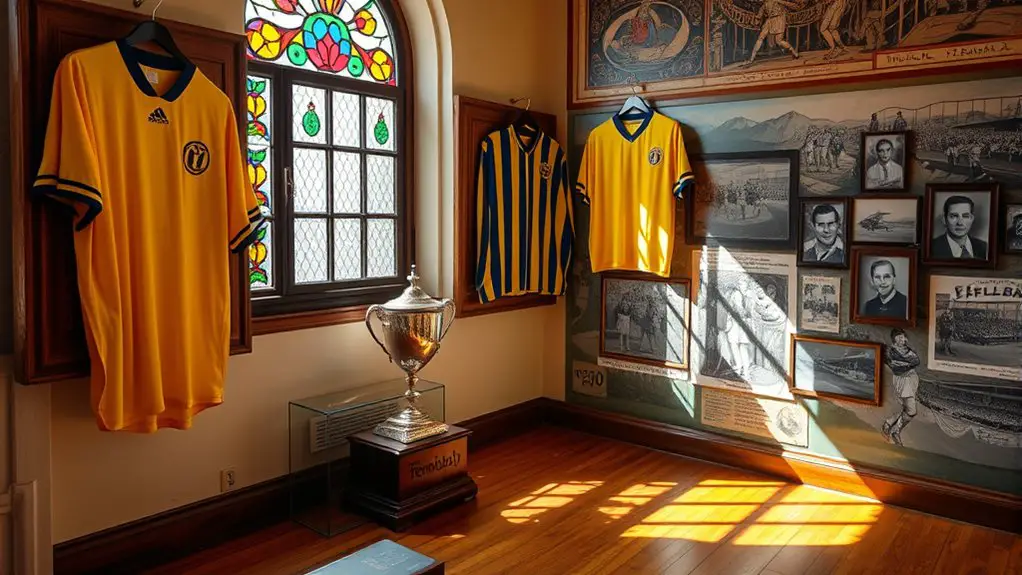
The Fenerbahçe Museum is a genuine attraction for Turkish sports fans, but “Fenerbahçe” does not mean that the museum is in Fener.
The Türkiye Culture Portal places the museum at Fenerbahçe Şükrü Saracoğlu Stadium in Kadıköy, on Istanbul’s Asian side.
Its displays document the club’s long sporting history through trophies, shirts, photographs, documents, and memorabilia. Football supporters may find it worth a separate trip, but it should not be presented as something you will stumble across while walking through Fener and Balat.
Pro Tip: Build your sightseeing days by district. Explore Fener and Balat together on the European side, then save Kadıköy and the Fenerbahçe Museum for a separate Asian-side outing.
The Hidden Courtyard of Aya Yorgi Church in Fener
“Aya Yorgi” means St. George, and Istanbul has more than one church associated with that name. The famous hilltop Aya Yorgi visited on Büyükada is on the Princes’ Islands, not in Fener.
For a Fener itinerary, the relevant site is the Patriarchal Church of St. George inside the Ecumenical Patriarchate. Passing through the entrance from the surrounding streets creates a quieter transition from everyday Fener into a working religious complex.
Rather than expecting landscaped gardens, reflective pools, or a public park, focus on the enclosed courtyard atmosphere, the restrained church exterior, and the historic structures surrounding the Patriarchate.
The contrast is part of the appeal: outside are narrow urban streets and traffic; inside is one of the most important centers of Orthodox Christianity.
Warning: Do not confuse this church with Aya Yorgi on Büyükada when planning transport. Reaching Büyükada requires a separate ferry journey and cannot be treated as a quick Fener detour.
Balat’s Market Streets and Local Food
Walk north from Fener into neighboring Balat and the atmosphere becomes increasingly commercial, with small shops, cafés, bakeries, antiques, and places to stop for a snack.
There is no need to build your visit around a supposedly fixed tourist attraction called the “fish market on Balat Street.” A better approach is to wander the neighborhood’s active streets and choose places that are busy with local customers.
Balat and Fener have changed considerably as tourism has grown, so you will see long-established businesses mixed with newer coffee shops, design stores, and highly photographed cafés.
Fresh Food and Seafood Nearby
Seafood forms part of Istanbul’s wider food culture, and you may find fish dishes in and around the Golden Horn. Availability depends on the restaurant, season, and daily supply rather than a single permanent Fener fish market.
For a quick local-style break, also look beyond seafood. Turkish tea, coffee, pastries, soups, grilled foods, and bakery items can make more practical stops during a walking route.
Check prices before ordering, especially at highly photographed venues, and choose businesses where menus and prices are clearly displayed.
Bustling Market Atmosphere
The real attraction is the street life itself. Old storefronts, neighborhood businesses, antique dealers, tea stops, and newer cafés share the same compact area.
GoTürkiye specifically highlights Balat and Fener’s mix of colorful streets, cafés, traditional tea gardens, craft shops, second-hand stores, antique dealers, and auction houses.
That mix gives the neighborhood more character than a staged “market attraction.” Walk slowly, look down side streets, and remember that many of the buildings around you are homes and working businesses.
Ahrida Synagogue in Balat: A Glimpse Into the Past
The original idea of an “Old Synagogue of Fener” is better tied to a real, identifiable landmark: Ahrida Synagogue in neighboring Balat.
Balat was historically associated with Istanbul’s Jewish community, and both Ahrida and Yanbol synagogues remain important parts of that heritage. The 500th Year Foundation Museum of Turkish Jews includes both synagogues on its organized Jewish heritage routes.
Unlike an ordinary museum, a functioning synagogue can have security and access requirements. Do not assume that you can simply arrive and enter. Confirm current arrangements before your visit and carry identification if instructed by the institution or your authorized tour organizer.
Even when interior access is unavailable, understanding Balat’s Jewish history adds an essential layer to a Fener-Balat walk. The area’s identity was shaped over centuries by Greek Orthodox, Jewish, Armenian Christian, Muslim, and other communities.
The Artistic Murals in the Backstreets of Fener and Balat
As you move through the narrow streets connecting Fener and Balat, painted walls, small murals, shopfront art, and brightly colored façades add a contemporary layer to the historic setting.
Street art here is best enjoyed as part of the wider neighborhood rather than treated as a formal outdoor museum. Individual works change, disappear, or get painted over, so what you see may differ from photos taken even a few months earlier.
Vibrant Wall Art
Look for artwork along side streets rather than rushing from one famous photo spot to another. Some pieces use modern graphic styles, while others sit beside weathered masonry, traditional façades, and local businesses.
The contrast between old architecture and newer visual culture is part of what makes walking the area rewarding. GoTürkiye’s Istanbul routes also point visitors toward Balat’s historic lanes and wall art.
- Scan side streets instead of limiting yourself to the busiest café lanes.
- Use wider views to show how contemporary art sits within the historic neighborhood.
- Avoid blocking doors, windows, shop entrances, or residents while taking photographs.
Hidden Mural Stories
It is tempting to assign a historic story to every mural, but not every work has a documented connection to Fener’s past. Unless a piece is signed, interpreted, or tied to a known project, appreciate it as street art rather than inventing a symbolic meaning.
For deeper history, let the neighborhood’s documented buildings do more of the storytelling: churches, synagogues, schools, mosques, old houses, and the Golden Horn shoreline provide a much stronger link to Fener and Balat’s layered past.
Fener Greek Orthodox College: Admire the Red School From Outside
High above the surrounding streets, the Phanar Greek Orthodox College, also known as Fener Greek High School, is one of the area’s easiest landmarks to recognize.
Its large red-brick building dominates the hillside and can be seen from several approaches around the Golden Horn. The school remains an educational institution rather than a permanently open tourist attraction.
That distinction matters. The grounds and garden should not be presented as a public park with freely available benches and flowerbeds. In recent years the school has opened to general visitors during special events, including holiday bazaars, but ordinary access should not be assumed.
For most travelers, the best experience is the approach through Fener’s steep streets and the exterior views from nearby lanes. Respect gates and signs, and enter only when a public event or authorized visit permits it.
Why Fener Is Called Fener: The Lighthouse Connection
The neighborhood’s name has a genuine connection to the idea of a light or beacon, but that does not mean a preserved Ottoman lighthouse called the “Fener Lighthouse” stands here today as a visitor attraction.
The TDV İslâm Ansiklopedisi records historical references to Fener Gate and indications that an important light or beacon once stood along this part of the Golden Horn shore.
That history is a fascinating explanation for the place name, but it should not be confused with Fenerbahçe Lighthouse, a surviving 19th-century Ottoman lighthouse located far away in Kadıköy.
Today, the most useful way to explore this maritime side of Fener is to walk toward the Golden Horn waterfront, where you can understand how closely the neighborhood developed around the water.
The Quaint Cafés and Tea Houses in Fener’s Alleyways
Fener and Balat’s cafés provide an easy break between churches, steep streets, and historic buildings. You will find both traditional tea-and-coffee culture and newer cafés designed around the neighborhoods’ increasingly popular visual identity.
The best stop is not necessarily the most decorated one. Check the menu, look at the prices, and choose a place that fits the pace of your walk rather than treating every colorful café as a must-see attraction.
Cozy Ambiance and Decor
Many cafés occupy older buildings or small street-level spaces, so interiors can feel intimate. Vintage furniture, ceramics, posters, wooden tables, and mismatched décor are common themes in the tourist-oriented parts of Balat and Fener.
For a quieter experience, walk one or two streets away from the busiest photography areas. A simple tea shop filled with neighborhood customers can be just as memorable as an elaborately decorated café.
Traditional Tea Varieties
Classic Turkish black tea remains the safest choice for a traditional break. Turkish coffee is another obvious option, while individual cafés may also serve herbal teas such as mint, chamomile, or rosehip.
Tea in Istanbul is as much a social habit as a sightseeing experience. Rather than rushing through it, give yourself time to sit, rest your legs, and watch the street before continuing uphill.
Hidden Local Favorites
The most rewarding food and drink stops often reveal themselves while you walk. Look for clear menus, visible prices, fresh turnover, and a mix of local customers rather than relying entirely on highly staged social-media spots.
- Try a neighborhood bakery or pastry shop for a quick snack.
- Stop for Turkish tea or coffee when the hills start to slow you down.
- Explore antique and second-hand streets along with cafés to see more than the neighborhood’s photo locations.
More Verified Hidden Gems Near Fener
Church of St. Mary of the Mongols
The Church of St. Mary of the Mongols, sometimes called the Bloody Church because of its deep red exterior, is one of the genuine lesser-known religious landmarks of Fener.
GoTürkiye’s Orthodox church guide identifies it specifically with Fener and notes that it remains an active Orthodox church. It is not regularly open as a walk-in tourist attraction, so seeing the exterior may be the realistic outcome of an unplanned visit.
Sveti Stefan Bulgarian Church
On the Golden Horn waterfront between Fener and Balat stands Sveti Stefan Bulgarian Orthodox Church, widely known as the Iron Church because of its metal construction.
The building is more prominent than many of Fener’s “hidden” sights, but its location makes it an excellent anchor for a walking route. Official Istanbul restoration records place it on the Golden Horn shore between the Fener and Balat areas.
The Fener Waterfront
The shoreline gives you a different perspective on the dense streets above. After exploring the hillside, dropping back toward the Golden Horn is a simple way to rest and orient yourself before continuing toward Balat or returning to public transport.
How to Explore Fener Without Losing Time
A good visit works best as a walking route rather than a checklist of isolated attractions. Start near the waterfront, visit the Patriarchate, climb toward the Phanar Greek Orthodox College and St. Mary of the Mongols, then continue toward Balat for historic streets, cafés, Ahrida Synagogue from outside or by prior arrangement, and Sveti Stefan Church.
The T5 Eminönü–Alibeyköy tram serves both Fener and Balat stations, making it one of the simplest public-transport options for the area.
Pro Tip: Walk uphill earlier in your visit while you have more energy, then finish near the flatter Golden Horn waterfront. Comfortable shoes are more useful here than trying to cover every lane quickly.
Accessibility in Fener
Metro Istanbul states that stations on the T5 line use low-floor vehicles and ramped station access designed for passengers with disabilities. That makes reaching the area easier than the historic streets themselves.
Once you leave the tram, conditions become less predictable. Fener and Balat include steep grades, uneven paving, cobbles, narrow sidewalks, stairs, and historic buildings with thresholds or restricted entrances. Travelers with limited mobility should plan individual stops rather than assuming the entire walking route is step-free.
Religious-Site Etiquette
Many of the landmarks in Fener and Balat are still places of worship. Dress respectfully, lower your voice, silence your phone, and avoid walking into areas reserved for worshippers or clergy.
Ask before photographing people, ceremonies, icons, or interiors where rules are unclear. During services, stand back rather than treating the building as a photo set.
Photography in Residential Streets
Fener and Balat are real neighborhoods, not open-air film sets. Photograph architecture from public space, but do not sit on private steps, lean against residents’ doors, block narrow lanes, or photograph people at close range without permission.
Note: Opening days and visitor rules can change at schools, churches, and synagogues. Check the institution’s current information shortly before visiting rather than relying on an old travel post.
Frequently Asked Questions
What Are the Best Times to Visit Fener for Fewer Crowds?
Weekday mornings are usually the easiest time for a quieter walk. Weekends can become much busier around popular Balat photo streets and cafés. Spring and autumn generally make the steep walking route more comfortable than the hottest part of summer, but always check individual religious sites before timing your visit around a specific interior.
Are Guided Tours Available for Exploring the Hidden Spots in Fener?
Yes. Fener and Balat are common walking-tour areas, and specialist heritage tours can be especially useful for understanding Orthodox, Jewish, Armenian, and Ottoman history. A guide may also help with sites that require advance coordination, but always confirm exactly which interiors are included before booking.
How Accessible Are the Historical Sites for Visitors With Mobility Challenges?
Public transport is the easier part: the T5 tram serves Fener and Balat using low-floor vehicles and accessible station designs. The neighborhood itself is harder. Expect hills, uneven paving, stairs, narrow sidewalks, and historic entrances that may not be step-free. Plan a shorter route around specific sights when mobility is limited.
Are There Local Eateries Offering Authentic Fener Cuisine?
Fener does not have one clearly defined cuisine separate from the rest of Istanbul. Instead, look for Turkish tea, coffee, pastries, soups, grilled dishes, bakery items, and regional foods offered by neighborhood businesses. Fener and Balat also have many newer cafés aimed at visitors, so compare menus and prices before choosing.
What Are Some Respectful Visiting Tips for Religious Sites in Fener?
Dress modestly, speak quietly, silence your phone, and follow posted instructions. Never interrupt a service for photographs. Ask before photographing worshippers or ceremonies, and remember that churches and synagogues may restrict access without notice for worship, security, or community events.
Are Fener, Balat, and Fenerbahçe the Same Place?
No. Fener and Balat are adjoining historic quarters in Fatih on the European side of the Golden Horn. Fenerbahçe is in Kadıköy on Istanbul’s Asian side. The similar names are a frequent source of travel-planning mistakes.
How Do You Get to Fener by Public Transport?
The T5 Eminönü–Alibeyköy tram is one of the most convenient options and has stations named Fener and Balat. Starting at Fener station works well for the Patriarchate before climbing into the historic streets and continuing toward Balat.
Conclusion
Fener is most rewarding when you stop treating it as a list of Instagram locations and start reading the neighborhood itself. Visit the Patriarchate, climb toward the red Phanar Greek Orthodox College, seek out St. Mary of the Mongols, follow the lanes toward Balat, and finish beside the Golden Horn.
Just as important, keep Istanbul’s geography straight. The Serpent Column belongs to Sultanahmet, Fenerbahçe Museum belongs to Kadıköy, and Büyükada’s Aya Yorgi requires an island trip. Staying focused on the real Fener and its immediate Balat neighbors reveals plenty of hidden gems without inventing any.
Sources
- Ecumenical Patriarchate — Patriarchal Church of St. George — church history, architecture, and Fener context.
- GoTürkiye — Fener and Balat Neighborhoods — historic character and major Balat heritage sites.
- GoTürkiye — Orthodox Churches in Istanbul — St. Mary of the Mongols and Orthodox heritage.
- 500th Year Foundation Museum of Turkish Jews — Ahrida, Yanbol, and Balat Jewish heritage.
- TDV İslâm Ansiklopedisi — Fener — neighborhood history and the historical beacon/lighthouse connection.
- Metro Istanbul — T5 Eminönü–Alibeyköy Tram Line — Fener and Balat stations, transport, and station accessibility.
