Last Updated on July 27, 2026 by Daniel Globe
Cleaning a hiking backpack does more than make it look better. Dirt, sweat, salt, food residue, and grit can collect in the fabric, shoulder straps, pockets, buckles, and zippers. A careful cleaning keeps those parts working smoothly and helps you avoid storing the pack while it is damp or dirty. The key is to clean gently so you do not damage protective coatings, seam treatments, foam, or hardware.
Quick Answer
To clean a hiking backpack, empty it completely, brush or vacuum out loose dirt, and check the manufacturer’s care instructions. Spot clean or hand wash it with cool-to-lukewarm water and mild pH-neutral soap, rinse thoroughly, then air dry with every pocket open. Avoid bleach, harsh stain removers, washing machines, dryers, and direct heat unless the pack maker specifically says otherwise.
Key Takeaways
- Always check the sewn-in care label or manufacturer instructions before soaking or washing a backpack.
- Use mild pH-neutral soap or a cleaner specifically approved for the pack instead of bleach, solvents, fabric softener, or aggressive household stain removers.
- A damp sponge is often enough for routine cleaning; save a full hand wash for a pack that is heavily dirty, sweaty, or smelly.
- Rinse away all soap residue and let the pack dry completely away from direct sunlight, dryers, heaters, and open flames.
- Keep zipper tracks and buckles free of grit, and check water repellency after a deep cleaning if your pack has a DWR-treated outer fabric.
At a Glance
| Time Required | About 20–40 minutes of active cleaning, plus air-drying time |
| Difficulty | Easy |
| Tools Needed | Soft sponge or cloth, soft nylon brush or toothbrush, basin or bathtub, mild pH-neutral soap |
| Cost | Usually $0–$15 if you already have basic cleaning supplies |
Disclosure: As an Amazon Associate I earn from qualifying purchases. Some links on this page are affiliate links, at no extra cost to you.
Before You Clean Your Hiking Backpack
Start with the manufacturer’s instructions. Backpack materials and coatings are not all the same. REI’s backpack-care guidance notes that some manufacturers allow a pack to be submerged while others specifically tell owners not to submerge it.
Look for a sewn-in care label, the owner’s manual, or the manufacturer’s online care page. Those instructions should take priority over any general cleaning method.
Warning: Do not automatically put a hiking backpack in a washing machine or dryer. Manufacturers including Deuter and Gregory warn that machine washing, heat, and abrasion can damage fabrics, coatings, or other pack components.
Remove anything that needs separate care before cleaning. This may include a hydration reservoir, detachable rain cover, removable hipbelt, or another accessory. Do not force a frame or support system out of a pack unless its instructions say it is designed to be removed.
Materials Needed for Cleaning
You do not need aggressive cleaning products to wash most hiking backpacks. A small kit of gentle tools is usually enough:
- A clean sponge or soft microfiber cloth
- A soft nylon-bristled brush or old soft toothbrush
- Cool-to-lukewarm clean water
- A bathtub, large sink, or basin if the pack can be submerged
- Mild pH-neutral soap or a cleaner approved by the backpack manufacturer
- A clean towel for blotting excess water
- A vacuum with a small attachment, if available, for crumbs and dry debris
Avoid assuming that ordinary laundry detergent is safe. Gregory, for example, recommends a damp sponge with mild soap but tells owners not to use detergents or solvents on its packs. Deuter recommends pH-neutral soap for conventional backpacks. For weather-resistant equipment, a purpose-made product such as a technical tent-and-pack cleaner may be an option when it is compatible with the manufacturer’s instructions.
Pro Tip: Clean fresh mud, food, and sweat deposits soon after a trip. Light soil is usually easier to remove before it dries or works deeper into webbing and padding.
Step-by-Step Cleaning Process

1. Empty Every Pocket and Compartment
Remove all gear, food, wrappers, maps, tissues, and small items. Check hidden security pockets, hipbelt pockets, lid compartments, and hydration sleeves.
Turn the pack upside down and shake out loose dirt. If possible, gently vacuum the seams, corners, and bottom of the main compartment. This is especially useful for sand and crumbs that become muddy once water is added.
2. Remove Detachable Accessories
Take out the hydration reservoir and any detachable accessories that have their own cleaning instructions. If the rain cover comes off, remove it as well. Some manufacturers give the rain cover different care instructions from the backpack itself.
For example, Deuter advises users to clean its rain covers separately with a damp cloth rather than submerging them with the pack. Always use the instructions for your particular model.
3. Start With a Light Cleaning
If the pack only has dust, a few mud spots, or light sweat marks, a full bath may not be necessary. Wipe the interior with a damp sponge. Use a small amount of approved mild soap on dirty exterior areas, then wipe or rinse the soap away with clean water.
This gentler approach reduces unnecessary wear on fabric coatings and seams.
4. Hand Wash a Heavily Soiled Pack
If the manufacturer allows submersion, fill a large sink or bathtub with cool-to-lukewarm water. Add only a small amount of the approved soap or pack cleaner.
Place the backpack in the water and gently work the cleaning solution through dirty areas. Use your hands or a soft sponge rather than twisting, wringing, or aggressively scrubbing the fabric.
Pay extra attention to:
- Shoulder straps
- Hipbelt padding
- The back panel
- The bottom of the pack
- Areas around bottle pockets
- Webbing that has collected sweat or salt
- Fabric around zipper tracks
Deuter recommends repeatedly squeezing soap and plenty of water through sweat- and salt-exposed padding on its packs rather than subjecting the material to machine agitation.
5. Use a Soft Brush Only Where Needed
For dried mud or stubborn surface dirt, gently work the spot with a soft nylon brush or toothbrush. Do not scrub hard. Gregory specifically cautions that excessive brushing can damage protective fabric coatings.
6. Rinse Thoroughly
Drain the dirty water and rinse the backpack with clean, cool water. Continue until no soap residue remains. Cleaner left in webbing, foam, or fabric can attract dirt and may affect the feel or performance of the material.
Do not wring the pack. Let excess water drain naturally, then blot accessible surfaces with a clean towel.
Note: A hydration reservoir is a separate food-contact item and should be cleaned according to the reservoir manufacturer’s directions rather than simply washed with the backpack.
Removing Stubborn Stains and Odors
Stains and odors need targeted cleaning, but stronger household chemistry is not automatically better. The safest starting point is the cleaning method approved for your pack’s fabric and coating.
| Problem | Safer First Approach | What to Avoid |
| Mud or trail dirt | Brush off loose dry soil, then use water, mild soap, and a soft sponge or brush. | Hard scrubbing that abrades coatings. |
| Sweat and salt marks | Work mild soap and plenty of water through the affected straps or padding, then rinse completely. | Leaving soap or salt residue trapped in foam. |
| Food or greasy spot | Spot clean with the pack-approved soap and repeat gently if needed. | Solvents, bleach, or aggressive household stain removers. |
| Sweaty odor | Clean the shoulder straps, hipbelt, back panel, and interior, rinse well, and let the pack dry completely. | Masking the smell with fragrance while leaving sweat residue behind. |
| Unknown stain | Check the care instructions and test an approved cleaner on a hidden area first. | Mixing vinegar, bleach, solvents, or other chemicals without manufacturer approval. |
If odor remains after a thorough wash and complete drying, repeat a gentle cleaning of the sweat-contact areas rather than immediately moving to stronger chemicals. Persistent odor can mean residue remains deep in the padding or the pack was stored before it was fully dry.
For technical backpacks, the safest stain treatment is usually the least aggressive method that removes the dirt without attacking the fabric, coating, foam, adhesive, or zipper treatment.
Drying and Storage Tips
Proper drying is as important as washing. A pack that is stored damp can develop odors and gives mold or mildew an opportunity to grow.
Open every zipper and compartment so air can move through the pack. Hang it upside down or position it so trapped water can drain, provided the manufacturer’s instructions allow hanging.
Let the backpack air dry in a shaded, well-ventilated place. Do not place it in direct sunlight or next to a radiator, heater, campfire, or other strong heat source. REI, Gregory, and Deuter all recommend air drying away from direct sun or heat.
Do not put the pack away until the fabric, padding, pockets, seams, and straps are completely dry.
For storage, choose a cool, dry location with reasonable airflow. Avoid a damp basement, hot vehicle, or sealed container where moisture can remain trapped. Keep the pack in its natural shape rather than crushing it under heavy equipment.
Check Water Repellency After Cleaning
If your backpack has a water-repellent exterior treatment, check its performance after the pack is clean and dry. A simple test is to place a few drops of water on the outer fabric. If they bead up, the surface treatment is still working. If the fabric immediately wets out, check the manufacturer’s reproofing instructions.
Deuter notes that some packs may need renewed water-repellent treatment after a thorough wash. Products designed specifically for synthetic packs, such as pack-compatible reproofing treatments, should only be used when appropriate for the material and manufacturer instructions.
Maintaining Zippers and Buckles
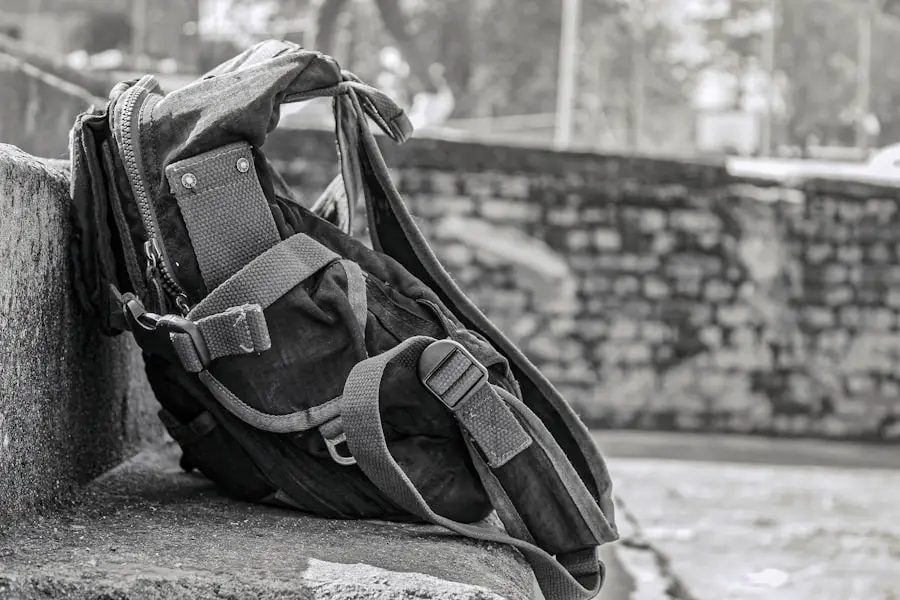
Zippers and buckles collect fine dirt, sand, and mud on the trail. Cleaning them regularly helps prevent gritty operation and unnecessary wear.
Clean Zippers Gently
Use clean water and a very soft brush to remove debris around zipper teeth and sliders. Be especially gentle with coated or water-resistant zippers. REI warns against aggressive scrubbing because some zipper designs have water-resistant coatings.
If a zipper remains difficult to move after it is clean and dry, use only a lubricant intended for that type of zipper. Do not assume that any household oil or silicone spray is suitable. Specialized zipper manufacturers give different lubrication instructions for different constructions.
Never force a jammed zipper. Back the slider up, remove fabric, grit, or another obstruction, and try again gently.
Inspect Buckles and Webbing
Rinse dirt from buckles and wipe them clean with a damp cloth. Check for cracks, deformation, or damaged locking tabs. Also inspect the webbing around the buckle for cuts, excessive abrasion, or loose stitching.
A cracked load-bearing buckle should be repaired or replaced before the backpack is relied on for another hike.
Cleaning Different Backpack Materials and Waterproof Packs
Different backpacks require different levels of care, so material-specific instructions matter.
Standard Nylon or Polyester Hiking Packs
Most technical hiking packs use synthetic fabric with protective treatments or coatings. Gentle hand cleaning with cool-to-lukewarm water is normally safer than machine agitation, but always follow the individual manufacturer’s directions.
Water-Resistant and DWR-Treated Packs
Do not confuse a water-repellent outer treatment with complete waterproofing. Water may still enter through seams, openings, or ordinary zippers.
Use cleaners compatible with the coating and avoid conventional products that leave unwanted residue. After cleaning, test water beading and reproof only when needed and when the manufacturer permits it.
Waterproof or Seam-Sealed Packs
Fully waterproof or highly water-resistant packs can use specialized fabrics, laminated materials, welded seams, and coated zippers. Do not automatically soak, scrub, lubricate, or reproof these packs using a general backpack method. Follow the exact instructions for that model.
Canvas Backpacks
Canvas is absorbent and can become heavy when saturated. Start with spot cleaning whenever possible. If deeper washing is allowed, use gentle water temperatures, mild approved soap, and avoid aggressive scrubbing. Let the canvas dry completely before storage.
Note: Material names alone do not tell you everything about care. Two nylon backpacks can use different PU coatings, laminates, seam treatments, foams, or water-repellent finishes. The pack maker’s instructions should always win.
Tips for Preventing Future Dirt and Stains
Preventing buildup makes every later cleaning easier. During wet or muddy trips, use a rain cover when appropriate for your pack. Waterproof dry bags or packing sacks inside the pack can also isolate wet clothing, food, or dirty equipment from the main compartment.
Keep liquids tightly sealed and place food in a separate bag so spills do not soak into fabric or foam. Avoid putting muddy footwear directly inside the pack unless it is contained.
After each outing:
- Empty every compartment.
- Shake or brush out dirt and crumbs.
- Wipe fresh mud or spills before they set.
- Let sweat-damp straps and padding air out.
- Dry the pack before storing it.
- Inspect zippers, buckles, straps, and seams for damage.
You do not need to give a backpack a full bath after every few hikes. A quick post-trip clean is usually enough for light dirt. Deep clean the pack when sweat, salt, grime, food residue, or odor has built up enough that spot cleaning no longer does the job.
Regular care helps protect the backpack’s fabric, hardware, and coatings while keeping it more pleasant to carry. Cleaning gently, rinsing thoroughly, and allowing the pack to dry completely are more important than using strong cleaning products.
If you are preparing other gear for longer trips, you can also review our best solar charger for backpacking guide. Keeping hiking equipment clean, dry, and properly stored can help you get more reliable use from it on future trips.
Love travel? Join Our Facebook Community For More Tips.
Frequently Asked Questions
What is the best way to clean a hiking backpack?
Check the manufacturer’s care instructions first. Empty and brush or vacuum the pack, spot clean light dirt, and hand wash heavier grime with cool-to-lukewarm water and mild pH-neutral soap if the manufacturer allows it. Rinse thoroughly and air dry with all compartments open.
Can I put my hiking backpack in the washing machine?
For most conventional technical hiking backpacks, hand washing is the safer choice. Manufacturers such as Deuter and Gregory advise against machine washing their standard packs because agitation can damage materials or protective coatings. Follow the care label for your exact model because specialized products can have different instructions.
How often should I clean my hiking backpack?
Do a quick clean after trips when you see dirt, crumbs, mud, or sweat. A complete hand wash is usually needed only when the backpack becomes heavily soiled, salty, greasy, or persistently smelly. Unnecessary deep washing adds wear, so clean as much as needed rather than following a rigid schedule.
Can I use bleach to clean my hiking backpack?
Bleach is not a good general-purpose backpack cleaner. Harsh chemicals can discolor fabric and may damage coatings, foam, hardware, or other materials. Use the cleaner specified by the manufacturer, typically a mild soap or a compatible technical gear cleaner.
How do I remove odors from my hiking backpack?
Focus on the areas that collect sweat and body oils, including the shoulder straps, hipbelt, back panel, and interior. Clean them with the manufacturer-approved soap or cleaner, rinse away all residue, and allow the pack to dry completely. Repeat a gentle wash if odor remains rather than jumping to strong acids, bleach, or solvents.
Can I soak my backpack in a bathtub?
Only if the manufacturer allows it. Some hiking packs can be submerged for a deep hand wash, while others have components or treatments that should only be wiped or spot cleaned. Check the care label or manual before soaking the entire pack.
How should I dry a hiking backpack after washing it?
Open all pockets and zippers and let the pack air dry in a well-ventilated shaded location. Keep it away from dryers, direct sunlight, radiators, fires, and other strong heat sources. Store it only after the fabric, foam, straps, seams, and pockets are fully dry.
Sources
- REI — How to Clean a Backpack — light and deep cleaning, zipper care, rinsing, and drying guidance.
- Deuter — Cleaning Your Backpack — pH-neutral soap, PU coating precautions, rain-cover care, drying, storage, and reproofing.
- Gregory — Care & Cleaning — mild-soap cleaning, rinsing, brushing precautions, and machine/dryer restrictions.
- Nikwax — Tent & Gear Care — technical cleaning and water-repellency care for synthetic packs and outdoor equipment.
- YKK — Water-Protective Zipper Care — cleaning, lubrication, heat, and storage considerations for specialized coated zippers.