Last Updated on September 10, 2026 by Daniel Globe
Dirt, sweat, body oils, food crumbs, and trail dust can build up on a hiking backpack over time. Cleaning the pack correctly helps keep straps, zippers, fabric, and coatings in good condition while preventing stubborn odors. The safest method for most technical hiking packs is gentle hand cleaning, but the backpack’s own care label or manufacturer instructions should always come first.
Quick Answer
To wash a hiking backpack, empty it completely, brush or vacuum out loose debris, and check the care label. Spot clean or hand wash it with lukewarm water and an approved mild cleaner, rinse thoroughly, then air dry with every pocket open in a shaded, well-ventilated area. Avoid machine washing unless the manufacturer specifically permits it.
Key Takeaways
- Check the backpack’s care label or manufacturer instructions before washing, soaking, removing a frame, or applying any cleaner.
- Spot clean light dirt instead of deep washing the entire pack unnecessarily.
- For a deeper clean, use lukewarm water, a soft sponge or brush, and only a cleaner approved for the pack.
- Never use a washing machine, dryer, bleach, solvent, or direct heat unless the backpack manufacturer explicitly says it is safe.
- Rinse soap away completely and let the backpack dry fully with its pockets open before storing it.
- Restore water repellency only when needed and only with a treatment suitable for the backpack’s fabric and finish.
At a Glance
| Time Required | About 20–40 minutes of active cleaning, plus complete air-drying time |
| Difficulty | Easy |
| Tools Needed | Soft sponge or cloth, soft-bristled brush, sink or basin, clean towel, and optional handheld vacuum |
| Cost | Usually minimal if you already have an approved mild soap or technical-gear cleaner and a soft brush |
Warning: Do not assume that every backpack can be submerged, machine washed, or treated with the same detergent. Technical fabrics, waterproof coatings, frames, adhesives, and foam padding vary by model. Check the sewn-in care label or manufacturer’s instructions before deep cleaning.
Disclosure: As an Amazon Associate I earn from qualifying purchases. Some links on this page are affiliate links, at no extra cost to you.
Gathering the Necessary Supplies
Before cleaning your backpack, gather a few simple supplies. A soft sponge, clean cloth, or soft-bristled nylon brush can remove dirt without aggressively abrading the fabric. An old soft toothbrush can also be useful around seams, buckles, and zipper tracks.
For the cleaning solution, check the backpack manufacturer’s directions first. Some manufacturers permit a mild detergent, while others specify mild soap and advise against detergents or solvents. For example, Osprey’s backpack-care guidance permits mild soapy water, while Gregory’s care instructions recommend mild soap and caution against detergents and solvents.
You will also need lukewarm or cool water, a sink, bathtub, or basin if the manufacturer allows immersion, and a clean towel to blot away excess water. A small handheld vacuum is optional but useful for removing crumbs and grit from deep seams and pockets before water is introduced.
Pro Tip: Start with the least aggressive method that works. A damp cloth and spot cleaning are often enough for fresh mud, dust, or pollen, so a full soak is unnecessary every time the backpack gets dirty.
Preparing Your Backpack for Cleaning

Empty every compartment and pocket before adding water. Check small organizer pockets, hip-belt pockets, lid compartments, and hydration sleeves for food wrappers, tissues, dirt, or other forgotten items.
- Remove loose debris. Turn the pack upside down and shake out sand, dirt, leaves, and crumbs.
- Brush or vacuum seams. Use a soft brush or gentle vacuum to remove grit trapped in corners and stitching.
- Inspect the backpack. Look for damaged seams, torn mesh, peeling coatings, loose hardware, or zipper problems before washing.
- Remove detachable accessories. Take out a hydration reservoir, rain cover, or other removable accessories and clean them separately according to their own instructions.
- Remove structural parts only when approved. A harness, hip belt, frame sheet, stay, or frame should come out only if the manufacturer says it is designed to be user-removable.
- Open every zipper. This improves access during cleaning and airflow during drying.
REI’s backpack-cleaning guidance recommends checking the manufacturer’s instructions before immersion or frame removal because construction differs between packs. deuter likewise cautions users against removing certain back systems that are not intended for consumer removal.
Note: A removable hydration reservoir is a separate piece of equipment. Do not assume that the soap, water temperature, or cleaning method used on the pack is also correct for the reservoir, hose, or bite valve.
Cleaning the Exterior of Your Backpack
The exterior normally collects the most visible trail dirt, but aggressive scrubbing can wear coatings and mesh. Begin with spot cleaning and move to deeper washing only when needed.
| Care Task | When to Do It |
| Remove loose dirt and debris | After a dirty, sandy, or dusty trip and before storage |
| Spot clean stains | As soon as practical when dirt or spills appear |
| Deep hand clean | When sweat, salt, dirt, food residue, or odor has built up and the manufacturer allows it |
| Air dry thoroughly | Any time the pack becomes wet or is washed |
| Restore water repellency | When water no longer beads normally and the manufacturer recommends an appropriate treatment |
1. Spot Clean Light Dirt First
Dampen a clean sponge or cloth with water. Apply a small amount of the manufacturer-approved cleaner to dirty spots, then gently work the area without grinding grit into the fabric. Fresh mud is often easier to remove after loose material has been brushed away.
2. Hand Wash When a Deeper Clean Is Needed
If the backpack’s care instructions allow a deeper hand wash, use lukewarm water and the recommended amount of cleaner. Work on the fabric in sections with a sponge or soft brush. Give extra attention to the bottom panel, shoulder-contact areas, straps, and pockets where dirt and body oils tend to accumulate.
Avoid hard scrubbing. Gregory notes that excessive brushing can damage protective fabric coatings, while Osprey recommends gentle agitation with a soft brush.
3. Rinse Thoroughly
Use clean water to remove the cleaning solution completely. If the backpack was immersed, drain the dirty water and rinse it with fresh water as directed by the manufacturer. Soap left in fabric or padding can create residue and may be difficult to remove after the pack dries.
Cleaning the Interior of Your Backpack
The inside of a backpack can collect crumbs, sand, spilled drinks, sunscreen residue, and moisture even when the exterior looks clean.
Start with a dry clean. Shake the backpack out and use a soft brush or gentle vacuum around seams and corners. Then wipe the interior with a damp cloth or sponge. For visible grime, use a small amount of the same manufacturer-approved cleaner used on the exterior.
Do not automatically saturate coated internal surfaces. Some packs can be immersed, while others should only be wiped or spot cleaned. Follow the care label if it limits soaking.
After cleaning, wipe or rinse away all soap residue with clean water. Leave the main compartment and every pocket fully open for drying.
Cleaning Straps, Hip Belts, Zippers, and Hydration Gear
Shoulder Straps and Hip Belt
Shoulder straps and hip belts absorb sweat and body oils. If they are removable and the manufacturer permits removal, clean them separately with the approved soap or cleaner and rinse well. If they are fixed to the pack, gently work clean water through the padding without twisting or wringing it.
Zippers and Buckles
Fine sand and trail dust can build up around zipper teeth and buckle mechanisms. Use clean water and a soft brush to loosen grit. Osprey specifically recommends regular zipper cleaning with mild soap, water, and a soft brush. Avoid aggressive scrubbing on coated or water-resistant zippers.
Operate the zipper gently after it dries. If it still binds, use a product specifically intended for zipper maintenance rather than household oil.
Hydration Reservoir
Remove the hydration reservoir before washing the backpack. Clean the reservoir, hose, and bite valve according to the reservoir manufacturer’s directions. For example, Osprey’s reservoir-care instructions call for cleaning reservoir components separately and drying them in a well-ventilated area.
Drying and Storing Your Backpack
Proper Drying Techniques
After cleaning the exterior and interior, remove as much excess water as possible without wringing or twisting the backpack. A clean towel can be used to blot wet areas.
Do not put a technical hiking backpack in a clothes dryer unless its care instructions explicitly permit it. Osprey, Gregory, deuter, and REI all advise air drying the technical packs covered by their guidance rather than exposing them to dryer heat.
Optimal Drying Conditions
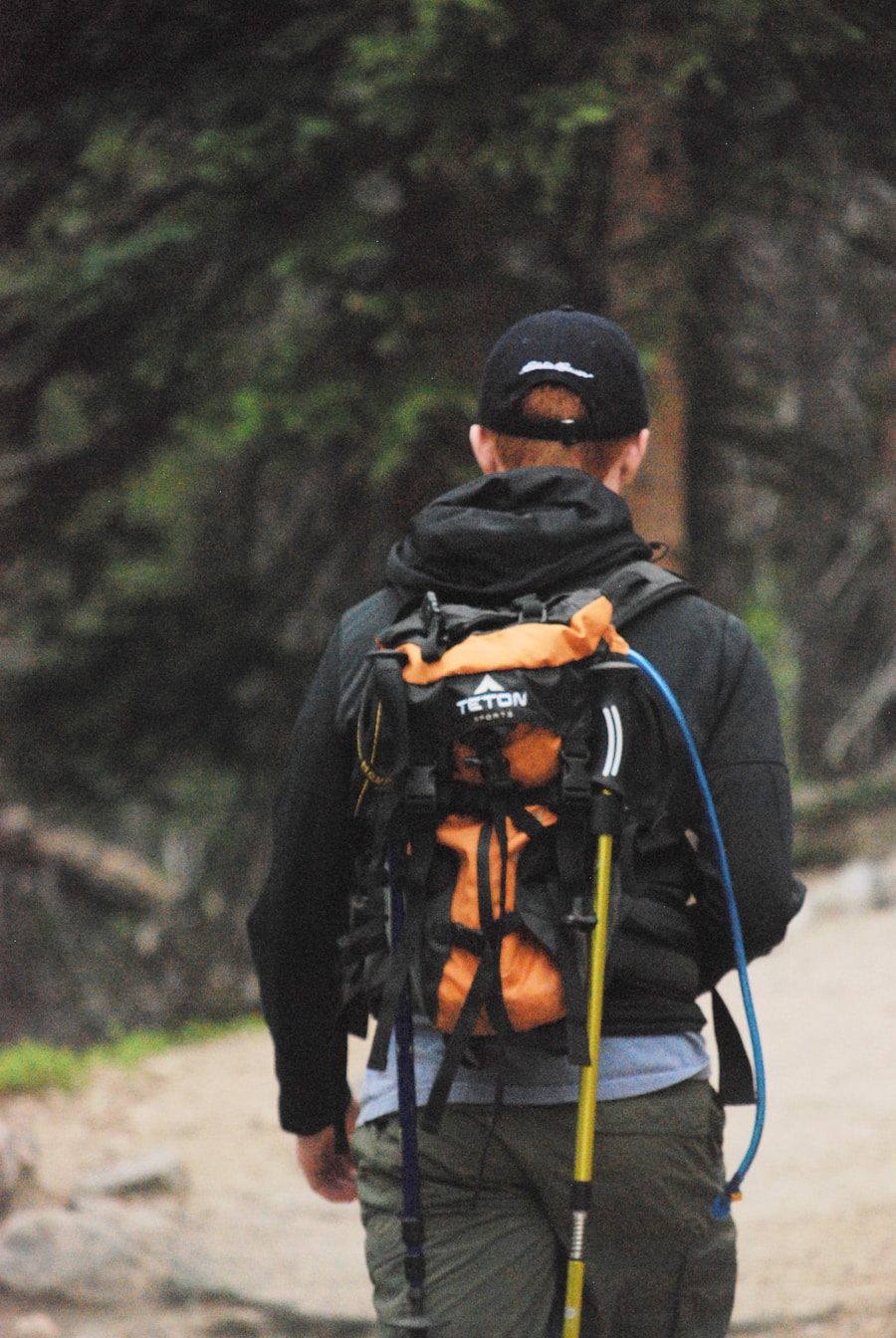
Hang the backpack in a shaded, well-ventilated place. Keep the main compartment and all zippered pockets open so air can reach the interior and padding. Hanging the pack upside down can help trapped water drain from pockets and seams.
Avoid radiators, space heaters, hair dryers, heat guns, fireplaces, and prolonged direct sunlight. High heat can harm coatings, foam, adhesives, plastics, and other pack components, while unnecessary UV exposure can age fabrics.
A backpack is ready for storage only when the fabric, padding, pockets, and hidden seams are completely dry—not merely dry to the touch on the outside.
Storage and Maintenance
Once completely dry, store the backpack in a cool, dry, ventilated place away from strong sunlight and direct heat. Damp storage can encourage musty odors and mold growth. The CDC notes that mold grows where sufficient moisture is present, so allowing wet gear to dry fully is an important preventive step.
Do not leave wet rain covers, clothing, towels, or hydration equipment sealed inside the backpack. Dry each component separately before packing everything away.
Restoring Water Repellency After Cleaning
A hiking backpack should not automatically receive waterproofing spray after every wash or once every calendar year. Some fabrics have a durable water-repellent treatment, while others use different coatings or rely on a separate rain cover.
Follow the pack manufacturer’s instructions. deuter recommends checking water beading: if water no longer beads normally on a compatible treated fabric, re-impregnation may be appropriate.
Note: Water-repellent fabric does not necessarily make an entire backpack waterproof. Seams, zippers, openings, and construction can still admit water, which is why many hiking packs use a rain cover or internal waterproof liner for wet conditions.
Troubleshooting Common Backpack-Cleaning Problems
The Backpack Still Smells
First make sure it is completely dry. Damp foam and hidden seams can continue to smell even when the surface feels dry. If the odor remains, repeat gentle cleaning in the affected area with the cleaner approved by the manufacturer and rinse thoroughly. Persistent odor after complete cleaning may require advice from the backpack manufacturer.
Soap Residue Is Still Visible
Rinse the affected area again with clean water. Avoid adding another cleaner to counteract the first one. Repeated clean-water rinsing is safer than mixing household cleaning chemicals.
A Zipper Feels Gritty or Stiff
Brush loose dirt away gently and rinse the zipper track with clean water. Do not force a jammed slider. After the zipper is clean and dry, a purpose-made zipper lubricant may help if the manufacturer permits it.
The Backpack Is Taking a Long Time to Dry
Open every pocket, loosen compressed sections, and increase airflow without adding direct heat. Turn or reposition the backpack periodically so trapped moisture can escape from thick shoulder straps, hip belts, and back padding.
There Is Visible Mold
Do not automatically reach for bleach. Bleach, strong solvents, and other aggressive chemicals can damage backpack fabric and coatings unless the manufacturer specifically approves them. Clean the backpack according to its care instructions and dry it completely. People who are particularly sensitive to mold should avoid unnecessary exposure while handling heavily mold-contaminated items.
Tips for Maintaining a Clean Backpack
Maintaining a hiking backpack is easier when dirt is dealt with before it becomes deeply embedded.
- Empty the backpack after each trip. Remove food, damp clothing, rubbish, and loose trail debris.
- Deal with fresh stains promptly. Spot cleaning often prevents the need for a full wash.
- Keep wet equipment separated. Use a pack liner or waterproof bag for damp clothing, leaking bottles, or messy gear.
- Dry the pack after rain or heavy sweating. Do not put a damp backpack directly into a closet.
- Keep zippers clean. Brush away sand and grit before they interfere with zipper movement.
- Avoid unnecessary overloading. Although this does not directly clean the backpack, reasonable loading reduces excess stress on seams, zippers, and attachment points.
- Use a rain cover or pack liner when appropriate. Preventing saturation can reduce cleaning and drying work later.
Pro Tip: After returning from a hike, spend two minutes emptying the pack, shaking out debris, and opening the pockets to air. That small habit can prevent food residue, dried sweat, and moisture from becoming a much bigger cleaning job.
Enjoying a Clean and Fresh Backpack
A clean hiking backpack is more pleasant to carry and easier to inspect for damage before a trip. Removing dirt, sweat, salt, food residue, and grit can also help prevent grime from building up around fabrics, straps, zippers, and buckles.
The most important point is not to wash the backpack aggressively or according to a rigid schedule. Clean it when its condition calls for cleaning, use the gentlest effective method, and let the manufacturer’s care instructions determine whether it can be soaked, which cleaner is safe, and whether components can be removed.
Whether your next trip takes you to a humid destination such as Costa Rica or the Maldives or to a cooler Alaska itinerary, the same storage rule applies: never pack a hiking backpack away while it is still damp. Clean and dry it before the trip when possible so it is ready to carry gear without lingering grime or odors.
Frequently Asked Questions
What is the best way to wash a hiking backpack?
Check the backpack’s care instructions first. For most technical hiking packs, the safest general method is gentle hand cleaning with lukewarm water, a soft sponge or brush, and a manufacturer-approved mild soap or technical cleaner. Rinse thoroughly and air dry away from direct heat and strong sunlight.
Can I put my hiking backpack in the washing machine?
Usually not. Major technical-pack manufacturers including Osprey, deuter, and Gregory advise against machine washing the packs covered by their care guidance because agitation can stress fabric, coatings, padding, and structure. Follow your own backpack’s care label if it gives different instructions.
Can I soak a hiking backpack in water?
It depends on the backpack. Some manufacturers allow packs to be cleaned in a bathtub or large sink, while certain frames, wheeled systems, coatings, or construction methods should not be submerged. Check the care label or manual before soaking the entire pack.
How do I remove stains from my hiking backpack?
Brush away loose dirt first. Then gently spot clean the stain with a soft sponge or brush and a cleaner approved by the backpack manufacturer. Avoid aggressive scrubbing, bleach, solvents, and generic degreasers unless the care instructions specifically permit them.
How do I dry my hiking backpack after washing it?
Open every pocket and hang the backpack in a shaded, well-ventilated place until all fabric, padding, and seams are completely dry. Avoid a clothes dryer, hair dryer, radiator, heater, or other direct heat unless the manufacturer explicitly approves that method.
How often should I wash my hiking backpack?
There is no universal three-month, six-month, or yearly schedule. Remove loose dirt after trips and spot clean when necessary. Give the backpack a deeper clean when sweat, salt, heavy dirt, food residue, or persistent odor has accumulated and its care instructions permit a deeper wash.
Should I waterproof my backpack after washing it?
Not automatically. First check whether the backpack uses a water-repellent treatment and whether the manufacturer recommends reproofing. If a compatible treated fabric stops beading water, an approved spray-on treatment may be appropriate. A rain cover or waterproof liner may still be needed because treated fabric alone does not make every backpack fully waterproof.
Sources
- Osprey — How to Clean Your Osprey Backpack — backs hand washing, rinsing, drying, and machine-washing cautions.
- deuter — How to Clean a Backpack — backs condition-based cleaning, drying, storage, frame cautions, and reproofing guidance.
- Gregory — Care & Cleaning — backs mild-soap cleaning, gentle brushing, rinsing, and heat/dryer cautions.
- REI Expert Advice — How to Clean a Backpack — backs spot cleaning, deep cleaning, debris removal, and checking manufacturer instructions before immersion or frame removal.
- CDC — Mold — backs the relationship between persistent moisture, mold growth, and possible effects on sensitive people.