
Last Updated on September 10, 2026 by Daniel Globe
The right hiking-boot fit can make the difference between a comfortable day on the trail and hours of rubbing, toe pressure, or heel movement. Hiking boots should hold your heel and midfoot securely while leaving enough room for your toes to move. Because feet can become larger during a long day of walking, fit also needs to account for socks, swelling, terrain, and the shape of your feet.
Quick Answer
Hiking boots should feel secure at the heel and midfoot but never painfully tight. Your toes should wiggle freely, with roughly 3/8 to 1/2 inch of space ahead of the longest toe as a useful starting point. Fit the larger foot, wear your hiking socks, and test the boots on an incline before buying.
Key Takeaways
- A good hiking boot feels snug around the heel and midfoot without pinching, squeezing, or causing numbness.
- Your toes need room to wiggle and must not hit the front of the boot when you walk downhill.
- Measure both feet and fit the larger one because small differences between feet are common.
- Try boots later in the day with the socks, insoles, or orthotics you plan to use on the trail.
- Do not assume you need a half-size or full-size larger boot. Brand, width, foot volume, and boot shape matter as much as the number on the label.
- Break-in can soften some footwear, especially stiffer leather boots, but it cannot correct a boot that is fundamentally too short, narrow, or poorly shaped for your foot.
At a Glance
| Time Required | About 20–30 minutes to measure and test several pairs properly |
| Difficulty | Easy |
| Tools Needed | Paper, pen or pencil, ruler or measuring tape, hiking socks; a Brannock-style measuring device is helpful when available |
| Cost | $0 for self-measurement with tools you already own; boot purchase not included |
Disclosure: As an Amazon Associate I earn from qualifying purchases. Some links on this page are affiliate links, at no extra cost to you.
How Should Hiking Boots Fit?
A hiking boot should feel secure without squeezing your foot. The heel and midfoot need enough hold to limit sliding, while the forefoot and toe box need enough room for your toes to spread and move naturally.
The American Orthopaedic Foot & Ankle Society advises judging shoes by how they actually fit rather than relying on the printed size alone. It also recommends checking width, depth, toe clearance, and heel security while standing and walking.
| Fit Area | What You Want to Feel | Warning Signs |
| Toes | Able to wiggle without touching the front while standing or descending | Toe jamming, curling, pressure on the nail, or rubbing on top |
| Forefoot | Supported without squeezing the widest part of the foot | Pinching, side pressure, numbness, or bulging over the sole |
| Midfoot / Instep | Secure contact that does not require painfully tight lacing | Pressure on top of the foot or excessive empty space above it |
| Heel | Held securely with little movement | Repeated lifting, sliding, rubbing, or hot spots |
| Ankle / Collar | Supportive without digging into the ankle or lower leg | Sharp edge pressure, rubbing, or restricted movement |
The best hiking-boot fit is secure where your foot needs control and roomy where your toes need space.
How to Measure Your Feet for Hiking Boots
Accurate measurements give you a better starting point than your everyday shoe size. Measure both feet because one may be slightly longer or wider than the other.
- Measure later in the day. Feet can become larger after hours of standing and walking, so afternoon or evening measurements better represent trail conditions.
- Put on your hiking socks. Use the same sock thickness you expect to wear with the boots.
- Stand on a sheet of paper. Keep your full weight on the foot while measuring rather than measuring it in the air.
- Mark the heel and longest toe. Your longest toe is not always your big toe.
- Measure the length. Measure from the back of the heel to the longest-toe mark.
- Measure the width. Measure across the widest part of the forefoot.
- Repeat for the other foot. Start your boot fitting with the dimensions of the larger foot.
A calibrated footwear device such as a Brannock-style device can also measure length, width, and arch length. A specialty footwear store can help assess another important factor that is harder to measure at home: foot volume, or how much space your foot occupies inside the boot.
Pro Tip: Remove the boot’s insole and stand on it while wearing your hiking socks. Your heel should sit in the heel area, the widest part of your foot should line up with the widest part of the insole, and there should be clear space ahead of your longest toe.
Tips for Choosing the Right Hiking Boot Size
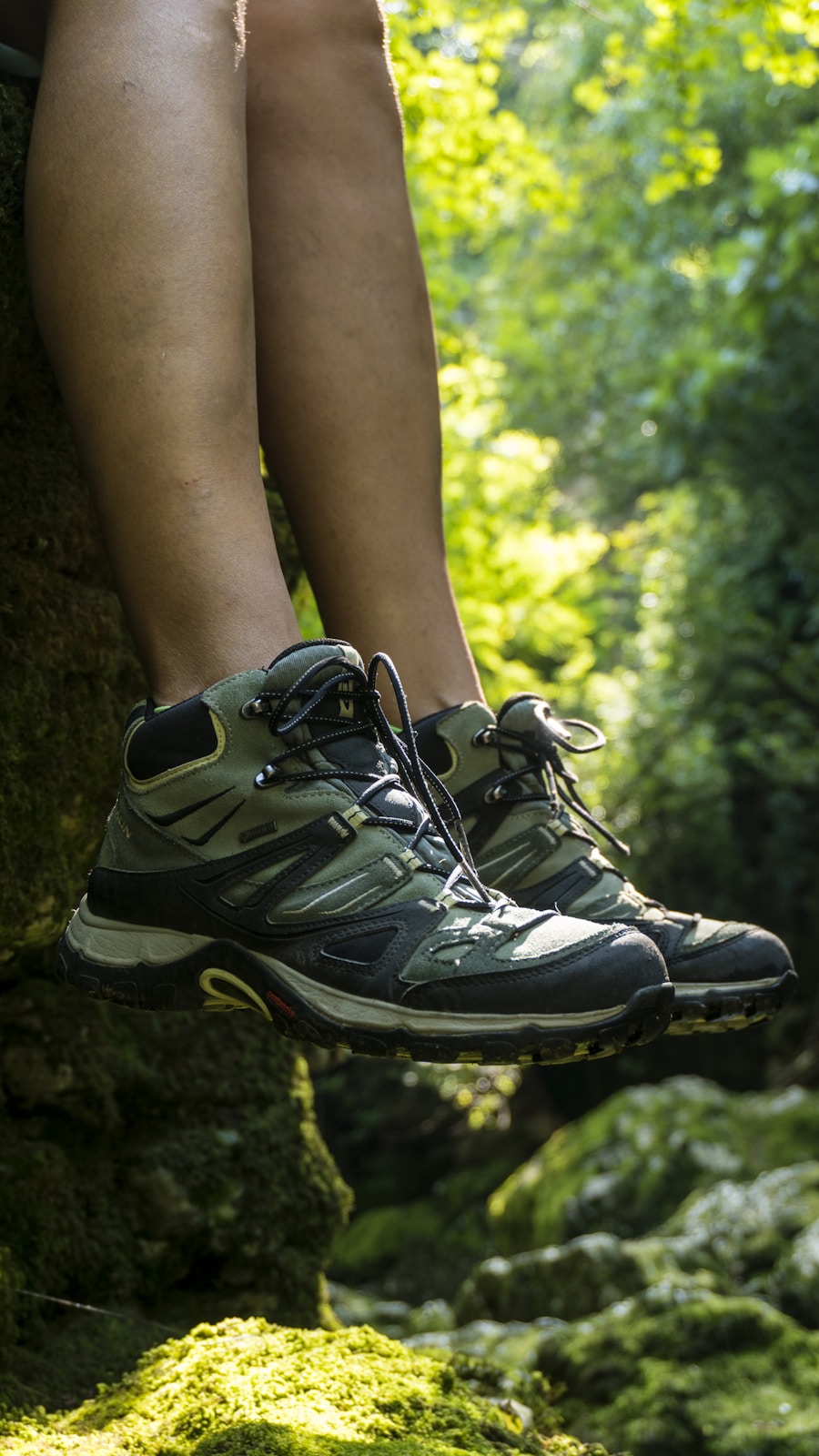
Start with the manufacturer’s size chart, but treat the printed size as a starting point rather than the final answer. A size 10 in one brand can feel quite different from a size 10 in another because manufacturers use different lasts, toe-box shapes, widths, and internal volumes.
The American Academy of Orthopaedic Surgeons advises fitting footwear to the larger foot and not choosing shoes solely by the size printed inside. A boot should also match your foot’s shape rather than forcing your foot into a narrow or shallow shape.
Do Not Fix a Width Problem by Buying an Overly Long Boot
If your toes or forefoot feel squeezed from the sides, first try a wide version or a different boot shape. Simply moving to a much longer size can leave excessive space in front of the toes and allow the foot to slide inside the boot.
Match the Boot to the Hike
The amount of structure you need depends on terrain, distance, weather, and pack weight. Lightweight hiking shoes can work well on easier trails, while stiffer backpacking boots may provide more structure for rough terrain and heavier loads.
That does not mean a backpacking boot should fit tighter. Regardless of category, your footwear should hold the heel and midfoot securely without pressure points while leaving useful toe room.
Should You Size Up in Hiking Boots?
Not automatically. Some hikers end up a half-size above their casual-shoe size, but there is no universal rule that everyone should size up.
The correct size is the one that accommodates your larger foot, planned sock thickness, foot width, and normal trail swelling without allowing excessive sliding. If you need a longer size only because the boot feels narrow, try a wide model or another last before adding unnecessary length.
Note: If you use prescription orthotics or a preferred aftermarket insole, bring it when fitting boots. An insole can change internal volume and may alter how the heel, arch, and instep sit inside the boot.
The Impact of Sock Choice on Hiking Boot Fit
| Sock Type | Effect on Boot Fit | Fit Consideration |
|---|---|---|
| Lightweight wool or synthetic | Takes up less internal volume | Useful in warmer weather or close-fitting footwear; make sure the boot does not become loose |
| Medium-cushion wool or synthetic | Adds moderate volume and cushioning | A common all-around choice for hiking; fit the boot while wearing the same thickness |
| Heavyweight hiking sock | Takes up noticeably more space | May make an otherwise correct boot too tight; useful mainly when conditions and footwear call for extra insulation or cushioning |
| Cotton sock | Thickness varies, but cotton holds moisture longer than common hiking wool or synthetic fabrics | Generally a poor choice for long or wet hikes because damp fabric can increase discomfort and friction |
Your sock system is part of the fit. Trying on a boot with a thin everyday sock and then hiking in a thick cushioned sock can completely change how much room is available inside the boot.
Merino wool and hiking-oriented synthetic socks are popular because they manage moisture better than ordinary cotton. Whatever material you choose, make sure the sock fits smoothly without bunching around the toes or heel.
Trying on Hiking Boots: What to Look for
Once the boots are laced, stand and walk for several minutes. Pay attention to specific areas instead of judging the fit only by whether the boot feels “comfortable” while sitting down.
Check Toe Room
Your toes should be able to wiggle without feeling cramped. General footwear guidance from foot and ankle specialists recommends roughly 3/8 to 1/2 inch between the longest toe and the end of the shoe. Hiking-fit guides often describe a similar check as leaving approximately a finger- or thumb-width of clearance.
The exact amount varies with foot shape and boot design, so the more important test is whether your toes stay clear of the front during walking and descending.
Check Heel Hold
Your heel should feel seated in the heel cup. A tiny amount of movement can occur in some stiff new boots, but repeated lifting or sliding that creates friction is a warning sign.
If firm, comfortable lacing cannot hold the heel without crushing the forefoot or instep, the boot may have the wrong internal shape or volume for your foot.
Test the Boots on an Incline
Walk up and down an incline or fitting ramp when possible. On the descent, your toes should not ram into the front. On the climb, your heel should not repeatedly lift and rub.
Check for Pressure Points
Do not ignore a spot that pinches, burns, rubs, or makes your foot feel numb. A boot can soften somewhat with use, but your foot should not have to endure pain while the footwear supposedly “breaks in.”
Warning: Sharp pain, numbness, tingling, crushed toes, or toes striking the front of the boot are not normal break-in symptoms. Stop and try a different size, width, or boot shape.
How Tight Should Hiking Boots Be?
Think secure, not tight. The laces should hold your foot in place without cutting into the top of your foot or forcing your toes together.
A good boot should not require extreme lace tension to control your heel. If loosening the laces causes major sliding but tightening them causes pain, the boot’s shape or volume may not match your foot.
Your foot should also remain comfortable after you have been standing and walking for several minutes. Fit problems that appear quickly in a store are unlikely to improve during a long hike.
Common Mistakes to Avoid When Sizing Hiking Boots
- Buying your usual shoe size without testing it. Brand and model sizing can differ.
- Fitting only the smaller foot. Use the larger foot as your main reference.
- Trying boots on first thing in the morning. Later-day fitting better reflects the size your feet may reach after activity.
- Wearing the wrong socks during the fitting. Sock thickness directly changes internal boot volume.
- Buying extra length to solve a width problem. Look for a wide size or a boot with a more suitable last.
- Ignoring the downhill test. A boot that feels fine on level flooring can still jam your toes on a descent.
- Assuming pain will disappear after break-in. A poor basic fit should be exchanged rather than endured.
- Testing only one model. Two boots in the same labeled size can feel very different because of toe-box shape, heel shape, width, and volume.
How to Break in Hiking Boots for the Perfect Fit
Break-in is best viewed as a way to confirm comfort and gradually adapt to stiffer footwear—not a way to repair incorrect sizing.
Flexible synthetic hiking shoes may feel comfortable almost immediately. Stiffer backpacking boots and traditional leather footwear can take longer to soften and flex naturally.
- Wear the boots indoors first. Use your normal hiking socks and insoles.
- Take short walks. Pay attention to rubbing, pressure, or heel movement.
- Increase distance gradually. Move from short neighborhood walks to easy trails.
- Add your normal hiking load. A pack changes how your feet move and how much force reaches the footwear.
- Stop when a hot spot develops. Do not keep walking in the hope that painful friction will fix itself.
A stiff upper can soften. A boot that is too short, badly shaped, or painfully narrow will not become the correct size simply because you wear it longer.
Pro Tip: Keep the box and understand the seller’s return policy while you are evaluating a new pair. Indoor testing is especially useful when buying online because it lets you compare fit before committing the footwear to a trail.
Lacing and Insoles Can Fine-Tune the Fit
Lacing can help manage small fit differences. For example, a heel-lock style lacing pattern can improve heel hold, while loosening the lower forefoot area can reduce mild pressure across the toes.
However, lacing should fine-tune an already suitable boot. It should not be used to compensate for a boot that is substantially too large, too narrow, or too shallow.
Aftermarket insoles can also change support and internal volume. If you already use an insole or orthotic, test the boot with that exact setup before deciding on the size.
When to Seek Professional Help for Hiking Boot Sizing
A specialty footwear fitter can be useful when you repeatedly struggle with heel slip, pressure at the forefoot, unusually high or low foot volume, or major differences between your two feet.
Professional advice is particularly useful if you have bunions, hammertoes, significant arch problems, a history of foot injuries, or prescribed orthotics. Foot and ankle specialists generally recommend footwear that matches the shape of the foot rather than squeezing the foot into the shape of the shoe.
Persistent pain, numbness, tingling, recurring sores, or other ongoing foot symptoms deserve medical evaluation rather than repeated changes in hiking footwear alone.
Boot fit is also only one part of preparing for a comfortable trip. For broader travel preparation, see the travel toothbrush guide, learn more about the Take Travel Info team, or explore the travel scarf with a hidden pocket guide for another way to organize small valuables while traveling.
Love travel? Join Our Facebook Community
Frequently Asked Questions
What are the key factors to consider when fitting hiking boots?
Check length, width, toe-box depth, overall volume, heel hold, and comfort while walking. A good boot should secure the heel and midfoot without squeezing while leaving enough room for the toes to move.
How should hiking boots fit in terms of length?
Your longest toe should not touch the front while standing or walking downhill. Roughly 3/8 to 1/2 inch of clearance is a useful starting point, but the final test is whether your toes remain comfortable during movement.
How should hiking boots fit in terms of width?
The widest part of your foot should sit comfortably in the widest part of the boot. Your forefoot should feel supported without pinching, numbness, or pressure along either side.
How should hiking boots fit in terms of volume?
The boot should hold the midfoot securely without excessive empty space over the instep and without requiring painfully tight laces. Too much or too little volume can cause heel movement, pressure, and difficulty getting a secure fit.
Should hiking boots be one size bigger?
Not automatically. Some hikers wear a larger hiking-boot size than their casual-shoe size, but the correct choice depends on the brand, foot length, width, volume, socks, and normal swelling. Choose by actual fit rather than following a fixed one-size-up rule.
How much heel slip is acceptable in hiking boots?
Your heel should feel secure. A slight amount of movement can occur, especially in a stiff new boot, but repeated lifting, sliding, rubbing, or hot spots indicate that the fit or boot shape needs attention.
What are signs that hiking boots do not fit properly?
Common signs include toes striking the front, forefoot pinching, numbness, sharp pressure points, excessive heel lift, persistent rubbing, hot spots, or needing extreme lace tension to keep the foot from sliding.
Will hiking boots stretch enough to fix a tight fit?
Do not count on it. Some leather uppers soften and conform slightly with use, but break-in cannot add the length or major width needed to correct an incorrectly sized boot. Synthetic footwear generally changes even less.
Why is proper hiking-boot fit important?
A secure, comfortable fit reduces unnecessary rubbing, toe impact, and movement inside the boot while giving you better control on uneven terrain. Poor fit can contribute to hot spots, blisters, sore toes, and foot fatigue.
Sources
- American Orthopaedic Foot & Ankle Society — 10 Points of Proper Shoe Fit — shoe length, width, depth, heel hold, and proper fitting.
- American Academy of Orthopaedic Surgeons — Tight Shoes and Foot Problems — toe-box shape, measuring both feet, and avoiding footwear that depends on stretching to fit.
- NOLS — Footwear Fitting Guidance — later-day fitting, fitting the larger foot, sock systems, and heel/toe checks.
- Salomon — How to Choose Your Hiking Shoes — hiking socks, end-of-day fitting, foot swelling, and sizing guidance.
- Salomon — High, Mid, or Low-Cut Hiking Shoes — current 2026 guidance on toe room, heel/midfoot security, terrain, and footwear type.

